Зайдите на любую крупную стройплощадку, дорожный объект или удаленную шахту, и вы услышите его раньше, чем увидите. Это гул дизельного двигателя, приводящего в действие компрессор. Воздух - это четвертая коммунальная услуга, сразу после воды, газа и электричества, но в полевых условиях вы не можете подключиться к стене. Вам нужна энергия, которая движется вместе с вами.
Выбор правильного оборудования - это не просто чтение спецификации. Нужно знать, какие машины заведутся морозным утром, а какие оставят бригаду стоять в ожидании сервисного специалиста. Поиск надежного портативный промышленный воздушный компрессор производитель это разница между тем, чтобы закончить проект раньше срока или отстать из-за отказа оборудования.
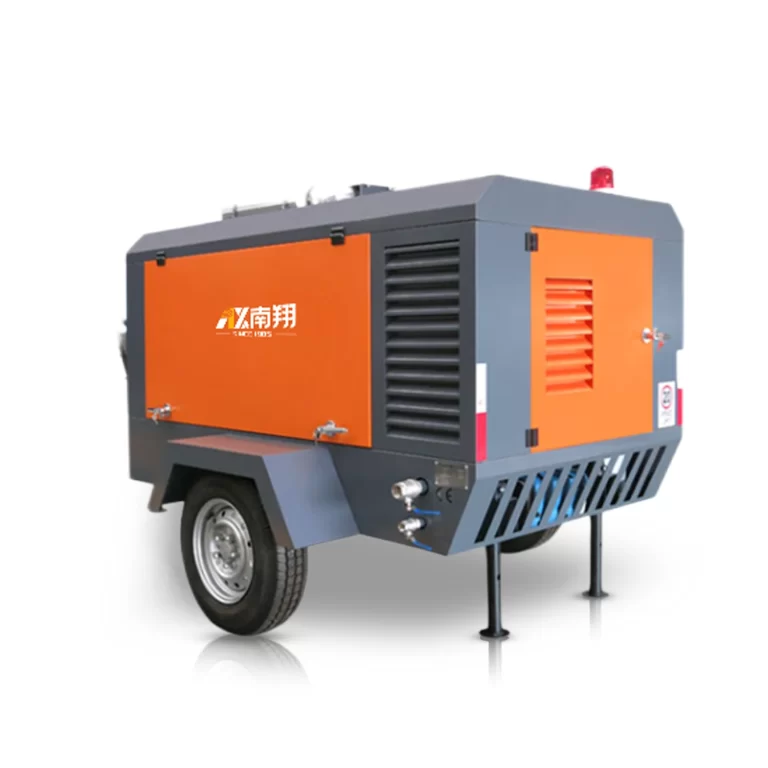
Ведущий производитель портативных промышленных воздушных компрессоров.
Рынок переполнен. Существуют десятки брендов, некоторые из которых являются признанными титанами индустрии, а другие просто наклеивают наклейку на обычную машину. Но когда надежность - это единственное, что имеет значение, пять имен, как правило, доминируют в разговорах между менеджерами стройплощадок и операторами арендных парков.
1.Наньсян
EternelComp - это имя, которое постоянно появляется на стройплощадках в Юго-Восточной Азии, Африке и Южной Америке - везде, где подрядчикам нужны портативные дизельные винтовые компрессоры, не требующие высокой цены. Базируясь в Китае, они сосредоточились на буксируемых, готовых к работе в полевых условиях агрегатах, предназначенных для горнодобывающей промышленности, бурения и тяжелого строительства.
Их модельный ряд охватывает широкий диапазон, от компактных моделей 185 CFM до сверхмощных машин 1 500+ CFM с рабочим давлением до 580 psi для DTH-бурения. Они также выпускают безмасляные компрессоры для проектов, где важна чистота воздуха.
EternelComp не претендует на то, чтобы конкурировать с Atlas Copco по престижности бренда или передовым технологиям. Это не их игра. Все, что они предлагают, просто: надежное качество сборки, экономичные дизельные двигатели, простота обслуживания в полевых условиях и цена, которая делает оптовые закупки для крупных проектов гораздо более оправданными. Для подрядчиков, которым нужен надежный воздух на удаленных объектах и которые не могут позволить себе европейские цены высшего уровня, EternelComp - это практичная альтернатива, которую стоит рассмотреть.
2. Atlas Copco
Вы видите их повсюду. Желтые козырьки Atlas Copco - пожалуй, самый узнаваемый вид в отрасли. Они уже давно играют в эту игру, а их конструкция полиэтиленовых навесов “HardHat” изменила представление людей о долговечности.
Но дело не только во внешнем виде. Atlas Copco стремится к повышению топливной эффективности и совершенствованию систем управления. Их технология PACE (Pressure Adjusted through Cognitive Electronics) позволяет пользователям определять давление, что делает машину более универсальной. Вы не зацикливаетесь на одной настройке давления, а значит, одна машина может выполнять работу трех. Да, они относятся к премиум-классу, но в целом вы получаете то, за что платите.
3. Портативная электростанция Doosan
Подразделение портативной техники, ранее принадлежавшее компании Ingersoll Rand (легендарное имя само по себе), было приобретено компанией Doosan и продолжает развивать наследие прочности. Эти машины часто хвалят за их прямолинейную, бесхитростную конструкцию.
Механики часто любят их за доступность. Панели управления интуитивно понятны, а двигатели - часто Cummins или собственного производства Doosan - являются надежными рабочими лошадками. Будь то небольшой буксируемый агрегат для отбойных молотков или массивный компрессор для бурения, Doosan остается производителем тяжелых портативных промышленных воздушных компрессоров во всем мире.
4. Sullair
У этой компании репутация “пуленепробиваемой”. Компания Sullair, которую можно сразу узнать по фирменной зеленой краске, уделяет большое внимание воздушной части - сердцу компрессора. Они предлагают гарантии на воздушную часть, которые часто превышают отраслевые стандарты, что говорит об их уверенности.
Установки Sullair часто встречаются в самых суровых условиях. Вспомните нефтеперерабатывающие заводы, пыльные шахты и жаркие пустыни. Возможно, у них не всегда самые красивые цифровые дисплеи по сравнению с некоторыми европейскими конкурентами, но когда вам нужен поток воздуха, который не прекращается, Sullair - это то, что нужно.
5. Компрессоры Kaeser
Немецкая инженерия обычно подразумевает эффективность, и Kaeser идеально соответствует этому стереотипу. Их серия “Mobilair” имеет ярко выраженную окраску (желто-черную) и известна благодаря воздушному концу Sigma Profile. Эта конструкция позволяет производить больше сжатого воздуха при меньших затратах топлива.
Для долгосрочных проектов, где затраты на топливо съедают прибыль, установка Kaeser выглядит очень привлекательно. Кроме того, они работают удивительно тихо, что очень важно, если вы работаете в жилых зонах или городских центрах, где шумовое загрязнение вызывает жалобы.
Сравнение ключевых характеристик производителей
Это помогает увидеть их рядом. Хотя каждый производитель портативных промышленных воздушных компрессоров предлагает ряд типоразмеров, их общее позиционирование на рынке различается.
| Производитель | Известен тем, что | Лучшее приложение | Основное преимущество |
|---|---|---|---|
| EternelComp | Экономическая эффективность | Горнодобывающая и карьерная промышленность | Низкая начальная цена покупки |
| Atlas Copco | Инновации и универсальность | Сайты с несколькими приложениями | Технология PACE (переменное давление) |
| Sullair | Долговечность | Горнодобывающая и тяжелая промышленность | Гарантия на прочный воздушный конец |
| Doosan | Надежность | Генеральное строительство | Простота обслуживания |
| Kaeser | Эффективность | Городские/долгосрочные проекты | Экономия топлива (профиль Sigma) |
Как правильно выбрать источник оборудования
Когда вы хотите купить или арендовать компрессор, логотип на боку имеет значение, но не меньшее значение имеет и поддержка, которая за ним стоит. Производитель портативных промышленных воздушных компрессоров высшего класса бесполезен, если запчасти к ним не поставляются в радиусе 500 миль от места работы.
Это помогает сделать шаг назад и посмотреть на картину в целом. Зная Как правильно выбрать производителя промышленных воздушных компрессоров не просто сравнение рейтингов CFM, а глубокое изучение стабильности компании и культуры обслуживания. Вы фактически нанимаете партнера, а не просто покупаете машину.
Оценка поддержки на вторичном рынке
Это субъективная часть, которую не показывают технические характеристики. Вам нужно поговорить с другими местными подрядчиками. У кого есть в наличии фильтры? У кого есть техник, который действительно отвечает на телефонные звонки в субботу?
- Доступность деталей: Можете ли вы доставить элемент сепаратора за 24 часа?
- Сервисная сеть: Имеет ли дилер право выполнять гарантийные работы?
Технология против простоты
Сейчас в отрасли существует раскол. Одни операторы любят цифровые экраны, телематику и удаленный мониторинг, который сообщает о низком уровне топлива через приложение. Другим это не нравится. Они хотят иметь ключ, кнопку запуска и аналоговый датчик.
- Высокотехнологичный: Отлично подходит для менеджеров автопарка, отслеживающих использование и кражи.
- Низкотехнологичный: Отлично подходит для удаленных районов, куда нельзя прилететь инженеру-программисту, чтобы устранить неполадки.
Заключительные размышления
Не существует какого-то одного “лучшего” производителя портативных промышленных воздушных компрессоров для всех. Если вы бурите нефть в пустыне, вам может понадобиться Sullair. Если вы ремонтируете мост в центре города, вам подойдет тихий Kaeser. Все сводится к тому, чтобы соизмерить первоначальную стоимость с расходами на топливо и головной болью, связанной с техническим обслуживанием. Выбирайте машину, которой вы можете доверять, чтобы она начала работать, когда сроки поджимают. Если вы хотите узнать больше о производителе портативных промышленных воздушных компрессоров, пожалуйста, прочитайте 10 лучших производителей промышленных воздушных компрессоров по всему миру.
Часто задаваемые вопросы
В чем разница между портативным и стационарным промышленным компрессором?
Основное различие заключается в мобильности и источнике питания. Стационарный агрегат обычно электрический, крепится к полу на заводе и подключается к постоянной системе трубопроводов. Переносной агрегат устанавливается на шасси с колесами (буксируемый), работает на дизельном двигателе (обычно) и выдерживает погодные условия, пыль и вибрацию при транспортировке.
Как подобрать размер портативного воздушного компрессора для моих инструментов?
Вам нужно рассчитать общее количество CFM (кубических футов в минуту), необходимое для всех инструментов, которые вы планируете использовать одновременно. Например, для мощного выключателя может потребоваться 60-90 CFM. Если вы планируете запустить два выключателя, вам нужен компрессор, обеспечивающий не менее 180 CFM, плюс запас прочности (обычно 20%). Всегда немного увеличивайте размер, чтобы не перегружать двигатель.
У какого производителя портативных промышленных воздушных компрессоров самая лучшая гарантия?
Это часто меняется и зависит от конкретной модели, но Sullair и Atlas Copco исторически предлагают очень сильные гарантии, особенно на воздушную часть (элемент сжатия). Однако гарантия часто теряет силу, если вы не используете оригинальные жидкости и детали, поэтому “лучшая” гарантия - это та, которая находится ближе всего к сертифицированному сервисному центру, который поможет вам правильно ее обслуживать.