
Пройдитесь по любой больнице - операционным, стоматологическим клиникам, отделениям интенсивной терапии, фармацевтическим лабораториям - и где-то за стенами или в специальном подсобном помещении тихо работает воздушный компрессор. Сжатый воздух в медицинских учреждениях не похож на тот, что подается в автомастерские или на строительные площадки. Им дышат пациенты, он подается в аппараты искусственной вентиляции легких и используется для приведения в движение хирургических инструментов. Речь идет буквально о жизни и смерти.
Как же правильно выбрать воздушный компрессор для медицины использовать? Этот вопрос ставит в тупик команды по закупкам, инженеров больниц и даже опытных специалистов по биомедицинскому оборудованию - в основном потому, что критерии более тонкие, чем люди думают. В этом руководстве мы разберем, что имеет значение, а что нет.
Обзор рынка: Почему этот сектор быстро растет
Прежде чем перейти к критериям выбора, необходимо понять, насколько значительным стал этот рынок. За последнее десятилетие мировой сегмент медицинских воздушных компрессоров значительно расширился, что было обусловлено старением населения, ростом числа хронических респираторных заболеваний и быстрым развитием инфраструктуры здравоохранения - особенно в Азиатско-Тихоокеанском регионе.
В настоящее время лидирует Северная Америка, на которую в 2024 году придется около 38% глобальной доли рынка - благодаря хорошо развитой инфраструктуре здравоохранения и строгому соблюдению нормативных требований. На Европу приходится около 30%, в то время как Азиатско-Тихоокеанский регион, оцениваемый примерно в $464 миллиона в 2024 году, по прогнозам, будет расти самыми быстрыми темпами в 7,1%, что обусловлено быстрым расширением больничных сетей в Китае, Индии и Японии.
Спрос растет не только за счет увеличения численности населения. Рост числа диагнозов ХОБЛ и астмы во всем мире означает увеличение количества используемого оборудования для респираторной терапии. Увеличение количества оборудования означает увеличение потребности в сжатом воздухе - и потребность в компрессорах, отвечающих строгим медицинским стандартам.
Почему медицинские воздушные компрессоры отличаются от промышленных
Именно здесь многие покупатели ошибаются. Промышленный воздушный компрессор и воздушный компрессор медицинского класса могут выглядеть одинаково в спецификации. Но функционально - и с точки зрения соответствия - они не могут быть более разными.
Медицинский сжатый воздух во многих нормативных документах технически является лекарственным средством. Его вводят пациентам. Это означает, что загрязнение маслом, влагой или частицами - это не просто проблема оборудования, это проблема безопасности пациента. Воздушный компрессор для медицинских учреждений должен подавать воздух, который:
- Полностью Безмасляный воздушный компрессор (компрессоры без смазки в системах с прямым контактом с пациентом)
- Сухой - Влага в трубопроводах размножает бактерии и повреждает пневматические инструменты
- Отфильтрованный из твердые частицы до очень маленьких микронных уровней
- Последовательный в давление и расход - недопустимы перерывы в работе хирургических инструментов или аппаратов искусственной вентиляции легких
- Соответствует таким стандартам, как ISO 8573-1, NFPA 99, HTM 02-01, или ISO 7396-1 в зависимости от страны
Компрессор с масляным впрыском, оснащенный фильтрами на выходе, иногда рекламируется как "технически безмасляный". Это не как настоящий безмасляный компрессор. Фильтры могут выйти из строя, и даже незначительное загрязнение маслом воздуха, находящегося в контакте с пациентом, может нанести серьезный вред. Для непосредственного использования в медицине подходящим стандартом является истинный класс 0 или безмасляная технология.
Понятие о классах качества воздуха ISO 8573-1
Стандарт ISO 8573-1, разработанный Международной организацией по стандартизации, является мировым эталоном чистоты сжатого воздуха. Он классифицирует воздух по трем категориям загрязнения: твердые частицы, содержание воды (точка росы под давлением) и содержание масла. Для медицинского применения соответствующие классы обычно соответствуют классу 1, но для непосредственного ухода за пациентами настоятельно рекомендуется класс 0.
| Класс ISO | Содержание масла (мг/м³) | Типовое применение | Подходит для медицины? |
|---|---|---|---|
| Класс 0 | < 0,01 (по определению производителя) | Хирургические кабинеты, отделения интенсивной терапии, фармацевтические | ✅ Да - высший стандарт |
| Класс 1 | ≤ 0,01 мг/м³ | Здравоохранение, продукты питания и напитки | ✅ Да - минимально допустимый |
| Занятие 2-3 | 0,1-1 мг/м³ | Химические заводы, пищевая промышленность | ⚠ Ограниченное использование / только для непациентов |
| 4-5 класс | До 5+ мг/м³ | Общепромышленные (автомобилестроение, металлообработка) | ❌ Не подходит |
Стоит отметить, что класс 0 не означает отсутствие загрязнений в буквальном смысле - это означает, что компрессор соответствует или превосходит наиболее строгие требования к чистоте, согласованные между производителем и покупателем. На практике спиральные компрессоры и безмасляные винтовые модели таких известных производителей, как Atlas Copco, Powerex и JUN-AIR, часто имеют сертификат класса 0.
Типы воздушных компрессоров, используемых в медицинских учреждениях
Различные медицинские учреждения имеют разные потребности. Требования операционной не похожи на требования стоматологической клиники, а также отличаются от требований крупного фармацевтического производства. Вот практический обзор типов компрессоров, с которыми вы можете столкнуться.
Спиральные компрессоры
Они стали, пожалуй, доминирующей технологией в современных медицинских учреждениях, особенно в больницах. Они работают с помощью двух взаимосвязанных спиральных спиралей - неподвижной и вращающейся, - которые постепенно сжимают воздух по направлению к центральному выпускному отверстию. В камере сжатия нет масла, поршни не бьют молотком, а движущихся частей очень мало.
Самые большие преимущества для медицинских учреждений? Уровень шума до 48 дБА (примерно библиотечная тишина), действительно безмасляное сжатие и возможность “собрать” несколько небольших агрегатов вместе для резервирования - требование для условий критической помощи, где отказ одного компрессора невозможен. Современные больничные системы все чаще отдают предпочтение модульным спиральным установкам, а не одному большому дорогостоящему центральному блоку.
Ротационные винтовые компрессоры (безмасляные варианты)
Безмасляные винтовые компрессоры В них используются точно рассчитанные по времени лепестки ротора с жесткими допусками, что исключает необходимость использования масла в тракте сжатия. Они являются правильным выбором, когда предприятию требуется непрерывный поток воздуха большой интенсивности - крупные больницы, заводы медицинских газов, фармацевтические производства. Они плавно справляются с рабочими циклами 100%, выделяют меньше тепла, чем поршневые типы, и поддерживают стабильную производительность даже в сложных условиях.
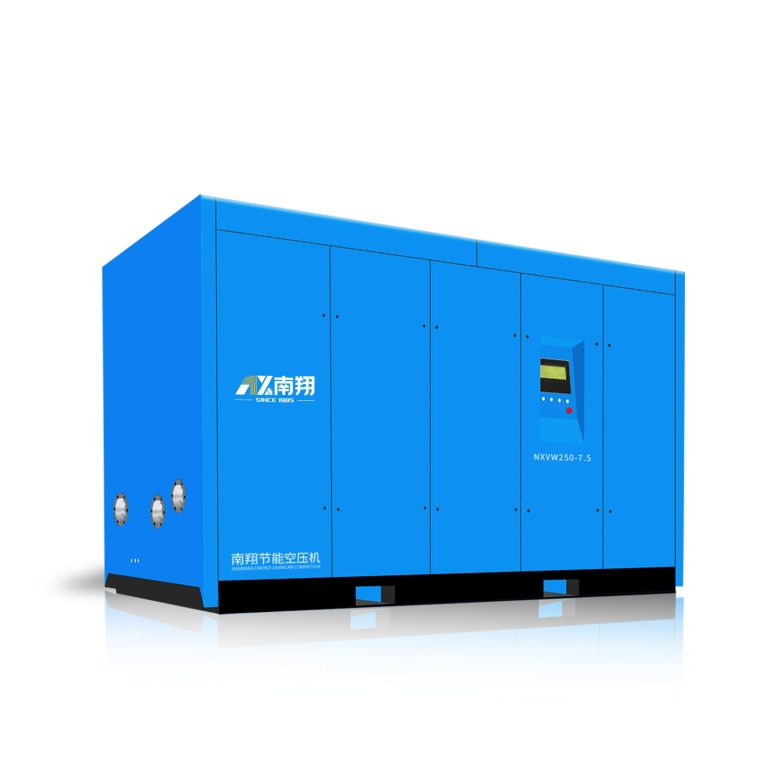
Компромисс заключается в стоимости - как первоначальной, так и технического обслуживания, которое требует привлечения специализированных специалистов. Кроме того, они громче спиральных компрессоров и обычно нуждаются в специальных вентилируемых помещениях с соответствующим фундаментом. Для большинства небольших клиник или стоматологических кабинетов они излишни.
Рециркуляционные (поршневые) компрессоры
Самая старая технология в этой группе, но до сих пор используется в некоторых медицинских учреждениях - особенно в системах высокого давления и небольших установках с периодическим спросом. Они относительно доступны в приобретении и обслуживании, а также существуют безмасляные поршневые варианты. Однако у них есть существенные недостатки: они шумные, выделяют много тепла и не очень хорошо подходят для непрерывных рабочих циклов. В больничных условиях, где важны низкий уровень вибрации и бесшумная работа, поршневые компрессоры в основном уступили место спиральным технологиям.
Мембранные компрессоры
Нишевый вариант, но полезный для специфических лабораторных или фармацевтических применений, где критически важен абсолютный контроль загрязнения. В них используется гибкая мембрана для сжатия воздуха, что означает отсутствие контакта между воздухом и механическими компонентами. Объем выпускаемой продукции относительно невелик, поэтому они не подходят для систем медицинского воздуха в масштабах всего предприятия, но для целевых применений, таких как газовая хроматография или специальные аналитические приборы, они действительно превосходны.
Основные критерии выбора медицинского воздушного компрессора
Выбор подходящего воздушного компрессора для медицинского учреждения включает в себя работу с несколькими уровнями критериев, расположенных примерно в таком порядке:
1. Соблюдение нормативных требований прежде всего
Прежде чем оценивать другие спецификации, проверьте, какие стандарты действуют в вашем регионе. В США, NFPA 99 Код для медицинских учреждений регулирует медицинские газовые и вакуумные системы, включая медицинский воздух. В Великобритании и большей части Европы, HTM 02-01 (Технические меморандумы по здравоохранению) и ISO 7396-1 применять. Эти требования не являются факультативными - несоответствующие системы могут привести к проблемам с аккредитацией учреждения и, что еще важнее, к нанесению вреда пациентам.
2. Безмасляная технология - обязательное условие для контакта с пациентом
Если сжатый воздух будет использоваться вблизи пациентов - дыхательная терапия, аппараты искусственной вентиляции легких, хирургические инструменты, анестезиологическое оборудование, - компрессор должен быть безмасляным. Исключительно без масла. Не фильтрованный, не “технически” безмасляный. Система должна иметь сертификат ISO 8573-1 класса 1 как минимум, а класс 0 предпочтительнее для любого применения в критических ситуациях.
3. Требования к производительности и давлению воздуха
Все сводится к знанию своей нагрузки. Небольшая стоматологическая клиника и больница на 500 коек - это совершенно разные сценарии. Рассмотрим:
- Общее количество одновременные пользователи (розетки, устройства)
- Периоды пикового спроса по сравнению со средней нагрузкой
- Требуемое рабочее давление (обычно 4-7 бар для медицинских применений)
- Нужна ли система резервирование - в большинстве медицинских учреждений
4. Уровень шума
Комфорт пациентов и концентрация персонала - вполне оправданные требования. Спиральные компрессоры, как уже отмечалось, могут работать на уровне 48-55 дБА - достаточно тихо для установки внутри помещений вблизи клинических зон. Винтовые и поршневые компрессоры обычно работают громче и могут потребовать шумопоглощающих кожухов или удаленного размещения. При оценке систем запрашивайте данные о шуме при полной нагрузке, а не только при минимальных настройках.
5. Избыточность и надежность
Установка с одним компрессором практически никогда не допустима в условиях больницы. NFPA 99 и большинство аналогичных международных стандартов требуют, чтобы системы подачи медицинского воздуха включали резервные мощности, достаточные для поддержания работы в случае выхода из строя одного компрессора. По этой причине стандартным подходом стало использование нескольких спиральных компрессоров - так, чтобы система могла потерять один из них и продолжать работу без перебоев.
6. Техническое обслуживание и работоспособность
Безмасляные спиральные компрессоры, как правило, выигрывают в этом случае - меньше деталей, проще интервалы обслуживания, не требуется замена масла. Винтовые компрессоры, несмотря на свою надежность, требуют привлечения специалистов. Поршневые компрессоры - самые простые в обслуживании, но самые трудоемкие в обслуживании. Учитывайте общую стоимость владения, а не только цену приобретения.
Типы компрессоров с первого взгляда: Матрица применения в медицине
| Тип компрессора | Уровень шума | Безмасляный вариант | Лучше всего подходит для | Цикл работы |
|---|---|---|---|---|
| Прокрутка (без масла) | 48-55 дБА | ✅ По своей сути | Больницы, клиники, стоматологии, отделения интенсивной терапии | 100% непрерывный |
| Вращающийся винт (без масла) | 65-75 дБА | ✅ В наличии | Крупные больницы, фармацевтические заводы | 100% непрерывный |
| Поршневые / поршневые | 75-90 дБА | ⚠ Ограниченные модели | Небольшие клиники, портативные установки | 20-50% прерывистый |
| Мембрана | 55-65 дБА | ✅ По своей сути | Лабораторные приборы, фармацевтический анализ | Только низкая громкость |
| Центробежный (безмасляный) | 70-80 дБА | ✅ По своей сути | Крупнотоннажный промышленный медицинский газ | Высокая громкость, непрерывность |
Особые соображения в зависимости от медицинского учреждения
Больницы и крупные медицинские центры
Централизованные системы подачи медицинского воздуха с несколькими безмасляными спиральными или винтовыми компрессорами, поддерживаемые требованиями к резервированию в соответствии с NFPA 99 или ISO 7396-1, являются стандартом. В системы должны быть интегрированы функции мониторинга и сигнализации в режиме реального времени - все чаще в новых проектах строительства медицинских учреждений указываются компрессоры с поддержкой IoT и возможностями прогнозируемого обслуживания.
Стоматологические клиники
Стоматологические воздушные компрессоры должны быть безмасляными (ведь аэрозоли направляются в рот пациентам), достаточно тихими для небольших кабинетов и компактными. Качество воздуха здесь имеет огромное значение - воздух используется не только для инструментов, но и непосредственно для сушки и очистки поверхностей зубов. Типичными являются безмасляные спиральные или небольшие поршневые безмасляные аппараты; системы должны включать осушители воздуха, чтобы влага не повредила турбины и наконечники.
Фармацевтическое производство
Возможно, самое требовательное применение из всех. Обычно требуется соответствие стандартам ISO 8573-1 класса 0 или класса 1, а соответствие требованиям GMP (надлежащей производственной практики) добавляет еще один уровень требований к документации, валидации и аудиту. Сжатый воздух в фармацевтике непосредственно соприкасается с продукцией - покрытие таблеток, продувка бутылок, герметизация блистерных упаковок. Загрязнение здесь означает отзыв продукции. Доминируют безмасляные винтовые и спиральные системы, часто с полным пакетом валидационной документации.
Лаборатории
Аналитические приборы часто имеют очень специфические требования к давлению и чистоте воздуха, которые отличаются от общебольничных. Обычно используются мембранные компрессоры и небольшие безмасляные спиральные агрегаты. Управление влажностью особенно важно - многие лабораторные приборы чувствительны к влажности так, как не чувствительно клиническое оборудование.
Контрольный список для быстрого выбора
Прежде чем совершить покупку, стоит проанализировать этот набор вопросов:
- Какой нормативный стандарт применяется - NFPA 99, HTM 02-01, ISO 7396-1 или местный эквивалент?
- Будет ли сжатый воздух контактировать с пациентами или использоваться в помещениях, расположенных рядом с пациентами?
- Какова пиковая одновременная потребность (в литрах в минуту или CFM)?
- Какое давление требуется в месте использования?
- Требуется ли объекту резервная мощность компрессора?
- Существуют ли ограничения по шуму в месте установки?
- Какова доступная площадь и электроснабжение?
- Кто будет осуществлять текущее обслуживание - собственные силы или сервисный контракт?
- Требуется ли удаленный мониторинг или интеграция IoT?
- Какова прогнозируемая общая стоимость владения за 10 лет?
Тенденции рынка, о которых стоит знать
| Тренд | Что это значит для покупателей |
|---|---|
| IoT и интеллектуальный мониторинг | Спрос на компрессоры с дистанционной диагностикой в режиме реального времени и предиктивным обслуживанием - снижение риска простоя в критически важных средах |
| Правила энергоэффективности | Компрессоры с переменной скоростью (VSD) становятся стандартом - значительная экономия электроэнергии по сравнению с устройствами с фиксированной скоростью, особенно в больницах с переменным спросом |
| Модульные системы прокрутки | Замена больших одиночных компрессоров на блоки меньших спиралей для лучшего резервирования, более простого обслуживания и масштабируемой производительности |
| Инфраструктурный рост в Азиатско-Тихоокеанском регионе | Самый быстрорастущий региональный рынок (CAGR 7,1%) - стимулирует глобальный спрос на системы медицинского класса и создает проблемы с цепочкой поставок |
| Пост-COVID Инфекционный контроль | Повышенная осведомленность о качестве воздуха в клинических учреждениях способствует полному отказу от компрессоров со смазкой |
Для большинства больничных и клинических систем безмасляные спиральные компрессоры, соответствующие сертификации ISO 8573-1 Class 1 или Class 0, представляют собой оптимальный баланс качества воздуха, шумовых характеристик, надежности и общей стоимости владения. Всегда проверяйте региональные нормативные требования (NFPA 99, HTM 02-01 или эквивалентные) перед выбором любой системы.