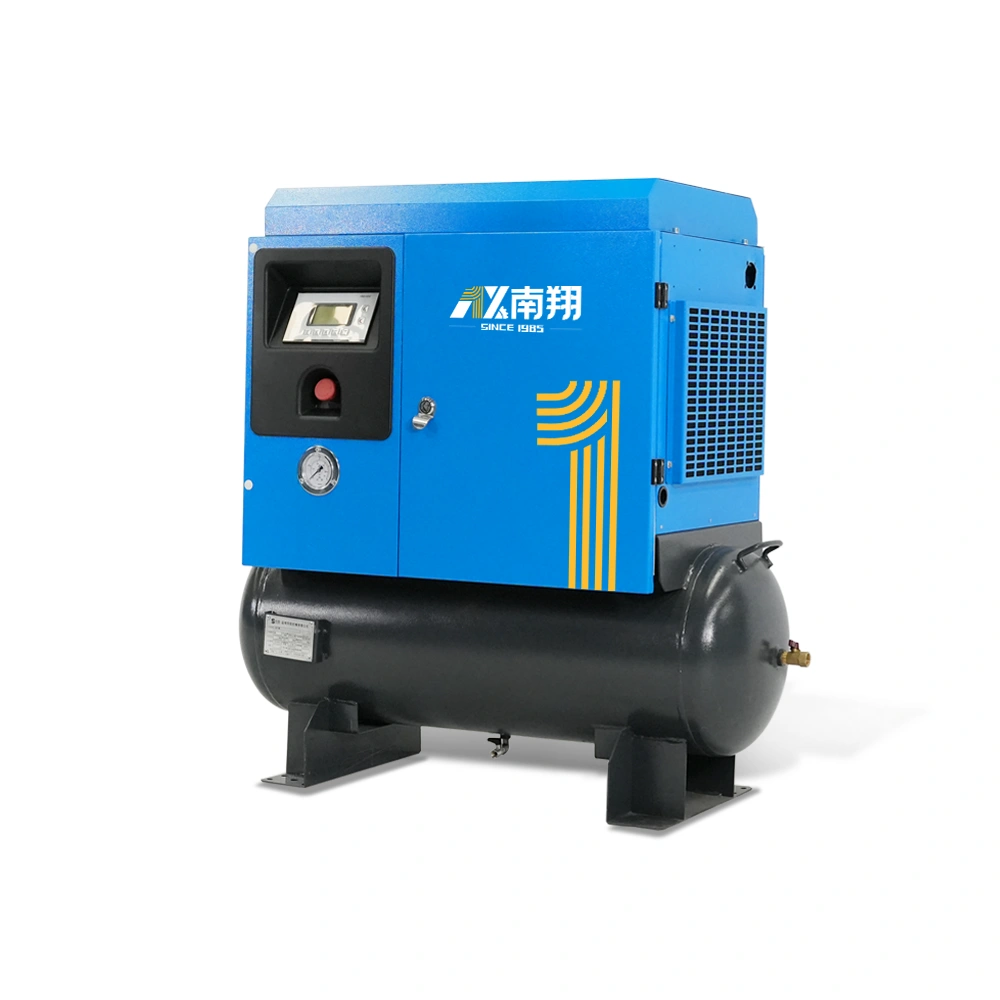
Производство электроники требует точности - и это касается каждого элемента оборудования на производственной линии. На сайте воздушный компрессор для электроники это не просто компрессор. Требования к нему строже, допуски жестче. Неправильный выбор может привести к загрязнению, дефектам продукции или дорогостоящим простоям.
Как же выбрать подходящий вариант? Это не так просто, как выбрать самый дешевый вариант или самый большой бак. Существуют специфические факторы, которые имеют большее значение для электроники, чем, скажем, для автомобильной промышленности или строительства.
Почему производство электроники требует особого внимания
Электронные компоненты очень чувствительны. Пыль, масло, влага - все это может испортить печатную плату или повредить хрупкие детали во время сборки. Стандартный воздушный компрессор может отлично подойти для питания пневматических инструментов в гараже, но он часто не подходит для чистых помещений или прецизионных паяльных станций.
Воздушный компрессор для электроники должен обеспечивать производительность:
- Чистый, сухой воздух (часто без масла)
- Постоянный выход давления
- Низкий уровень шума (особенно в лабораторных условиях)
- Надежная работа в течение длительных смен
Здесь ставки выше. Крошечное количество масляного тумана может вызвать проблемы с адгезией на печатных платах. Влага может вызвать коррозию компонентов еще до того, как они покинут завод.
Ключевые факторы при выборе воздушного компрессора для электроники
Безмасляные и с масляной смазкой
Это, пожалуй, самое важное решение. Компрессоры с масляной смазкой распространены и доступны, но они несут в себе риск - масло может попасть в воздушный поток. Для работы с электроникой безмасляные компрессоры, как правило, более безопасны. Они устраняют опасность загрязнения в самом источнике.
При этом безмасляные модели обычно работают громче и могут иметь меньший срок службы. Это компромисс, который стоит учитывать в зависимости от конкретных условий эксплуатации.
Стандарты качества воздуха
Для различных областей применения требуются разные уровни качества воздуха. ISO 8573-1 - это международный стандарт чистоты сжатого воздуха, охватывающий:
1. Содержание частиц
2. Содержание воды
3. Содержание масла
Для большинства производств электроники рекомендуется качество воздуха класса 1 или 2. Перед покупкой сверьте технические характеристики компрессора с этими стандартами.
Требования к CFM и PSI
CFM (кубические футы в минуту) и PSI (фунты на квадратный дюйм) определяют, сможет ли компрессор справиться с вашей нагрузкой. Для работы с электроникой часто не требуется очень высокое давление, но постоянный поток воздуха имеет значение.
Примерный ориентир:
| Приложение | Типичный CFM | Типичный PSI |
|---|---|---|
| Очистка печатной платы | 2-5 CFM | 30-50 PSI |
| Подборщики и расстановщики | 5-10 CFM | 60-90 PSI |
| Паяльные станции | 1-3 CFM | 20-40 PSI |
| Общая сборка | 5-15 CFM | 70-100 PSI |
Занижение размеров приводит к перепадам давления и нестабильной работе. Завышение размера приводит к потерям энергии и денег.
Уровень шума
Электронные производства, особенно научно-исследовательские лаборатории и испытательные центры, часто нуждаются в более тихом оборудовании. Шум компрессора измеряется в децибелах (дБ). Если вас беспокоит шум, ищите модели с уровнем шума ниже 60 дБ. Некоторые сверхтихие устройства работают на уровне 40-50 дБ, что примерно соответствует разговорному уровню.
Размер резервуара и рабочий цикл
В больших резервуарах хранится больше воздуха, что снижает частоту включения двигателя. Для непрерывной работы больший резервуар (20+ галлонов) помогает поддерживать стабильное давление. Меньшие резервуары отлично подходят для периодического использования.
Рабочий цикл тоже имеет значение. Некоторые компрессоры рассчитаны на рабочий цикл 50%, что означает, что им необходимы периоды отдыха. Для производственных линий, работающих целый день, ищите модели с рабочим циклом 100%.
Дополнительные функции, на которые стоит обратить внимание
Встроенные осушители воздуха или фильтры
- Не требующая особого ухода конструкция
- Цифровые регуляторы давления
- Компактные размеры для ограниченного пространства
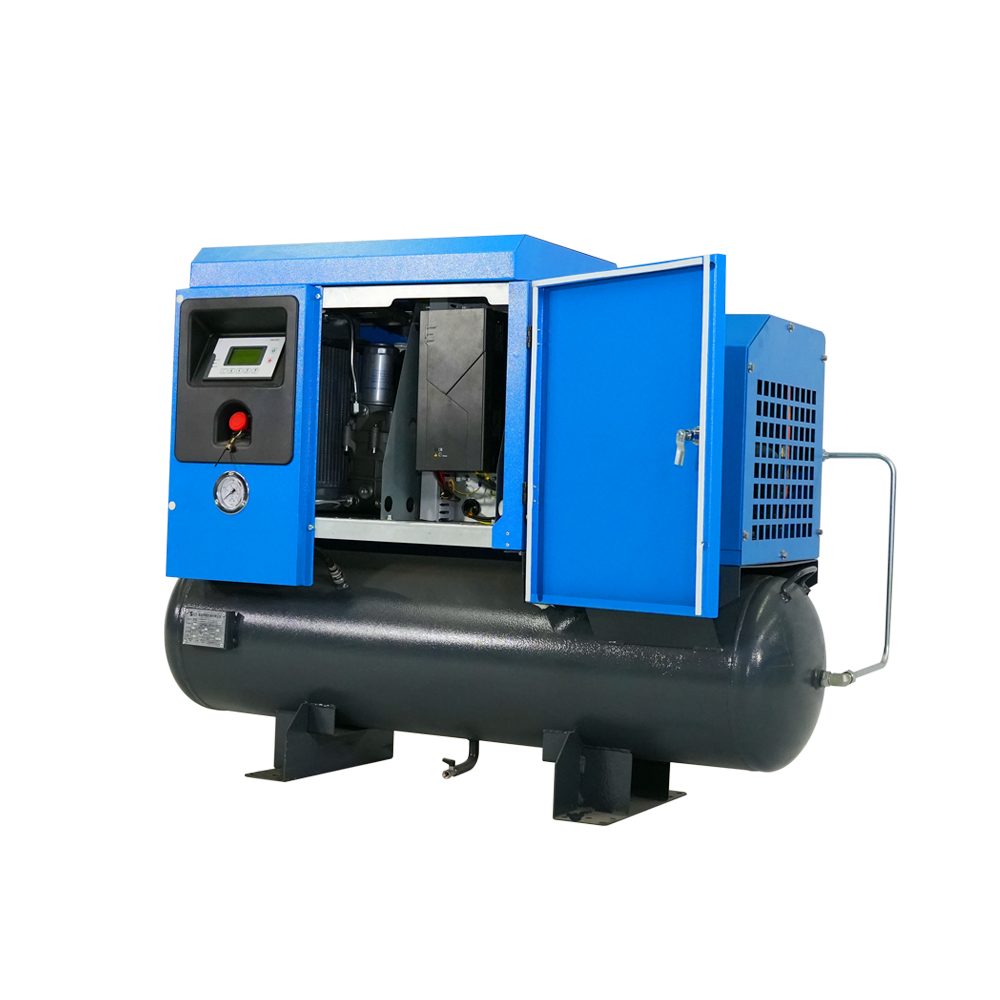
Эти дополнительные приспособления стоят дороже, но могут избавить от головной боли в будущем. Воздушный компрессор для электроники со встроенной системой фильтрации, например, снижает потребность во внешних аксессуарах.
Заключительные размышления
Выбор воздушного компрессора для электроники сводится к пониманию ваших конкретных потребностей - качества воздуха, давления, шума и надежности. Заманчиво сократить расходы, но загрязнение или выход из строя оборудования в долгосрочной перспективе обходятся дороже. Потратьте время на то, чтобы соотнести технические характеристики компрессора с вашими реальными требованиями.
Часто задаваемые вопросы
Можно ли использовать обычный воздушный компрессор для производства электроники?
Как правило, не рекомендуется. В стандартные компрессоры может попасть масло или влага, которые повредят чувствительные компоненты.
Как часто нужно обслуживать воздушный компрессор для электроники?
Следуйте рекомендациям производителя, но, как правило, каждые 500-1000 часов работы проводите проверку фильтров и осмотр.
Всегда ли необходим безмасляный компрессор для электроники?
Не всегда, но это более безопасный выбор. При использовании моделей, смазываемых маслом, необходимо использовать высококачественные системы фильтрации.