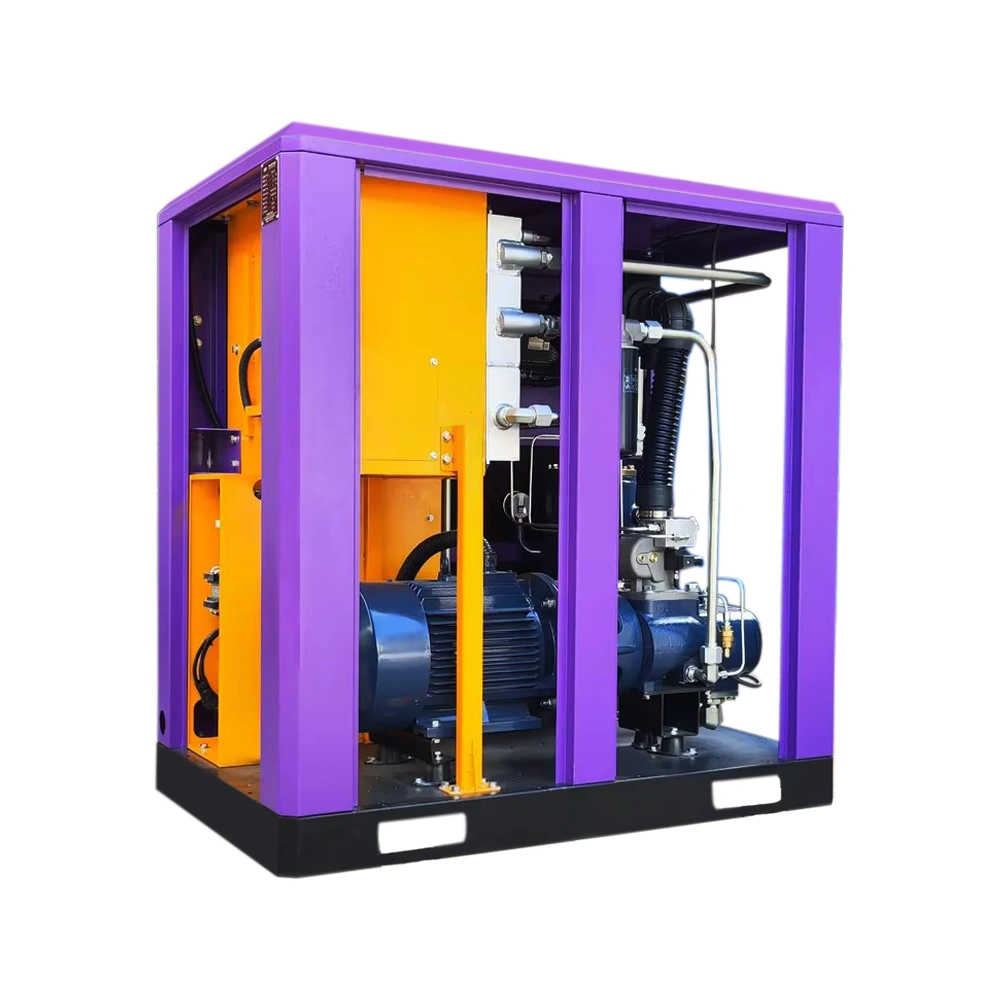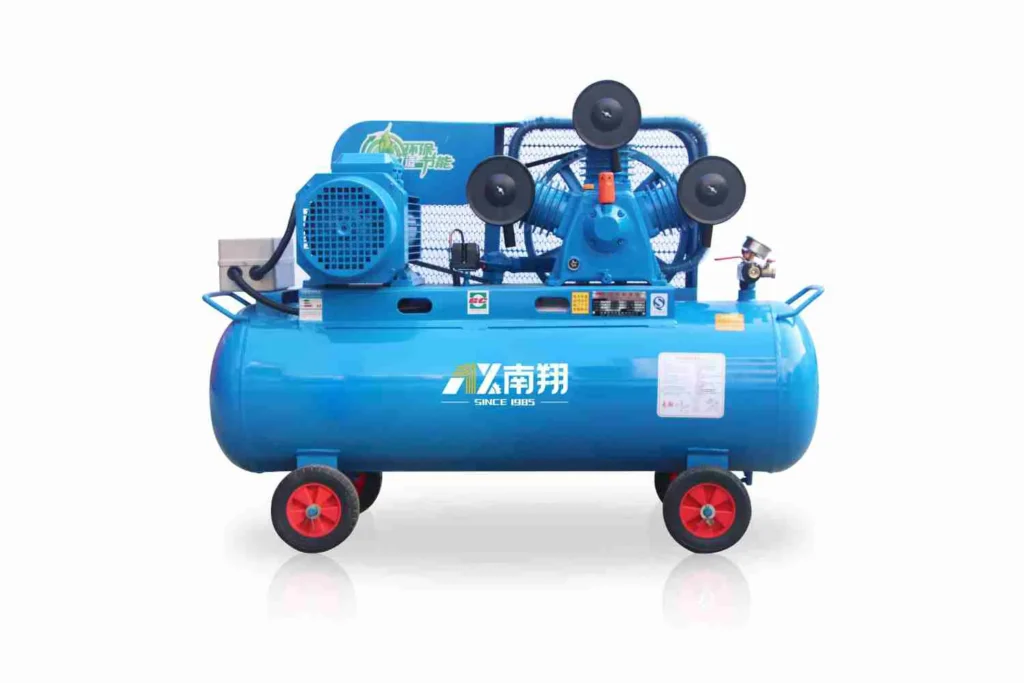
Los compresores de aire son fundamentales en diversas aplicaciones industriales, ya que proporcionan una fuente fiable de aire comprimido. Sin embargo, con el tiempo pueden surgir problemas, como fallos en la pulverización de aceite de la válvula de admisión. En este artículo, analizaremos cómo detectar y resolver eficazmente estos problemas, garantizando un rendimiento óptimo y una larga vida útil para su compresor de aire.
Identificación del fallo de pulverización de aceite en la válvula de admisión
Un fallo de pulverización de aceite de la válvula de admisión se produce cuando el sistema de la válvula de admisión del compresor de aire no impide la entrada de aceite en la cámara de compresión, lo que provoca la pulverización de aceite durante el proceso de compresión. Esto puede provocar una disminución de la calidad del aire, un aumento del consumo de energía y posibles daños en los equipos posteriores.
Para identificar esta avería, preste atención a los siguientes signos:
Restos o residuos de aceite en el sistema de aire comprimido.
Aumento del consumo de aceite del compresor de aire.
Presencia de aceite en el receptor de aire o en el equipo aguas abajo.
Presión y caudal de aire reducidos.
Inspección y resolución de problemas

Para diagnosticar el fallo de pulverización de aceite en la válvula de admisión, siga estos pasos:
Inspección visual:
Inspeccione minuciosamente el sistema de la válvula de admisión para detectar cualquier signo de fuga, como manchas de aceite, racores sueltos o juntas dañadas. Preste especial atención a la propia válvula de admisión, juntas y retenes.
Comprobación del juego de válvulas:
Compruebe que la holgura de las válvulas cumple las especificaciones del fabricante. Una holgura incorrecta de las válvulas puede contribuir a problemas de pulverización de aceite. Ajuste o sustituya las válvulas si es necesario.
Examen del separador de aceite:
Inspeccione el separador de aceite en busca de daños u obstrucciones. Un separador de aceite defectuoso u obstruido puede provocar el arrastre de aceite al sistema de aire comprimido. Limpie o sustituya el separador según sea necesario.
Análisis de la calidad del aceite:
Analice la calidad del aceite lubricante utilizado en el compresor de aire. Asegúrese de que cumple las recomendaciones del fabricante y de que no está contaminado. El aceite contaminado puede contribuir a los fallos de pulverización de aceite.
Soluciones y medidas preventivas
Una vez identificada la avería de pulverización de aceite en la válvula de admisión, aplique las siguientes soluciones:
Sustitución de válvulas:
Si la válvula de admisión está dañada o muestra signos de desgaste, puede ser necesario sustituirla. Consulte las directrices del fabricante o solicite asistencia profesional para garantizar la correcta sustitución de la válvula.
Sustitución de juntas y sellos:
Los retenes y juntas desgastados o dañados pueden contribuir a las fugas de aceite. Sustitúyalos por retenes y juntas nuevos de alta calidad para garantizar un sellado correcto del sistema de válvulas de admisión.
Mantenimiento y limpieza periódicos:
Establezca un programa de mantenimiento rutinario para su compresor de aire. Esto incluye la limpieza periódica del sistema de válvulas de admisión, la inspección de sellos y juntas, y la sustitución de filtros y separadores de acuerdo con las recomendaciones del fabricante.
Controlar el consumo de aceite:
Controle y registre regularmente el consumo de aceite de su compresor de aire. Un aumento repentino del consumo de aceite puede indicar un fallo en el sistema de válvulas de admisión. Una detección a tiempo puede ayudar a evitar daños mayores y costosas reparaciones.

Detectar y resolver los fallos de pulverización de aceite en la válvula de admisión de los compresores de aire es crucial para mantener un rendimiento y una fiabilidad óptimos. Siguiendo los pasos de inspección y localización de averías descritos en este artículo, junto con la aplicación de las soluciones y medidas preventivas recomendadas, podrá garantizar la longevidad y eficiencia del sistema de su compresor de aire. Recuerde consultar las directrices del fabricante y buscar ayuda profesional cuando sea necesario.