
Узнайте, как правильно выбрать портативный промышленный воздушный компрессор, сравнив расход воздуха, давление, источник питания, рабочий цикл и условия эксплуатации.
Выбор портативный промышленный воздушный компрессор это не просто покупка самой большой машины. Во многих реальных ситуациях на стройплощадке “правильный” компрессор - это тот, который может обеспечивать стабильную производительность, выдерживать тяжелые условия работы и сохранять работоспособность без лишних эксплуатационных расходов.
Звучит просто, но на практике многие покупатели по-прежнему уделяют слишком много внимания лошадиным силам, размеру бака или цифре максимального давления, напечатанной на листе продукта. Эти детали, конечно, имеют значение. Но они не всегда говорят о том, сможет ли компрессор действительно работать с вашими инструментами непрерывно, особенно на пыльной строительной площадке, при дорожных работах или в удаленных промышленных условиях.
Выбор лучше начинать с самой работы: какие инструменты будут использоваться, какой объем воздуха им необходим, где будет работать компрессор и как часто он будет перемещаться с одного объекта на другой.
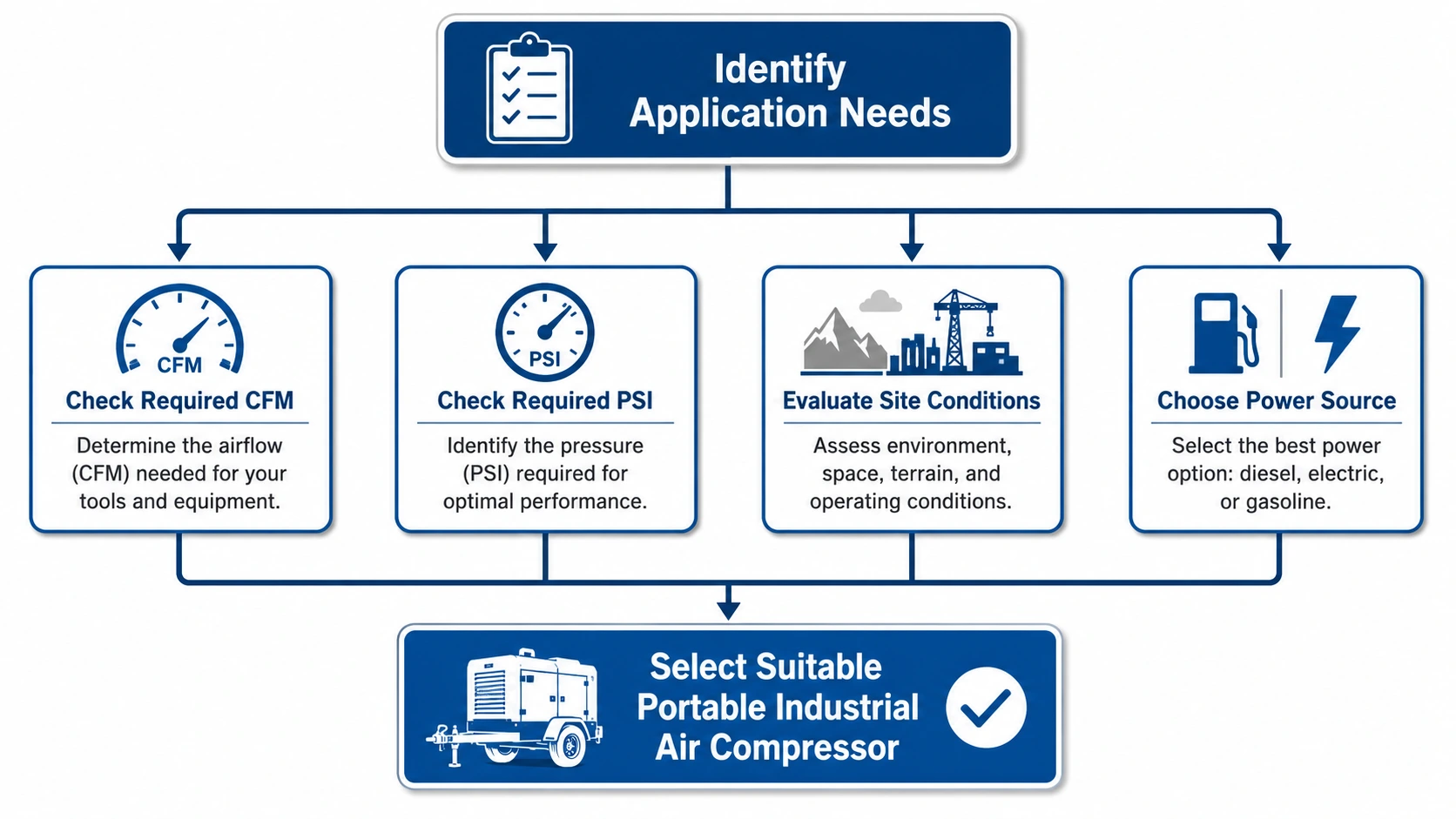
Начните с потребности в воздухе, а не с размера машины
Первое, что необходимо проверить, - это потребность в воздухе. В промышленных условиях это обычно означает, что нужно посмотреть на два числа: CFM и PSI.
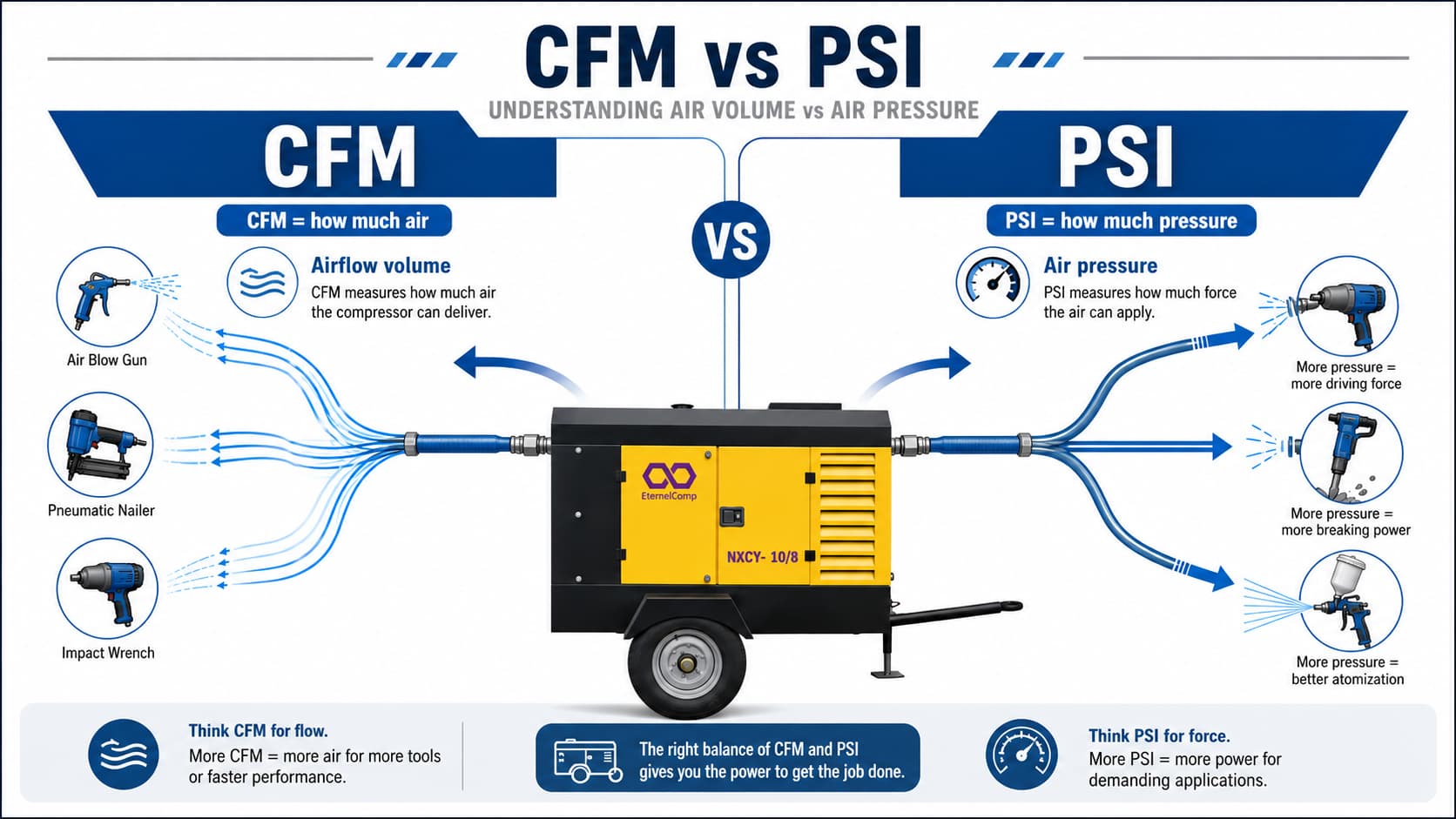
CFM, или кубический фут в минуту, говорит о том, сколько воздуха может выдать компрессор. PSI, или фунты на квадратный дюйм, показывают уровень давления. При выборе компрессора расход воздуха и давление должны стоять на первом месте, так как мощность больше зависит от требуемой производительности, а не является отправной точкой для выбора.
Понять CFM
CFM - это число, которое часто вызывает наибольшую путаницу. Инструмент может нуждаться в 90 PSI, но если он также требует высокого CFM, компрессор с достаточным давлением, но низким расходом воздуха все равно будет работать плохо.
Например, пневматическая дрель, отбойный молоток, шлифовальная машина или пескоструйная система могут нуждаться в постоянном объеме воздуха. При одновременном использовании нескольких инструментов компрессор должен обеспечивать их совместную работу.
Простой расчет выглядит следующим образом:
- Перечислите все пневматические инструменты или оборудование.
- Проверьте требуемый CFM для каждого инструмента.
- Определите, какие инструменты могут работать одновременно.
- Добавьте запас прочности на случай утечек, падения давления и будущего расширения.
Во многих случаях добавление запаса примерно в 20-30% является практичным. Это предотвращает работу компрессора на пределе в течение всего дня, что может снизить нагрузку на машину.
Проверьте рабочее давление
PSI по-прежнему важен, но его следует понимать правильно. Компрессор должен соответствовать рабочему давлению, требуемому для ваших инструментов, а не просто показывать высокое максимальное давление на бумаге.
Агрегат с очень высоким давлением, но недостаточным расходом воздуха может оказаться неправильным выбором. С другой стороны, выбор давления, значительно превышающего требуемое для работы, может увеличить расход топлива и нагрузку на систему, не принося реальной пользы.
Подберите компрессор в соответствии с условиями эксплуатации
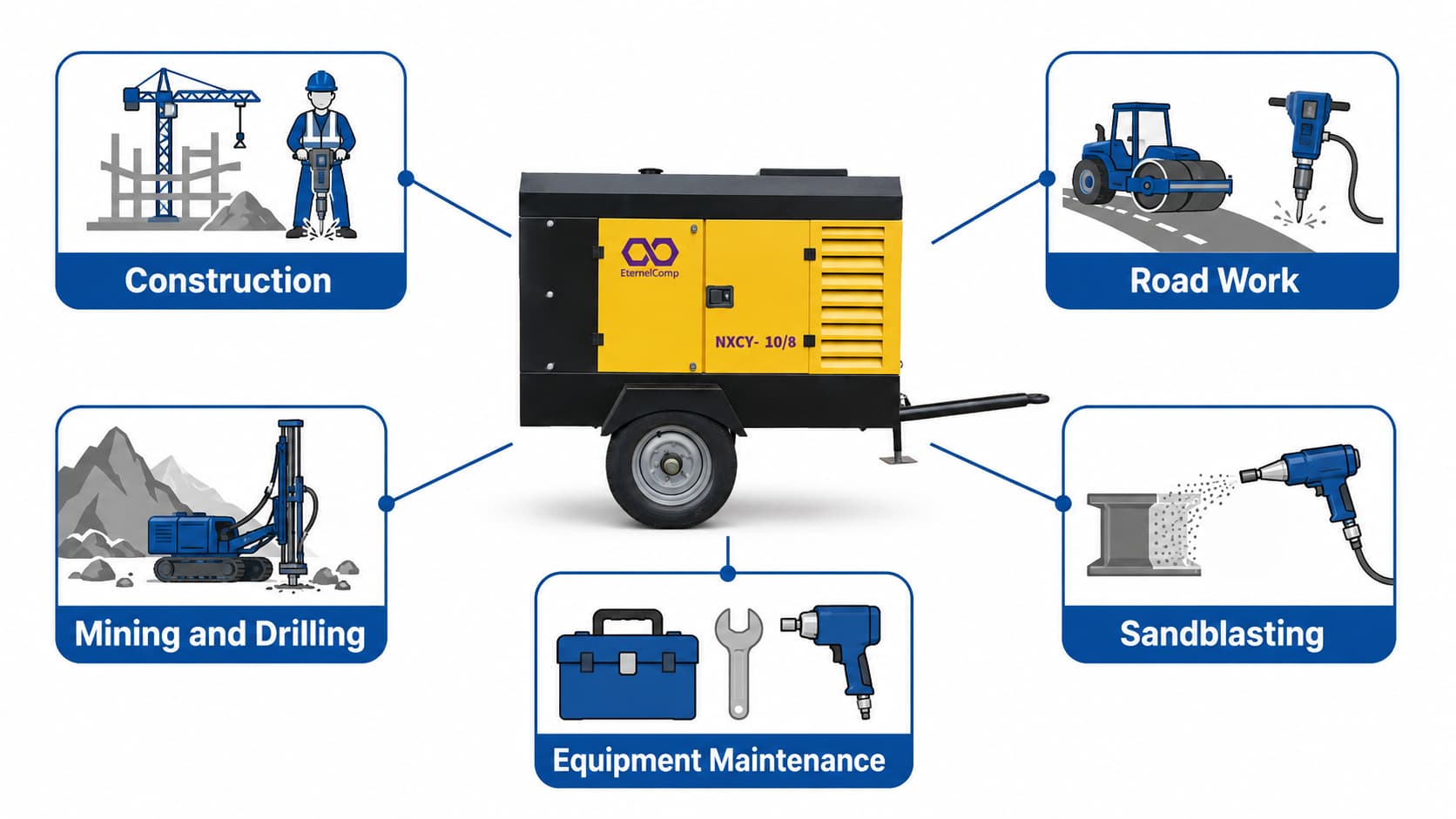
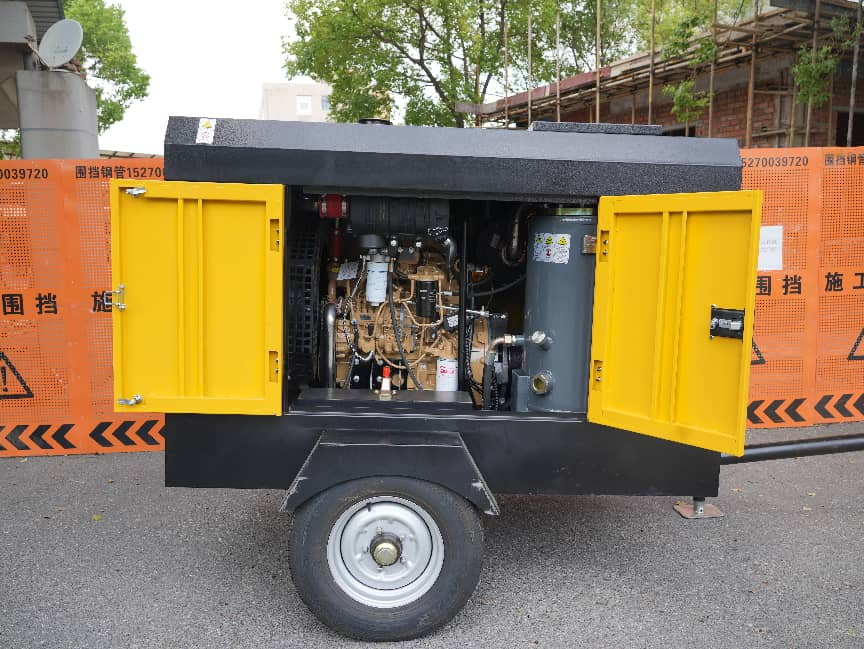
A портативный промышленный воздушный компрессор обычно используется в сложных полевых условиях. В один день он может служить опорой для строительных инструментов, в другой - для дорожно-ремонтного оборудования, а в третий - для работ по подготовке поверхности.
Типичные области применения включают:
- Строительство и ремонт дорог
- Поддержка горных работ и бурения
- Пескоструйная обработка и подготовка поверхности
- Техническое обслуживание верфи
- Ремонт коммуникаций
- Обслуживание тяжелой техники
- Деятельность арендного парка
Для выполнения этих видов работ портативный промышленный воздушный компрессор как правило, должны обеспечивать стабильную производительность, легкую мобильность и надежную работу в изменяющихся условиях площадки.
Здесь также становится очевидной разница между легким компактным компрессором и промышленным портативным компрессором. Небольшой компрессор для мастерской может быть легко перемещаемым, но он не предназначен для непрерывной работы на открытом воздухе с тяжелыми пневматическими инструментами. Промышленные портативные модели обычно имеют более прочную раму, более крупные воздуховоды, более мощные двигатели и более совершенные системы охлаждения.
Основные характеристики для сравнения
Прежде чем выбрать модель, необходимо сравнить технические характеристики на практике. В таблице ниже приведен простой обзор.
| Фактор | Почему это важно | Что проверить |
|---|---|---|
| Расход воздуха / CFM | Определяет, могут ли инструменты работать непрерывно | Суммарная потребность во всех инструментах, используемых одновременно |
| Рабочее давление / PSI | Должны соответствовать требованиям к наибольшему давлению | Номинальное рабочее давление, а не только максимальное |
| Источник питания | Влияет на то, где можно использовать устройство | Дизельные, электрические или другие варианты |
| Цикл работы | Демонстрирует пригодность к длительной работе | Возможность непрерывной работы |
| Система охлаждения | Важно при работе в жарких или пыльных условиях | Размер радиатора, конструкция воздушного потока, вентиляция корпуса |
| Дизайн мобильности | Влияет на транспортировку между рабочими площадками | Тип прицепа, точки подъема, шины, буксировочное оборудование |
| Доступ к обслуживанию | Сокращает время простоя | Доступ к фильтрам, местам замены масла, сервисным панелям |
| Уровень шума | Важны вблизи городских или ограниченных территорий | Звукоизолирующий корпус и рейтинг дБ |
| Очистка воздуха | Влияет на качество воздуха | Доохладитель, влагоотделитель, фильтры |
Такое сравнение более полезно, чем выбор, основанный только на цене. Поначалу более дешевый компрессор может показаться привлекательным, но если он требует большего обслуживания, потребляет больше топлива или не может подавать достаточное количество воздуха, то со временем его фактическая стоимость становится выше.
Учитывайте окружающую среду на рабочей площадке
“Переносной” означает не только то, что у компрессора есть колеса. Для промышленного использования портативность включает в себя то, насколько легко машину можно транспортировать, размещать, эксплуатировать и обслуживать в полевых условиях.
Несколько условий на участке заслуживают особого внимания.
Пыль и грязь
На строительных площадках, в шахтах и на дорожных работах часто бывает много пыли. Пыль может забивать фильтры, снижать эффективность охлаждения и увеличивать износ. Компрессор, используемый в таких местах, должен иметь надежную фильтрацию и легкий доступ к фильтрам.
Температура
Жаркий климат создает дополнительную нагрузку на систему охлаждения. Холодный климат может повлиять на пусковые характеристики, вязкость масла и поведение топлива. Если компрессор будет использоваться на открытом воздухе в течение всего года, перед покупкой следует учесть климатические условия.
Высота
На больших высотах плотность воздуха меняется. Это может повлиять на производительность двигателя и компрессора. При реализации проектов в горных районах или удаленных регионах стоит убедиться, что компрессор способен поддерживать требуемую производительность.
Перемещение между сайтами
Некоторые покупатели нуждаются в прицепном устройстве, которое можно часто буксировать. Другие могут предпочесть конструкцию на салазках для погрузки на грузовик или стационарного размещения в поле. Выбор оптимального варианта зависит от того, как именно будет перемещаться машина во время ежедневной работы.
Не игнорируйте качество воздуха
Сжатый воздух не всегда является чистым воздухом. Во время сжатия влажность, унос масла, пыль и тепло могут повлиять на конечное качество воздуха.
Для некоторых случаев может быть достаточно обычного сжатого воздуха. Для других необходима дополнительная обработка. В глоссарии Kaeser, посвященном подготовке воздуха, в качестве компонентов систем подготовки сжатого воздуха указаны доохладители, сепараторы воздуха/масла, дренажные ловушки, осушители и фильтры.
Качество воздуха становится особенно важным для:
- Окраска распылением
- Прецизионные инструменты
- Воздух для приборов
- Оборудование для производства продуктов питания или упаковки
- Чувствительные пневматические регуляторы
Если в воздухе содержится слишком много воды или масла, это может повредить инструменты, повлиять на качество обработки поверхности или создать проблемы с качеством в процессе работы. Поэтому, выбирая портативный компрессор, стоит также поинтересоваться, нужны ли доохладитель, влагоотделитель или дополнительная система фильтрации.
Подумайте о безопасности и эксплуатации объекта
Промышленный сжатый воздух может быть опасен при неосторожном обращении. Необходимо регулярно проверять шланги, муфты, предохранительные клапаны и ресиверы. OSHA также предоставляет стандарты и рекомендации по безопасности на рабочем месте, связанные со сжатым воздухом и обязанностями по обеспечению безопасности на рабочих местах.
С практической точки зрения, покупателям следует обратить внимание на:
- Номинальное давление в шлангах
- Надежные муфты
- Манометры
- Предохранительные клапаны
- Горячие поверхности
- Направление выхлопа
- Вентиляция вокруг компрессора
- Обучение операторов
Один важный момент: обычный сжатый воздух не должен использоваться в качестве воздуха для дыхания, если он не производится и не обрабатывается системой, предназначенной для этой цели. На рабочих площадках на это иногда не обращают внимания, но это важно.
Обслуживание и долгосрочные затраты
Цена покупки - это только одна часть стоимости. Для промышленный воздушный компрессор, Долгосрочная стоимость часто зависит от расхода топлива, запасных частей, интервалов обслуживания и времени простоя.
Сложный в обслуживании компрессор может терять часы работы каждый раз, когда требуется замена фильтра. Агрегат с низкой доступностью запчастей может простаивать, когда выходит из строя один небольшой компонент. В арендных парках или на строительных объектах с высокой интенсивностью использования время простоя может быстро стать дороже, чем первоначальная разница в цене между двумя машинами.
При сравнении моделей обратите внимание на:
- Расход топлива под нагрузкой
- Периодичность замены масла и фильтров
- Доступность пунктов технического обслуживания
- Бренд двигателя и сеть сервисных центров
- Надежность Airend
- Наличие запасных частей
- Гарантия и техническая поддержка
Несколько более дорогой компрессор с лучшей поддержкой может оказаться более экономичным выбором на протяжении нескольких лет.
Практический контрольный список для покупки
Перед тем как сделать заказ, следует ознакомиться с простым контрольным списком.
- Убедитесь, что в инструментах и оборудовании используется сжатый воздух.
- Рассчитайте общую потребность в CFM для одновременной работы.
- Проверьте требуемое рабочее давление.
- Добавьте реалистичный запас прочности.
- Учитывайте пыль, жару, высоту над уровнем моря и погодные условия.
- Решите, что лучше - дизельное или электрическое топливо.
- Проверьте требования к буксировке, подъему и транспортировке.
- Уточните, нужны ли принадлежности для обработки воздуха.
- Сравните доступ к обслуживанию и поддержку запасными частями.
- Изучите долгосрочные эксплуатационные расходы, а не только цену покупки.
Такой подход может показаться более медленным, чем просто просьба порекомендовать модель, но обычно он приводит к лучшему результату. Промышленное оборудование для сжатого воздуха - это не то, что большинство компаний хотят заменять часто, поэтому вначале стоит провести немного больше проверок.
Заключение
Выбор правильного портативный промышленный воздушный компрессор в основном заключается в подборе машины для конкретной работы. Расход воздуха, давление, источник питания, условия площадки, качество воздуха и техническое обслуживание - все это имеет значение.
Хороший компрессор должен не только отвечать современным требованиям к инструментам. Он также должен выдерживать реальные условия работы, оставлять запас на будущее и быть достаточно простым в обслуживании с течением времени. В конечном счете, лучший выбор - это не всегда самый большой или самый дешевый агрегат. Это тот, который может обеспечить стабильную подачу сжатого воздуха там и тогда, где и когда это необходимо.
Часто задаваемые вопросы
Какой размер портативного промышленного воздушного компрессора мне нужен?
Правильный размер зависит от общего CFM и PSI, необходимых для ваших инструментов. Если несколько пневмоинструментов будут работать одновременно, сложите их потребности в CFM и включите запас прочности. Для тяжелых условий эксплуатации, таких как бурение, пескоструйная обработка или дорожное строительство, обычно лучше выбирать исходя из непрерывной потребности в воздухе, а не только проверять максимальное давление.
Может ли портативный воздушный компрессор работать с несколькими инструментами одновременно?
Да, но только если компрессор обладает достаточной производительностью. Размер шланга, муфты и перепад давления в системе также имеют значение. Даже мощный компрессор может работать плохо, если система подачи воздуха слишком ограничена.
Лучше ли винтовой портативный компрессор, чем поршневой?
Для непрерывного промышленного использования часто предпочитают винтовые переносные компрессоры, поскольку они рассчитаны на стабильную подачу воздуха в течение длительных рабочих периодов. Поршневые компрессоры могут быть полезны при периодической работе, в небольших мастерских или в условиях низкой нагрузки. Выбор лучшего варианта зависит от продолжительности ежедневной работы компрессора и требований к пневматическим инструментам.