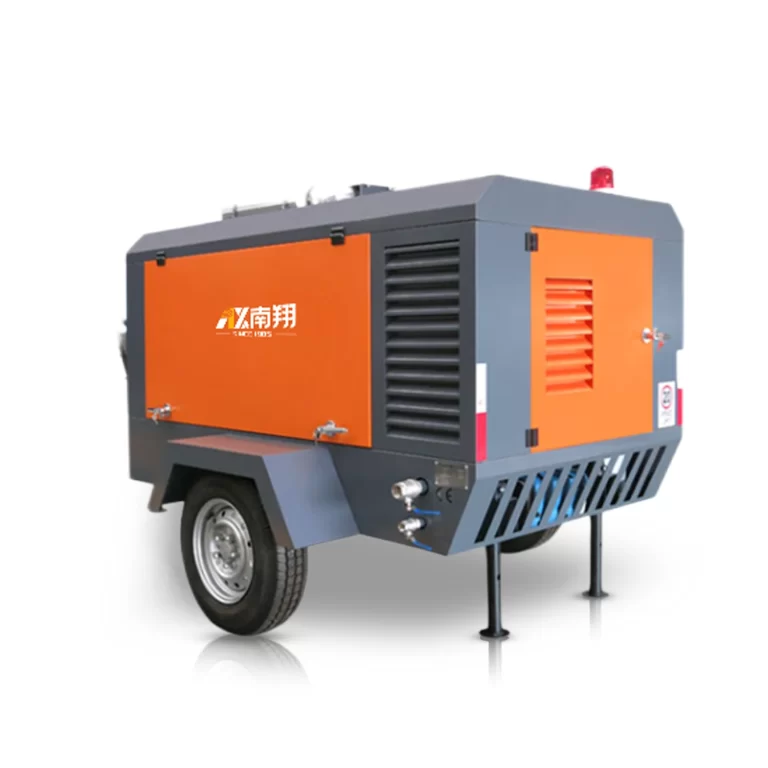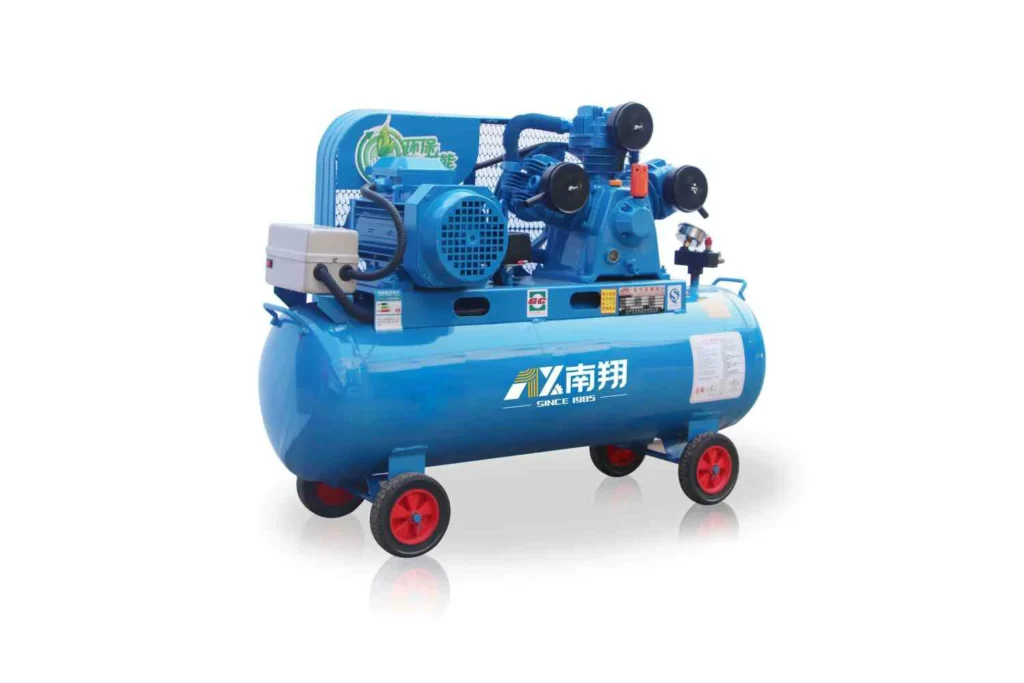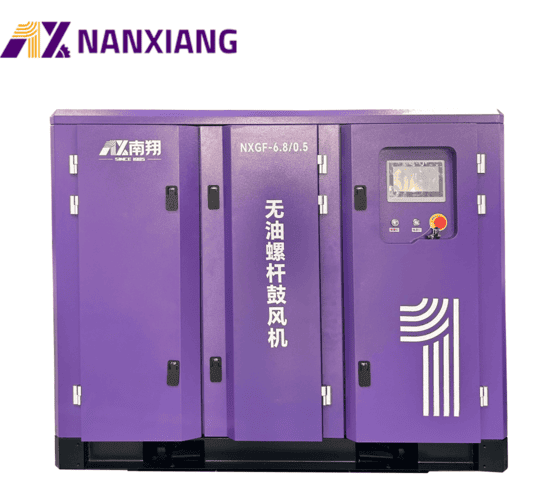
Walk into any auto repair shop, construction site, or even a well-equipped home garage, and there’s a good chance you’ll hear the familiar hum and hiss of an air compressor doing its thing. It’s one of those machines that most people recognize but few actually understand. What exactly is happening inside that tank? And why does it seem like every trade relies on one?
The short answer: an воздушный компрессор takes ambient air, squeezes it into a smaller volume, and stores it under pressure. That pressurized air becomes a power source—clean, portable, and surprisingly versatile. But the longer answer involves pistons, valves, tanks, and a bit of thermodynamics. Let’s break it down without getting too technical.
What is an Air Compressor & How Does It Work?
So what is an air compressor, exactly? In plain terms, it’s a machine that converts power—usually from an electric motor or gasoline engine—into potential energy stored as pressurized air. Think of it like a battery, except instead of storing electrical charge, it stores air molecules packed tightly together, waiting to be released.
The “how it works” part is surprisingly straightforward once you strip away the jargon. The compressor draws in atmospheric air through an intake valve. That air then gets forced into a progressively smaller space, which increases its pressure. Once the desired pressure level is reached, the compressed air sits in a storage tank until someone opens a valve or connects a tool.
Here’s where it gets a bit interesting, though. Compressing air generates heat—sometimes a lot of it. The molecules are being crammed together, bouncing off each other more frequently, and all that friction creates thermal energy. That’s why cooling systems (either air-cooled fins or water jackets) are essential. Without proper heat dissipation, the machine would damage itself pretty quickly.
There’s also the moisture problem. Ambient air contains water vapor, and when you compress that air, the vapor condenses into liquid water. Left unchecked, this moisture corrodes the tank from the inside out. Most units include a drain valve at the bottom of the tank specifically for this reason—regular draining isn’t optional, it’s necessary maintenance.
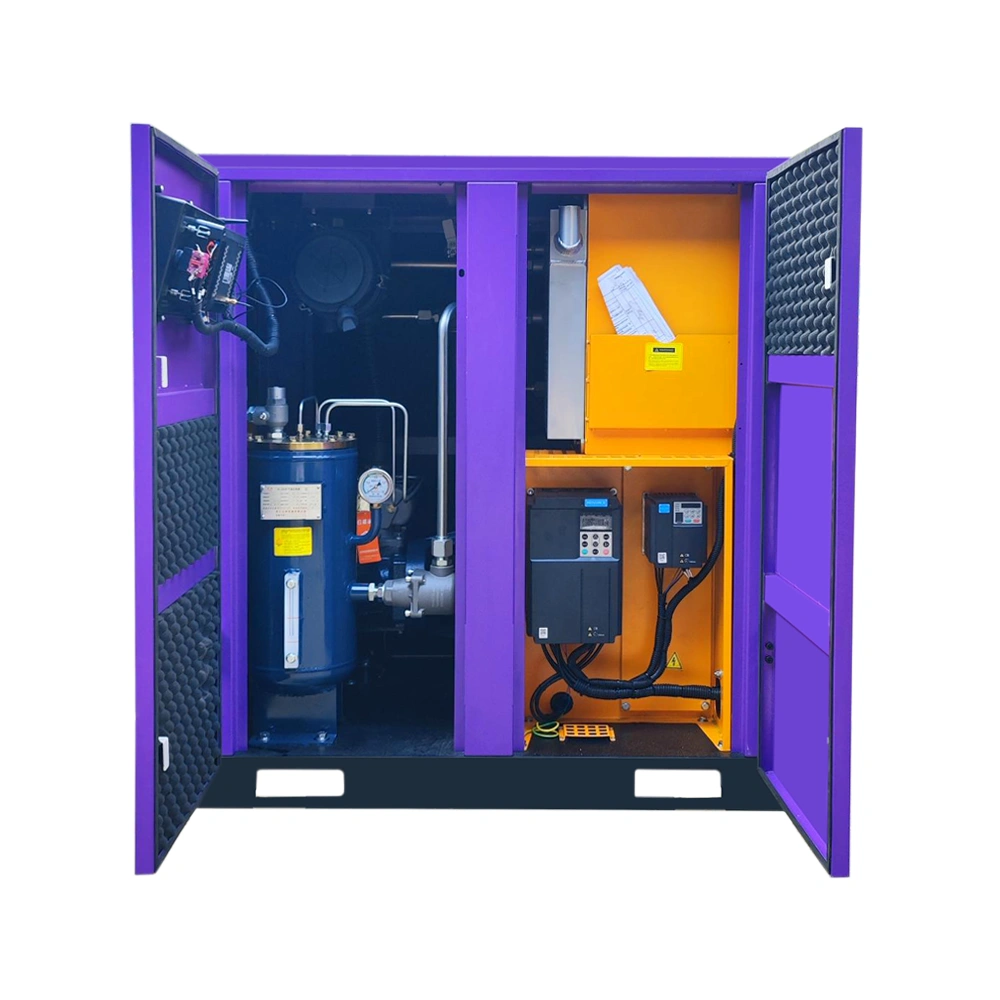
What is an Air Compressor
An air compressor is a mechanical device which uses an engine, usually powered by electricity, to convert mechanical energy into gas pressure energy. It is a device that generates compressed air pressure by compressing air and is the main body of the air source device.
Air Compressor Categories
The most common types of air compressors are piston-type, screw-type, centrifugal, sliding vane and rotary vane air compressors. Piston-type and screw-type air compressors are the most popular on the market. Piston compressors have been used since the dawn of mechanization, with many parts like connecting rod, piston, cylinder comprised in its design. However, due to the loud noise produced by piston compressors and too many easily damaged parts, they gradually have been replaced by screw compressors.
Air flow Chart of Air Compressor
After passing through an intake filter, the air is then passed through an intake valve into the main compressor body where it is mixed with injected cooling lubricating oil during compression. The oil-gas mixture of compressed air is then discharged from the compression chamber into a separator tank in which most of the lubricant is separated from the gas by forces such as collision, interception, and gravity. The resulting compressed air with low oil content then passes through a fine separator for secondary separation before being released to meet predetermined pressure values when the minimum pressure valve opens to release cooled compressed air into the system for use.
Air Compressor Industry Applications
An air compressor is used for a variety of applications, such as medical, factory, mine, tunnel engineering, well drilling and water extractions, pipeline tests and anti-corrosion rust removal. compressor.
How Different Types of Air Compressor Work
Not all compressors operate the same way. The mechanism used to compress air varies, and each type has its strengths.
Reciprocating (Piston) Compressors
This is the most common type, especially for smaller applications. A piston moves up and down inside a cylinder—just like in a car engine. On the downstroke, air enters. On the upstroke, it gets compressed and pushed into the tank.
Single-stage versions compress air in one stroke. Two-stage models compress it twice, reaching higher pressures. The trade-off? More complexity and cost.
Ротационные винтовые компрессоры
Industrial settings often favor rotary screw designs. Two helical screws rotate in opposite directions, trapping air between them and gradually reducing its volume. These machines run quieter, handle continuous duty cycles better, and generally last longer under heavy use.
Centrifugal Compressors
Large-scale operations—think manufacturing plants or oil refineries—sometimes use centrifugal compressors. A spinning impeller accelerates air outward, converting velocity into pressure. They’re efficient at massive volumes but overkill for typical workshop needs.
Безмасляные компрессоры
There’s another distinction worth mentioning that cuts across the types above: whether the unit uses oil lubrication or not. Безмасляные компрессоры rely on pre-lubricated cylinders (often coated with Teflon or similar materials) or water injection instead of traditional oil baths. The result is compressed air that contains zero oil contamination.
Why does this matter? For many workshop tasks, a tiny bit of oil mist in the air stream isn’t a big deal. But certain applications demand absolute purity:
• Spray painting, where oil droplets cause “fish eyes” in the finish.
• Food and beverage processing, where contamination is a health hazard.
• Medical and dental equipment, where patients breathe the output directly.
• Electronics manufacturing, where oil residue damages sensitive components.
The downside? Oil-free models tend to run hotter and wear out faster since there’s no lubricating film protecting the moving parts. They’re also typically louder. For light-duty home use or specialized clean-air applications, they’re a solid choice. For heavy industrial use requiring long duty cycles, oil-lubricated machines generally hold up better over time.
| Type | Лучшее для | Уровень шума | Цикл работы |
|---|---|---|---|
| Поршневые (поршневые) | Home garages, small shops | Moderate to loud | Intermittent |
| Вращающийся винт | Factories, continuous use | Quieter | Continuous |
| Центробежный | Large industrial plants | Varies | Continuous |
Used as power for Industries
An air compressor is a device used to pressurize air in order to be used as power for mechanical and pneumatic tools, as well as control instruments and automation devices. Air compressors are also commonly used in automated machining centers, where they provide powering the replacement of cutting tools.
Used for separating and synthesizing gases
High-pressure compressors can be used to catalyze certain chemical reactions, such as the synthesis of helium from nitrogen and hydrogen, the synthesis of methanol from hydrogen and carbon dioxide, and the synthesis of urea from carbon dioxide and ammonia. Furthermore, air compressors can be used to produce polyethylene at high pressures.
Provides power in everyday life
An air compressor helps people to salvage sunken ships and inflate tires by converting air pressure into a form of kinetic energy.
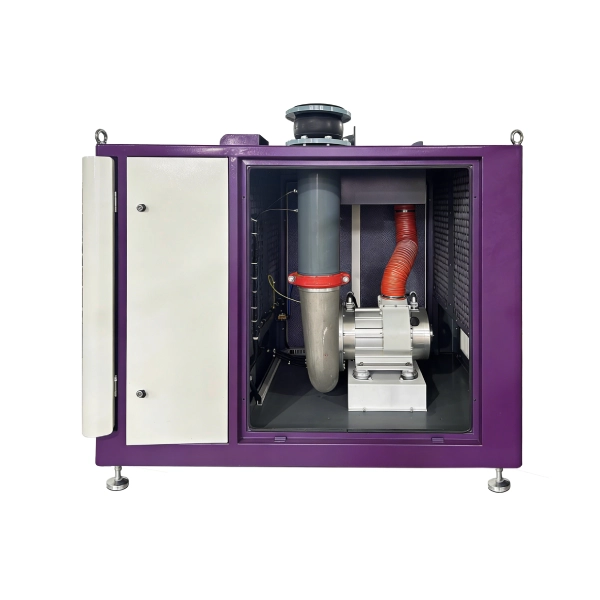
Why use Air Compressor instead of Electric Power?
An air compressor is an apparatus used to convert power from electricity into compressed air. It is used to provide power for large equipment where electric power alone cannot meet the demands, and also reduce costs. Some special equipment such as those used in mines cannot use electric power, and even household gas needs an air compressor for transmission. While some devices may substitute for air compressors, using this device still provides cost savings overall.
Часто задаваемые вопросы
What size air compressor do I need for home use?
For most home tasks—inflating tires, running a brad nailer, or light airbrushing—a portable unit with a 6-gallon tank and around 2-3 CFM at 90 PSI handles things comfortably. Bigger tools demand bigger tanks.
Is oil-free better than oil-lubricated?
It depends. Oil-free compressors require less maintenance and deliver cleaner air, making them ideal for painting or medical applications. Oil-lubricated models typically last longer and run cooler under heavy loads. Neither is universally “better.”
How often should an air compressor be drained?
Draining the tank after every use is good practice. Moisture accumulates inside, and letting it sit promotes rust. Some people drain weekly if usage is light, but daily drainage remains the safer habit.