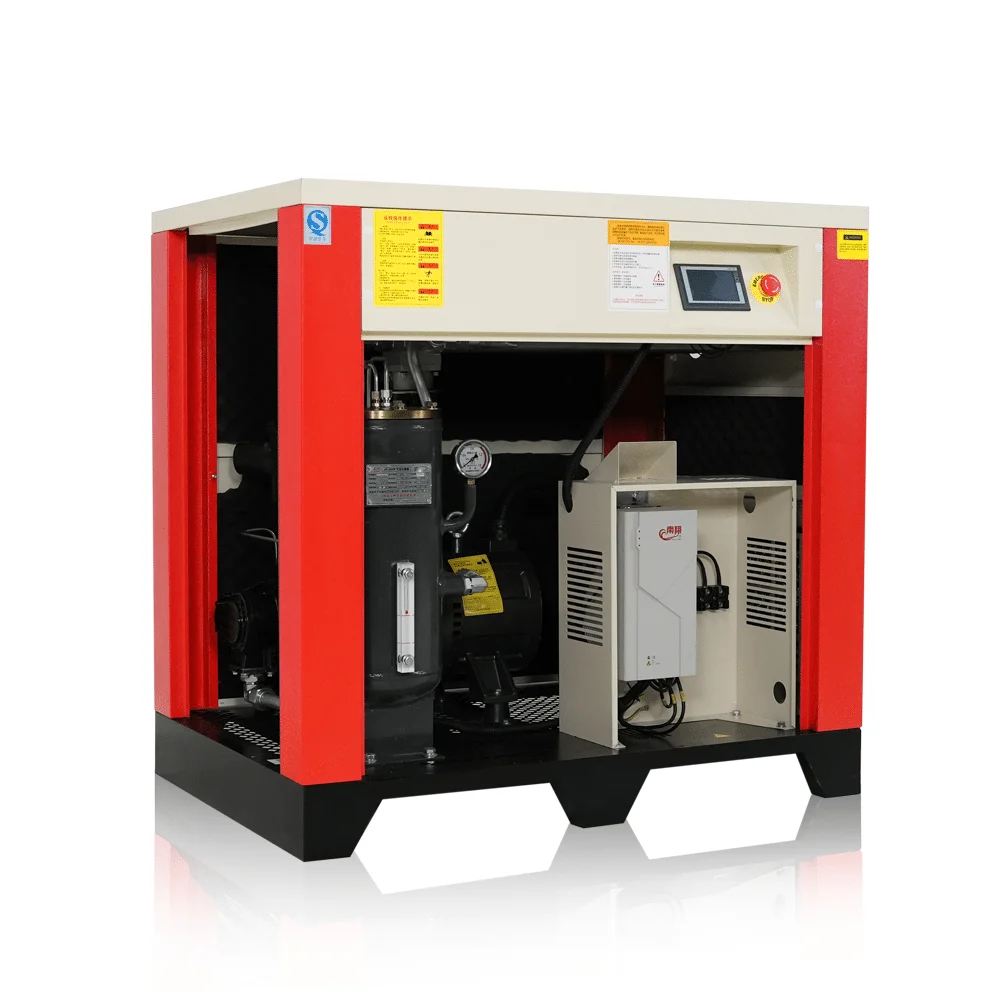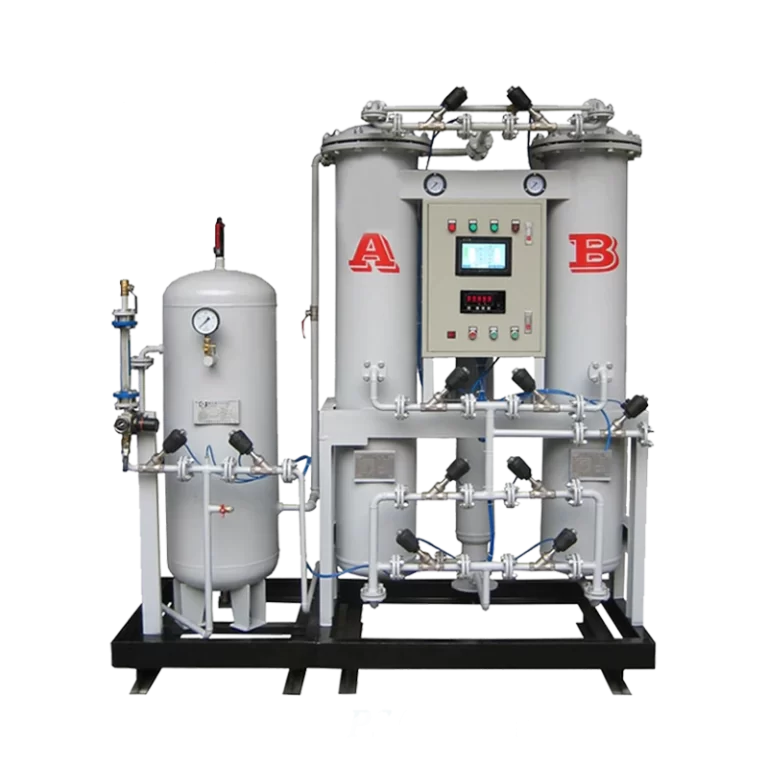
Electronics manufacturing demands precision—and that extends to every piece of equipment in the production line. An air compressor for electronics isn’t just any compressor. The requirements are stricter, the tolerances tighter. Getting this choice wrong can lead to contamination, product defects, or costly downtime.
So how do you pick the right one? It’s not as straightforward as grabbing the cheapest option or the biggest tank. There are specific factors that matter more in electronics applications than in, say, automotive or construction settings.
Why Electronics Manufacturing Needs Special Consideration
Electronics components are sensitive. Dust, oil, moisture—any of these can ruin a circuit board or damage delicate parts during assembly. A standard air compressor might work fine for powering pneumatic tools in a garage, but it’s often unsuitable for cleanroom environments or precision soldering stations.
An air compressor for electronics needs to deliver:
• Clean, dry air (often oil-free)
• Consistent pressure output
• Low noise levels (especially in lab settings)
• Reliable performance over long shifts
The stakes are higher here. A tiny bit of oil mist can cause adhesion problems on PCBs. Moisture can corrode components before they even leave the factory.
Key Factors When Choosing an Air Compressor for Electronics
Oil-Free vs. Oil-Lubricated
This is probably the most critical decision. Oil-lubricated compressors are common and affordable, but they carry a risk—oil can enter the air stream. For electronics work, oil-free compressors are generally the safer bet. They eliminate contamination concerns at the source.
That said, oil-free models tend to run louder and may have shorter lifespans. It’s a trade-off worth considering based on your specific environment.
Air Quality Standards
Different applications require different air quality levels. ISO 8573-1 is the international standard for compressed air purity, covering:
1. Particle content
2. Water content
3. Oil content
For most electronics manufacturing, Class 1 or Class 2 air quality is recommended. Check the compressor’s specifications against these standards before purchasing.
CFM and PSI Requirements
CFM (cubic feet per minute) and PSI (pounds per square inch) determine whether the compressor can handle your workload. Electronics applications often don’t need extremely high pressure, but consistent airflow matters.
A rough guideline:
| Application | Typical CFM | Typical PSI |
|---|---|---|
| PCB cleaning | 2–5 CFM | 30–50 PSI |
| Pick-and-place machines | 5–10 CFM | 60–90 PSI |
| Soldering stations | 1–3 CFM | 20–40 PSI |
| General assembly | 5–15 CFM | 70–100 PSI |
Undersizing leads to pressure drops and inconsistent performance. Oversizing wastes energy and money.
Tingkat Kebisingan
Electronics facilities—especially R&D labs or testing environments—often require quieter equipment. Compressor noise is measured in decibels (dB). Look for models rated below 60 dB if noise is a concern. Some ultra-quiet units operate around 40–50 dB, which is roughly conversational level.
Tank Size and Duty Cycle
Larger tanks store more air, reducing how often the motor kicks on. For continuous operations, a bigger tank (20+ gallons) helps maintain steady pressure. Smaller tanks work fine for intermittent use.
Duty cycle matters too. Some compressors are rated for 50% duty cycle, meaning they need rest periods. For production lines running all day, look for 100% duty cycle models.
Additional Features Worth Considering
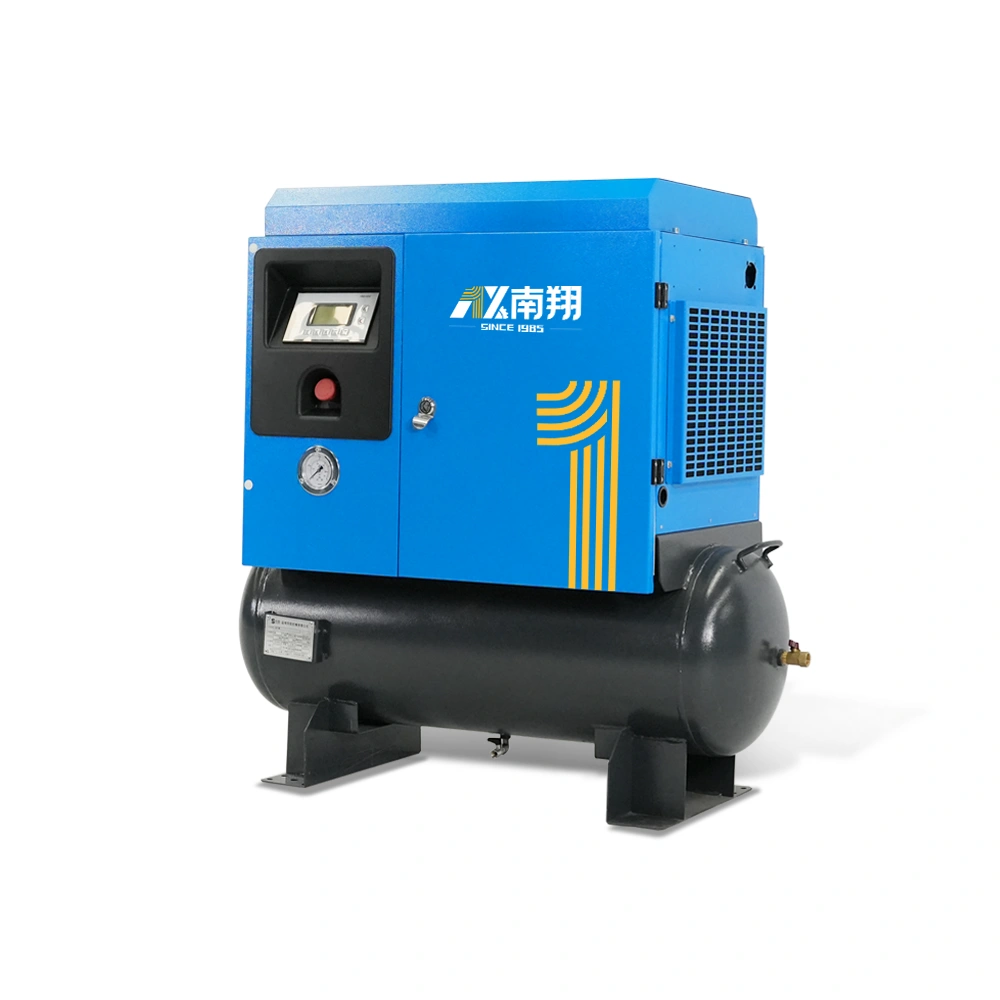
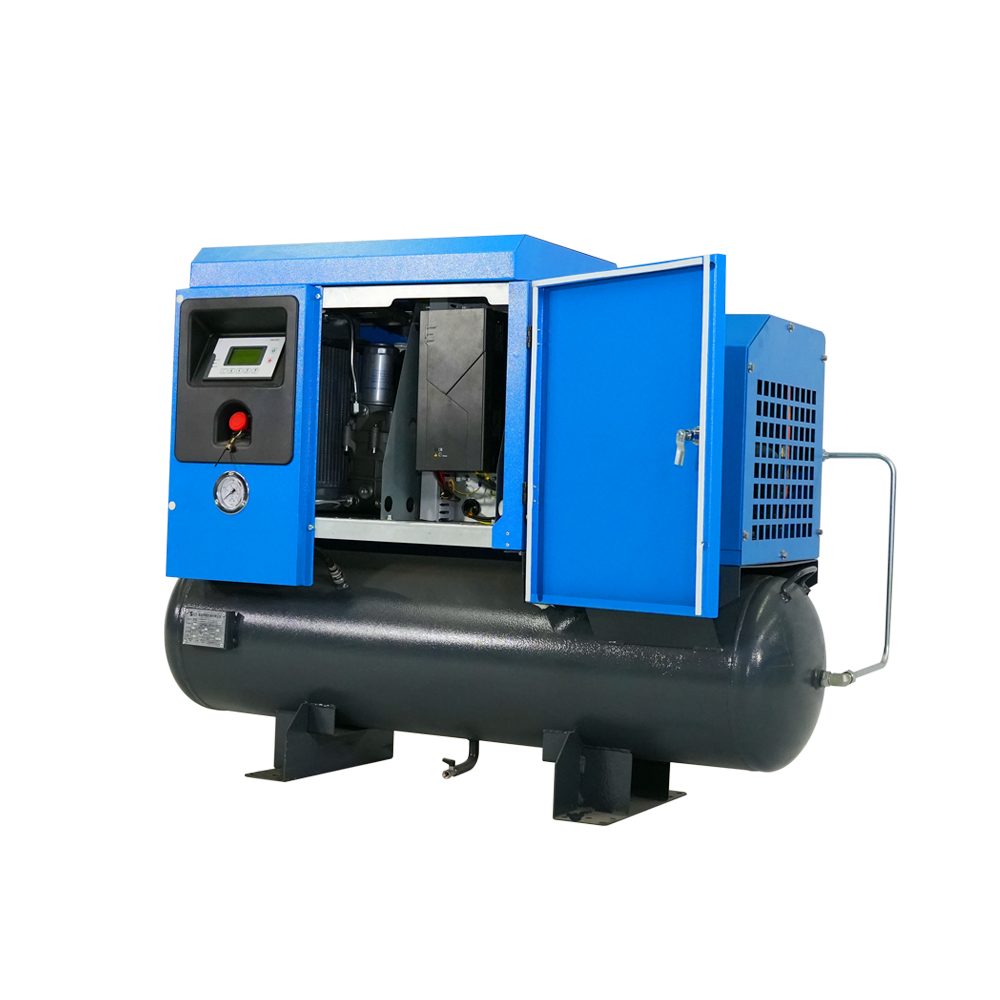
Built-in air dryers or filters
• Low-maintenance design
• Digital pressure controls
• Compact footprint for tight spaces
These extras add cost but can save headaches down the line. An air compressor for electronics that includes integrated filtration, for instance, reduces the need for external accessories.
Pikiran Akhir
Choosing an air compressor for electronics comes down to understanding your specific needs—air quality, pressure, noise, and reliability. It’s tempting to cut corners, but contamination or equipment failure costs more in the long run. Take time to match the compressor specs to your actual application requirements.
Pertanyaan yang Sering Diajukan
Can I use a regular air compressor for electronics manufacturing?
Generally not recommended. Standard compressors may introduce oil or moisture that damages sensitive components.
How often should I maintain an air compressor for electronics?
Follow manufacturer guidelines, but typically every 500–1000 operating hours for filters and inspections.
Is an oil-free compressor always necessary for electronics?
Not always, but it’s the safer choice. If using oil-lubricated models, high-quality filtration systems are essential.