L'ossigeno è uno di quei prodotti che molte industrie acquistano in bombole o in forma liquida. Arriva il camion delle consegne, si sostituiscono le bombole e il gioco è fatto. Ma per le strutture che utilizzano molto ossigeno - ospedali, trattamento delle acque reflue, produzione del vetro, taglio dei metalli - i costi delle bombole si accumulano rapidamente. E c'è sempre il rischio di rimanere senza nel momento peggiore.
Un generatore di ossigeno PSA risolve questo problema. Produce ossigeno in loco, da aria compressa, in modo continuo. Niente consegne, niente gestione delle bombole, niente esaurimento. Ma scegliere quello giusto? Ci vuole un po' di lavoro. Se è troppo piccolo, non riesce a stare al passo. Se è troppo grande, i costi iniziali sono troppo elevati senza alcuna ragione.
Avendo assistito ad alcune di queste installazioni - alcune che hanno funzionato a meraviglia, altre che sono state dei veri e propri grattacapi - il processo di selezione si riduce a una manciata di fattori reali. Ecco come scegliere un Generatore di ossigeno PSA per un'applicazione specifica.
Cosa fa realmente un generatore di ossigeno PSA
Prima di immergersi nella selezione, è utile comprendere la tecnologia. Il generatore di ossigeno PSA è l'acronimo di Pressure Swing Adsorption. Non è una magia. Non è elettrolisi. È un processo fisico che separa l'azoto dall'aria, lasciando l'ossigeno.
Come funziona l'adsorbimento a pressione variabile
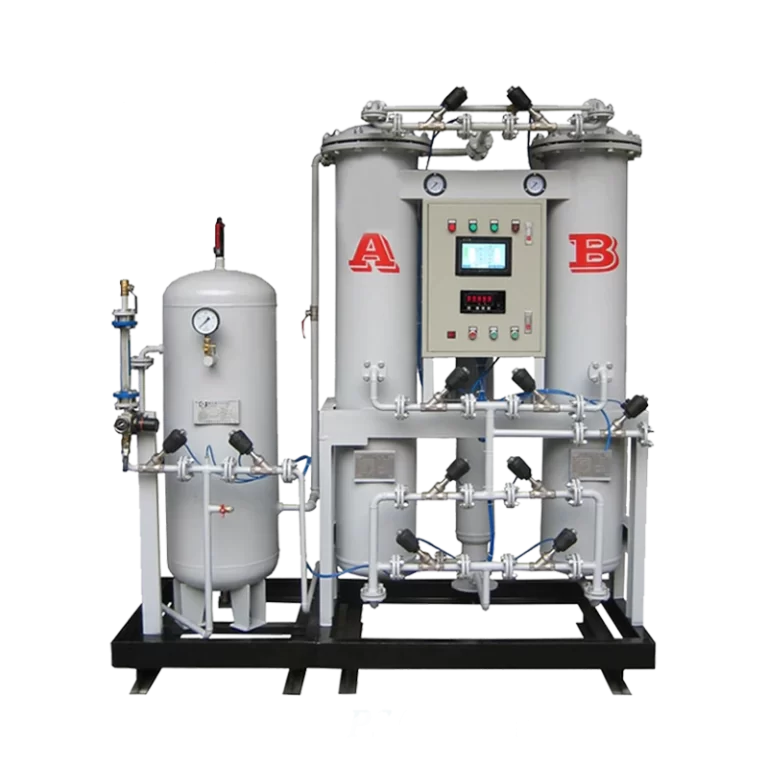
Il cuore del sistema è un recipiente riempito di zeolite, un materiale sintetico con minuscoli pori. Sotto pressione, la zeolite attira le molecole di azoto più fortemente di quelle di ossigeno. L'aria compressa scorre attraverso il recipiente; l'azoto viene intrappolato e l'ossigeno passa. Poi la pressione scende, rilasciando l'azoto catturato, e il ciclo si ripete.
Due recipienti si alternano: uno adsorbe e l'altro rigenera. Il risultato è un flusso continuo di ossigeno con una purezza di 90-95%, in genere a 50-100 PSI.
Assorbimento a pressione oscillante è una tecnologia matura e affidabile. Non ci sono parti in movimento nel processo di separazione. Solo valvole che girano. Questa semplicità è il motivo per cui questi generatori funzionano per anni con una manutenzione di base.
Fattori chiave nella scelta di un generatore di ossigeno PSA
Non tutti i generatori di ossigeno PSA sono adatti per ogni lavoro. Alcuni fattori sono più importanti di altri.
Purezza dell'ossigeno richiesta
Questa è la prima domanda. Di quale purezza ha bisogno l'applicazione?
| Livello di purezza | Applicazioni comuni | Fattibilità del generatore |
|---|---|---|
| 90-93% | Supporto alla combustione, aerazione delle acque reflue, fusione del vetro, taglio dei metalli | PSA standard, il più conveniente |
| 93-95% | Generazione di ozono, acquacoltura, alcuni prodotti medicali | PSA standard, unità leggermente più grande |
| 95-99% | Processi medici e chimici di elevata purezza | Richiede PSA o VSA a due stadi; costo più elevato |
| 99.5%+ | Laboratorio, chimico specializzato | Alimentazione criogenica o in bombole solitamente migliore |
La maggior parte delle applicazioni industriali funziona bene con ossigeno a 90-95%. Se si superano i 95%, le dimensioni del generatore aumentano in modo significativo, a volte raddoppiando. La curva dei costi è ripida. A meno che non ci sia un'esigenza specifica di maggiore purezza, di solito è meglio attenersi a 93%.
Portata (metri cubi normali all'ora)
La portata è la seconda grande variabile. Un generatore di ossigeno PSA viene dimensionato in base a quanti metri cubi normali all'ora (Nm³/h) produce alla purezza richiesta.
Il dimensionamento è semplice in teoria: si calcola la domanda di picco, si aggiunge un fattore di sicurezza (20-30%) e si sceglie un generatore che la soddisfi. In pratica, l'andamento della domanda è importante. Un generatore che si accende e si spegne continuamente consuma le valvole più rapidamente. Un'unità che funziona continuamente a 70-80% di capacità è più felice.
Alcuni modi per stimare la domanda:
- Misurare l'utilizzo attuale delle bombole (quante bombole alla settimana e a quale pressione).
- Controllare le targhette delle apparecchiature (portate per i dispositivi che utilizzano ossigeno).
- Eseguire un test temporizzato durante i picchi di produzione
Qualità dell'aria e fornitura di aria compressa
Un generatore di ossigeno PSA è buono solo quanto l'aria compressa che lo alimenta. È qui che molte installazioni falliscono.
Requisiti dell'aria compressa
Il generatore necessita di aria compressa pulita e asciutta alla giusta pressione e portata. Requisiti tipici:
- Pressione: 6-8 bar (87-116 PSI) all'ingresso del generatore
- Qualità dell'aria: ISO 8573-1 Classe 1.2.1 o migliore (priva di olio, secca, priva di particolato)
- Flusso: Circa 2-3 volte il volume di ossigeno in uscita (a seconda della purezza).
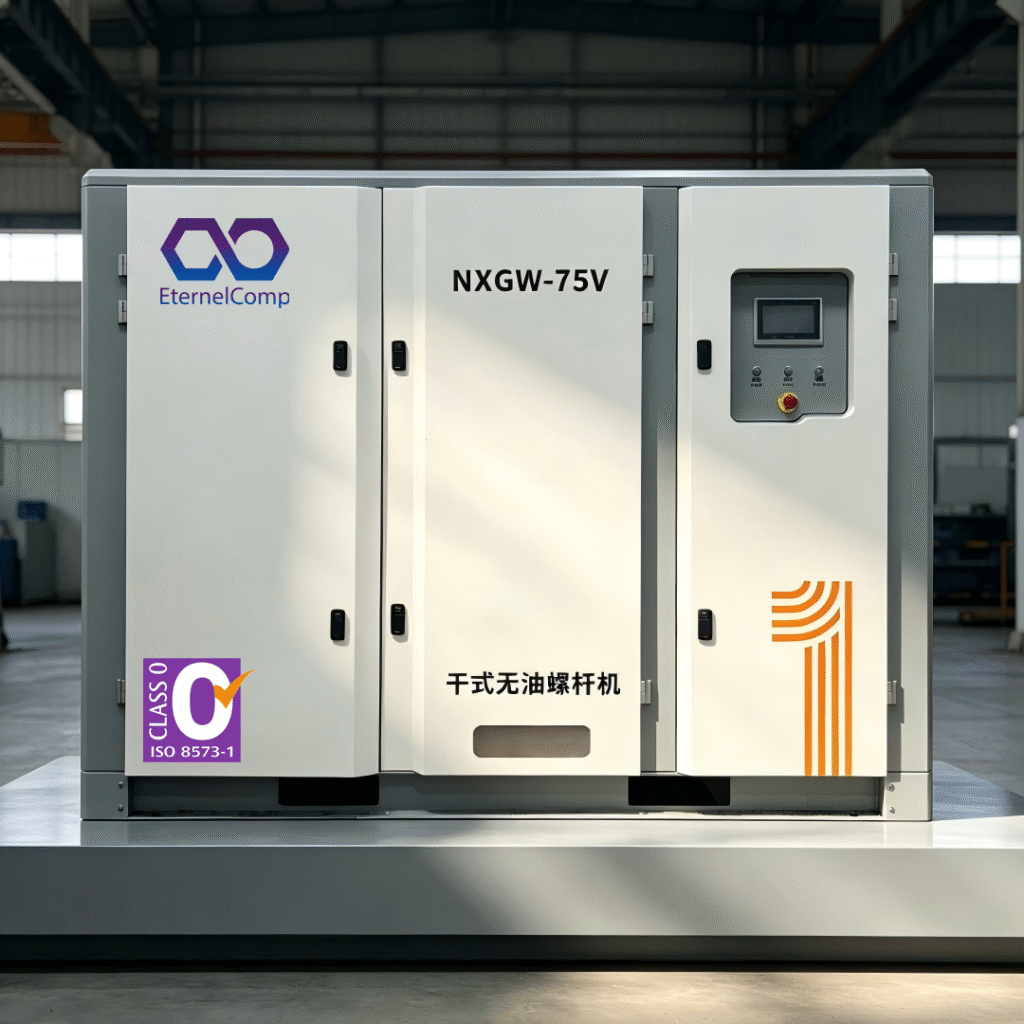
Il sistema di aria compressa deve essere dimensionato per la domanda di picco del generatore.
Un compressore d'aria sottodimensionato causa cadute di pressione che riducono la produzione di ossigeno. Un compressore sovradimensionato va in cortocircuito e spreca energia.
Asciugatura e filtrazione
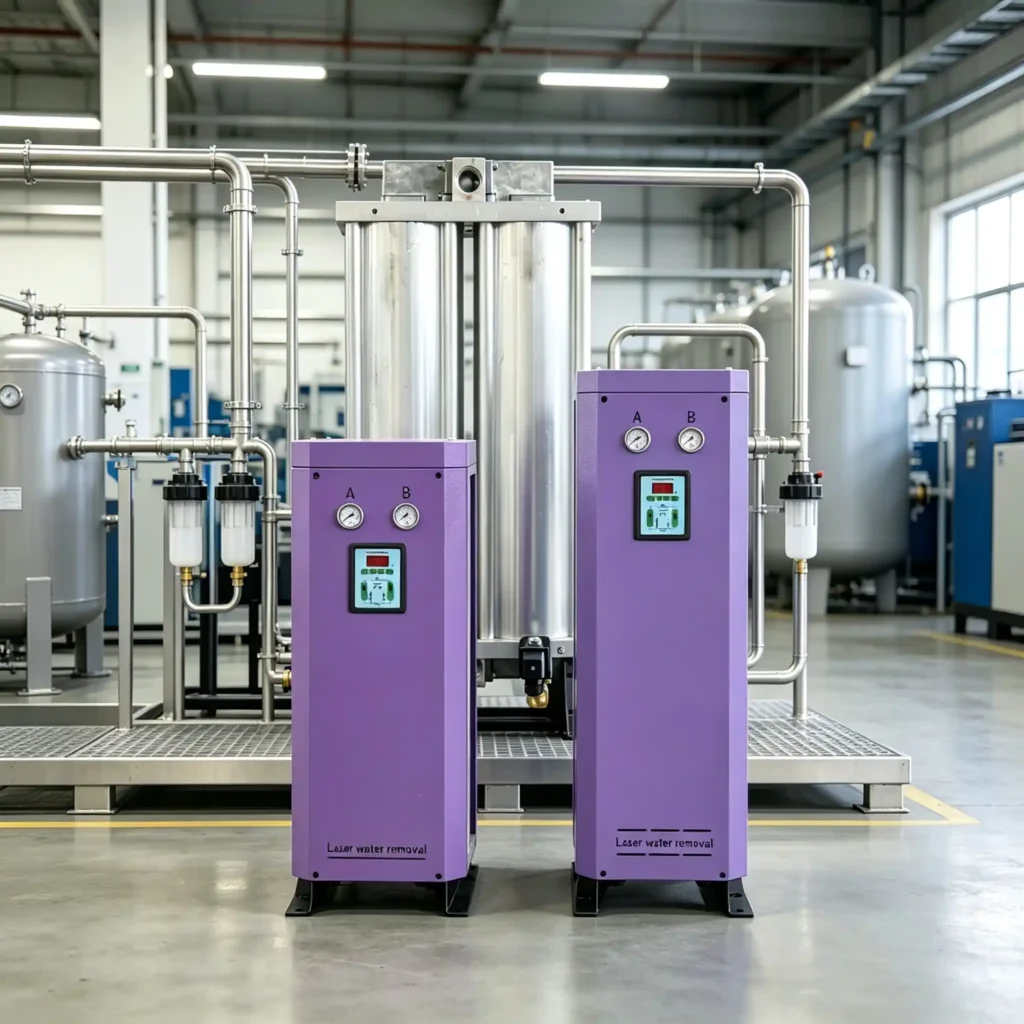
La maggior parte dei generatori richiede un essiccatore refrigerato o essiccante per raggiungere il punto di rugiada richiesto (-40°F o superiore). I filtri a coalescenza rimuovono gli aerosol di olio. I filtri antiparticolato catturano la polvere residua. L'omissione di uno di questi elementi porta alla contaminazione della zeolite, che distrugge le prestazioni del generatore.
L'ho visto succedere. Un impianto ha installato un generatore senza un'adeguata essiccazione e nel giro di sei mesi la zeolite era satura di umidità. La purezza dell'ossigeno è scesa da 93% a 80%. Il materiale di sostituzione è costato quasi quanto un nuovo generatore.

Considerazioni sull'affidabilità e la manutenzione
Un generatore di ossigeno PSA ha poche parti in movimento, per lo più solo valvole pneumatiche. Ma queste valvole funzionano migliaia di volte al giorno. La qualità è importante.
Tipo di valvola e durata di vita
Le valvole che commutano tra i due serbatoi di adsorbimento sono i componenti più sollecitati. Alcuni generatori utilizzano valvole a solenoide; altri utilizzano valvole ad azionamento pneumatico. Le valvole pneumatiche tendono a durare di più in ambienti sporchi, ma hanno bisogno di aria pulita per gli strumenti.
La durata prevista della valvola varia notevolmente. Le unità economiche possono richiedere la sostituzione della valvola ogni 1-2 anni. Le unità di qualità hanno una durata di 5-8 anni o più tra le revisioni delle valvole.
Durata di vita della zeolite
I supporti in zeolite non durano per sempre. Se la qualità dell'aria è buona, la durata è di 10-15 anni. In caso di cattiva qualità dell'aria (contaminazione da olio o umidità), la zeolite può cedere in pochi mesi. Non c'è modo di “ricaricare” la zeolite contaminata: deve essere sostituita.
Manutenzione ordinaria
Un tipico programma di manutenzione:
- Ogni giorno: Controllare la purezza e il flusso dell'ossigeno
- Settimanalmente: Ispezione di filtri e scarichi
- Mensilmente: Controllare il funzionamento della valvola, verificare la presenza di perdite
- Annualmente: Sostituire i filtri, calibrare l'analizzatore di ossigeno.
- Ogni 5-8 anni: Revisione o sostituzione della valvola
Stoccaggio e backup dell'ossigeno
Anche il generatore più affidabile può avere dei problemi. E la domanda può superare la capacità del generatore. È qui che entra in gioco lo stoccaggio.
Dimensionamento del serbatoio del ricevitore
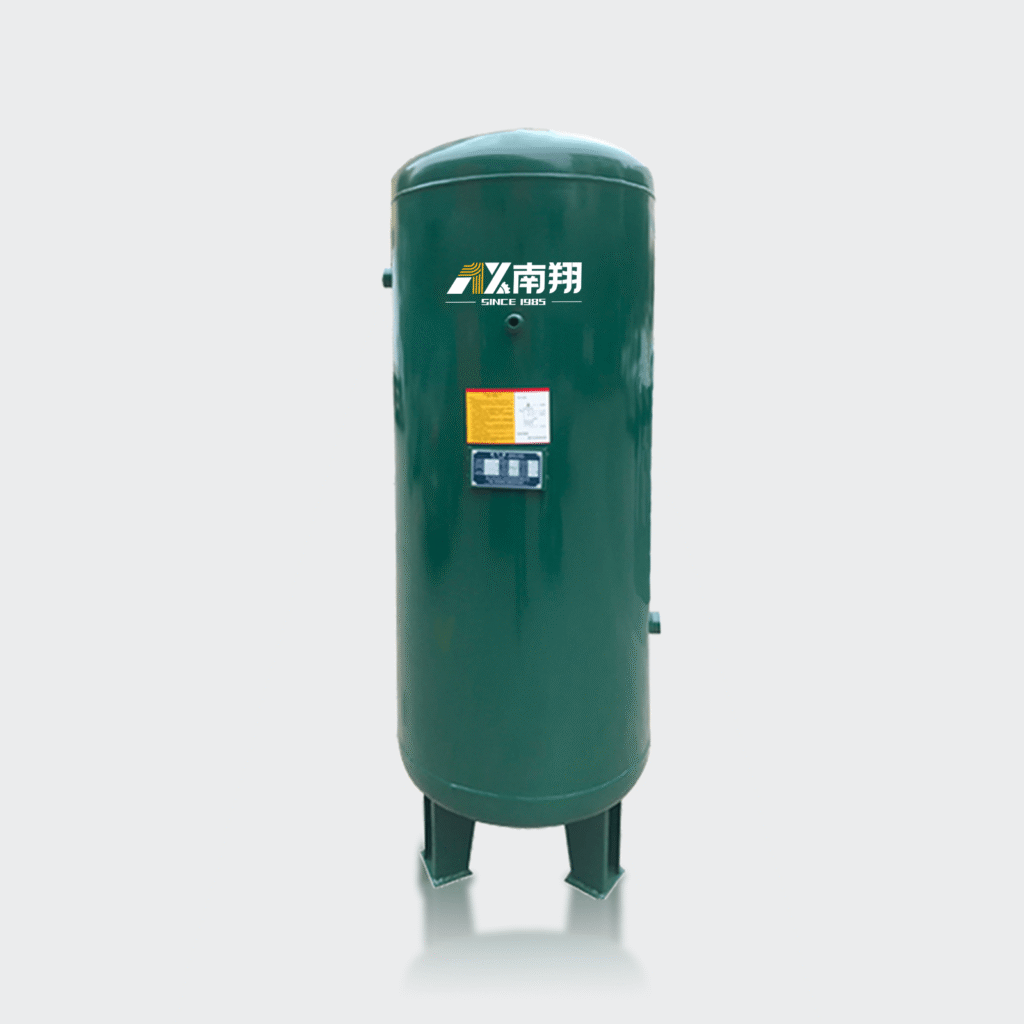
Un serbatoio di ossigeno (o serbatoio tampone) attenua i picchi di domanda. Il generatore funziona costantemente, riempiendo il serbatoio. Quando la domanda supera la generazione, il serbatoio fornisce la differenza. Un tipico serbatoio tampone è dimensionato per 15-30 minuti di picco di domanda.
Alimentazione di riserva
Cosa succede se il generatore si guasta? Una piccola bombola di ossigeno liquido o alcune bombole ad alta pressione possono servire come riserva. Non è necessario che il backup copra la piena produzione a tempo indeterminato, ma solo il tempo necessario per riparare il generatore o per organizzarne il noleggio.
Per le applicazioni critiche (ospedali, alcuni processi industriali), è previsto di serie un generatore completamente ridondante. Due unità, ciascuna dimensionata per 100% di domanda, con failover automatico. Costoso, ma più economico di un arresto della produzione.
Costo totale di gestione
Il prezzo di acquisto è solo una parte della storia. Un generatore di ossigeno PSA ha costi correnti che variano significativamente da un modello all'altro.
Componenti dei costi operativi
Energia dell'aria compressa: Il costo più elevato in assoluto. Un generatore che utilizza 2,5 Nm³ di aria per Nm³ di ossigeno è più economico di uno che utilizza 3,5 Nm³.
- Sostituzione dei filtri: Annuale o semestrale.
- Manutenzione delle valvole: Eventualmente.
- Calibrazione dell'analizzatore di ossigeno: Annuale.
- Sostituzione della zeolite: Ogni 10-15 anni.
Confronto sull'efficienza energetica
Due generatori della stessa dimensione possono avere un consumo d'aria molto diverso. Un'unità più efficiente potrebbe utilizzare 20-30% in meno di aria compressa. In un anno di funzionamento continuo, questa differenza può rappresentare migliaia di dollari in elettricità.
Un rapido esempio: Generatore di ossigeno da 50 Nm³/h. Il modello efficiente utilizza 120 Nm³/h di aria. Quello inefficiente utilizza 160 Nm³/h. A $0,10 per kWh, con un funzionamento di 8.000 ore all'anno, la differenza è di circa $3.000-4.000 all'anno.
Errori comuni nella scelta
Alcuni errori vengono visualizzati ripetutamente.
- Sovradimensionamento del generatore. Funziona in modo inefficiente, le valvole funzionano più del necessario, i costi iniziali sono più elevati.
- Sottodimensionamento del compressore d'aria. Il generatore è affamato d'aria, la purezza diminuisce e la produzione ne risente.
- Non si è proceduto a un'asciugatura corretta. Uccide la zeolite. Un errore costoso.
- Ignorare l'accesso per la manutenzione. Il generatore viene spinto in un angolo dove nessuno può raggiungere le valvole o i filtri.
- Acquistare solo in base al prezzo. Il generatore più economico raramente è il più economico da possedere.
Abbinare il generatore al settore
I diversi settori hanno priorità diverse.
- Medico (ospedali, cliniche): L'affidabilità è tutto. Lo stoccaggio di backup e i sistemi ridondanti sono standard. Purezza tipica 93-95% per l'ossigeno sfuso, più elevata per la terapia respiratoria.
- Trattamento delle acque reflue: Funzionamento continuo, domanda variabile. I generatori devono gestire bene il turndown. Una purezza inferiore (90-93%) va bene.
- Produzione di vetro: Flusso elevato, domanda costante. L'efficienza energetica è la cosa più importante.
- Taglio e saldatura dei metalli: Domanda elevata e intermittente. Il dimensionamento del serbatoio tampone è fondamentale.
- Acquacoltura: Flusso continuo e moderato. Affidabilità e bassa manutenzione sono le priorità.
Domande frequenti
Quanto dura un generatore di ossigeno PSA?
Con una corretta manutenzione e una buona qualità dell'aria, il telaio e i vasi del generatore durano oltre 20 anni. I supporti in zeolite durano 10-15 anni. Le valvole possono essere sostituite ogni 5-8 anni.
Quale purezza di ossigeno può produrre un generatore PSA?
Il PSA monostadio standard produce ossigeno a 90-95%. I sistemi a due stadi possono raggiungere 95-99%. Per 99,5%+, la separazione criogenica è solitamente più economica.
Di quanta aria compressa ha bisogno un generatore di ossigeno PSA?
In genere da 2 a 3,5 volte il volume di ossigeno in uscita, a seconda della purezza e del design del generatore. Una maggiore purezza richiede più aria. Controllare le specifiche del produttore per i dati esatti.