Compressore d'aria per generatore di azoto: la guida definitiva alla scelta
La scelta di un compressore d'aria per le applicazioni relative ai generatori di azoto è una delle decisioni di approvvigionamento più importanti che un impianto industriale possa prendere. L'alimentazione di aria compressa è il motore che aziona ogni sistema di generazione di azoto a membrana e PSA, e la scelta di un compressore d'aria non adeguato all'uso con i generatori di azoto si traduce direttamente in carenze di purezza, bollette energetiche eccessive e fermi macchina non programmati.
La generazione in loco di azoto è ormai diventata lo standard in settori che spaziano dal confezionamento alimentare e dalla produzione farmaceutica alla fabbricazione di componenti elettronici e al taglio laser. Questi sistemi eliminano i problemi logistici e i costi legati alla fornitura di azoto liquido, ma le loro prestazioni dipendono interamente da un’alimentazione di aria compressa affidabile e correttamente dimensionata. Un compressore d’aria per sistemi di generazione di azoto deve garantire una pressione costante, una portata adeguata e una qualità dell’aria conforme alla norma ISO 8573-1: qualsiasi carenza in questi parametri si traduce in una riduzione della produzione di azoto e compromette l’integrità del processo.
Nella scelta di un compressore d’aria per i sistemi di generazione di azoto, i tecnici di impianto devono valutare cinque criteri correlati tra loro: la portata richiesta alla pressione di esercizio specificata dal generatore, la qualità dell’aria compressa secondo gli standard ISO 8573-1 Classe 1.4.1, il tipo di compressore e la compatibilità con il funzionamento continuo, l’efficienza energetica complessiva dell’impianto e la fattibilità della manutenzione a lungo termine nell’ambito dell’infrastruttura dell’impianto. Un compressore d’aria correttamente abbinato al funzionamento del generatore di azoto eroga costantemente 110-120% della portata nominale in ingresso del generatore per compensare le perdite dovute al fattore aria inerenti al processo di separazione dell’azoto.
Sia che si tratti di scegliere le apparecchiature per un nuovo impianto di generazione di azoto o di risolvere i problemi di un sistema poco efficiente, è fondamentale comprendere in che modo la scelta del compressore influisca su ogni variabile a valle. Questa guida fornisce un quadro completo per la valutazione di un compressore d’aria destinato alle applicazioni con generatori di azoto, trattando le metodologie di dimensionamento, i confronti tecnologici, i requisiti di qualità dell’aria e l’analisi dei costi per l’intero ciclo di vita.
Perché è fondamentale scegliere il compressore d'aria giusto per garantire le prestazioni del generatore di azoto
Un compressore d'aria per sistemi di generazione di azoto funge da fonte primaria di energia, aspirando aria atmosferica e comprimendola a pressioni di esercizio comprese tra 7 e 13 bar prima che passi attraverso le fasi di filtrazione, essiccazione e separazione. Senza un compressore d'aria adeguatamente specificato per l'impiego nei generatori di azoto, il sistema non è in grado di raggiungere la purezza nominale, la capacità di produzione o l'affidabilità operativa previste.
I generatori di azoto non producono azoto, ma lo estraggono dall’aria ambiente, che è composta approssimativamente per il 78,1% da azoto, per il 21,1% da ossigeno e per l’1,1% da argon e gas in tracce. Il compressore d’aria necessario al funzionamento del generatore di azoto aspira l’aria atmosferica e la comprime alla pressione richiesta dalla tecnologia di separazione. L’aria compressa passa quindi attraverso i componenti di trattamento — filtri, essiccatori e coalescenti — prima di entrare nel modulo di separazione dell’azoto.
In un generatore di azoto a membrana, l’aria compressa passa attraverso membrane a fibre cave che lasciano passare selettivamente ossigeno, vapore acqueo e CO₂ più rapidamente dell’azoto, producendo un flusso ricco di azoto con una purezza compresa tra 95 e 99,5%. In un generatore di azoto PSA, l’aria compressa fluisce attraverso recipienti riempiti con materiale a base di setaccio molecolare al carbonio che adsorbe le molecole di ossigeno sotto pressione, producendo azoto con una purezza compresa tra 97 e 99,9991 TP3T. In entrambi i casi, il compressore d’aria che alimenta il generatore di azoto determina direttamente la capacità produttiva tramite il “fattore aria” — ovvero il rapporto tra il volume di aria compressa richiesto e l’unità di azoto prodotta. Un sistema a membrana con purezza pari a 99% può richiedere un fattore aria compreso tra 2,5 e 3,0, mentre i sistemi PSA ad alta purezza possono richiedere un valore compreso tra 3,5 e 4,5.
Per le strutture che stanno valutando la possibilità di generare azoto in loco, è opportuno esaminare il documento completo generatore di azoto e ossigeno fornisce informazioni fondamentali sulle specifiche di alimentazione che ciascun sistema richiede al proprio compressore d'aria a monte per l'alimentazione del generatore di azoto.
Fattori chiave nella scelta di un compressore d'aria per applicazioni con generatori di azoto
I cinque fattori imprescindibili nella scelta di un compressore d’aria per i sistemi di generazione di azoto sono: portata alla pressione di esercizio del generatore, qualità dell’aria compressa secondo la norma ISO 8573-1, tecnologia del compressore e ciclo di funzionamento, efficienza energetica a carico parziale e a pieno carico, nonché accessibilità per la manutenzione. Ciascun fattore influisce direttamente sulla purezza dell’azoto, sui costi di produzione e sul tempo di funzionamento del sistema.
Portata e pressione di esercizio
L’errore più frequente nel dimensionamento di un compressore d’aria destinato all’alimentazione di un generatore di azoto consiste nel valutare la portata a una pressione che non corrisponde a quella richiesta dal generatore. I produttori indicano la portata libera (Free Air Delivery) alle condizioni di riferimento, ma il generatore richiede una portata specifica alla propria pressione di progetto. Un compressore che eroga 100 CFM a 100 psi produce una portata notevolmente inferiore a 145 psi. Consultare sempre la curva di prestazione e assicurarsi che il compressore d’aria destinato all’alimentazione del generatore di azoto eroghi almeno l’110% del consumo nominale del generatore nel punto di funzionamento di progetto.
Compatibilità con la pressione di sistema
| Tipo di generatore | Pressione di esercizio | Pressione minima di alimentazione | Intervallo del fattore aria |
|---|---|---|---|
| Membrana (purezza 95-99%) | 7-13 bar (100-190 psi) | 6,5 bar (95 psi) | 2.0-3.0 |
| PSA (purezza 97-99,91 TP3T) | 7-10 bar (100-145 psi) | 6,5 bar (95 psi) | 2.5-3.5 |
| PSA ad alta purezza (99,999%) | 8-13 bar (116-190 psi) | 7,5 bar (110 psi) | 3.0-4.5 |
Capacità di funzionamento continuo
I sistemi di generazione di azoto sono progettati per un funzionamento 24 ore su 24, 7 giorni su 7. Un compressore d’aria destinato al servizio di generazione di azoto deve essere classificato per un ciclo di lavoro 100%. I compressori a vite rotativa sono la scelta prevalente in questa applicazione poiché sono progettati per un servizio industriale ininterrotto. I compressori alternativi, con cicli di funzionamento compresi tra 60 e 70% e intervalli di riposo obbligatori, non sono adatti come compressori d’aria primari per i sistemi di generazione di azoto, a meno che non siano significativamente sovradimensionati e impiegati in configurazione duplex.
Per le applicazioni che richiedono aria compressa priva di olio — settore farmaceutico, alimentare e produzione elettronica — il compressore senza olio comprende macchine appositamente progettate per il funzionamento continuo come compressori d'aria destinati all'alimentazione di generatori di azoto, senza rischio di contaminazione da lubrificante.
Tipi di compressori utilizzati come compressori d'aria per i sistemi di generazione dell'azoto
I compressori a vite — sia con iniezione d’olio che oil-free — rappresentano lo standard industriale per i compressori d’aria destinati alle applicazioni con generatori di azoto, grazie ai valori di ciclo di funzionamento 100%, all’erogazione stabile della pressione e a gamme di portata che vanno da 5 HP a oltre 500 HP. I compressori centrifughi diventano una valida opzione al di sopra dei 500 CFM per gli impianti di azoto su larga scala, mentre i compressori alternativi svolgono solo un ruolo di riserva o intermittente.
Compressori a vite a iniezione d'olio
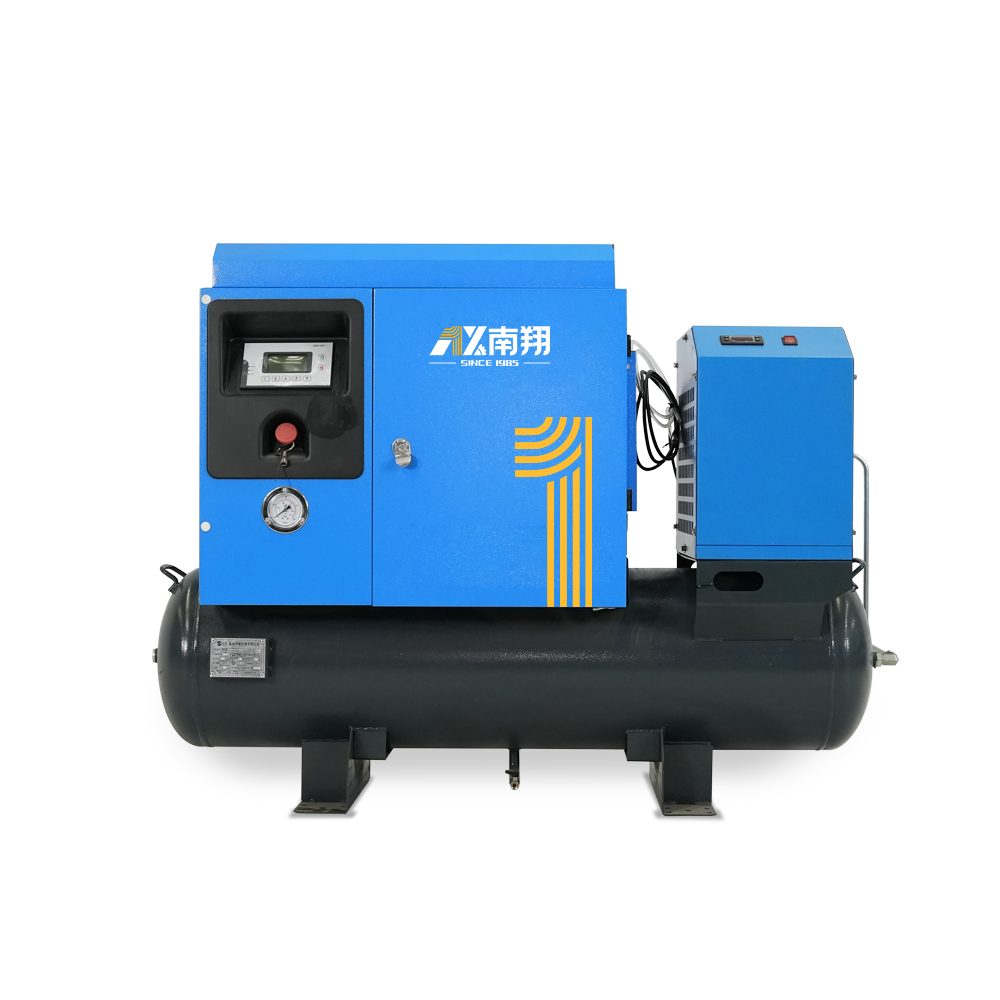
I compressori a vite rotativa con iniezione d’olio sono i più diffusi per l’aria di alimentazione dei generatori di azoto. L’olio iniettato nella camera di compressione garantisce raffreddamento, tenuta e lubrificazione, mentre la separazione multistadio riduce il trascinamento a circa 2-3 ppm allo scarico. La filtrazione a valle — separatori d’acqua, filtri coalescenti e filtri a carbone attivo — riduce ulteriormente il contenuto di olio fino alla Classe 1 della norma ISO 8573-1 (≤0,01 mg/m³), valore idoneo per la maggior parte delle applicazioni industriali dell’azoto.
Vantaggi:
- Costo di capitale inferiore rispetto ai modelli equivalenti senza olio
- Decenni di comprovata affidabilità in tutti i settori industriali
- Ampia disponibilità di ricambi e assistenza
- Elevata efficienza energetica, in particolare con la regolazione della velocità
Limiti:
- Filtrazione multistadio necessaria per un basso tenore di olio
- I materiali di consumo per la filtrazione aumentano i costi operativi
- Rischio di fuoriuscita di olio in caso di guasto del filtro o di mancata manutenzione
- Non è possibile soddisfare i requisiti di certificazione "absolute oil-free"
Un'analisi approfondita del compressore lubrificato a olio consente di abbinare la portata, le opzioni di velocità variabile e gli accessori di filtrazione a un compressore d'aria specifico, in base alle esigenze del generatore di azoto.
Compressori a vite senza olio
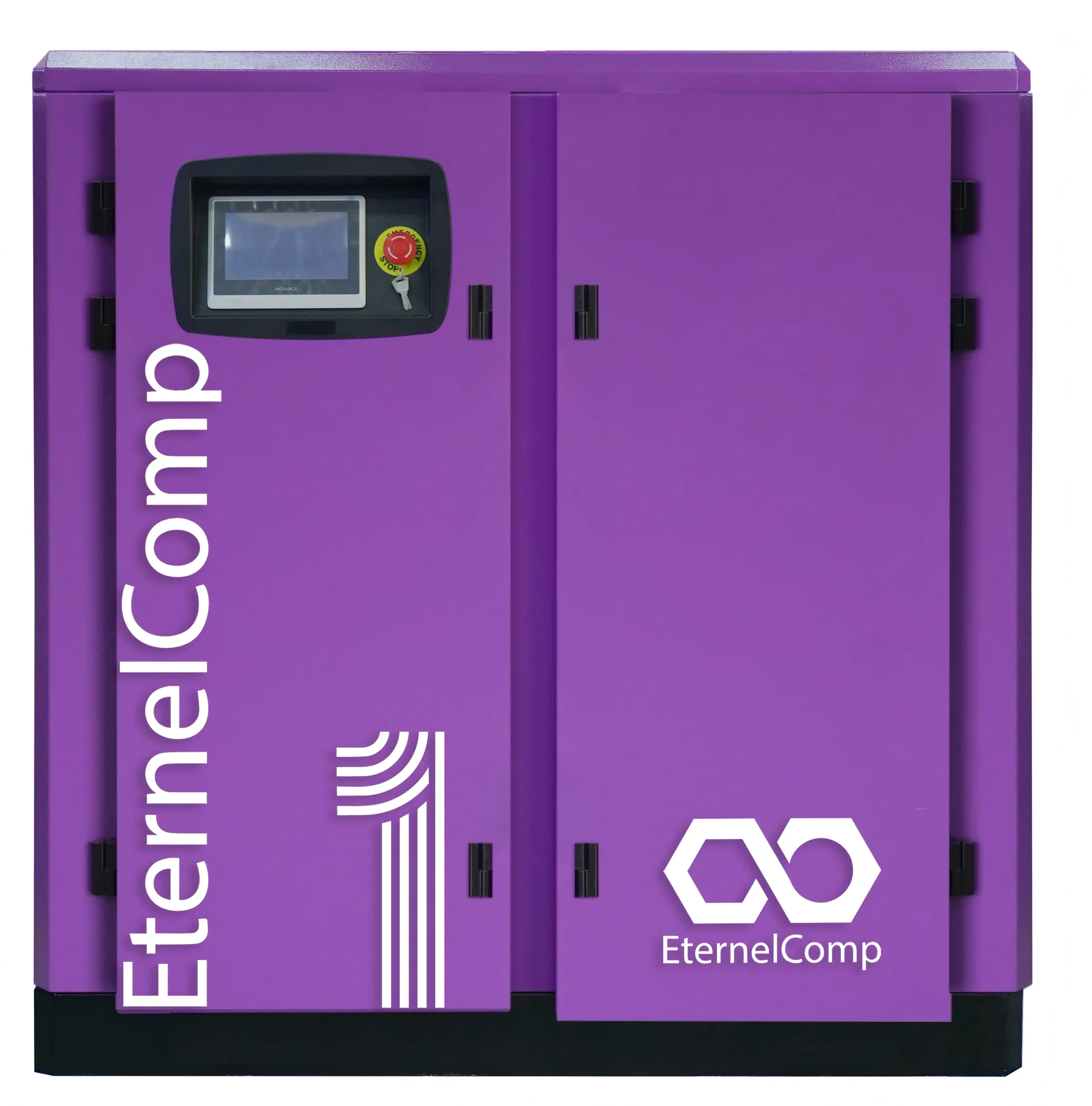
I compressori a vite senza olio eliminano il lubrificante dalla camera di compressione grazie a rotori lavorati con precisione e sincronizzati da ingranaggi di distribuzione all’interno di una scatola ingranaggi sigillata. Forniscono aria conforme alla norma ISO 8573-1 Classe 0 — intrinsecamente priva di olio alla fonte. Nel caso dei compressori d’aria destinati alla produzione di azoto nei settori alimentare, farmaceutico, elettronico e medico, i modelli senza olio eliminano il rischio di contaminazione da CMS nei sistemi PSA, una modalità di guasto che comporta costi di sostituzione dei materiali filtranti pari a decine di migliaia di dollari.
Il costo di investimento è superiore del 30-50% rispetto ai modelli equivalenti a iniezione d'olio, e gli intervalli di manutenzione del gruppo compressore sono più brevi. Tuttavia, l'eliminazione dei materiali di consumo per la filtrazione dell'olio e il ridotto rischio di contaminazione del CMS riducono il divario nel costo totale di proprietà su un orizzonte temporale di 5-10 anni.
Opzioni centrifughe e alternative
I compressori centrifughi sono intrinsecamente privi di olio ed eccellono nelle applicazioni ad alto volume, ma risultano competitivi in termini di costi solo al di sopra dei 500-800 CFM. Per i grandi impianti di azoto con più linee di processo, garantiscono un’efficienza eccellente con una manutenzione minima. I compressori a pistoni alternativi, limitati dal ciclo di funzionamento, dalla portata pulsante e dagli elevati costi di manutenzione, non dovrebbero essere utilizzati come compressori d’aria primari per i sistemi di generazione di azoto senza un’attenta progettazione del serbatoio di accumulo e una ridondanza in configurazione duplex.
Confronto tra tecnologie
| Criterio | Vite a iniezione d'olio | Compressore a vite senza olio | Centrifugo | Reciproco |
|---|---|---|---|---|
| Ciclo di lavoro | 100% | 100% | 100% | 60-70% |
| Trasferimento dell'olio (scarico) | 2-3 ppm | 0 (Classe 0) | 0 (Classe 0) | Variabile |
| Costo del capitale | $$ | $$$ | $$$$ | $ |
| Intervallo di manutenzione | 4.000-8.000 ore | 12.000-20.000 ore | Oltre 24.000 ore | 1.000-3.000 ore |
| La migliore gamma di capacità | 15-500 HP | 20-500 HP | da 150 a oltre 1.000 HP | da 5 a 30 HP |
| Stabilità del flusso | Eccellente | Eccellente | Buono | Pulsante |
Dimensionamento di un compressore d'aria in base alle esigenze di un generatore di azoto
Per dimensionare correttamente un compressore d’aria destinato al funzionamento di un generatore di azoto, occorre partire dal consumo nominale di aria compressa del generatore alla pressione di progetto, applicando poi un margine 10-20% per le perdite di sistema, il ridimensionamento dovuto all’altitudine e la domanda futura. La formula è: FAD richiesto del compressore = (Consumo d’aria del generatore × Fattore di altitudine × Fattore di invecchiamento) + Margine di sicurezza. Un sottodimensionamento del compressore d’aria per l’alimentazione del generatore di azoto causa una perdita di purezza; un sovradimensionamento comporta uno spreco di capitale ed energia.
Metodologia di dimensionamento
Determinare i requisiti del generatore. Procurarsi la scheda tecnica del generatore di azoto e individuare il valore del consumo di aria compressa — espresso in CFM, m³/min o Nm³/h — alla pressione di riferimento definita, in genere 7,5 o 10 bar.
Verificare la pressione di esercizio. Assicurarsi che la pressione di alimentazione richiesta dal generatore corrisponda alle specifiche di progetto dell'impianto. Un generatore che richiede 10 bar non può essere alimentato da un compressore d'aria destinato a un generatore di azoto dimensionato solo per 7 bar.
Applicare la correzione altitudinale. La densità dell'aria diminuisce con l'aumentare dell'altitudine, riducendo la portata del compressore. A 1.500 metri, un compressore con una portata nominale di 200 CFM a livello del mare potrebbe erogare solo 170 CFM. Utilizzare le tabelle di riduzione della potenza fornite dal produttore oppure i seguenti fattori approssimativi:
| Altitudine (m) | Altitudine (ft) | Fattore di ridimensionamento |
|---|---|---|
| 0-300 | 0-1,000 | 1.00 |
| 300-600 | 1,000-2,000 | 0.95 |
| 600-900 | 2,000-3,000 | 0.90 |
| 900-1,200 | 3,000-4,000 | 0.85 |
| 1,200-1,500 | 4,000-5,000 | 0.80 |
Tenere conto delle perdite del sistema. Le cadute di pressione negli essiccatori, nei filtri e nelle tubazioni riducono la portata effettiva del 3-5%. Aggiungere un margine di sicurezza del 5-10%.
Prevedere un margine di crescita. Il fabbisogno di azoto aumenta con l’espansione della produzione. Un margine aggiuntivo di 5-10% evita la sostituzione prematura.
Esempio risolto
Un generatore di azoto PSA con una portata nominale di 50 Nm³/h e una purezza del 99,91%, che consuma 180 Nm³/h di aria compressa a 10 bar, installato a 1.200 metri:
- Fabbisogno di base: 180 Nm³/h (≈106 CFM)
- Riduzione per altitudine: 180 ÷ 0,85 = 212 Nm³/h
- Perdite di sistema (7%): 212 × 1,07 = 227 Nm³/h
- Margine di crescita (8%): 227 × 1,08 = 245 Nm³/h
Il compressore d'aria per l'alimentazione del generatore di azoto deve erogare almeno 245 Nm³/h (≈144 CFM) di portata effettiva (FAD) a 10 bar. È richiesta come minimo un'unità a vite rotativa da 150 CFM, mentre una da 175-200 CFM garantisce un margine operativo.
Standard di qualità dell'aria per un compressore d'aria destinato a sistemi di generazione di azoto
La qualità dell’aria compressa è la variabile più critica nella scelta di un compressore d’aria per un generatore di azoto. Sia i generatori di azoto a membrana che quelli PSA richiedono che l'aria in ingresso sia conforme alla norma ISO 8573-1 Classe 1.4.1 o superiore — contenuto di olio ≤0,01 mg/m³, particolato ≤0,1 micron e punto di rugiada in pressione ≤+3 °C. Il mancato rispetto di questi standard provoca il degrado permanente della membrana o una contaminazione irreversibile del CMS, trasformando un compressore d’aria destinato a un generatore di azoto da una risorsa a un problema.
Impatti della contaminazione
I generatori di azoto a membrana sono estremamente sensibili agli aerosol oleosi e all’acqua liquida. L’olio ricopre le superfici delle fibre cave, riducendo l’area di permeazione e causando un progressivo calo della purezza. Una volta che l’olio penetra nel fascio di membrane, la sostituzione è in genere l’unica soluzione possibile. L’acqua liquida provoca il rigonfiamento fisico o la delaminazione delle strutture delle membrane, con conseguenze simili.
I generatori di azoto PSA sono esposti allo stesso rischio: i vapori d’olio e gli aerosol si adsorbono sul materiale del setaccio molecolare al carbonio (CMS), occupando i micropori destinati all’adsorbimento selettivo dell’ossigeno. Questo “avvelenamento” del CMS riduce la capacità operativa e la selettività. Una grave contaminazione da olio, causata da un compressore d’aria non adeguatamente filtrato utilizzato per l’alimentazione del generatore di azoto, richiede spesso la sostituzione completa del materiale filtrante, con costi che possono raggiungere decine di migliaia di dollari.
Configurazione del treno di trattamento
Un sistema di trattamento progettato correttamente per qualsiasi compressore d'aria utilizzato come generatore di azoto comprende i seguenti componenti disposti in serie:
- Separatore d'acqua e post-raffreddatore: rimuove l'acqua liquida in eccesso immediatamente dopo la compressione
- Filtro a coalescenza per uso generico: particelle fino a ≤1 micron, aerosol oleosi fino a ≤0,1 mg/m³
- Filtro coalescente ad alta efficienza: particelle fino a ≤0,01 micron, aerosol oleosi fino a ≤0,01 mg/m³
- Essiccatore d'aria a refrigerazione o ad adsorbimento: punto di rugiada in pressione fino a +3 °C (a refrigerazione) o da -40 °C a -70 °C (ad adsorbimento)
- Filtro a carbone attivo: vapori di olio residui e idrocarburi ≤ 0,003 mg/m³
- Filtro antipolvere: rimozione delle particelle fini di carbone a valle del letto di carbone attivo
Il apparecchiature per il trattamento dell'aria compressa L'impianto di filtrazione installato tra lo scarico del compressore e l'ingresso del generatore è fondamentale quanto la scelta del compressore d'aria stesso per il generatore di azoto. Risparmiare sulla filtrazione è l'errore più costoso che un impianto possa commettere.
Classi di qualità dell'aria secondo la norma ISO 8573-1
| Sostanza contaminante | Corso consigliato | Limite | Motivazione |
|---|---|---|---|
| Particelle solide | Classe 1 | ≤0,1 micron, ≤0,1 mg/m³ | Protegge i pori della membrana e i micropori del CMS |
| Acqua (PDP) | Classe 4 o Classe 2 | ≤+3 °C oppure ≤-40 °C | Previene i danni causati dall'acqua liquida |
| Total Oil | Classe 1 | ≤0,01 mg/m³ | Previene la formazione di incrostazioni sulla membrana e l'avvelenamento del CMS |
Efficienza energetica nei compressori d'aria utilizzati nei generatori di azoto
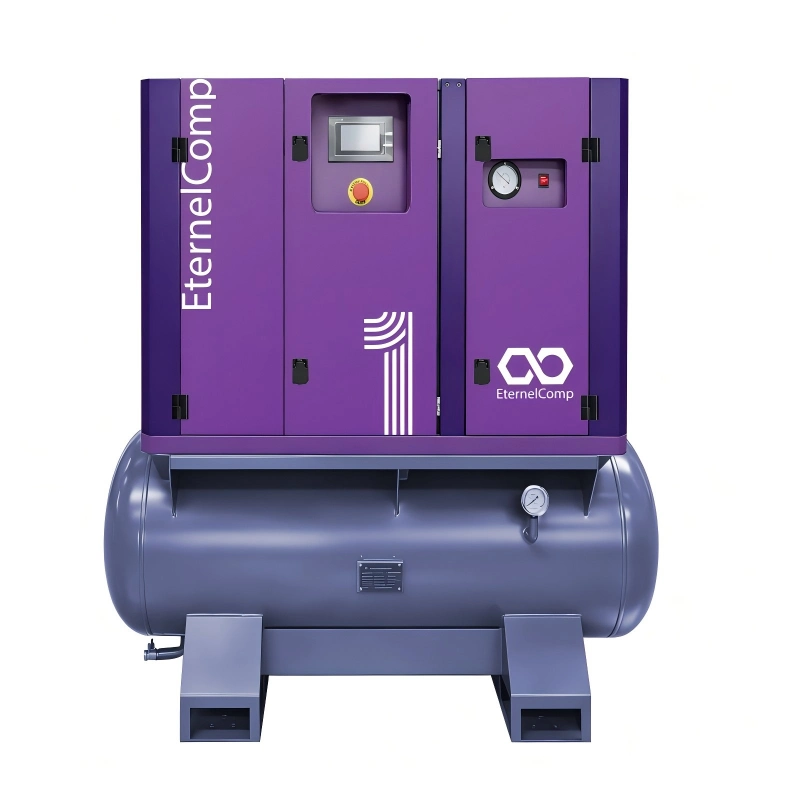
Il consumo energetico rappresenta il 70-80% del costo complessivo di un compressore d’aria utilizzato per la produzione di azoto. Un compressore a vite rotativa con azionamento a velocità variabile (VSD), dimensionato in base alla domanda effettiva anziché alla potenza nominale di picco, riduce in genere i costi energetici del 25-35% rispetto a un'unità a velocità fissa. Questo risparmio da solo consente di recuperare il costo aggiuntivo del VSD entro 18-24 mesi di funzionamento continuo del compressore d'aria per il generatore di azoto.
L'equazione dell'energia
Si consideri un compressore d'aria da 100 HP (75 kW) utilizzato come generatore di azoto, con un funzionamento di 8.000 ore all'anno e un costo di $0,10/kWh:
- Energia annua: 75 kW × 8.000 ore = 600.000 kWh
- Costo annuale dell'elettricità: $60.000
- Totale energetico decennale: $600.000
Il prezzo di acquisto compreso tra $30.000 e $60.000 viene recuperato nel primo anno. Il risparmio energetico è determinante. Un aumento dell’efficienza pari a 25% consente un risparmio annuo di $15.000 — $150.000 nell’arco della vita utile del compressore.
Velocità fissa vs. velocità variabile
| Punto di confronto | Velocità fissa | Velocità variabile (VSD) |
|---|---|---|
| Rendimento a pieno carico | 92-94% | 93-95% |
| Efficienza di carico 70% | 85-90% | 93-94% |
| Efficienza di carico 50% | 75-82% | 91-93% |
| Efficienza di carico 30% | 60-70% | 88-91% |
| Corrente di avviamento | 6-8× FLC | 1-2× FLC |
| Stabilità alla pressione | ±5-10 psi | ±1-2 psi |
| Payback contro velocità fissa | — | 12-24 mesi |
I compressori VSD adattano la velocità del motore alla richiesta d'aria, garantendo un'elevata efficienza su un ampio intervallo di regolazione. Ciò rappresenta un vantaggio per i sistemi di generazione di azoto con programmi di produzione variabili e migliora l'uniformità della purezza nel processo PSA grazie a un controllo più rigoroso della pressione.
Le strutture dovrebbero inoltre valutare il Soluzione per compressori d'aria — I settori alimentare e delle bevande, dell’elettronica e farmaceutico presentano ciascuno profili operativi distinti che determinano se una velocità fissa o variabile garantisca la massima redditività nel corso della vita utile del compressore d’aria per l’installazione di un generatore di azoto.
Potenziale di recupero di calore
I compressori a vite rotativa convertono circa 94% di energia elettrica in ingresso in calore, di cui circa 72% è recuperabile tramite i circuiti del radiatore dell’olio e del post-raffreddatore. I sistemi di recupero del calore reindirizzano questa energia termica verso il riscaldamento degli ambienti, il preriscaldamento dell’acqua di processo o l’acqua di alimentazione delle caldaie, migliorando l’efficienza complessiva dell’impianto del 5-10%.
Installazione e manutenzione di un compressore d'aria per garantire l'affidabilità del generatore di azoto
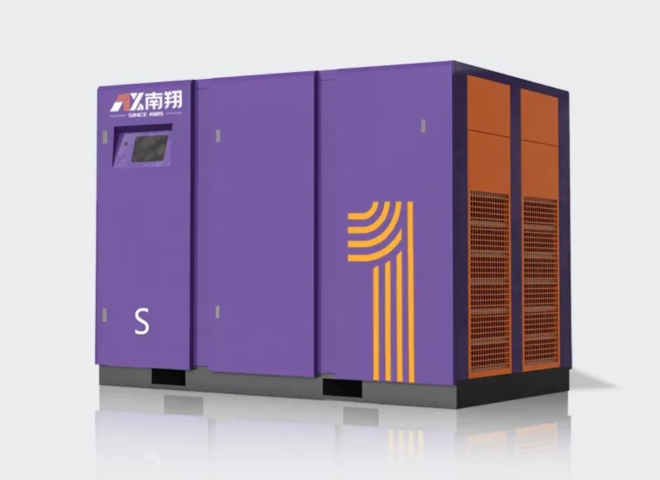
Un compressore d'aria correttamente installato per i sistemi di generazione di azoto richiede un'adeguata ventilazione che mantenga la temperatura ambiente al di sotto dei 40 °C, un isolamento dalle vibrazioni che ne impedisca la trasmissione al telaio del generatore, un'alimentazione elettrica con caduta di tensione inferiore a 3% e una gestione della condensa conforme alle normative ambientali. Trascurare uno qualsiasi di questi requisiti riduce la durata del compressore, aumenta la frequenza degli interventi di manutenzione e compromette la stabilità della produzione di azoto.
Nozioni fondamentali sull'installazione
Le condizioni ambientali del locale compressori influiscono direttamente sull’affidabilità di qualsiasi compressore d’aria impiegato come generatore di azoto. Temperature ambientali superiori ai valori massimi nominali — in genere 40-46 °C per le unità a vite rotativa — causano una riduzione della potenza erogata o interventi di sicurezza dovuti alle alte temperature. Il sistema di ventilazione deve fornire un flusso d’aria pari a circa 2,5-3,0 volte la potenza del motore in CFM per dissipare il calore generato.
Le fondamenta devono essere livellate e in grado di sostenere sia i carichi statici che quelli dinamici. Gli isolatori antivibranti o le basi inerziali impediscono la trasmissione delle vibrazioni a bassa frequenza al generatore di azoto — un aspetto fondamentale per proteggere l'integrità del modulo a membrana e il riempimento del letto CMS.
La gestione della condensa riveste grande importanza sia dal punto di vista operativo che normativo. Gli impianti ad aria compressa producono notevoli volumi di condensa contenenti tracce di olio. I separatori olio-acqua devono trattare tale condensa prima dello scarico, in conformità con i requisiti del Clean Water Act negli Stati Uniti o con le normative locali equivalenti.
Programma di manutenzione preventiva
| Componente | Intervallo | Azione |
|---|---|---|
| Elemento filtrante dell'aria | 2.000 ore o 3 mesi | Controllare; sostituire in caso di caduta di pressione pari a 0,3 psi |
| Filtro dell'olio | 2.000-4.000 ore | Sostituire con un componente originale |
| Olio per compressori | 4.000-8.000 ore | Analisi dei campioni; sostituzione in base alle condizioni |
| Elemento separatore d'olio | 4.000-8.000 ore | Sostituire; monitorare la pressione differenziale |
| Filtri a coalescenza | 4.000 ore o 6 mesi | Sostituire per indicatore |
| Filtro a carbone attivo | 1.000-2.000 ore | Sostituisci; la saturazione aumenta il rischio di breakthrough |
| Cinghie di trasmissione | 2.000 ore | Controllare la tensione e l'usura |
| Cuscinetti del compressore (senza olio) | 20.000-40.000 ore | Revisione programmata |
Monitoraggio predittivo
I controllori dei compressori abilitati all’IoT trasmettono i dati operativi — temperatura, pressione, corrente, stato dell’olio, differenziali dei filtri — alle piattaforme cloud. Le strategie di manutenzione predittiva pianificano gli interventi in base alle condizioni effettive anziché a intervalli fissi. Nel caso di un compressore d’aria per sistemi di generazione di azoto, in cui i fermi macchina non programmati bloccano la produzione, il monitoraggio predittivo riduce le riparazioni di emergenza del 40-60% e prolunga la durata dei componenti, individuando il degrado prima che si verifichi un guasto.
Gli audit annuali sull’aria compressa — individuazione delle perdite, analisi del profilo di pressione e campionamento della qualità dell’aria in ingresso al generatore — dovrebbero essere integrati nel sistema di gestione della qualità dell’impianto per ogni compressore d’aria destinato all’installazione di un generatore di azoto.
Matrice decisionale: scelta del compressore d'aria più adatto per l'impiego in un generatore di azoto
Quando più opzioni soddisfano i requisiti tecnici, una matrice decisionale ponderata consente un confronto oggettivo:
| Criterio di selezione | Peso | Opzione A: Senza olio, a velocità fissa (1-5) | Opzione B: A velocità fissa con lubrificazione a olio + Trattamento (1-5) | Opzione C: VSD lubrificato a olio + trattamento avanzato (1-5) |
|---|---|---|---|---|
| Rispetta i valori di portata e pressione alle condizioni del sito | 25% | 5 | 4 | 5 |
| Conformità alla norma ISO 8573-1 relativa alla qualità dell'aria | 20% | 5 | 4 | 4 |
| Efficienza energetica (kW/100 CFM) | 20% | 3 | 4 | 5 |
| Costo di investimento (attrezzature + installazione) | 15% | 2 | 4 | 3 |
| Costo di manutenzione quinquennale | 10% | 3 | 3 | 4 |
| Assistenza del fornitore e disponibilità dei ricambi | 5% | 4 | 4 | 3 |
| Condizioni e durata della garanzia | 5% | 4 | 3 | 3 |
Assegnare a ciascuna opzione un punteggio da 1 (scadente) a 5 (eccellente), moltiplicarlo per il peso attribuito e calcolare la somma. Ciò evita il rischio di parzialità legata alla fedeltà al marchio e garantisce che il compressore d’aria selezionato per il generatore di azoto sia in linea con le priorità operative e gli obiettivi relativi ai costi di ciclo di vita. Valutando metodicamente portata, qualità dell’aria, tecnologia, efficienza e facilità di manutenzione, i team addetti agli acquisti si assicurano un compressore in grado di garantire una produzione affidabile di azoto per gli anni a venire.
Domande frequenti
Qual è la pressione minima che deve erogare un compressore d'aria per i sistemi di generazione di azoto?
La maggior parte dei generatori di azoto PSA e a membrana richiede una pressione di alimentazione minima compresa tra 6,5 e 7,5 bar (95-110 psi). Al di sotto di questa soglia, la purezza dell’azoto diminuisce poiché i meccanismi di separazione — permeazione selettiva nelle membrane, adsorbimento differenziale nei sistemi PSA — dipendono da specifici rapporti di pressione. I sistemi PSA ad alta purezza, progettati per ottenere un'uscita pari a 99,999%, operano spesso a 10-13 bar (145-190 psi) per massimizzare la capacità operativa del CMS e ottenere una rimozione più completa dell’ossigeno.
È possibile utilizzare un compressore d'aria già presente nell'impianto come compressore per l'alimentazione di un generatore di azoto?
Un compressore d’aria già presente nell’impianto può essere utilizzato come generatore di azoto solo se si verificano tre condizioni: eroga una portata sufficiente alla pressione del generatore pur soddisfacendo tutte le altre esigenze dell’impianto; la qualità dell’aria a valle soddisfa i requisiti della norma ISO 8573-1 Classe 1.4.1 all’ingresso del generatore; ed è progettato per il funzionamento continuo al carico richiesto. Nella maggior parte degli impianti, l’aria di impianto opera a 7-8 bar, mentre i generatori di azoto richiedono pressioni più elevate; pertanto, un compressore d’aria dedicato ai sistemi di generazione di azoto rappresenta la configurazione più affidabile.
In che modo l'altitudine influisce sulla scelta delle dimensioni di un compressore d'aria per gli impianti di generazione di azoto?
L'altitudine riduce la densità dell'aria, diminuendo la portata massica. A 1.500 metri (5.000 piedi), la potenza del compressore diminuisce del 15-20% rispetto ai valori nominali a livello del mare. Anche il generatore di azoto subisce una riduzione della portata, poiché l’aria più rarefatta contiene un numero inferiore di molecole di azoto per unità di volume. Entrambi questi effetti richiedono l’impiego di un compressore d’aria proporzionalmente più potente per alimentare il generatore di azoto in siti situati ad alta quota.