
Воздушные компрессоры это выносливые машины. Они работают часами, а иногда и днями, не жалуясь. Но время от времени что-то идет не так. Вопрос в том, заметите ли вы это вовремя? За годы работы мы видели достаточно компрессорных - некоторые с прогоревшими прокладками, некоторые с оплавленной проводкой, несколько с настоящим дымом - и общая картина всегда одна и та же. Кто-то проигнорировал ранний предупреждающий знак, потому что не был уверен, достаточно ли это серьезно, чтобы нажать кнопку "стоп".
Здесь рассматриваются случаи, когда воздушный компрессор необходимо немедленно отключить. А не “звонить в сервисную службу, когда удобно”. Сейчас.

Перегрев, который не прекращается
Воздушный компрессор работает в горячем режиме по своей конструкции. При сжатии выделяется тепло. Системы охлаждения справляются с этим теплом. Но когда система охлаждения не справляется, ситуация становится опасной.
Как выглядит перегрев
- Повышение температуры разгрузки до 105°C (220°F) на вращающемся винте с масляным наполнением
- Загорелась и не гаснет сигнальная лампа температуры масла
- Горячий, едкий запах, исходящий от устройства (горящее масло или краска)
- Повторное срабатывание тепловой перегрузки
Если воздушный компрессор перегревается, а причина не очевидна - засорился радиатор, мало масла, плохой вентилятор - выключите его. Если он работает, это ничего не даст. Внутренние зазоры увеличиваются, масло разрушается, а уплотнения выходят из строя. Видел вращающийся винт, который сам себя сварил, потому что оператор думал, что “он может остыть сам по себе”. Этого не произошло.
Необычные звуки, которые означают неприятности
Воздушные компрессоры шумят. Это нормально. Но есть разница между обычным механическим гулом и звуками, сигнализирующими о скорой поломке.
Шумы, требующие немедленного выключения
| Звук | Вероятная причина | Почему закрыли |
|---|---|---|
| Громкие стуки или удары | Ослабление шатуна, неисправность подшипника или поломка клапана | Детали могут пробить корпус; опасность поражения осколками |
| Высокочастотный визг | Проскальзывание ремня (при ременном приводе) или заедание подшипников | Ремень может порваться; заклинивший подшипник может заблокировать ротор |
| Металлическое шлифование | Контакт ротора с ротором (винтовые компрессоры) или контакт поршня со стенкой цилиндра | Внутренние повреждения уже происходят; бег усугубляет их |
| Громкое шипение из неожиданного места | Большая утечка воздуха из-за разрыва шланга или неисправного фитинга | Внезапная разгерметизация может привести к разрыву шлангов; разлетающиеся осколки |
Любой воздушный компрессор, который внезапно издает неправильный звук, нужно остановить. Подойдите к нему. Прислушайтесь. Если этот звук не слышен каждый день, нажмите кнопку аварийной остановки. Перезапуск после ложного срабатывания занимает секунды. Восстановление компрессора, у которого вырвало шток, занимает недели.
Утечка масла или жидкости под давлением
Небольшие утечки - обычное дело. Несколько капель масла тут и там - раздражает, но не всегда срочно. Но когда масло разбрызгивается или воздушный компрессор теряет масло быстрее, чем обычно, - это совсем другое дело.
Утечки, требующие немедленных действий
- Разбрызгивание масла из неисправного шланга или фитинга (опасность возгорания)
- Масло, смешанное с водой (эмульсия, молочный вид), указывает на неисправность охладителя
- Внезапное падение уровня масла без видимой внешней утечки (нарушение внутреннего уплотнения)
Безмасляные воздушные компрессоры В них нет масла в камере сжатия, что позволяет избежать некоторых из этих проблем. Но в них все еще есть подшипники и шестерни, которые нуждаются в смазке. Утечка в этих системах не менее актуальна.
Если из воздушного компрессора течет масло и оно находится под давлением, то есть вытекает с силой, а не просто просачивается, остановите его. Масляный туман в горячем компрессорном помещении - это пожар, который только и ждет, чтобы случиться.
Проблемы с электричеством и запах гари
Проблемы с электричеством могут быть как едва заметными, так и серьезными. В любом случае, они требуют внимания.
Электрические знаки, на которые следует обратить внимание
1. Запах гари из двигателя или панели управления. Не “горячий”, а действительно горящий, как будто плавится пластик или изоляция.
2. Чрезмерное искрение на щетках двигателя (на старых устройствах) или контакторах.
3. Частые срабатывания выключателя, которые сразу же сбрасываются и снова срабатывают.
4. Видимый дым из любой части воздушного компрессора.
Воздушный компрессор с проблемами в электропроводке может стать причиной пожара. Такое случается нечасто, но бывает. Неисправная обмотка двигателя замыкается, потребляет чрезмерный ток и нагревается до тех пор, пока не загорится изоляция. Время между “забавным запахом” и “пламенем” может быть очень коротким.
Выключите компьютер, по возможности безопасно отключите питание и вызовите электрика. Не возобновляйте работу, пока проблема не будет выявлена и устранена.
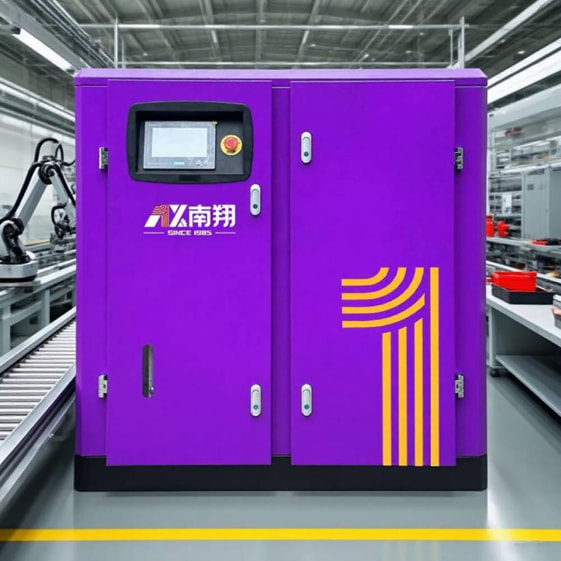
Ненормальная вибрация или тряска
Все компрессоры вибрируют. Рециркуляционные - больше, чем винтовые. Но вибрация, которая внезапно меняется или становится намного сильнее, является тревожным сигналом.
Причины внезапного повышения вибрации
- Несбалансированный маховик или шкив (отсутствует противовес или повреждена деталь)
- Неисправный подшипник двигателя, вызывающий шатание ротора
- Ослабление крепежных болтов (компрессор смещается на своем основании)
- Внутренние повреждения (сломанный поршень, погнутый коленчатый вал)
Заметно трясущийся воздушный компрессор опасен. Он может сойти с площадки, нарушить соединения трубопроводов или выкинуть деталь. Отключите его до того, как что-то выйдет из строя.
Когда открывается предохранительный клапан
Предохранительный клапан - это последняя линия обороны. Он должен открываться, если давление становится слишком высоким. Если он открывается, когда воздушный компрессор работает при нормальном рабочем давлении, это серьезная проблема.
Что означает работа предохранительного клапана
- Неисправность реле давления (не отключается при заданном давлении)
- Засорение нагнетательного трубопровода (давление заперто между компрессором и обратным клапаном)
- Неисправность регулятора давления или системы управления
Воздушный компрессор, у которого сработал предохранительный клапан, необходимо немедленно отключить. Давление превышает расчетный предел емкости. Это не ситуация поиска неисправностей - это ситуация “убрать всех”. Снимите давление, отключите питание и выясните, почему отказали первичные средства управления.
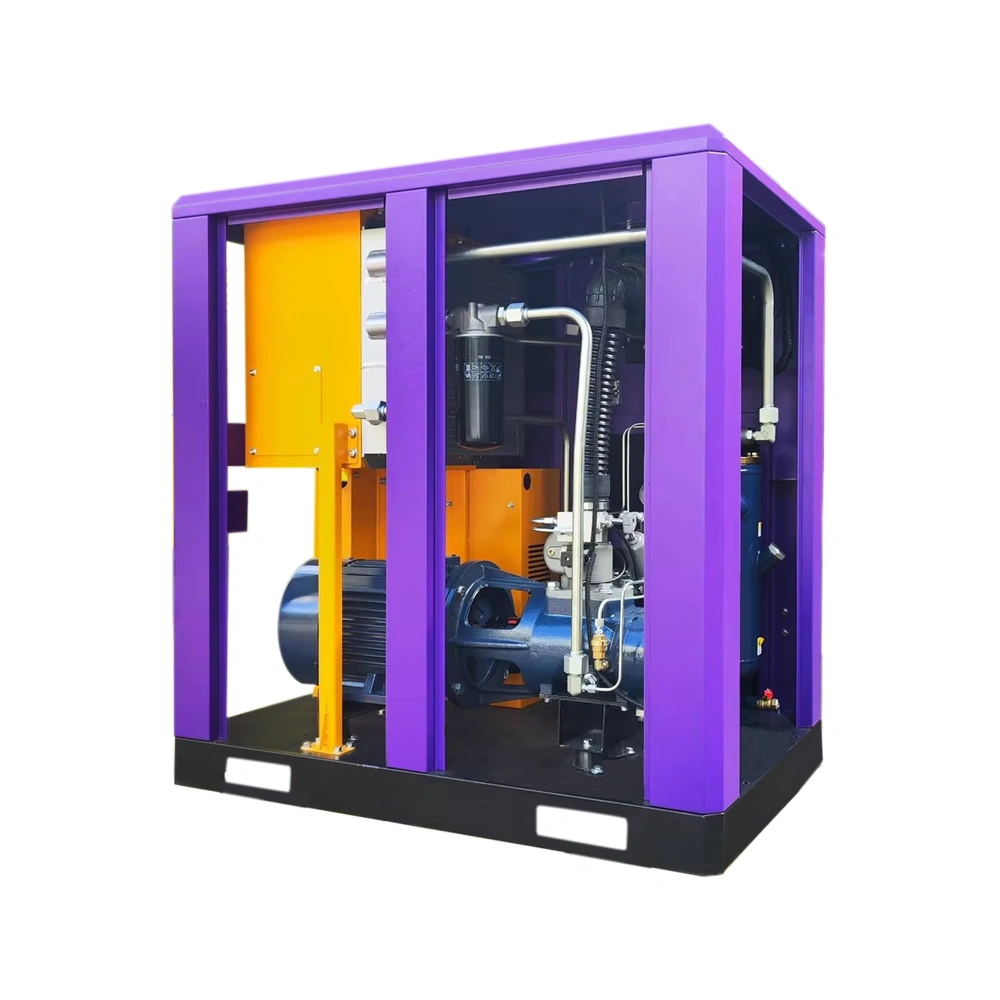
Сводная информация о триггерах аварийного отключения
Быстрый контрольный список для быстрого принятия решений:
- Температура разряда превышает 105°C и растет? Отключить.
- Громкий стук или скрежет? Выключите.
- Масло разбрызгивается под давлением? Выключить.
- Запах гари или дым? Отключитесь.
- Заметно трясется или ходит? Отключитесь.
- Предохранительный клапан лопнул? Отключить.
Те, что не столь срочны - небольшая утечка масла, слегка повышенная температура в жаркий день, ремень, который скрипит при запуске - они могут подождать планового технического обслуживания. А вот те, что выше, - нет.
Часто задаваемые вопросы
Какая температура является слишком высокой для воздушного компрессора?
Для маслозаполненных винтовых компрессоров температура нагнетания не должна превышать 105°C (220°F). При превышении этого значения масло быстро деградирует. Если температура достигает 110°C и продолжает расти, немедленно остановите компрессор.
Можно ли запустить воздушный компрессор после аварийной остановки, ничего не проверяя?
Нет. После любой срочной остановки воздушный компрессор нуждается в полной проверке. Найдите первопричину. Устраните ее. Протестируйте его. Затем перезапустите. Пропуск этого этапа - это то, как мелкие проблемы превращаются в крупные поломки.
В чем разница между нормальным рабочим шумом и опасным шумом?
Нормальный шум - это постоянный гул, щелчок и выброс воздуха в каждом цикле. Опасный шум - новый, внезапный или меняющийся. Если воздушный компрессор звучит иначе, чем вчера, стоит разобраться. Если он звучит так, будто что-то ломается, выключите его.