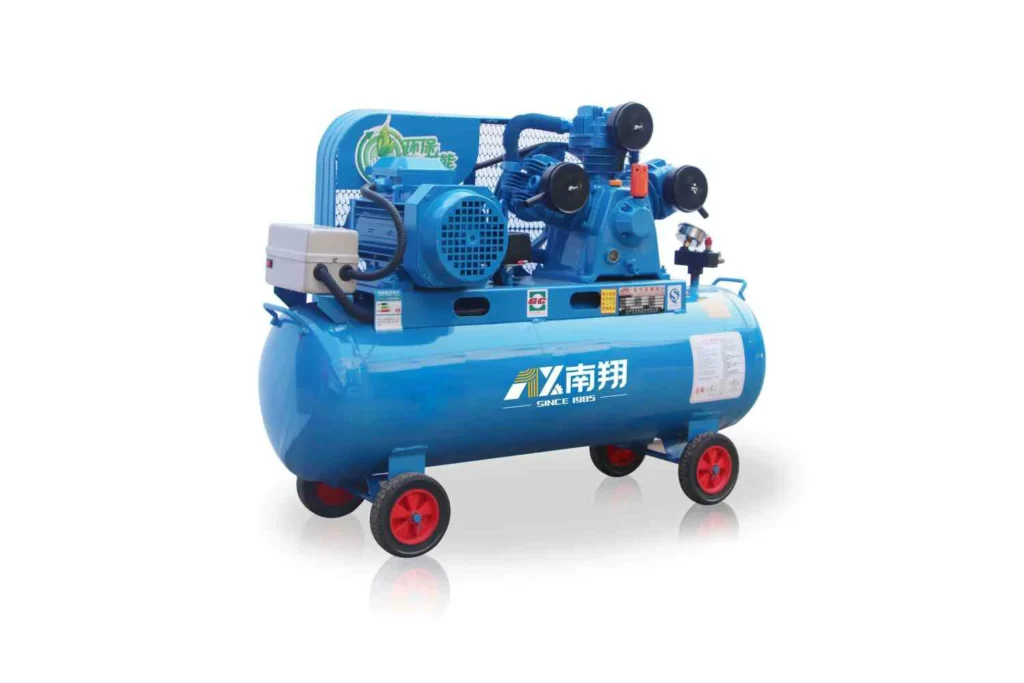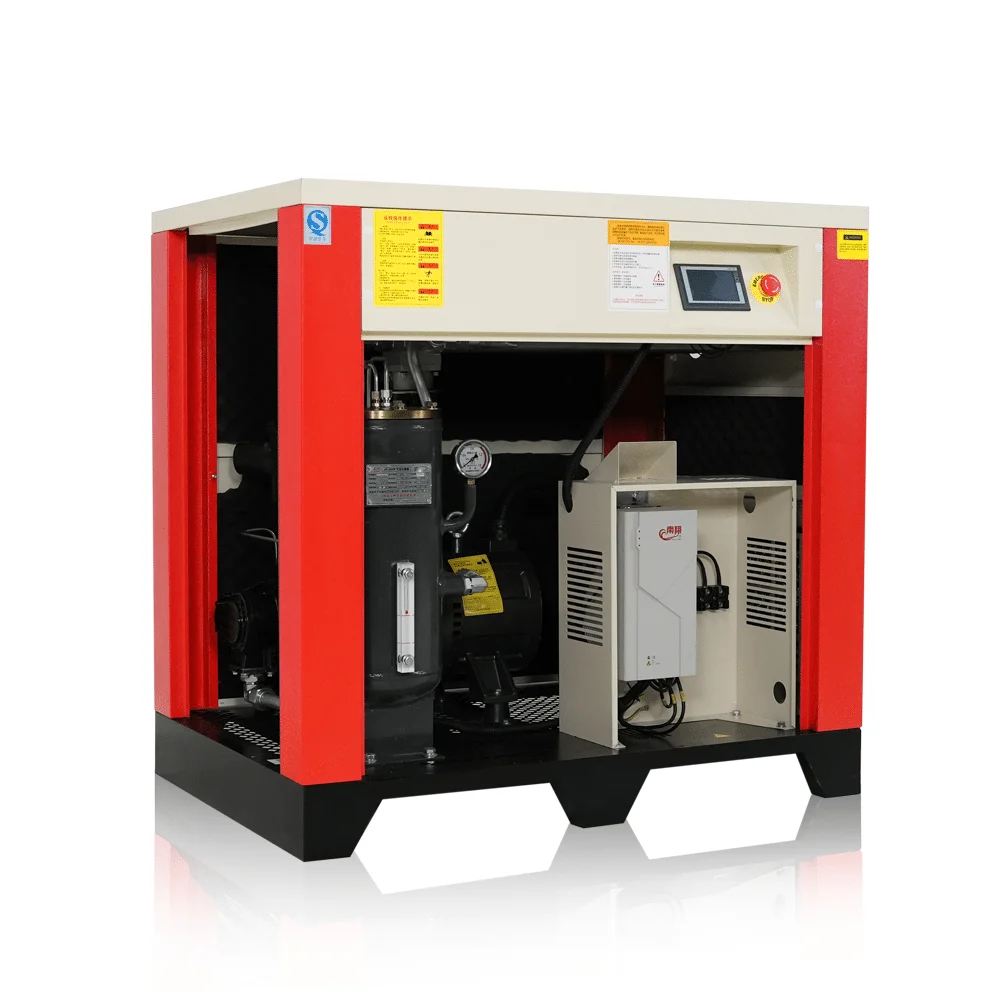
Air compressors have become essential tools in workshops, garages, and industrial settings worldwide. Whether for inflating tires, powering pneumatic tools, or handling spray painting projects, finding the right air compressor can make a significant difference in efficiency and results. But with so many options flooding the market, the selection process gets overwhelming pretty quickly.
This guide breaks down everything worth knowing before making a purchase—from understanding basic types to evaluating specifications that actually matter.
Understanding How Air Compressors Work
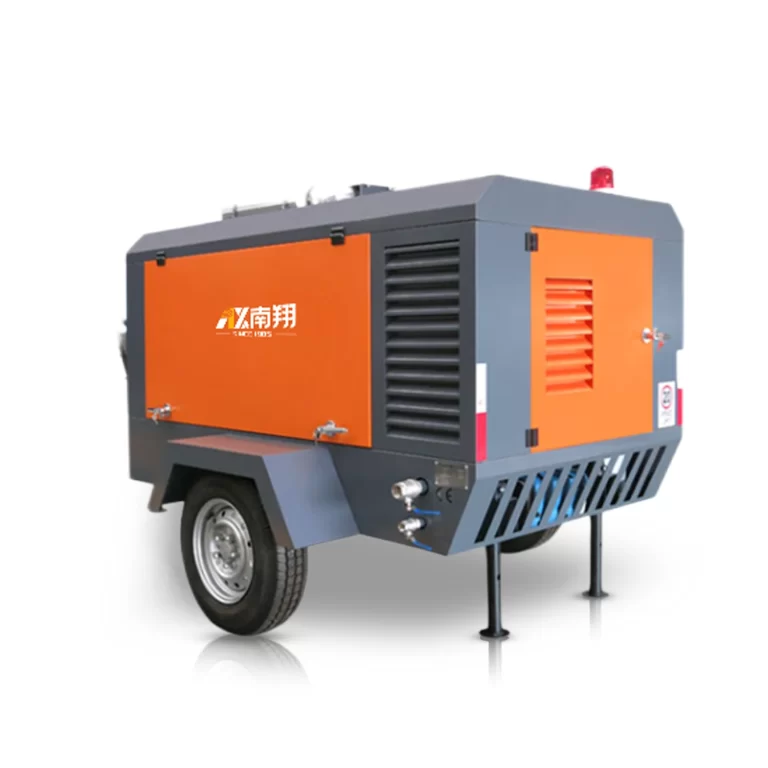
At its core, an air compressor converts power into pressurized air stored in a tank. When the compressed air is released, it provides the energy needed to operate various tools and equipment. Simple enough in theory, though the mechanics vary quite a bit depending on the type.
The tank size, motor power, and delivery rate all play roles in determining what tasks an air compressor can handle effectively. Bigger isn’t always better, which is something many first-time buyers tend to overlook.
Типы воздушных компрессоров
Choosing an air compressor starts with understanding the main types available:
Рециркуляционные (поршневые) компрессоры
These work using pistons to compress air inside cylinders. They’re popular for home workshops and come in single-stage or two-stage configurations. Single-stage models suit lighter tasks, while two-stage versions deliver higher pressures for demanding applications.
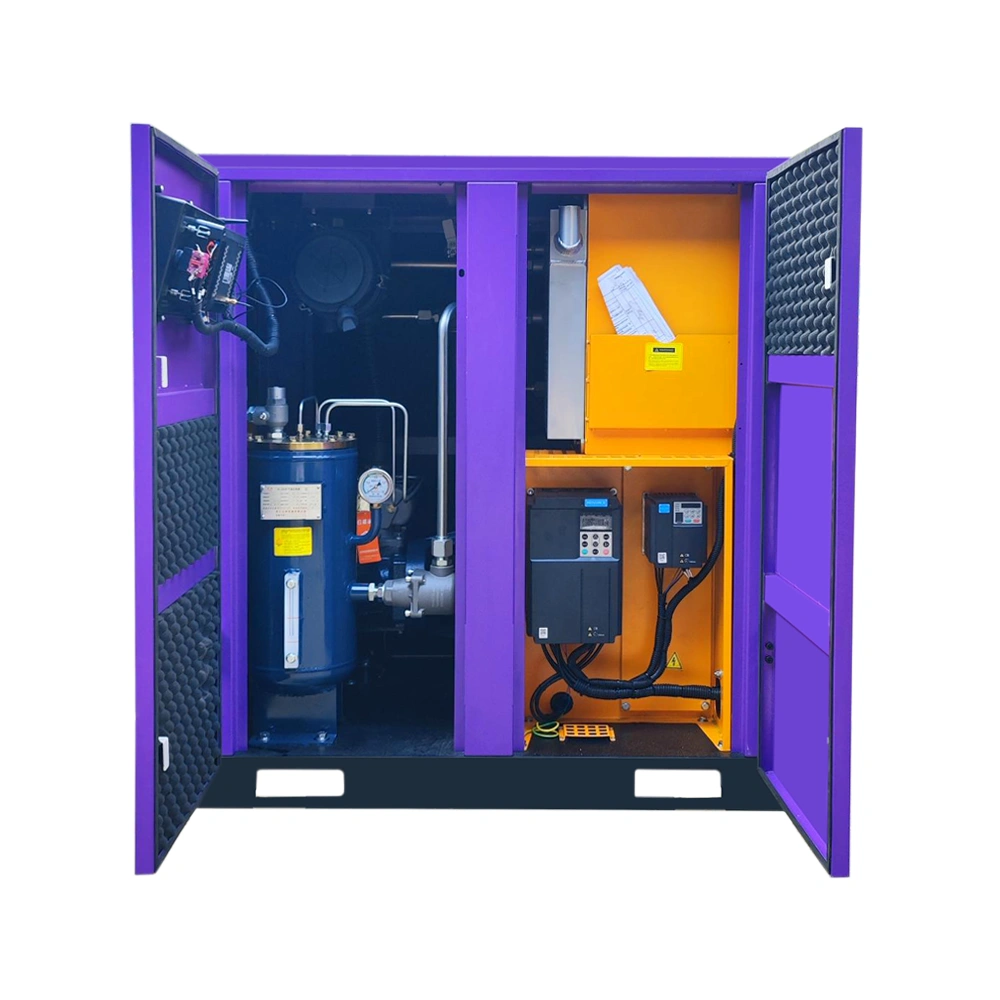
Ротационные винтовые компрессоры
Common in industrial environments, these use rotating screws to compress air continuously. They run quieter and handle heavy workloads better than piston models—though they cost considerably more.
Pancake and Hot Dog Compressors
Named for their tank shapes, these portable options work well for light-duty tasks like nail guns or inflating. They’re compact, easy to move around, and affordable. Not meant for continuous use, obviously.
Key Specifications to Consider
Numbers on spec sheets can seem confusing, but a few metrics deserve close attention when shopping for an air compressor.
| Технические характеристики | What It Means | Why It Matters |
|---|---|---|
| CFM (Cubic Feet per Minute) | Airflow rate the compressor delivers | Determines which tools it can power |
| PSI (Pounds per Square Inch) | Maximum pressure output | Must match or exceed tool requirements |
| Tank Size (Gallons) | Air storage capacity | Larger tanks mean longer run times |
| Horsepower (HP) | Motor power rating | Affects overall performance and CFM |
| Цикл работы | Percentage of time it can run continuously | Important for extended use applications |
Matching CFM to Your Tools
Perhaps the most critical specification when selecting an air compressor is CFM rating. Every pneumatic tool requires a certain CFM to function properly, and running tools with insufficient airflow causes performance issues and potential damage.
Here’s a rough breakdown of CFM requirements for common tools:
• Brad nailer: 0.5–1 CFM
• Finish nailer: 1–2 CFM
• Impact wrench: 4–5 CFM
• Spray gun: 4–8 CFM
• Sander: 6–10 CFM
• Grinder: 5–8 CFM
A practical approach? Add up the CFM requirements of tools likely to be used simultaneously, then add about 30% as a buffer. Running an air compressor at maximum capacity constantly wears it out faster.
Учет размеров резервуара
Tank capacity affects how often the motor kicks in to refill. Smaller tanks (1–6 gallons) suit intermittent use—think brad nailing or tire inflation. Larger tanks (20–80+ gallons) become necessary when powering tools that demand continuous airflow.
The trade-off involves portability. A 60-gallon tank provides plenty of air supply but stays put in one location. Meanwhile, a 6-gallon pancake compressor goes wherever the job is.
Oil-Free vs. Oil-Lubricated Models
This choice often trips up buyers. Both have legitimate uses depending on the situation.
Oil-free air compressors require minimal maintenance and produce cleaner air—important for painting or sensitive applications. They’re generally lighter and more affordable. However, they tend to run louder and don’t last quite as long under heavy use.
Компрессоры с масляной смазкой run cooler and quieter while offering longer service life. The downside: regular oil changes and monitoring. They also weigh more and cost a bit extra upfront.
For occasional home use, oil-free models make practical sense. For professional or industrial applications where the air compressor runs frequently, oil-lubricated versions typically prove worthwhile despite the maintenance requirements.
Noise Levels and Work Environment
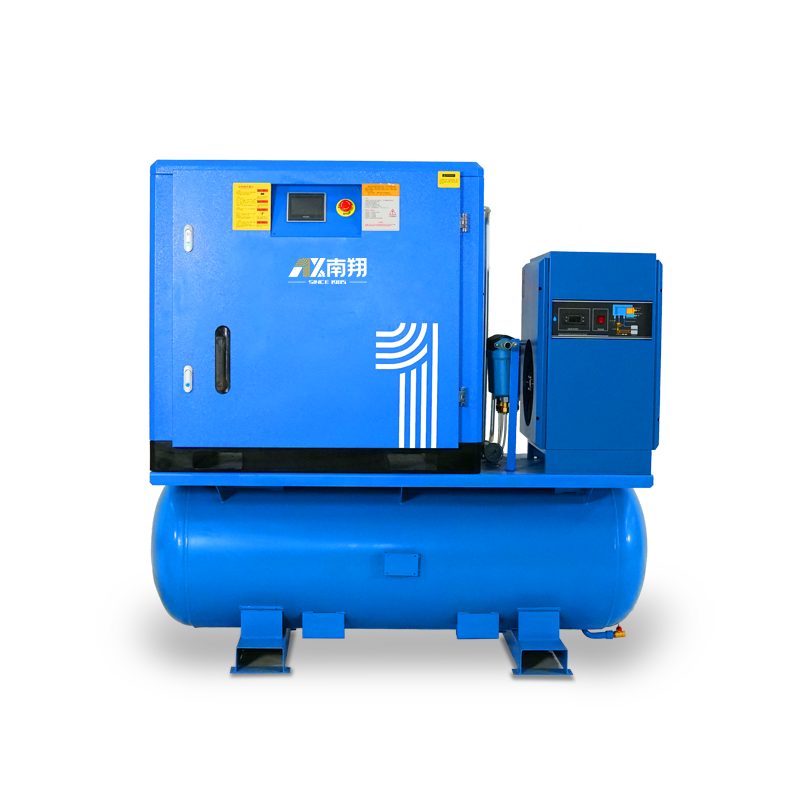
Something often forgotten until it becomes a problem—noise. Standard air compressors operate anywhere from 70 to 90+ decibels, which is uncomfortably loud for enclosed spaces or residential areas.
Ultra-Quiet Options
Manufacturers now offer “quiet” or “silent” air compressor models rated below 60 decibels. These cost more but create far more pleasant working conditions. Worth considering for indoor workshops or situations where noise restrictions apply.
When choosing an air compressors, it is important to take the following factors into consideration:
1. Тип воздушных компрессоров. Рекомендуется выбирать тип воздушного компрессора в соответствии с потребностями пользователя в давлении и расходе воздуха, механическими характеристиками (низкая вибрация, низкий уровень шума) и приспособленностью к переменным условиям.
2. Экономичность работы воздушной компрессорной установки, которая включает в себя единичное потребление электроэнергии (кВтч/км3) или пара (т/км3) воздушным компрессором, качество и потребление воды (т/км3) для охлаждения воды, необходимой воздушному компрессору, и выгоду от тепловой энергии воздушного компрессора; кроме того, выбор соответствующих технических параметров (объем выхлопа, давление выхлопа) воздушного компрессора является предпосылкой того, может ли воздушный компрессор удовлетворить производственные требования и может ли он работать экономично;
3. Стоимость установки и обслуживания. Рекомендуется выбирать воздушный компрессор с простой установкой и низкой стоимостью обслуживания.
Выбор воздушного компрессора должен основываться на следующих процедурах:
1. Изучите требования пользователя (давление воздуха, расход воздуха, температура воздуха, влажность воздуха, которые должны быть достигнуты пользователем);
2. Рассчитайте сопротивление между выходом воздушного компрессора и точкой пользователя;
3. Определите номинальное давление выхлопа (номинальное давление выхлопа агрегата может быть принято в 1,1 раза больше теоретических данных в соответствии с фактическим расчетом), объем выхлопа, температуру выхлопа после обработки воздушного компрессора устройством доочистки;
4. Выберите соответствующую систему электрического управления и самоконтроля в соответствии с требованиями к автоматической работе агрегата;
5. Составить технические требования к воздушному компрессору для подготовки закупки;
6. Провести полевые исследования производителей и пользователей воздушных компрессоров, чтобы понять уровень производства и производственные мощности производителей, а также глубоко изучить реальные отзывы пользователей воздушных компрессоров;
7. Проведите тендерные закупки воздушных компрессоров, сформулируйте разумные критерии оценки и выберите воздушный компрессор с наивысшими показателями стоимости в ходе тендера;
8. После подписания контракта на поставку оборудования необходимо провести очное согласование технической документации с поставщиком воздушного компрессора для формирования технического соглашения по воздушному компрессору в качестве приложения к контракту.
Общие ошибки, которых следует избегать
Even experienced buyers make errors when choosing an air compressor:
- Focusing only on PSI while ignoring CFM ratings
- Underestimating tank size needs for the intended application
- Forgetting about accessories (hoses, fittings, regulators)
- Overlooking duty cycle limitations
- Buying the cheapest option without considering long-term costs
An air compressor that can’t keep up with demands creates frustration and potentially costs more in the long run when replacement becomes necessary.
Часто задаваемые вопросы
Какой размер воздушного компрессора мне нужен для домашнего использования?
A 6-gallon portable unit with 2-3 CFM handles most home tasks like inflation and light nailing.
How long do air compressors typically last?
Quality models last 10-15 years with proper maintenance; cheaper units may need replacement after 3-5 years.
Can I use any air compressor for spray painting?
No—spray painting requires consistent CFM (typically 4-8) and clean, dry air. Many standard compressors fall short without additional filtration.