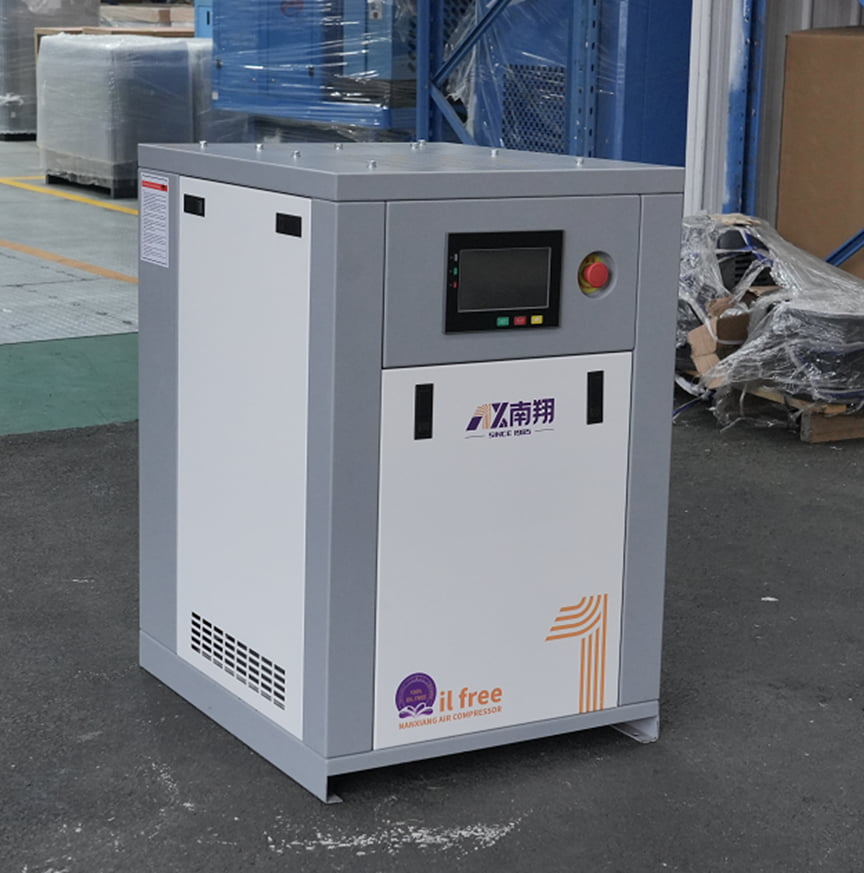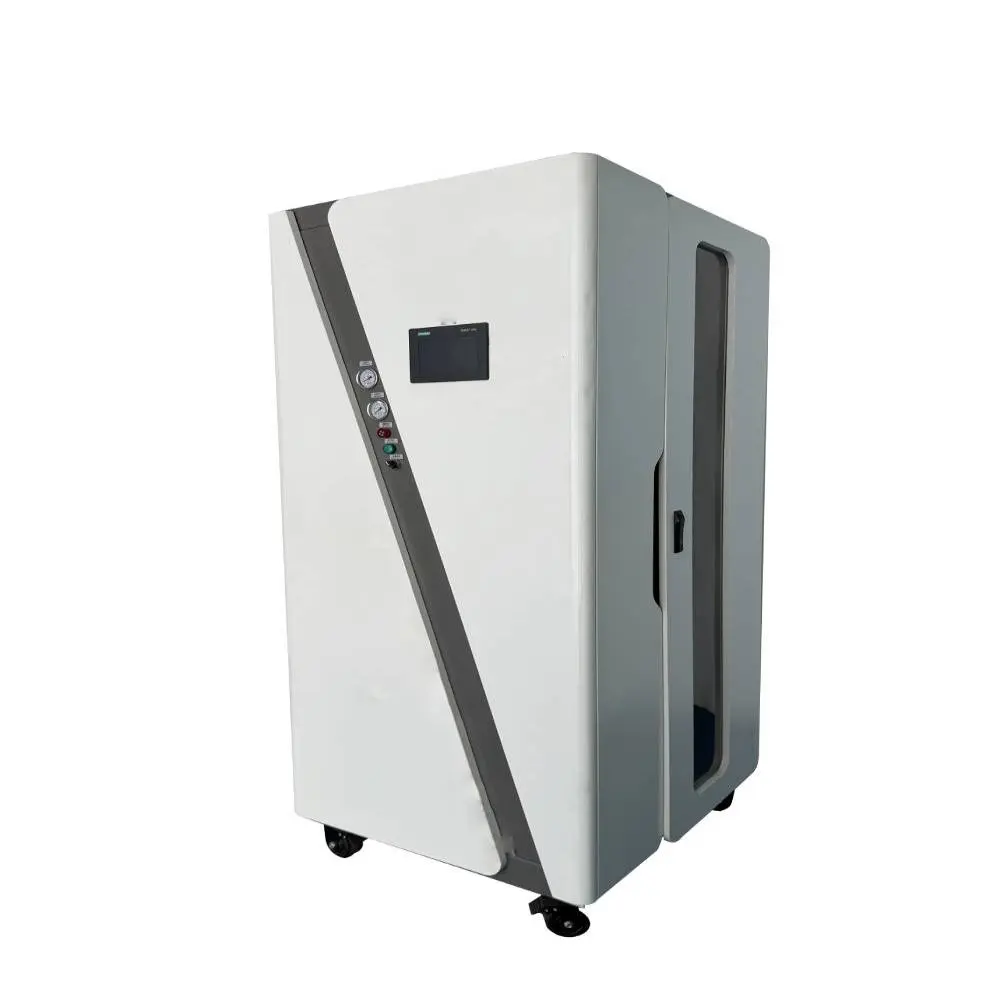
Выбор правильного промышленного роторно-винтового воздушного компрессора - это не просто вопрос выбора самого большого двигателя или самой низкой цены. На многих предприятиях сжатый воздух используется в производственных линиях, пневматических инструментах, упаковочном оборудовании, станках с ЧПУ, текстильных машинах и других повседневных операциях. Если компрессор слишком мал, давление становится нестабильным. Если он слишком большой, затраты на электроэнергию могут незаметно увеличиваться каждый месяц.
Для покупателей, сравнивающих Промышленный роторно-винтовой воздушный компрессор, Поэтому лучше отталкиваться от реальных условий работы: потребность в воздухе, давление, время работы, качество воздуха, место для установки и долгосрочное обслуживание.

Начните с потребности в воздухе: CFM - это больше, чем лошадиная сила
Одна из распространенных ошибок - выбор компрессора в основном по мощности. Мощность важна, но она не должна быть первой точкой принятия решения. На первом месте должны стоять расход воздуха и давление.
В руководстве по подбору компрессоров Atlas Copco также отмечается, что покупатели должны в первую очередь обращать внимание на расход воздуха, давление, область применения и качество воздуха, а лошадиную силу подбирать уже потом.
Как оценить потребление воздуха
Практичный способ - составить список всего оборудования, в котором будет использоваться сжатый воздух:
- Запишите каждый пневматический инструмент или машину.
- Проверьте требуемый CFM или м³/мин для каждого элемента.
- Оцените, сколько инструментов будет работать одновременно.
- Добавьте разумный запас прочности.
- Учитывайте возможность расширения производства в будущем.
Например, если в мастерской есть несколько пневматических инструментов, но одновременно работают только два или три, компрессор не должен обеспечивать работу каждого инструмента с полной нагрузкой в течение всего дня. Однако если производственной линии требуется постоянная подача воздуха, компрессор должен обеспечивать непрерывную работу.
Почему занижение размеров является проблемой
Компрессор с заниженными размерами может стать причиной:
- Перепады давления
- Слабая производительность пневматического инструмента
- Более длительное время производства
- Перегрузка компрессора
- Более частые проблемы с техническим обслуживанием
Почему чрезмерный размер - это тоже проблема
Избыточный размер может показаться более безопасным, но он может создать другую проблему: нерациональное использование энергии. Компрессор, размер которого значительно превышает реальные потребности, может тратить слишком много времени на разгрузку или работать неэффективно. Для заводов с длительным рабочим днем это может оказаться дорогостоящим.
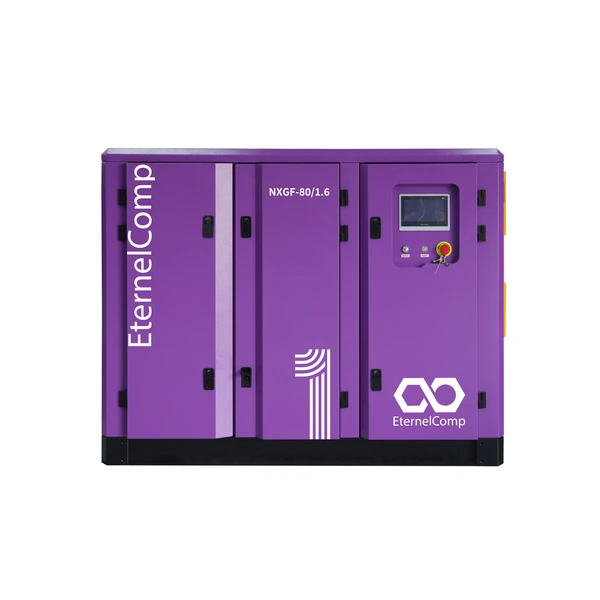
Подберите подходящее рабочее давление
Давление обычно измеряется в PSI или барах. Многие покупатели считают, что более высокое давление лучше, но это не всегда так. Компрессор должен соответствовать требуемому давлению оборудования, плюс потери давления от фильтров, осушителей, труб и расстояния.
Если на самом деле машине требуется всего 7 бар, выбор компрессора с гораздо более высоким давлением может привести к увеличению потребления энергии без повышения производительности.
| Фактор выбора | Что проверить | Почему это важно |
|---|---|---|
| Поток воздуха | Общее количество CFM или м³/мин | Предотвращает дефицит давления |
| Давление | Требуемый PSI или бар на конце оборудования | Обеспечивает правильную работу инструментов |
| Цикл работы | Рабочие часы в день | Помогает выбрать винтовой или поршневой тип |
| Качество воздуха | Ограничения по содержанию масла, влаги и частиц | Защищает продукты и оборудование |
| Источник питания | Напряжение, фаза и частота | Позволяет избежать проблем с установкой |
| Доступ к услугам | Фильтры, масло, запасные части | Сокращает время простоя |
Выбор между компрессорами с масляной и безмасляной смазкой
Еще одно важное решение - выбрать винтовой компрессор с масляной смазкой или безмасляную модель.
Когда имеет смысл использовать ротационные винтовые компрессоры с масляной смазкой
Винтовые компрессоры с масляной смазкой широко используются в общепромышленном применении. Масло помогает в смазке, уплотнении и охлаждении, что делает компрессор долговечным и экономически эффективным для многих заводов.
Они широко используются в:
- Металлообработка
- Текстильное производство
- Деревообработка
- Машиностроение
- Автомобильный сервис
- Упаковочные линии
- Общезаводская подача воздуха
Для многих промышленных пользователей винтовой компрессор с масляной смазкой - это практичный баланс между производительностью, сроком службы и стоимостью покупки.
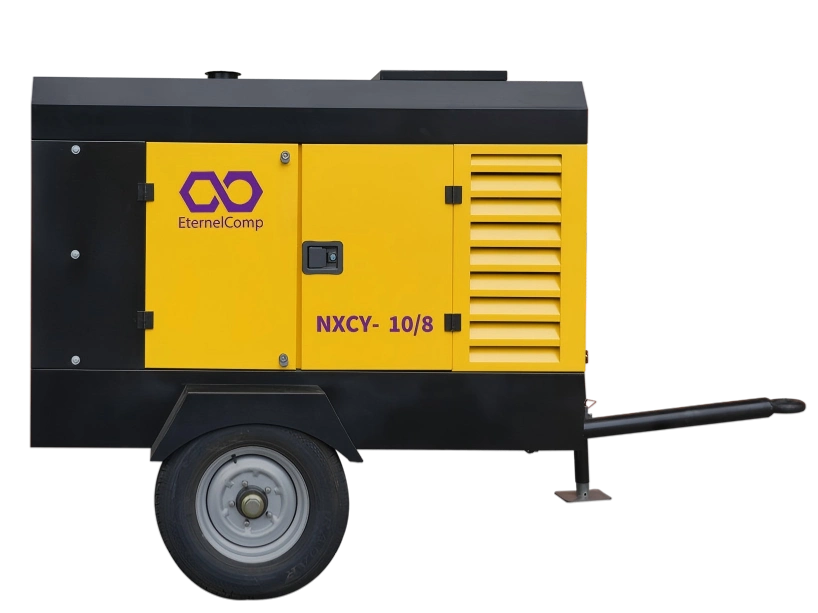
Когда необходим безмасляный воздух
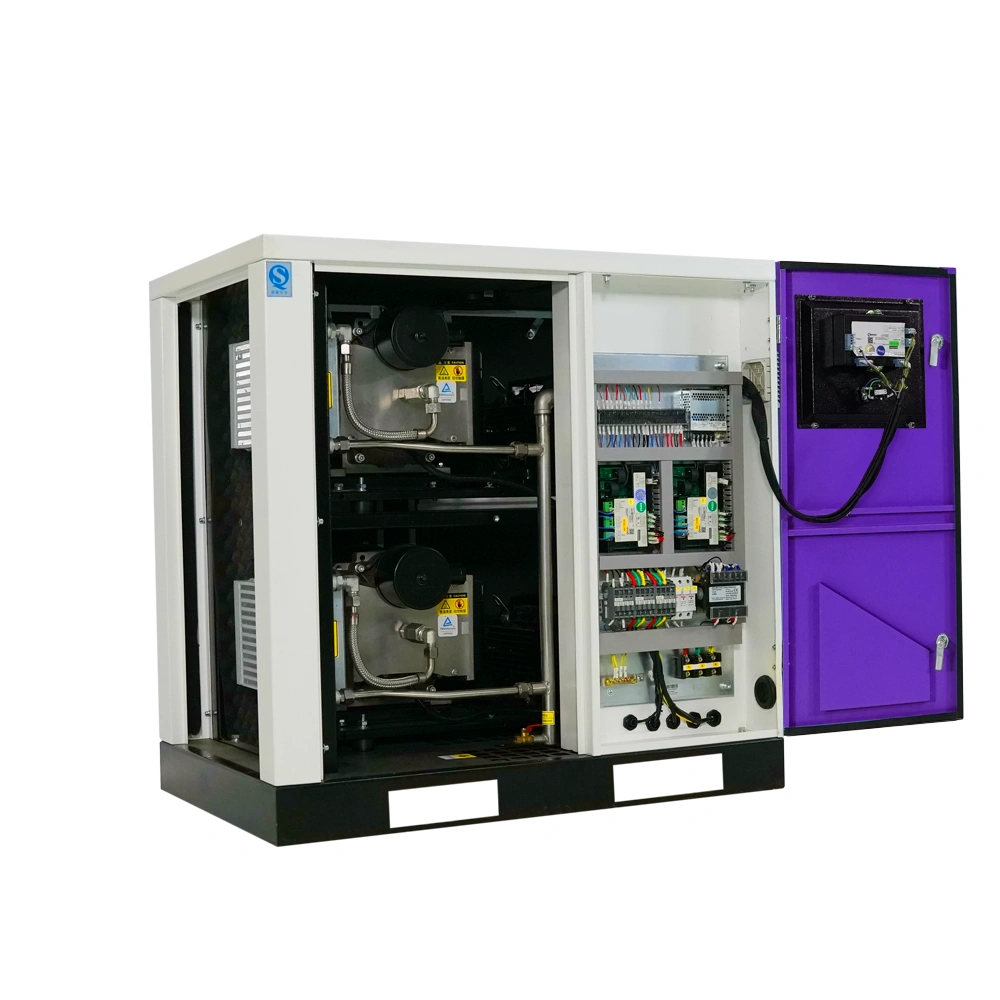
Некоторые отрасли промышленности не могут мириться с риском загрязнения сжатого воздуха маслом. В таких случаях необходимо использовать безмасляный воздушный компрессор может быть более безопасным выбором.
Безмасляный воздух часто требуется в:
- Производство продуктов питания и напитков
- Фармацевтическое производство
- Электроника
- Производство, связанное с медициной
- Прецизионные процессы со строгими требованиями к чистоте воздуха
Однако безмасляные компрессоры обычно имеют более высокую стоимость приобретения и могут требовать более жесткого обслуживания. Поэтому решение должно основываться на технологических требованиях, а не только на идее, что “безмасляный компрессор звучит лучше”.”
Сравните роторно-винтовые и поршневые компрессоры
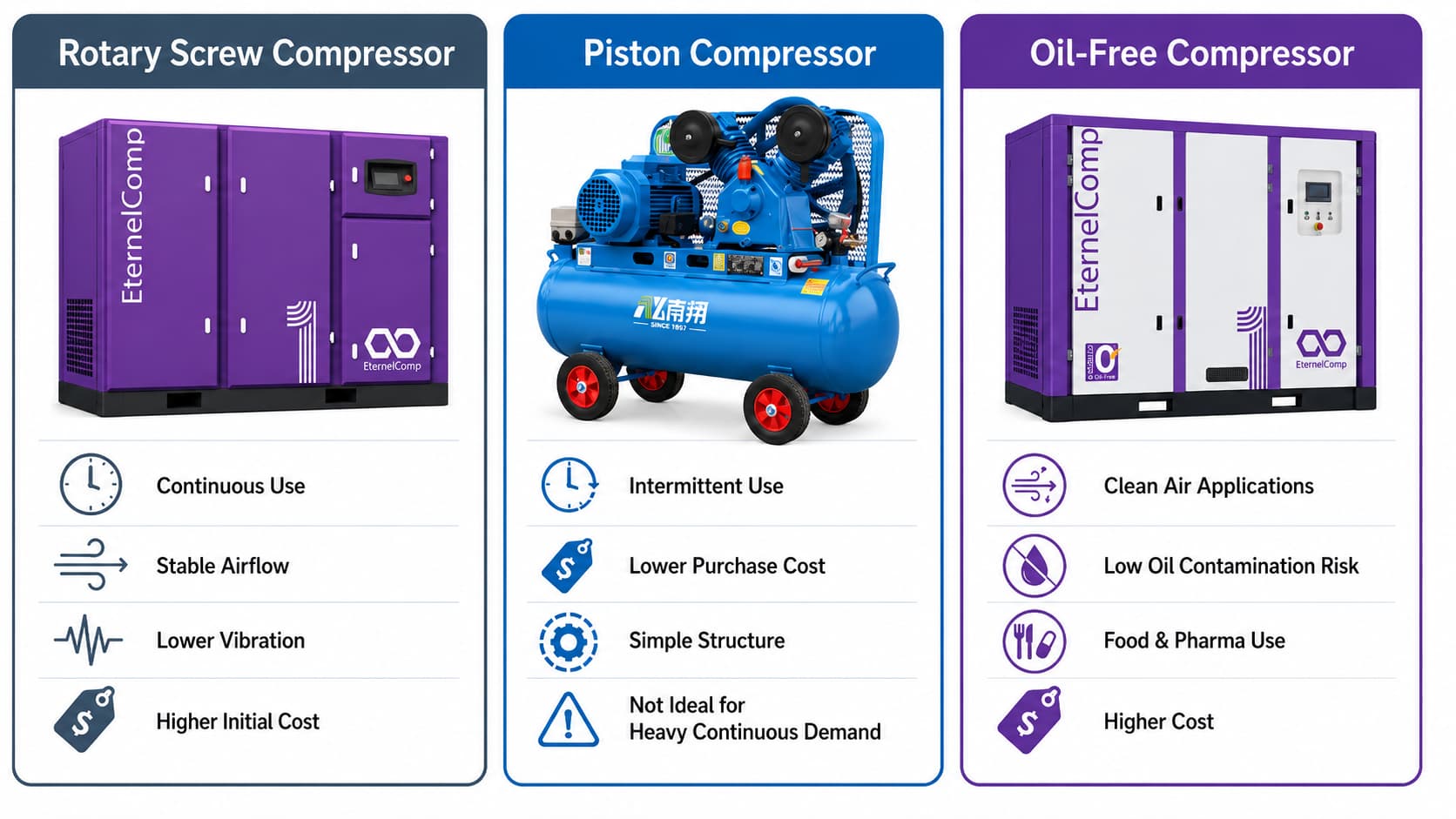
Винтовые компрессоры не всегда являются единственно возможным выбором. Для небольших мастерских или периодического использования воздуха можно использовать Поршневой воздушный компрессор с масляной смазкой может быть практичным.
| Тип компрессора | Лучшее для | Преимущества | Ограничения |
|---|---|---|---|
| Роторно-винтовой компрессор | Непрерывное промышленное использование | Стабильный поток воздуха, низкая вибрация, подходит для длительной работы | Более высокая первоначальная стоимость |
| Поршневой компрессор | Прерывистая или меньшая потребность в воздухе | Низкая стоимость покупки, простая конструкция | Не идеально подходит для длительного интенсивного использования |
| Безмасляный компрессор | Применение для очистки воздуха | Снижает риск загрязнения масла | Более высокая стоимость, более жесткие требования к обслуживанию |
Проще говоря, винтовые компрессоры обычно лучше подходят для заводов со стабильной и постоянной потребностью в воздухе. Поршневые компрессоры больше подходят для тех случаев, когда потребность в воздухе носит эпизодический характер, невелика или чувствительна к бюджету.
Не игнорируйте осушитель, резервуар и фильтрацию
Компрессор сам по себе не всегда обеспечивает воздух, пригодный для производства. Влага, масляный туман и частицы могут оставаться в системе сжатого воздуха. В зависимости от области применения, системе может потребоваться:
- Резервуар для ресивера
- Рефрижераторный осушитель воздуха
- Сушилка с осушителем
- Прецизионные фильтры
- Водонефтяной сепаратор
- Автоматический слив
- Правильное расположение трубопроводов
Например, в процессе покраски, на упаковочной линии или в прецизионном пневматическом инструменте может потребоваться более чистый и сухой воздух, чем для обычного пневматического пистолета в мастерской. Если осушитель и фильтры игнорируются, пользователи могут обвинить компрессор, хотя на самом деле проблема заключается в плохой очистке воздуха.
Программа проверки производительности CAGI предоставляет проверенные третьей стороной данные по роторным компрессорам и рефрижераторным осушителям, что может помочь покупателям сравнить производительность оборудования более объективно.
Учитывайте энергоэффективность и общую стоимость
Цена покупки - это только одна часть реальных затрат. Для промышленных компрессоров стоимость электроэнергии может стать одним из самых больших долгосрочных расходов.
Именно поэтому покупатели должны сравнивать:
- Эффективность двигателя
- Удельная мощность
- Фиксированная скорость в сравнении с приводом с переменной скоростью
- Управление загрузкой и разгрузкой
- Утечка воздуха в системе
- Перепад давления в трубе
- Стоимость обслуживания
- Наличие запасных частей
Если на заводе потребность в воздухе стабильна в течение всего дня, может хорошо работать винтовой компрессор с фиксированной скоростью. Если же потребность в воздухе меняется в течение дня, то модель с частотно-регулируемым приводом может помочь снизить потери энергии.
Министерство энергетики также предоставляет инструменты и руководство по сжатому воздуху для повышения производительности системы и экономии энергии, что показывает, насколько важна эффективность на уровне системы, а не только самого компрессора.
Оценка технического обслуживания и сервисной поддержки
В реальной промышленной эксплуатации сервисная поддержка часто оказывается важнее, чем ожидают покупатели. Компрессор с хорошими техническими характеристиками может стать проблемой, если фильтры, масло, сепараторы или техническую поддержку трудно получить.
Перед покупкой проверьте:
- Понятен ли график технического обслуживания?
- Имеются ли в наличии запасные части?
- Отзывчива ли техническая поддержка?
- Может ли поставщик предоставить руководство по установке?
- Легко ли заменить масло, фильтры, ремни и сепараторы?
- Четко ли объяснена гарантия?
Это особенно важно для заводов, где простой компрессора может остановить производство. Более дешевая машина может оказаться не такой уж и дешевой в долгосрочной перспективе, если обслуживание происходит медленно или трудно найти запасные части.
Распространенные ошибки при выборе промышленного роторно-винтового воздушного компрессора
Вот некоторые распространенные проблемы, возникающие при покупке компрессоров:
- Выбор только по мощности
- Игнорирование фактической потребности в CFM
- Покупка без учета потерь давления
- Забудьте об осушителях воздуха и фильтрах
- Использование воздуха с масляной смазкой в чувствительных к маслу процессах
- Игнорирование напряжения и условий монтажа
- Ориентируясь только на цену покупки
- Отсутствие планирования будущего расширения производства
- Выбор поставщика без проверки сервисной поддержки
Процесс выбора не обязательно должен быть сложным. Просто он должен основываться на реальных условиях эксплуатации, а не на грубых предположениях.
Заключение
Правильный выбор промышленного винтового воздушного компрессора должен соответствовать реальной потребности в воздухе, рабочему давлению, рабочему циклу, требованиям к качеству воздуха и долгосрочным эксплуатационным расходам. Лучший выбор - это не всегда самый большой компрессор или самое дешевое предложение. Это тот компрессор, который может поддерживать производство надежно, эффективно и с приемлемым техническим обслуживанием.
Для непрерывной подачи воздуха на заводе часто выбирают винтовой компрессор. Но для производств с чистым воздухом могут потребоваться безмасляные модели. Для небольших или периодических применений могут подойти поршневые компрессоры. Главное - делать выбор в соответствии с реальными условиями работы, а не только по названию машины.
Вопросы и ответы
1. Лучше ли винтовой компрессор, чем поршневой, для заводов?
Для постоянного промышленного использования обычно больше подходит винтовой компрессор, поскольку он может обеспечить стабильный поток воздуха в течение длительного времени работы. Однако для небольших мастерских или эпизодического использования воздуха поршневой компрессор может оказаться экономически выгодным выбором.
2. Нужен ли каждому заводу безмасляный воздушный компрессор?
Нет. Безмасляные компрессоры используются в основном в тех случаях, когда производственный процесс не терпит загрязнения маслом. Во многих общепромышленных областях могут использоваться компрессоры с масляной смазкой при условии надлежащей фильтрации и подготовки воздуха.
3. Как часто необходимо проводить техническое обслуживание промышленного винтового воздушного компрессора?
Интервалы обслуживания зависят от времени работы, условий эксплуатации, типа масла и рекомендаций производителя. Пыльные, горячие или высоконагруженные условия работы обычно требуют более внимательного обслуживания, чем чистые и малонагруженные условия.