Jika jaringan listrik adalah sumber kehidupan pabrik modern, sistem udara bertekanan adalah paru-parunya. Sistem ini menghembuskan kehidupan ke dalam alat pneumatik, mengontrol katup, dan menjaga jalur perakitan tetap bergerak. Namun, inilah masalahnya tentang paru-paru: Anda tidak menyadarinya sampai mereka berhenti bekerja.
Berjalan ke lantai pabrik, Anda sering kali dapat langsung mengetahui apakah manajer fasilitas memilih yang tepat produsen kompresor udara industri. Ada ritme khusus untuk pabrik yang dikelola dengan baik - dengungan daripada deru. Ketika peralatan yang salah dipilih, biasanya hanya berdasarkan harga stiker, ritme tersebut rusak karena seringnya alarm berbunyi, masalah kelembaban di saluran, dan tampilan panik kru pemeliharaan yang mencoba mencari filter eksklusif pada hari Jumat sore.
Memilih produsen bukan hanya tentang membeli mesin; ini adalah tentang menggabungkannya ke dalam rantai pasokan dan jaringan pendukung. Ini adalah hubungan jangka panjang yang akan menghemat ribuan biaya energi atau menguras anggaran operasional Anda melalui inefisiensi.

1. Menilai Permintaan Aktual Anda (Vs. Apa yang Dikatakan oleh Tenaga Penjual)
Bahkan sebelum Anda membuka katalog atau menjelajahi situs web, Anda perlu melihat ke dalam. Tenaga penjual suka menjual tenaga kuda. Mereka akan melihat ukuran fasilitas Anda dan menyarankan unit sekrup putar 100HP karena “lebih baik memilikinya daripada tidak membutuhkannya.”
Itu adalah saran yang berbahaya. Kompresor yang terlalu besar tidak hanya membutuhkan biaya yang lebih mahal di awal, tetapi juga bekerja secara tidak efisien. Kompresor, terutama jenis sekrup putar kecepatan tetap, tidak suka bekerja tanpa muatan. Hal ini akan merusak ujung udara dan membuang banyak listrik.
- Hitung CFM, bukan hanya HP: Tenaga kuda adalah metrik yang tidak jelas. Anda perlu mengetahui persyaratan Kaki Kubik per Menit (CFM) Anda pada PSI tertentu.
- Mengaudit Siklus Kerja: Apakah Anda beroperasi 24/7? Atau apakah Anda memiliki satu shift di mana permintaan mencapai puncaknya pada pukul 10 pagi dan kemudian menurun?
Jika permintaan Anda berfluktuasi secara liar (yang biasanya terjadi di bengkel atau manufaktur campuran), produsen yang menggunakan unit kecepatan tetap standar tanpa menanyakan profil beban Anda adalah tanda bahaya. Anda mungkin membutuhkan unit Variable Speed Drive (VSD), tetapi hanya produsen yang tertarik dengan efisiensi jangka panjang Anda yang akan meluangkan waktu untuk menghitung ROI bersama Anda.
Keputusan "Kelas 0": Bebas Minyak vs Suntikan Minyak
Sebelum menentukan produsen, Anda harus menentukan persyaratan kemurnian Anda. Di sinilah saya sering melihat pembeli B2B mengeluarkan biaya yang berlebihan atau pengeluaran yang sangat rendah.
Sebagian besar manufaktur umum (plastik, fabrikasi logam, perakitan) berjalan dengan sempurna pada kompresor sekrup yang diinjeksi oli. Unit-unit ini mengandalkan oli untuk pendinginan dan penyegelan, dan dengan penyaringan yang tepat, udaranya cukup bersih untuk alat pneumatik. Mereka adalah pekerja keras di industri ini-tahan lama dan hemat biaya.
Namun, jika Anda bergerak di bidang makanan dan minuman, farmasi, atau elektronik, kemungkinan besar Anda mencari Kelas 0 Produsen Kompresor Udara Bebas Minyak.
Pemeriksaan Realitas: Kompresor bebas oli yang sebenarnya (menggunakan lapisan Teflon atau injeksi air) secara signifikan lebih mahal - sering kali dua kali lipat harga kompresor yang disuntik oli - dan umumnya memiliki interval perawatan yang lebih pendek.
Uji Produsen: Banyak merek “perakit” yang mengklaim menawarkan unit bebas oli, tetapi mereka sering kali hanya memberi label ulang pada kompresor gulir yang tidak dibuat untuk siklus tugas industri yang berat. Jika Anda membutuhkan bebas oli, batasi pencarian Anda secara ketat pada produsen papan atas yang memiliki sertifikasi ISO 8573-1 Kelas 0 yang asli. Klaim “secara teknis bebas minyak” tanpa sertifikasi adalah gugatan hukum yang menunggu untuk terjadi jika suatu batch produk terkontaminasi.

2. Produsen vs Perakit
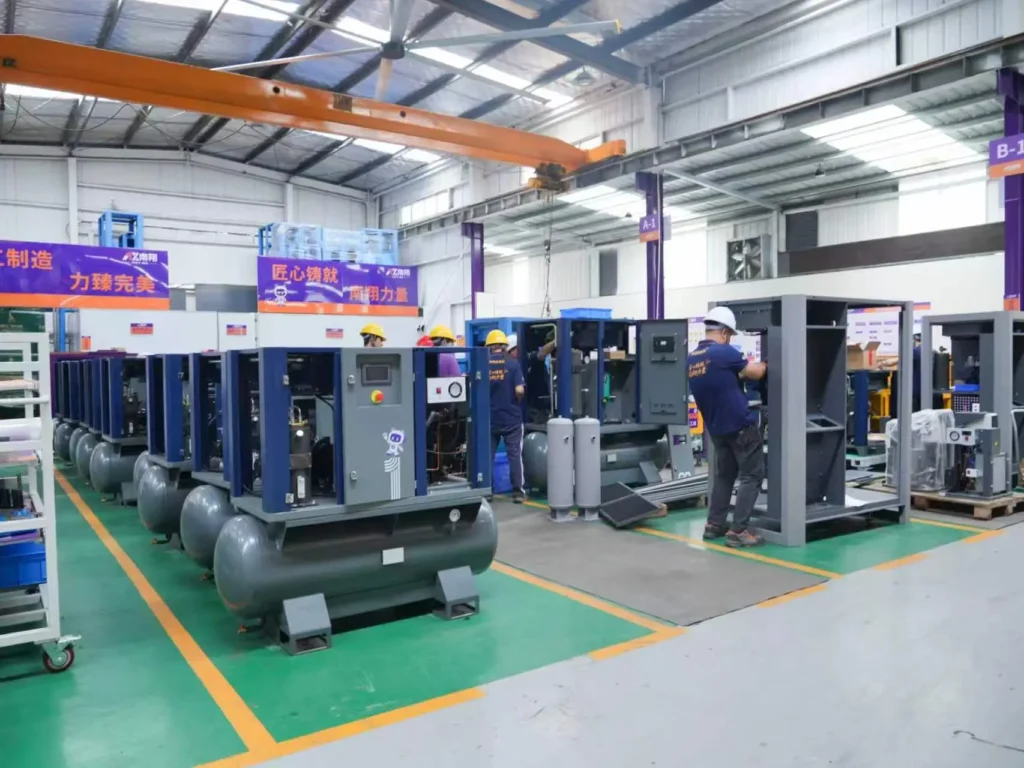
Ada perbedaan yang jelas di pasar yang tidak selalu terlihat jelas pada lembar spesifikasi. Anda memiliki produsen kompresor udara industri sejati, dan kemudian Anda memiliki perakit.
Produsen sejati merekayasa ujung udara mereka sendiri-elemen sekrup yang benar-benar memampatkan udara. Mereka mengontrol metalurgi, toleransi, dan perangkat lunak yang mengelola motor.
Perakit, di sisi lain, membeli motor dari Perusahaan A, ujung udara dari Perusahaan B, dan pengontrol dari Perusahaan C, lalu membautnya di dalam kotak logam. Apakah ini penting? Ya.
- Integrasi: Pada unit pabrikan sejati, motor dan ujung udara dirancang untuk bekerja bersama pada RPM tertentu untuk efisiensi maksimum. Pada unit rakitan, keduanya hanyalah komponen yang kompatibel.
- Ketersediaan Suku Cadang: Sepuluh tahun ke depan, “perakit” mungkin telah berganti pemasok. Filter pemisah oli yang Anda perlukan mungkin sudah tidak ada lagi karena mereka telah berganti vendor sebanyak tiga kali sejak Anda membeli mesin tersebut.
Ini tidak berarti Anda harus selalu membeli merek Tier 1 yang paling mahal. Ada produsen tingkat menengah yang sangat baik. Tetapi Anda perlu memverifikasi: Apakah mereka membuat komponen intinya sendiri?

3. Lembar Data CAGI: Serum Kebenaran Anda
Brosur pemasaran penuh dengan kata-kata yang tidak masuk akal. Mereka menggunakan istilah-istilah seperti “sangat efisien” atau “berkinerja tinggi” tanpa definisi yang sah.
Namun, di dunia udara bertekanan, ada tes detektor kebohongan: Lembar Data CAGI.
Compressed Air and Gas Institute (CAGI) telah menstandarkan bagaimana kinerja dilaporkan. Produsen kompresor udara industri terkemuka akan dengan bebas menyediakan lembar CAGI untuk model mereka. Lembar ini memberi tahu Anda konsumsi daya spesifik (kW/100 cfm) pada beban penuh.
Apa yang harus dicari:
- Daya Spesifik: Ini adalah peringkat “mil per galon” Anda. Ini memberi tahu Anda berapa banyak listrik yang dibutuhkan untuk menghasilkan 100 CFM udara. Perbedaan 1 atau 2 kW mungkin terlihat kecil, tetapi lebih dari 8.000 jam kerja dalam setahun, itu berarti ribuan dolar pada tagihan listrik Anda.
- Verifikasi: Carilah segel verifikasi pihak ketiga. Jika produsen menolak untuk memberikan lembar CAGI atau memberikan “data uji internal” mereka sendiri, tinggalkan saja. Mereka menyembunyikan sesuatu.
4. Dukungan Layanan: Realitas 3 AM
Kompresor tidak akan rusak pada jam 10 pagi di hari Selasa ketika teknisi servis berada di dekatnya. Kompresor akan rusak pada pukul 3 pagi di hari Sabtu saat ada pesanan yang mendesak.
Ketika mengevaluasi produsen, Anda sebenarnya mengevaluasi jaringan distributor lokal mereka. Mesin hebat yang dijual oleh distributor yang buruk adalah sebuah kewajiban. Mesin yang biasa-biasa saja yang didukung oleh tim servis yang brilian dapat dikelola.
Ajukan pertanyaan-pertanyaan spesifik ini:
- “Berapa banyak teknisi bersertifikat yang Anda miliki dalam radius 50 mil dari pabrik saya?”
- “Apakah Anda memiliki stok air end dan motor utama secara lokal, atau harus dikirim dari luar negeri?”
Kami telah melihat jalur produksi terhenti selama berminggu-minggu karena “pengontrol eksklusif” harus dikirim dari gudang di Eropa atau Asia. Yang kuat produsen kompresor udara industri memiliki jaringan logistik yang memastikan suku cadang penting jarang lebih dari 24 jam.

5. Teknologi dan Pabrik "Cerdas"
Kedengarannya memang aneh, tetapi integrasi IoT (Internet of Things) pada kompresor sebenarnya berguna. Kompresor modern dapat memonitor suhu, getaran, dan perbedaan tekanannya sendiri.
Produsen terkemuka sekarang menawarkan pemantauan jarak jauh sebagai standar. Kompresor mengirimkan peringatan ke ponsel Anda (dan penyedia layanan) sebelum gagal. Sebagai contoh, mungkin akan terlihat bahwa temperatur pelepasan naik 5% dari minggu ke minggu, yang mengindikasikan adanya penyumbatan pendingin atau masalah oli.
Membandingkan Teknologi Kompresor
Produsen yang berbeda unggul dalam ceruk yang berbeda. Memilih teknologi yang tepat sama pentingnya dengan merek.
| Fitur | Sekrup Putar | Bolak-balik (Piston) | Sentrifugal |
|---|---|---|---|
| Terbaik untuk | Permintaan yang terus menerus dan stabil (24/7) | Permintaan yang terputus-putus dan rendah | Permintaan yang besar dan konstan |
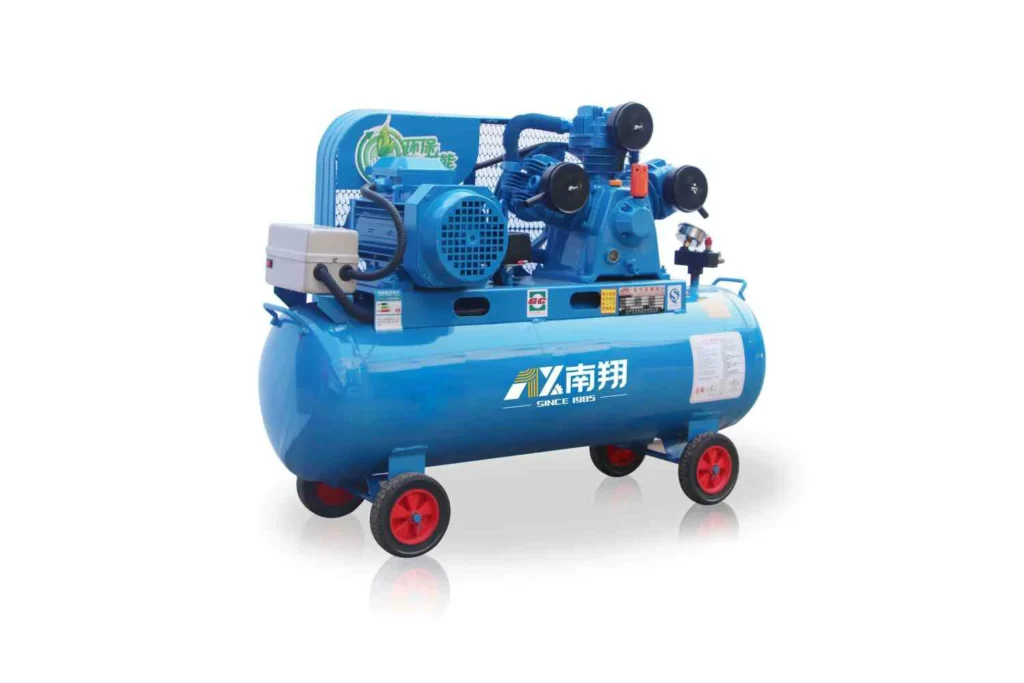
| Siklus Tugas | 100% | 50-60% (membutuhkan jeda pendinginan) | 100% |
| Pemeliharaan | Rendah hingga Sedang | Tinggi (katup/pegas aus) | Khusus |
| Tingkat Kebisingan | Tenang (terlampir) | Keras | Sedang / Keras |
| Pengguna Umum | Manufaktur Umum, Makanan & Minuman | Bengkel Mobil, Bengkel Kecil | Pabrik Kimia, Perakitan Besar |
6. Efisiensi Energi dan Total Biaya Kepemilikan (TCO)
Berikut ini adalah kebenaran yang sulit: Harga pembelian kompresor udara industri biasanya hanya mewakili 10-15% dari total biaya selama siklus hidup 10 tahun. 75-80% lainnya? Listrik. 10% yang tersisa?
Jika Produsen A mengutip harga $20.000 dan Produsen B mengutip harga $25.000, naluri Anda adalah menghemat $5.000. Namun jika mesin Produsen B lebih efisien 5% (diverifikasi oleh data CAGI), Anda mungkin akan membayar kembali selisih $5.000 tersebut dalam waktu kurang dari dua tahun penghematan listrik. Setelah itu, itu adalah keuntungan murni.
Faktor VSD: Kompresor Variable Speed Drive (VSD) mempercepat dan memperlambat motor agar sesuai dengan kebutuhan udara Anda. Jika Anda hanya membutuhkan kapasitas 50%, kompresor ini mengkonsumsi daya sekitar 50%. Unit kecepatan tetap berjalan pada kecepatan 100% dan hanya menutup katup saat Anda tidak membutuhkan udara - masih mengonsumsi sekitar 70% dari daya penuhnya tanpa menghasilkan apa pun.
Jika produsen mencoba membujuk Anda untuk tidak menggunakan VSD ketika permintaan Anda berfluktuasi, periksa apakah mereka benar-benar memiliki teknologi VSD yang baik. Beberapa menghindarinya karena VSD mereka tidak dapat diandalkan, bukan karena itu bukan solusi teknik yang tepat.
7. Realitas Regional: Cina vs AS vs Uni Eropa
Akan sangat membantu untuk memahami "kepribadian" produsen berdasarkan asal usulnya, karena hal ini sering kali menentukan filosofi teknik mereka. Pilihan Anda tergantung pada apakah Anda menghargai efisiensi yang luar biasa, daya tahan yang tangguh, atau utilitas yang hemat biaya.
Pikirkan Jerman dan Swedia. Mereka adalah pelopor efisiensi, yang terobsesi untuk memeras setiap kilowatt terakhir dari mesin. Unit mereka dilengkapi dengan pengontrol canggih dan teknologi VSD, namun harganya mahal dan memerlukan perawatan khusus.
Memprioritaskan ketangguhan, mesin ini dibuat seperti tank-lebih berat, lebih sederhana, dan dirancang untuk bertahan di lingkungan yang keras dan kotor. Mesin ini menawarkan perawatan yang tidak terlalu rumit, tetapi mungkin sedikit tertinggal dalam hal fitur "pintar" dibandingkan dengan mesin-mesin Eropa.
Setelah berevolusi secara signifikan, merek-merek Cina papan atas sekarang menawarkan proposisi nilai yang "cukup baik". Mereka menjembatani kesenjangan dengan alat berat efisiensi standar yang andal dengan biaya masuk yang lebih rendah, meskipun pembeli harus memverifikasi kualitas komponen dan jaringan pendukung.
Kesimpulan
Memilih yang tepat produsen kompresor udara industri adalah latihan dalam manajemen risiko. Anda menyeimbangkan biaya modal di muka dengan realitas operasional selama 10 tahun.
Pendekatan terbaik adalah bersikap skeptis. Minta data. Mintalah lembar CAGI. Kunjungi toko distributor lokal untuk melihat rak suku cadang mereka. Jika rak-rak tersebut kosong, maka lini produksi Anda di masa depan juga akan kosong.
Carilah mitra yang bertanya tentang perpipaan udara Anda, penurunan tekanan, dan rencana ekspansi Anda di masa depan. Orang yang hanya ingin menjual kotak dan pergi adalah orang yang tidak dapat Anda pekerjakan.
Untuk informasi lebih lanjut tentang produsen kompresor udara teratas, Anda dapat memeriksa panduan kami 10 produsen kompresor udara industri teratas.
Pertanyaan yang Sering Diajukan
Apakah lebih baik membeli kompresor yang agak besar untuk berjaga-jaga?
Secara umum, tidak. Meskipun penyangga kecil tidak masalah, kompresor yang sangat besar (terutama yang berkecepatan tetap) akan mengalami “siklus pendek”, menyala dan mati dengan cepat. Hal ini menyebabkan keausan yang berlebihan pada motor dan kontak, menyebabkan penumpukan uap air di dalam oli, dan membuang banyak sekali energi.
Seberapa sering saya harus mengganti kompresor udara industri saya?
Kompresor rotary screw berkualitas tinggi dapat bertahan 10 hingga 15 tahun (atau 40.000 hingga 60.000 jam operasi) jika dirawat dengan benar. Namun, banyak fasilitas yang melakukan upgrade lebih cepat - sekitar 10 tahun - karena model yang lebih baru menawarkan keuntungan efisiensi energi yang sesuai dengan biaya penggantian.
Apa perbedaan antara kompresor tanpa oli dan yang diinjeksi oli?
Kompresor yang diinjeksi oli menggunakan oli untuk menyegel, mendinginkan, dan melumasi ruang kompresi. Kompresor ini efisien dan tahan lama, tetapi membutuhkan filter pemisah oli. Kompresor bebas oli menggunakan metode pendinginan lain (seperti air atau lapisan Teflon) untuk memastikan tidak ada oli yang masuk ke aliran udara. Bebas oli adalah wajib untuk industri makanan, minuman, dan farmasi tetapi secara signifikan lebih mahal.
Sumber daya
Lembar Data CAGI & Verifikasi Kinerja - Standar emas untuk membandingkan efisiensi kompresor. Institut Udara dan Gas Terkompresi (CAGI)
- Jenis & Teknologi Kompresor Udara - Perincian teknis mengenai perbedaan antara teknologi sekrup putar, bolak-balik, dan sentrifugal. Wikipedia: Kompresor Udara
Panduan untuk Membeli Kompresor Udara Industri Terbaik - Perincian faktor-faktor termasuk lingkungan dan kualitas udara. Panduan Dinamika Fluida-Air