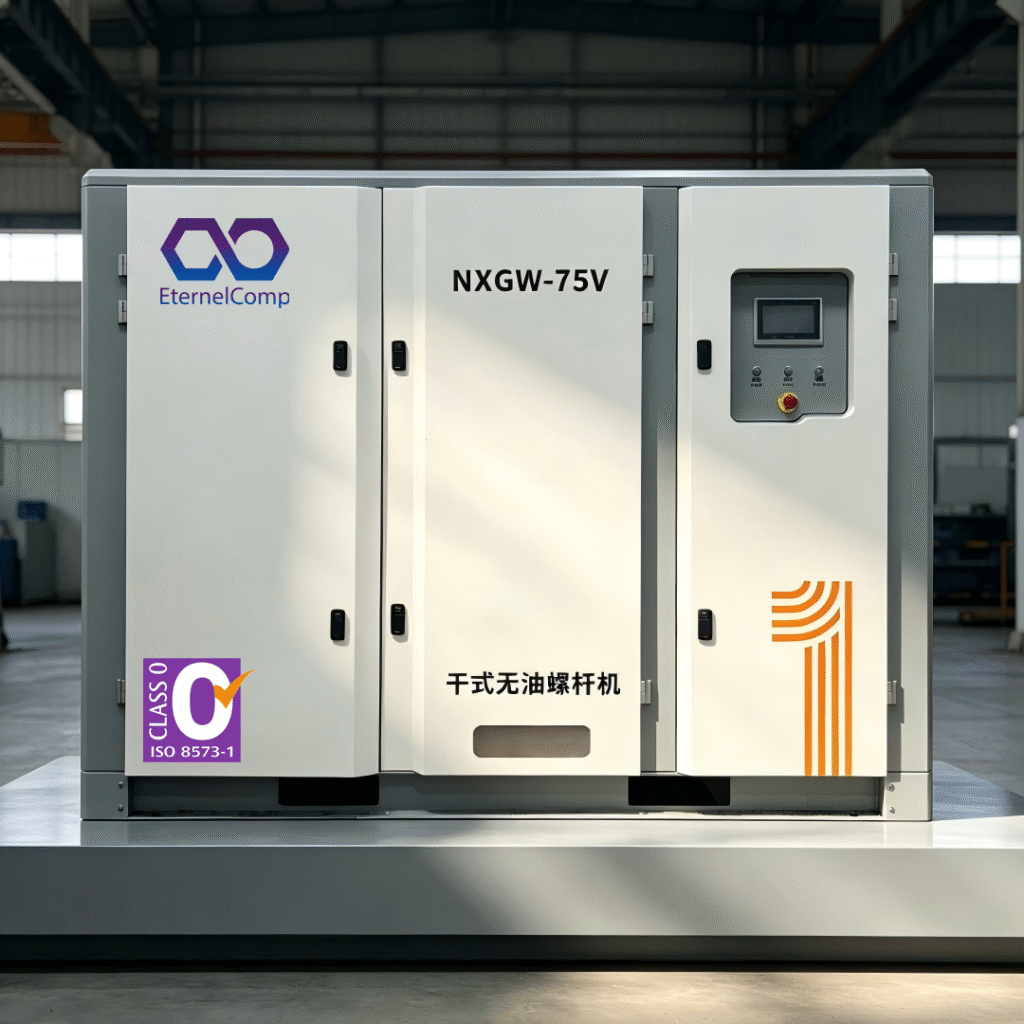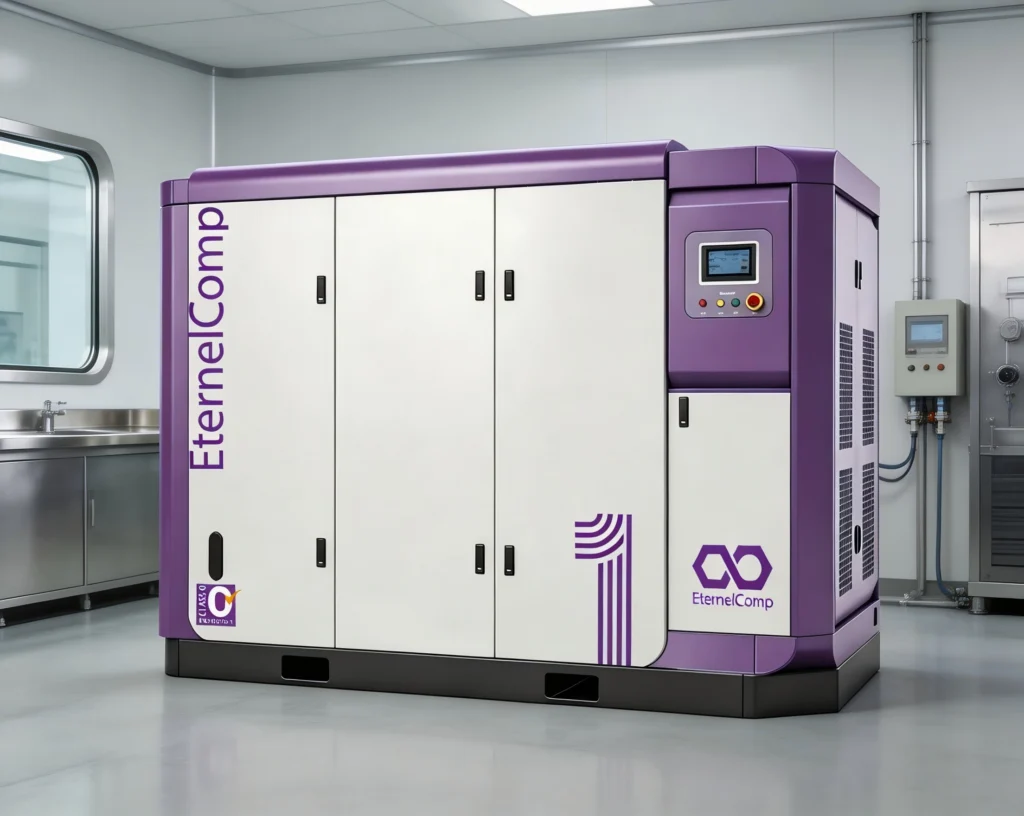
Kompresor udara telah menjadi alat penting di bengkel, garasi, dan lingkungan industri di seluruh dunia. Baik untuk menggembungkan ban, menyalakan alat pneumatik, atau menangani proyek pengecatan semprot, menemukan kompresor udara yang tepat dapat membuat perbedaan yang signifikan dalam hal efisiensi dan hasil. Tetapi dengan begitu banyak pilihan yang membanjiri pasar, proses pemilihan menjadi sangat cepat.
Panduan ini menguraikan segala sesuatu yang perlu diketahui sebelum melakukan pembelian-mulai dari memahami tipe dasar hingga mengevaluasi spesifikasi yang benar-benar penting.
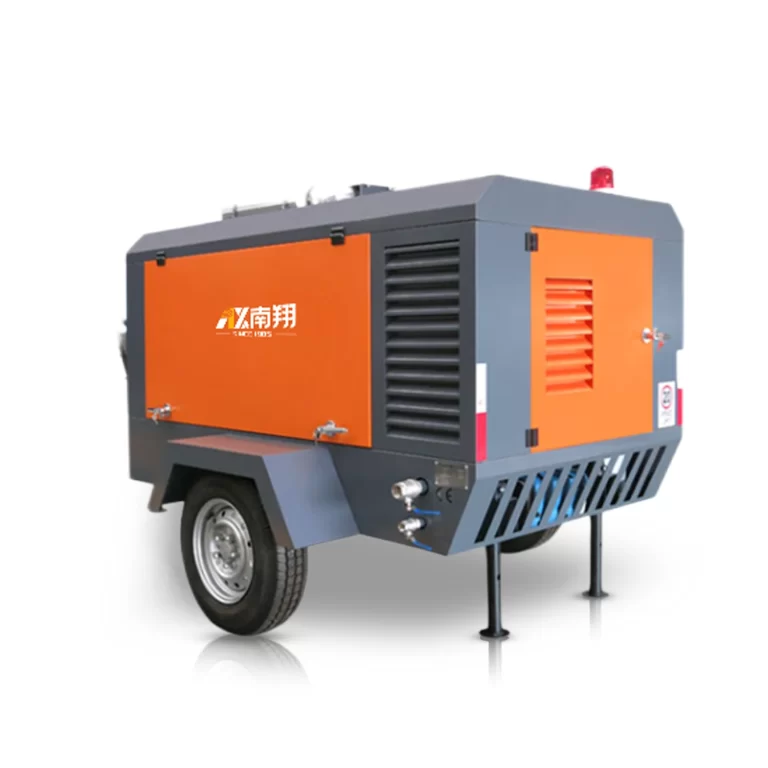
Memahami Cara Kerja Kompresor Udara
Pada intinya, kompresor udara mengubah daya menjadi udara bertekanan yang disimpan di dalam tangki. Ketika udara bertekanan dilepaskan, maka akan memberikan energi yang dibutuhkan untuk mengoperasikan berbagai peralatan dan perlengkapan. Secara teori cukup sederhana, meskipun mekanismenya cukup bervariasi tergantung pada jenisnya.
Ukuran tangki, daya motor, dan laju pengiriman semuanya berperan dalam menentukan tugas apa yang dapat ditangani oleh kompresor udara secara efektif. Lebih besar tidak selalu lebih baik, yang merupakan sesuatu yang cenderung diabaikan oleh banyak pembeli pertama kali.
Jenis-jenis Kompresor Udara
Memilih kompresor udara dimulai dengan memahami jenis-jenis utama yang tersedia:
Kompresor Bolak-balik (Piston)
Mesin ini bekerja menggunakan piston untuk memampatkan udara di dalam silinder. Mesin ini populer untuk bengkel rumahan dan tersedia dalam konfigurasi satu tahap atau dua tahap. Model satu tahap cocok untuk tugas-tugas yang lebih ringan, sementara versi dua tahap memberikan tekanan yang lebih tinggi untuk aplikasi yang berat.
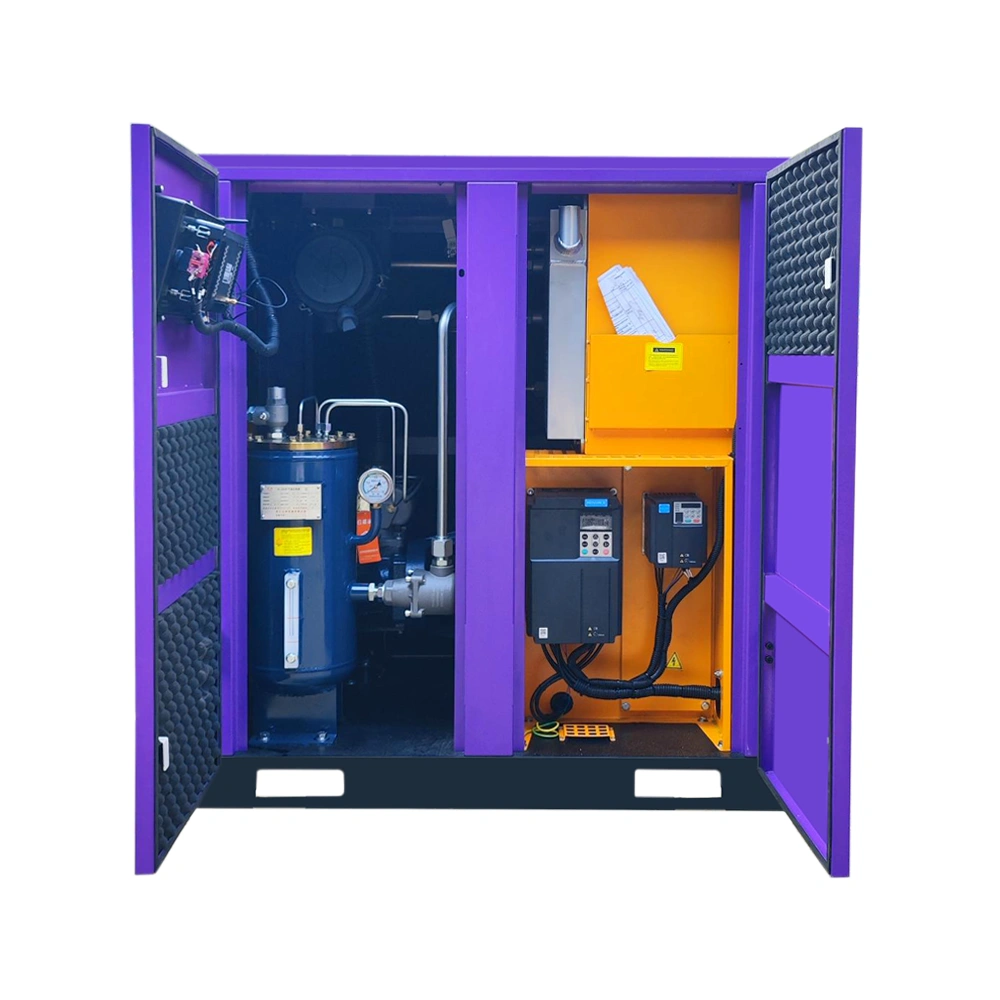
Kompresor Sekrup Putar
Umumnya di lingkungan industri, mesin ini menggunakan sekrup yang berputar untuk memampatkan udara secara terus menerus. Kompresor ini bekerja lebih tenang dan menangani beban kerja yang berat dengan lebih baik daripada model piston-meskipun harganya jauh lebih mahal.
Kompresor Pancake dan Hot Dog
Dinamakan sesuai dengan bentuk tangkinya, opsi portabel ini bekerja dengan baik untuk tugas-tugas ringan seperti pistol paku atau menggembungkan. Alat ini ringkas, mudah dibawa-bawa, dan harganya terjangkau. Tentu saja tidak dimaksudkan untuk penggunaan terus-menerus.
Spesifikasi Utama yang Perlu Dipertimbangkan
Angka-angka pada lembar spesifikasi dapat terlihat membingungkan, tetapi beberapa metrik perlu diperhatikan saat berbelanja kompresor udara.
| Spesifikasi | Apa artinya | Mengapa Ini Penting |
|---|---|---|
| CFM (Kaki Kubik per Menit) | Laju aliran udara yang dihasilkan kompresor | Menentukan alat mana yang dapat diberi daya |
| PSI (Pound per Inci Persegi) | Output tekanan maksimum | Harus sesuai atau melebihi persyaratan alat |
| Ukuran Tangki (Galon) | Kapasitas penyimpanan udara | Tangki yang lebih besar berarti waktu pengoperasian yang lebih lama |
| Tenaga kuda (HP) | Peringkat daya motor | Mempengaruhi kinerja keseluruhan dan CFM |
| Siklus Tugas | Persentase waktu yang dapat berjalan terus menerus | Penting untuk aplikasi penggunaan yang diperpanjang |
Mencocokkan CFM dengan Alat Anda
Mungkin spesifikasi yang paling penting saat memilih kompresor udara adalah peringkat CFM. Setiap alat pneumatik membutuhkan CFM tertentu agar berfungsi dengan baik, dan menjalankan alat dengan aliran udara yang tidak mencukupi menyebabkan masalah kinerja dan potensi kerusakan.
Berikut ini adalah rincian kasar dari persyaratan CFM untuk alat yang umum:
- Brad paku: 0,5-1 CFM
- Selesaikan paku: 1-2 CFM
- Kunci pas impak: 4-5 CFM
- Pistol semprot: 4-8 CFM
- Sander: 6-10 CFM
- Penggiling: 5-8 CFM
Pendekatan yang praktis? Jumlahkan kebutuhan CFM alat yang kemungkinan besar akan digunakan secara bersamaan, lalu tambahkan sekitar 30% sebagai penyangga. Menjalankan kompresor udara pada kapasitas maksimum secara terus-menerus akan membuatnya lebih cepat aus.
Pertimbangan Ukuran Tangki
Kapasitas tangki mempengaruhi seberapa sering motor melakukan pengisian ulang. Tangki yang lebih kecil (1-6 galon) cocok untuk penggunaan yang terputus-putus-pikirlah tentang memaku brad atau memompa ban. Tangki yang lebih besar (20-80+ galon) menjadi penting ketika menyalakan alat yang membutuhkan aliran udara yang terus menerus.
Pertukaran ini melibatkan portabilitas. Tangki 60 galon menyediakan banyak pasokan udara tetapi tetap berada di satu lokasi. Sementara itu, kompresor pancake 6 galon dapat digunakan di mana pun pekerjaan itu dilakukan.
Model Bebas Oli vs Model Berpelumas Oli
Pilihan ini sering membuat pembeli bingung. Keduanya memiliki kegunaan yang sah, tergantung pada situasinya.
Kompresor udara bebas minyak membutuhkan perawatan minimal dan menghasilkan udara yang lebih bersih-penting untuk pengecatan atau aplikasi yang sensitif. Secara umum lebih ringan dan lebih terjangkau. Namun, mereka cenderung bekerja lebih keras dan tidak bertahan lama dalam penggunaan berat.
Kompresor berpelumas oli bekerja lebih dingin dan lebih tenang sekaligus menawarkan masa pakai yang lebih lama. Kelemahannya: penggantian dan pemantauan oli secara teratur. Mereka juga lebih berat dan harganya sedikit lebih mahal.
Untuk penggunaan di rumah sesekali, model bebas oli masuk akal secara praktis. Untuk aplikasi profesional atau industri di mana kompresor udara sering beroperasi, versi berpelumas oli biasanya terbukti bermanfaat meskipun ada persyaratan perawatan.
Tingkat Kebisingan dan Lingkungan Kerja
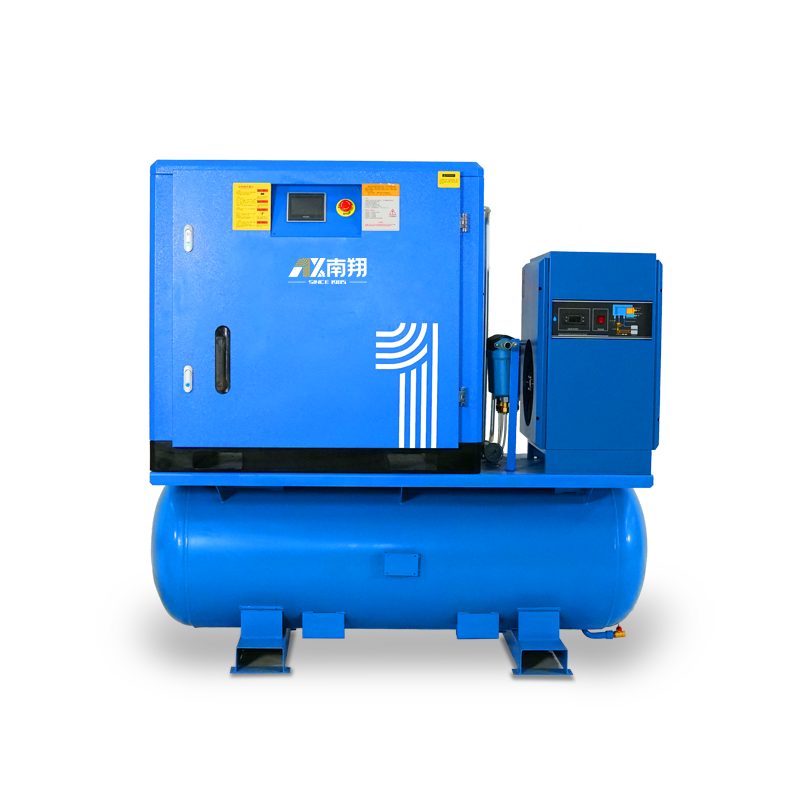
Sesuatu yang sering dilupakan hingga menjadi masalah-kebisingan. Kompresor udara standar beroperasi di mana saja dari 70 hingga 90+ desibel, yang tidak nyaman untuk ruang tertutup atau area perumahan.
Opsi Ultra-Senyap
Produsen sekarang menawarkan model kompresor udara “senyap” atau “senyap” yang memiliki tingkat kebisingan di bawah 60 desibel. Harganya lebih mahal tetapi menciptakan kondisi kerja yang jauh lebih menyenangkan. Layak dipertimbangkan untuk bengkel dalam ruangan atau situasi di mana pembatasan kebisingan berlaku.
Saat memilih kompresor udara, penting untuk mempertimbangkan faktor-faktor berikut ini:
1. Jenis kompresor udara. Direkomendasikan untuk memilih jenis kompresor udara sesuai dengan kebutuhan pengguna akan tekanan udara dan aliran udara, kinerja mekanis (getaran rendah, kebisingan rendah), dan kemampuan beradaptasi dalam kondisi yang bervariasi.
2. Pengoperasian ekonomis sistem kompresor udara, yang meliputi konsumsi listrik tunggal (kwh / km3) atau konsumsi uap (t / km3) kompresor udara, kualitas dan konsumsi air (t / km3) air pendingin yang dibutuhkan oleh kompresor udara, dan manfaat energi panas dari kompresor udara; Selain itu, memilih parameter teknis yang sesuai (volume knalpot, tekanan knalpot) dari kompresor udara adalah dasar pemikiran apakah kompresor udara dapat memenuhi persyaratan produksi dan apakah dapat berjalan secara ekonomis;
3. Biaya pemasangan dan perawatan. Disarankan untuk memilih kompresor udara dengan pemasangan yang sederhana dan biaya perawatan yang rendah.
Pemilihan kompresor udara harus didasarkan pada prosedur berikut:
1. Selidiki kebutuhan pengguna (tekanan udara, aliran udara, suhu udara, kelembaban udara yang harus dicapai oleh pengguna);
2. Hitung resistensi antara outlet kompresor udara dan titik pengguna;
3. Tentukan tekanan gas buang terukur (tekanan gas buang terukur unit dapat diambil sebagai 1,1 kali dari data teoritis menurut perhitungan aktual), volume gas buang, suhu gas buang setelah kompresor udara dirawat oleh perangkat pasca-perawatan;
4. Pilih kontrol listrik dan sistem kontrol mandiri yang sesuai dengan persyaratan pengoperasian otomatis unit;
5. Menyusun persyaratan teknis kompresor udara untuk persiapan pengadaan;
6. Melakukan investigasi lapangan terhadap produsen dan pengguna kompresor udara untuk memahami tingkat produksi dan kapasitas produksi produsen, dan untuk memahami umpan balik nyata dari pengguna kompresor udara secara mendalam;
7. Melaksanakan pengadaan penawaran untuk kompresor udara, merumuskan kriteria penilaian yang masuk akal dan memilih kompresor udara dengan kinerja biaya tertinggi melalui penawaran;
8. Setelah kontrak peralatan ditandatangani, docking dokumen teknis tatap muka harus dilakukan dengan pemasok kompresor udara untuk membentuk perjanjian teknis kompresor udara sebagai lampiran dari kontrak.
Kesalahan Umum yang Harus Dihindari
Bahkan pembeli yang berpengalaman pun membuat kesalahan saat memilih kompresor udara:
- Berfokus hanya pada PSI sementara mengabaikan peringkat CFM
- Meremehkan kebutuhan ukuran tangki untuk aplikasi yang dimaksudkan
- Melupakan aksesori (selang, alat kelengkapan, regulator)
- Mengabaikan batasan siklus kerja
- Membeli opsi termurah tanpa mempertimbangkan biaya jangka panjang
Kompresor udara yang tidak dapat memenuhi permintaan akan menimbulkan frustrasi dan berpotensi menimbulkan biaya yang lebih besar dalam jangka panjang ketika diperlukan penggantian.
Pertanyaan yang Sering Diajukan
Berapa ukuran kompresor udara yang saya perlukan untuk penggunaan di rumah?
Unit portabel 6 galon dengan 2-3 CFM menangani sebagian besar pekerjaan rumah seperti pemompaan dan pemaku ringan.
Berapa lama kompresor udara biasanya bertahan?
Model berkualitas dapat bertahan 10-15 tahun dengan perawatan yang tepat; unit yang lebih murah mungkin perlu diganti setelah 3-5 tahun.
Dapatkah saya menggunakan kompresor udara apa pun untuk pengecatan semprot?
Pengecatan tanpa semprotan membutuhkan CFM yang konsisten (biasanya 4-8) dan udara yang bersih dan kering. Banyak kompresor standar yang tidak berfungsi dengan baik tanpa penyaringan tambahan.