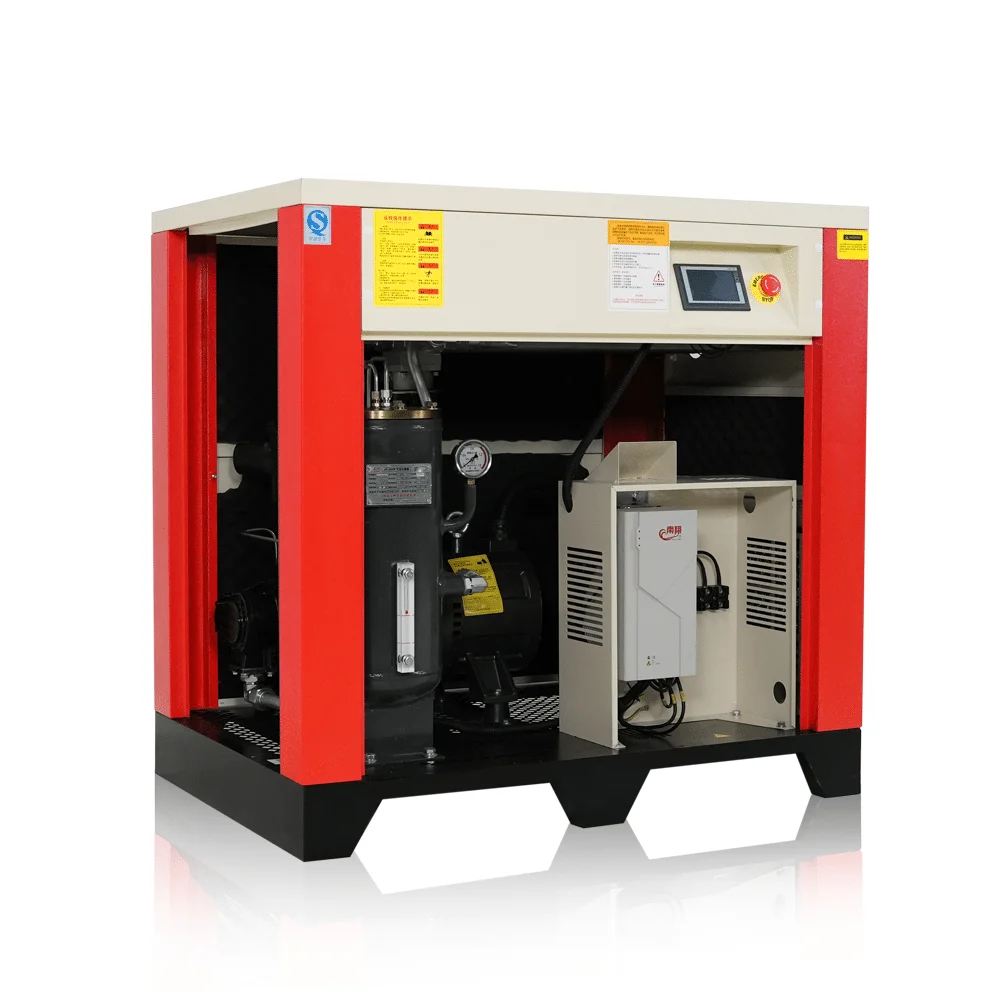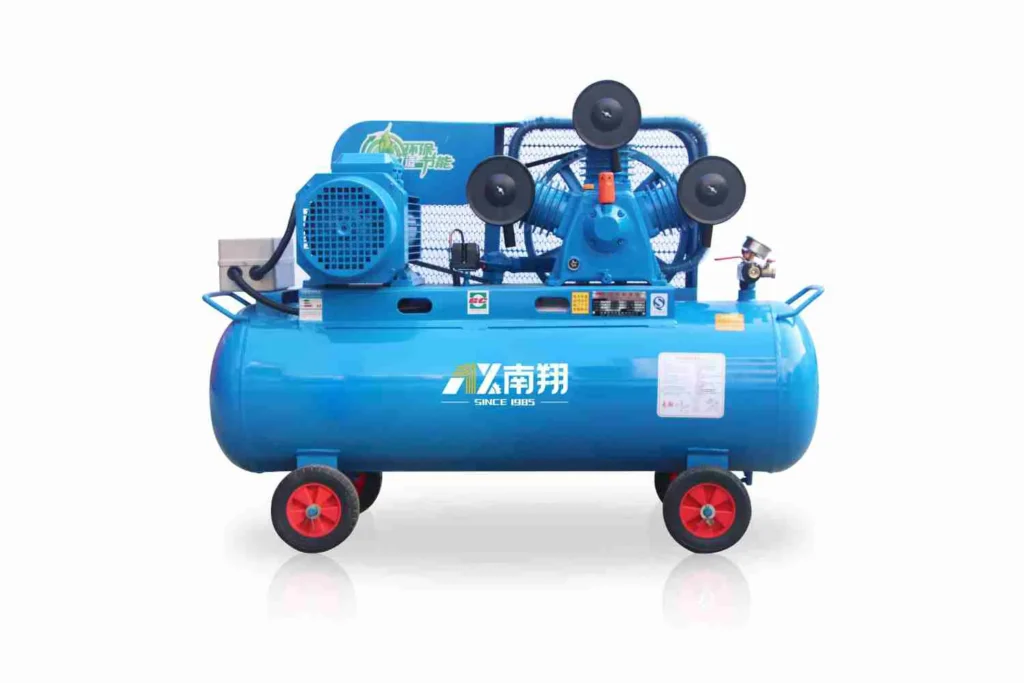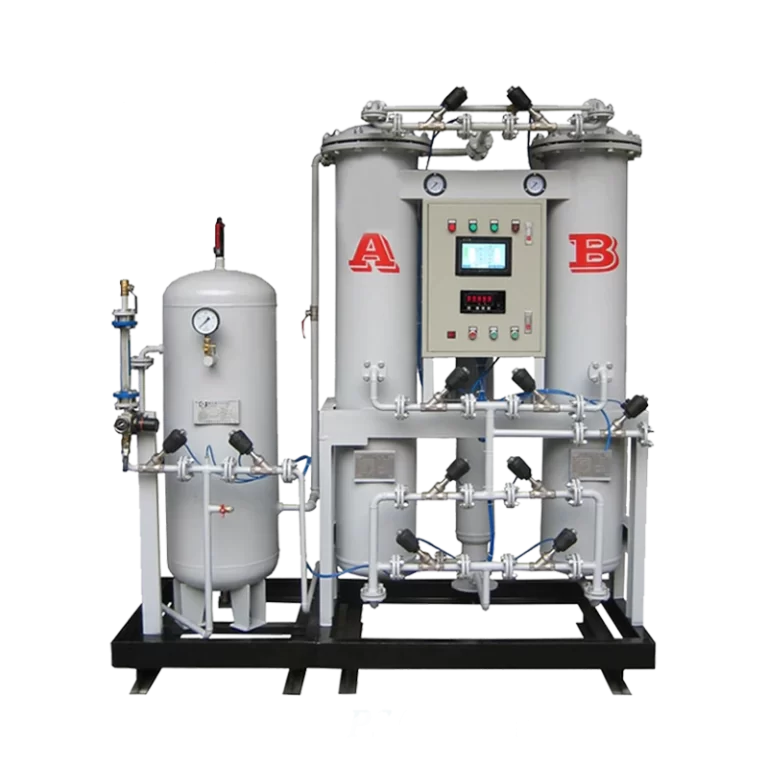
Tinjauan Pasar Kompresor Udara Industri
Menurut Grand View Research, pasar kompresor udara industri global bernilai USD 18,32 miliar pada tahun 2023 dan diperkirakan akan mencapai USD 25,18 miliar pada tahun 2030, tumbuh dengan CAGR 4,1%. Pertumbuhan didorong oleh ekspansi industri di pasar negara berkembang dan permintaan pengganti di wilayah yang sudah matang seperti AS dan Eropa, di mana fokusnya telah bergeser ke arah solusi hemat energi dan total biaya kepemilikan yang lebih rendah daripada pertumbuhan kapasitas murni.
Secara teknologi, pasar bergerak dengan cepat menuju efisiensi dan kepatuhan energi. Kompresor Penggerak Kecepatan Variabel, yang mampu mengurangi konsumsi energi hingga 35%, semakin banyak menggantikan model kecepatan tetap. Pada saat yang sama, peraturan yang lebih ketat di industri makanan, farmasi, dan elektronik mempercepat adopsi Kelas 0 kompresor bebas minyak.
Secara regional, Asia-Pasifik-yang dipimpin oleh Tiongkok-memegang porsi terbesar karena perannya sebagai basis manufaktur global, yang menekankan pada solusi yang terukur dan hemat biaya. Amerika Utara dan Eropa, sebaliknya, memprioritaskan penggantian premium dan teknologi ramah lingkungan. Sementara merek global Tier-1 mendominasi pasar kelas atas, produsen kompresor udara industri Tier-2, terutama dari China, mendapatkan momentum dengan menghadirkan kompresor berkinerja tinggi dengan komponen yang telah terbukti dengan harga yang lebih kompetitif, menjadikannya pilihan yang semakin menarik bagi pembeli yang berorientasi pada ROI.
10 Produsen Kompresor Udara Industri Global Teratas
Produsen terkemuka yang memberikan efisiensi, kekuatan, dan inovasi.
Ingersoll Rand
No.1Ingersoll Rand Company adalah produsen dan pemasar global untuk produk industri serta produk lainnya seperti peralatan konstruksi, peralatan medis, dan sistem pembangkit listrik.
Fitur Utama- Terkenal akan keandalan dan umur panjangnya yang tangguh.
- Teknologi hemat energi yang canggih.
- Jaringan layanan global yang komprehensif.
Sullair
No.2Sullair Inc adalah perusahaan Amerika yang memproduksi sistem udara bertekanan untuk aplikasi industri termasuk pertambangan, minyak dan gas, manufaktur baja, manufaktur elektronik, dan pengolahan makanan.
Fitur Utama- Mengkhususkan diri dalam teknologi sekrup putar.
- Didesain untuk cuaca ekstrem dan lingkungan yang keras.
- Udara yang tahan lama dengan daya tahan yang unggul.
Atlas Copco
No.3Didirikan pada tahun 1873 di Stockholm, Atlas Copco adalah raksasa global yang melayani pelanggan dengan peralatan hemat energi, kompresor untuk pertambangan, serta pompa untuk pengolahan air dan anjungan lepas pantai.
Fitur Utama- Pemimpin industri dalam inovasi dan keberlanjutan.
- Berbagai macam kompresor ulir bebas oli dan yang diinjeksi oli.
- Konektivitas cerdas untuk pemantauan jarak jauh.
Gardner Denver
No.4Didirikan pada tahun 1882 di Detroit, Gardner Denver telah berkembang menjadi salah satu produsen kompresor reciprocating terkemuka di dunia dan teknologi kontrol aliran yang sangat penting.
Fitur Utama- Portofolio yang beragam dengan menggabungkan beberapa merek lama.
- Teknologi bolak-balik berkinerja tinggi.
- Solusi yang kuat untuk pemrosesan industri.
Saylor-Beall
No.5Saylor-Beall Co, Inc adalah produsen yang dikenal dengan kompresor berkualitas tinggi untuk aplikasi industri. Perusahaan ini membanggakan diri sebagai produsen Amerika dan menyediakan layanan yang luas termasuk perbaikan bergaransi.
Fitur Utama- Konstruksi besi cor tugas berat.
- Masa pakai dan perawatan yang luar biasa.
- Fokus pada solusi bolak-balik dan putar.
FS-Curtis
No.6FS-Curtis (sebelumnya Curtis-Toledo) adalah legenda Amerika dalam bidang manufaktur industri sejak tahun 1854. Berbasis di St Louis, Missouri, mereka memproduksi kompresor udara Masterline pertama di dunia dan tetap menjadi pemimpin dalam kekuatan udara kelas industri yang tangguh.
Fitur Utama- Seri reciprocating tugas berat "Masterline" yang terkenal.
- Beragam pilihan sekrup putar dan opsi bebas minyak.
- Standar manufaktur bersertifikasi ISO 9001 & 14001.
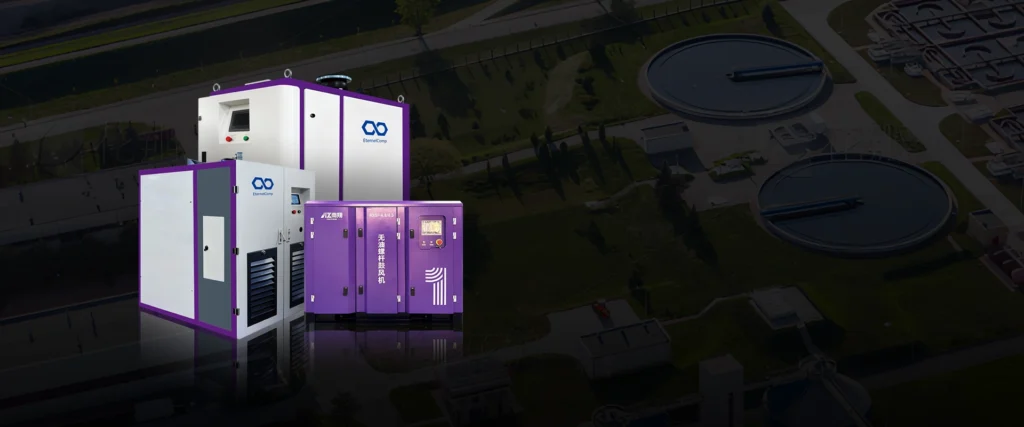
EternelComp
No.7Didirikan pada tahun 1985, EternelComp adalah produsen kompresor udara industri profesional. Dengan hampir satu dekade mendistribusikan produk Ingersoll Rand dan kemitraan selama 17 tahun dengan GHH Rand, mereka adalah pemimpin di pasar Cina.
Fitur Utama- Mengintegrasikan R&D, manufaktur, dan pemasaran.
- Keahlian yang mendalam dari kolaborasi GHH Rand & IR.
- Fokus pada teknologi hemat energi.
Kompresor Quincy
No.8Dikenal dengan "Quincy Blue," merek ini identik dengan kualitas. Mereka memproduksi beberapa kompresor sekrup bolak-balik dan putar terbaik di dunia, yang didukung oleh program garansi terdepan di industri.
Fitur Utama- "Program perpanjangan garansi "Royal Blue".
- Pompa bolak-balik yang dilumasi dengan tekanan.
- Daya tahan dan kualitas pembuatan yang legendaris.
Hitachi (HIES)
No.9Hitachi Industrial Equipment Systems adalah perusahaan raksasa Jepang yang mendesain mesin untuk industri otomotif, kedirgantaraan, dan kelautan. Mereka terkenal dengan teknik presisi dan inovasi.
Fitur Utama- Teknologi kompresor bebas oli yang canggih.
- Rekayasa Jepang dengan presisi tinggi.
- Desain yang ramah lingkungan dan rendah kebisingan.
Kaeser
No.10KAESER menawarkan sistem yang lengkap termasuk Sigma Profile dan sistem SIGMA CONTROL yang sangat efisien, kompresor portabel, dan paket vakum untuk suplai udara bertekanan yang berkualitas.
Fitur Utama- Profil Sigma eksklusif untuk efisiensi energi.
- Sistem pengolahan udara yang komprehensif (pengering, filter).
- Seri portabel MOBILAIR untuk keserbagunaan.
Perbandingan Regional
| Fitur | Merek Amerika Serikat (misalnya, Sullair, Quincy) | Merek Eropa (misalnya, Atlas Copco, Kaeser) | Merek Cina (misalnya, EternelComp) |
|---|---|---|---|
| Fokus Utama | Daya Tahan & Industri Berat | Presisi, Teknologi & Ramah Lingkungan | Rasio Biaya-Kinerja |
| Titik Harga | Tinggi ($$$) | Sangat Tinggi ($$$$) | Kompetitif ($ - $$) |
| Ideal untuk | Minyak & Gas skala besar, proyek pertambangan dengan anggaran yang fleksibel | Manufaktur Medis dan Elektronik kelas atas yang membutuhkan spesifikasi yang ketat | UKM dan pabrik yang mencari ROI cepat dan efisiensi biaya |
Kesimpulan
Memilih kompresor udara industri yang tepat adalah keputusan penting yang dapat berdampak signifikan terhadap efisiensi, produktivitas, dan laba operasi Anda. Produsen yang ditampilkan dalam panduan ini mewakili garis depan teknologi udara bertekanan, masing-masing menawarkan kekuatan dan keahlian teknis yang berbeda.
Dari keandalan Ingersoll Rand yang telah terbukti hingga inovasi Atlas Copco yang digerakkan oleh keberlanjutan, dan dari rekayasa presisi Hitachi hingga solusi hemat energi EternelComp yang hemat biaya, pasar saat ini menyediakan opsi fleksibel untuk berbagai aplikasi industri.
Hal-hal Penting yang Dapat Dipetik
- Tentukan dengan jelas persyaratan aplikasi Anda sebelum memilih merek kompresor
- Lihatlah lebih dari sekadar biaya di muka dan evaluasi total biaya kepemilikan (TCO)
- Memprioritaskan desain hemat energi untuk mengurangi biaya operasional jangka panjang
- Memastikan ketersediaan servis dan suku cadang lokal
- Pilih teknologi kompresor yang tepat berdasarkan siklus kerja dan pola penggunaan
- Pertimbangkan produsen baru yang menawarkan solusi inovatif dan hemat biaya
Baik Anda mengoperasikan fasilitas manufaktur berat, lokasi pertambangan, pabrik farmasi, atau bengkel otomotif, berinvestasi dalam sistem udara bertekanan yang cocok akan memberikan kinerja yang stabil, efisiensi operasional, dan keandalan jangka panjang.
Pertanyaan yang Sering Diajukan
Kompresor udara mana yang paling tahan lama?
Di sektor industri, kompresor udara sekrup putar umumnya menawarkan masa pakai yang paling lama, terutama yang dirancang untuk tugas berkelanjutan. Meskipun kompresor reciprocating (piston) tahan lama, namun kompresor ini mengalami lebih banyak gesekan dan getaran.
Berapa usia pakai kompresor udara industri?
Harapan hidup diukur dalam jam operasi, bukan tahun. Kompresor sekrup putar industri yang terawat dengan baik biasanya bertahan antara 60.000 hingga 80.000 jam. Jika alat berat menjalankan shift standar 8 jam, ini berarti sekitar 20 hingga 30 tahun masa pakai. Namun, usia pakai sangat bergantung pada kepatuhan terhadap jadwal perawatan - mengganti oli, filter, dan separator tepat waktu sangat penting untuk mencapai angka 80.000 jam.
Bagaimana cara memilih ukuran kompresor udara yang tepat untuk bisnis saya?
Untuk mengukur kompresor dengan benar, Anda perlu menghitung total kebutuhan udara (CFM) dari semua alat atau mesin yang Anda rencanakan untuk dijalankan secara bersamaan. Setelah Anda mendapatkan jumlah tersebut, tambahkan Margin keamanan 25% untuk memperhitungkan kebocoran sistem dan pertumbuhan di masa depan. Misalnya, jika alat Anda membutuhkan 100 CFM, Anda harus mencari kompresor yang menyediakan setidaknya 125 CFM. Ukuran kompresor yang terlalu kecil akan menyebabkan penurunan tekanan, sementara ukuran yang terlalu besar (tanpa teknologi VSD) akan menyebabkan pemborosan energi.