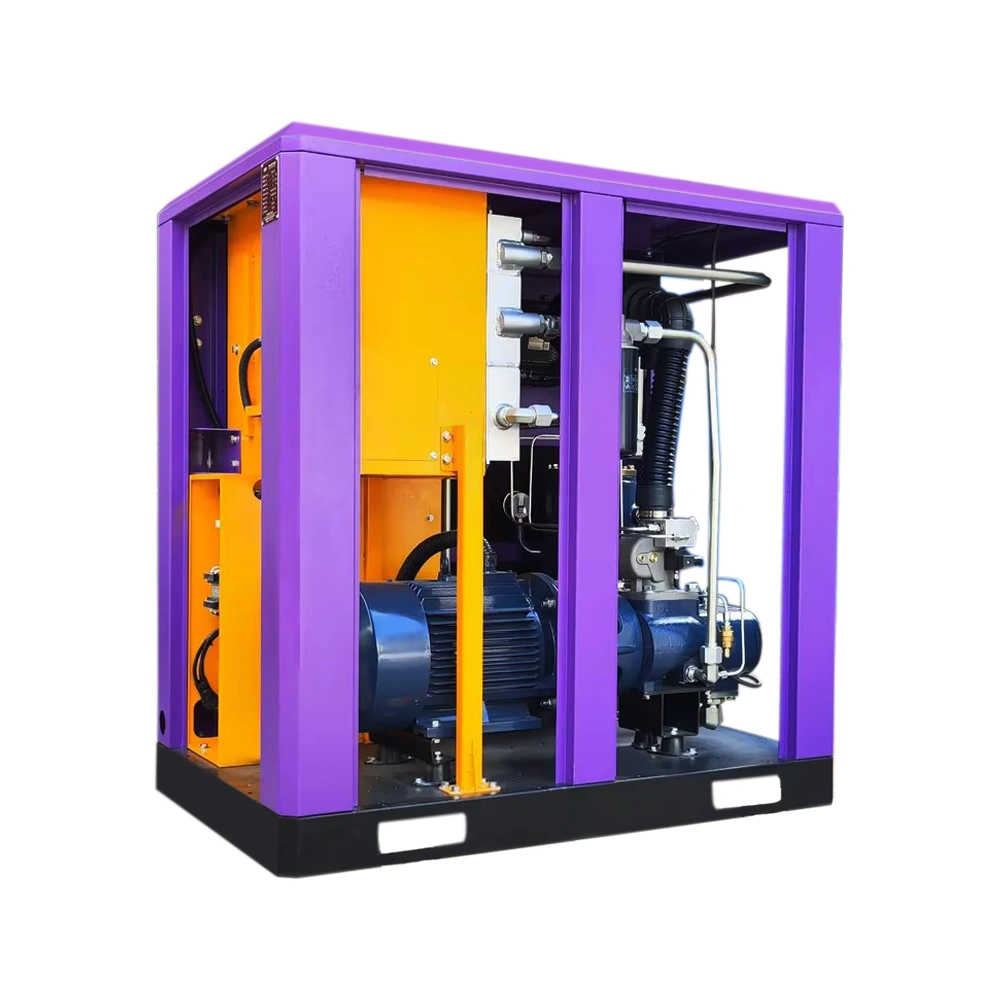
Spesso si dice che il macchinario più costoso è quello che non funziona. Nel mondo della produzione e dell'industria pesante, la compressore d'aria industriale è di solito quel cavallo di battaglia silenzioso seduto in un angolo, che lavora giorno e notte. È facile dimenticarsene, finché un calo di pressione non blocca improvvisamente un'intera catena di montaggio. Per prolungare la vita di queste macchine non basta seguire un manuale, ma è necessario capire la “personalità” dell'apparecchiatura e notare i piccoli cambiamenti prima che si trasformino in guasti catastrofici.
Che si tratti di una massiccia unità a vite rotante o di un modello più piccolo a pistone, i principi di longevità rimangono sorprendentemente simili. Un po' di attenzione oggi può facilmente aggiungere anni alla vita operativa dell'unità.
1. Privilegiare un ambiente fresco e pulito
Il calore è forse il più grande nemico di qualsiasi compressore d'aria industriale. Queste macchine generano un'incredibile quantità di energia termica per il solo fatto di comprimere l'aria. Se l'aria ambiente intorno all'unità è già calda o, peggio, piena di polvere e detriti, i componenti interni devono lavorare il doppio per rimanere entro le temperature operative di sicurezza.
La ventilazione non è negoziabile
Molte strutture commettono l'errore di rinchiudere il compressore in un armadio stretto e poco ventilato per ridurre il rumore. Questa è la ricetta per una vita breve. Deve esserci abbastanza “spazio” per consentire all'aspirazione e alle ventole di raffreddamento di svolgere il loro lavoro.
- Liquidazione: Assicurare almeno un metro di spazio intorno a tutti i lati.
- Canalizzazione: Nelle stanze più piccole, l'installazione di condotti di scarico per far uscire l'aria calda dall'edificio è una soluzione che cambia le carte in tavola.
- Flusso d'aria: Se la stanza sembra una sauna, il compressore sta sicuramente soffrendo.
Polvere e filtrazione
Se il filtro di aspirazione è intasato, il motore deve tirare di più per ottenere la stessa quantità di aria. Si tratta di un semplice sforzo meccanico che si somma a migliaia di ore di lavoro. Controllare i filtri settimanalmente, soprattutto nelle officine di lavorazione del legno o dei metalli, è un'operazione di poco conto che previene l'usura interna.
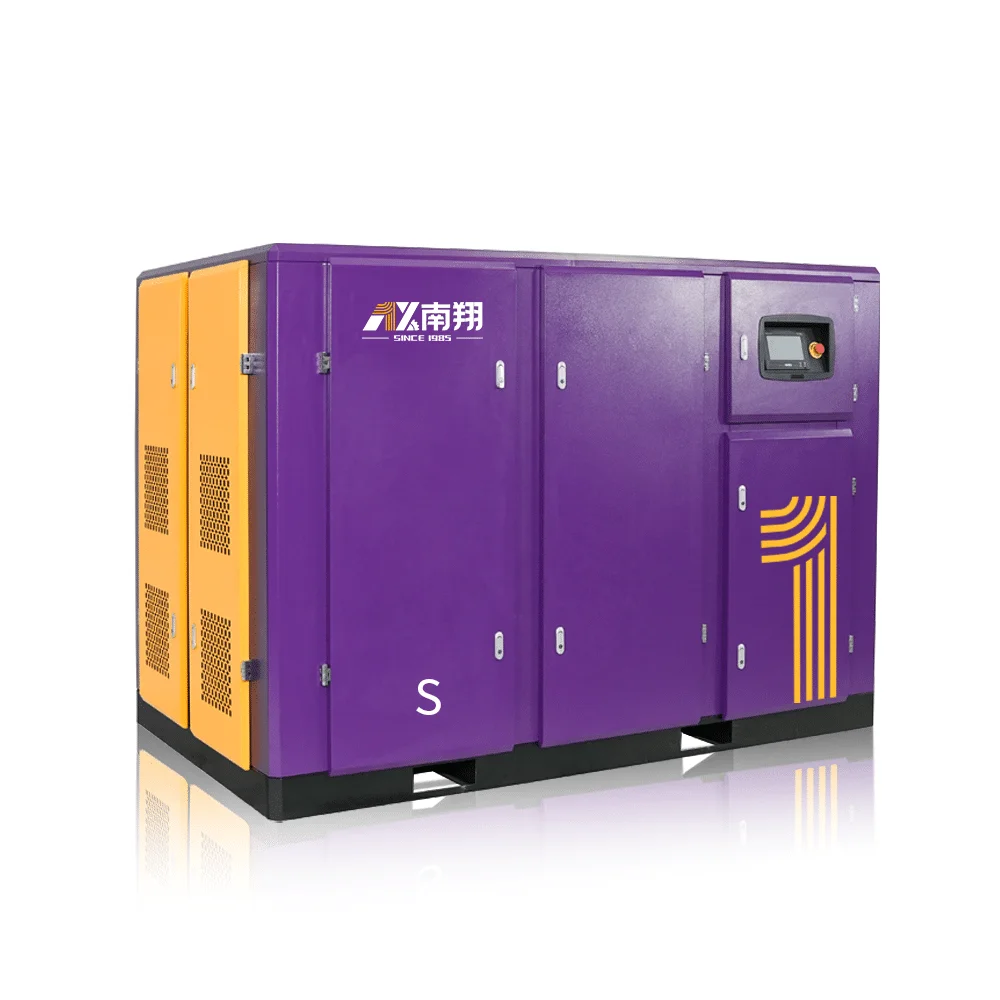
2. Gestire la minaccia dell'umidità
L'acqua è un sottoprodotto naturale della compressione. Quando si comprime l'aria, l'umidità in essa contenuta si condensa. Se questo liquido rimane all'interno del serbatoio o delle tubazioni, crea un ambiente tossico di ruggine e fango.Abitudini di drenaggio quotidiano
Ogni compressore d'aria industriale dovrebbero essere svuotati dall'acqua ogni giorno. Sembra noioso, ma gli scarichi manuali vengono spesso dimenticati. Molti sistemi moderni utilizzano valvole di scarico automatiche, che sono fantastiche, ma anche queste devono essere controllate per assicurarsi che non si siano intasate di calcare o detriti.Il ruolo degli essiccatori d'aria
A seconda dell'applicazione, un essiccatore d'aria è spesso il miglior investimento per la longevità. Eliminando l'umidità prima che entri nelle tubazioni di distribuzione, si protegge non solo il compressore, ma anche gli strumenti pneumatici e i macchinari a valle.| Caratteristica | Asciugatrice refrigerata | Essiccatore |
|---|---|---|
| Punto di rugiada | Da 35°F a 40°F circa | Fino a -40°F |
| Manutenzione | Basso (simile al sistema del compressore d'aria) | Moderato (richiede la sostituzione del supporto essiccante) |
| Migliore applicazione | Produzione generale e uso industriale standard | Industria elettronica, medica e sensibile all'umidità |
| Impatto sulla vita dell'apparecchiatura | Previene la corrosione delle condutture e i danni da condensa | Previene la rottura di utensili di precisione e componenti sensibili |
3. Controlli costanti di lubrificazione e fluidi
Nei modelli a iniezione di olio, l'olio è la linfa vitale del sistema. Non si limita a lubrificare le viti o i pistoni, ma contribuisce anche a sigillare la camera di compressione e a trasferire il calore al radiatore dell'olio.
Perché la qualità dell'olio è importante
L'uso di un tipo di olio sbagliato è una “scorciatoia” comune che si risolve in un disastro. I lubrificanti per uso industriale sono progettati per gestire l'elevato calore e la pressione che si trovano all'interno di un impianto. compressore d'aria industriale. Con il tempo, questo olio può rompersi o “verniciarsi”, creando un residuo appiccicoso che può bloccare l'estremità dell'aria.
- Controllare i livelli ogni giorno: Anche una piccola perdita può portare a un'interruzione di corrente.
- Campionamento: Per le unità più grandi, un'analisi annuale dell'olio può rivelare l'eventuale presenza di usura metallo su metallo prima che la macchina si rompa.
Controllo del colore: Se l'olio ha l'aspetto di un caffè lattiginoso, c'è un problema di contaminazione da acqua.
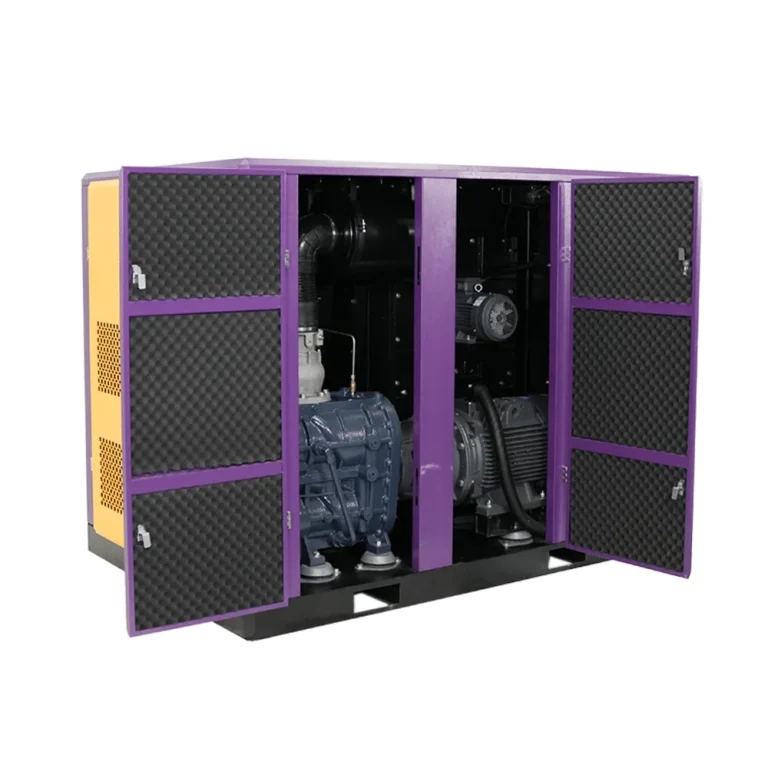
4. Manutenzione delle vibrazioni e dei dispositivi di fissaggio
Le macchine industriali vibrano: è il loro mestiere. Tuttavia, le vibrazioni costanti sono in grado di allentare lentamente i bulloni e i collegamenti elettrici. Si tratta di un'abilità di osservazione: a volte si può letteralmente sentire un pannello allentato o un tubo che sferraglia prima di vederlo.
L'ispezione “walk around
Ogni settimana qualcuno dovrebbe fare un giro di controllo fisico. Cercare:
- Macchie d'olio sul pavimento (perdite).
- Cinghie sfilacciate (se l'unità è a cinghia).
- Bulloni di montaggio allentati sul motore o sul serbatoio.
- Sibili (perdite nell'impianto idraulico interno).
Una piccola perdita d'aria potrebbe sembrare innocua, ma costringe la compressore d'aria industriale di fare cicli più frequenti. Un numero maggiore di cicli significa un numero maggiore di avviamenti e arresti, che è il punto in cui si verifica la maggiore usura del motore e dei contattori elettrici.
5. Non ignorare i “dati sulla salute”.”
La maggior parte dei compressori moderni è dotata di un pannello di controllo che non visualizza solo la pressione. Mostra le temperature, le ore di funzionamento e i codici di errore.
Ore di funzionamento vs. ore di carico
È utile capire la differenza tra quando la macchina è “accesa” e quando sta effettivamente “pompando”. Se una macchina funziona 24 ore su 24, 7 giorni su 7, ma carica solo per il 10% del tempo, è decisamente sovradimensionata, il che può portare all'accumulo di umidità perché non si scalda mai abbastanza per far evaporare la condensa.
Assistenza professionale
Sebbene i controlli quotidiani siano ottimi, è fondamentale rivolgersi a un tecnico professionista una o due volte l'anno. I tecnici hanno gli strumenti per controllare l'assorbimento di corrente del motore e per verificare che le valvole siano posizionate correttamente. È molto più economico pagare una chiamata di assistenza che sostituire un motore bruciato.
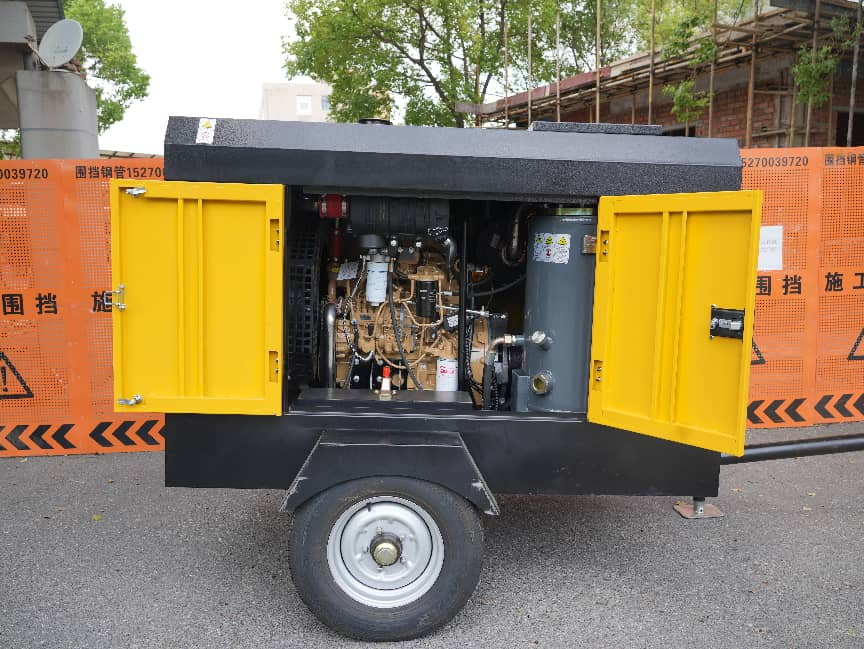
Riepilogo dei compiti di manutenzione
Per semplificare le cose, ecco un elenco di riferimento rapido di ciò che dovrebbe essere presente nel radar di ogni gestore di strutture che utilizza un compressore d'aria industriale:
- Quotidianamente: Svuotare il serbatoio, controllare i livelli dell'olio, ascoltare eventuali rumori strani.
- Settimanale: Pulire i filtri di aspirazione dell'aria e pulire l'esterno per evitare l'accumulo di polvere.
- Mensile: Controllare la tensione della cinghia e ispezionare tutti i tubi per verificare che non vi siano crepe o “bolle”.”
- Trimestrale: Sostituire i filtri dell'olio e controllare l'elemento separatore.
- Annualmente: Cambio olio completo e calibrazione professionale del sistema.
Il bilancio
Prendersi cura di un compressore d'aria industriale non richiede una laurea in ingegneria meccanica, ma un po“ di disciplina. Nella maggior parte dei casi, queste macchine emettono molti segnali prima di guastarsi: un leggero aumento della temperatura, un nuovo rantolo o un piccolo sbuffo di fumo. Mantenendo l'ambiente pulito, gestendo l'umidità e attenendosi a un rigido programma di lubrificazione, un'azienda può facilmente raddoppiare la durata prevista delle proprie apparecchiature. A lungo termine, il tempo dedicato alla manutenzione è la migliore ”polizza assicurativa" che una fabbrica possa avere.
Per ulteriori informazioni su inale, controllate la nostra guida: Compressore d'aria industriale: La guida definitiva per il 2026.