
Entrate in quasi tutte le fabbriche, le officine o gli impianti di produzione e da qualche parte - probabilmente in una stanza sul retro - c'è un compressore d'aria industriale fare il suo lavoro. Queste macchine non godono di molta gloria. Non sono appariscenti. Ma senza di esse, gli utensili pneumatici restano fermi, le catene di montaggio si arrestano e intere operazioni si fermano.
Il fatto è che la maggior parte delle persone che non si occupano di manutenzione o di ingegneria non pensano molto ai sistemi di aria compressa fino a quando qualcosa non va storto. E quando qualcosa va storto, diventa subito chiaro quanto siano essenziali questi cavalli di battaglia.
Questa guida copre tutto ciò che vale la pena sapere sulla tecnologia dei compressori d'aria industriali fino al 2026. Dai principi di base alle strategie di efficienza avanzate, l'obiettivo è quello di fornire conoscenze pratiche che aiutino a prendere decisioni sull'acquisto, il funzionamento o la manutenzione di questi sistemi critici.
Conoscere le basi della tecnologia dei compressori d'aria industriali
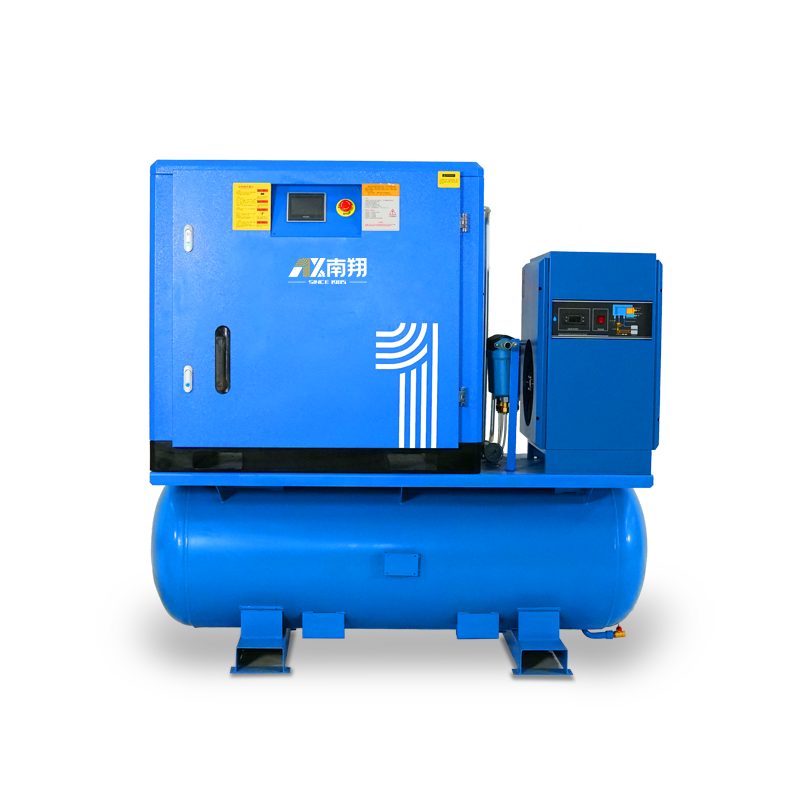
Prima di entrare nello specifico, è utile capire cosa fanno effettivamente queste macchine. Un compressore d'aria industriale preleva l'aria dall'ambiente circostante e la comprime in un volume più piccolo a una pressione più elevata. L'aria pressurizzata viene immagazzinata in serbatoi e rilasciata su richiesta per alimentare vari strumenti, apparecchiature e processi automatizzati.
Un concetto semplice, in realtà. Ma l'ingegneria che c'è dietro, e la varietà delle applicazioni, diventa sorprendentemente complessa.
Come funziona la compressione
Esistono due approcci fondamentali alla compressione dell'aria: la compressione positiva e la compressione dinamica.
I compressori a spostamento positivo intrappolano l'aria in una camera e ne riducono fisicamente il volume. Pensate di spremere un palloncino: l'aria all'interno non può andare da nessuna parte e quindi la pressione aumenta. I compressori a pistone e a vite rientrano in questa categoria.
I compressori dinamici funzionano in modo diverso. Utilizzano giranti in rapida rotazione per accelerare l'aria, quindi convertono la velocità in pressione attraverso i passaggi dei diffusori. I compressori centrifughi funzionano in questo modo e si trovano tipicamente in operazioni su larga scala, dove sono necessari volumi d'aria massicci e continui.
Nessuno dei due approcci è universalmente “migliore”. Dipende interamente dall'applicazione, un aspetto che emerge ripetutamente quando si discute di questa apparecchiatura.
Componenti chiave della maggior parte dei sistemi
Sebbene il design vari notevolmente tra i produttori e i tipi di compressore, la maggior parte delle configurazioni di compressori d'aria industriali condivide diversi componenti fondamentali:
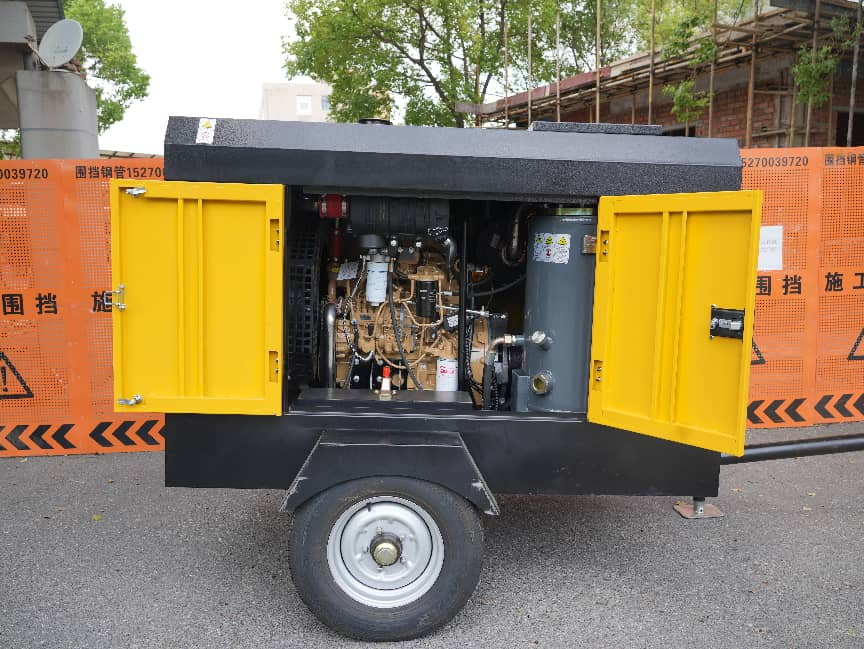
- Fonte di alimentazione - Solitamente un motore elettrico, anche se i motori diesel sono utilizzati in applicazioni mobili o remote.
- Elemento di compressione - Il meccanismo effettivo che comprime l'aria (pistoni, viti, giranti, ecc.).
- Serbatoio del ricevitore d'aria - Immagazzina l'aria compressa e contribuisce ad attenuare le fluttuazioni di pressione.
- Sistema di raffreddamento - La compressione genera un notevole calore, gestito da intercooler e aftercooler.
- Apparecchiature di filtrazione e asciugatura - Rimuovono umidità, olio e particolato dall'aria compressa.
- Sistemi di controllo - Regolano la pressione, gestiscono i cicli di carico/scarico e monitorano le prestazioni.
La comprensione di queste nozioni di base rende le conversazioni con i fornitori e i tecnici dell'assistenza molto più produttive. È utile anche per la risoluzione dei problemi o per la valutazione delle opzioni di aggiornamento.
Tipi di sistemi di compressori d'aria industriali
La scelta del tipo di compressore giusto è molto importante. La scelta sbagliata porta all'inefficienza, all'usura prematura, a prestazioni inadeguate o a tutte e tre le cose. Ecco una panoramica delle principali categorie disponibili nel 2026.
Compressori alternativi (a pistoni)
Sono i tradizionali cavalli di battaglia: pistoni che si muovono su e giù all'interno di cilindri, comprimendo l'aria a ogni corsa. Esistono da sempre (in senso relativo) e sono ancora molto diffusi per le applicazioni a servizio intermittente.
I vantaggi includono costi iniziali più bassi e una manutenzione più semplice. Lo svantaggio? Sono rumorosi. Molto rumorosi, in alcuni casi. E non sono ideali per il funzionamento continuo, perché il meccanismo del pistone genera un notevole calore e si usura maggiormente durante l'uso prolungato.
Per le officine con una domanda variabile, in cui il compressore funziona per un certo periodo, poi rimane inattivo, quindi riprende a funzionare, le unità di ricircolo hanno spesso senso dal punto di vista economico.
Compressori rotativi a vite
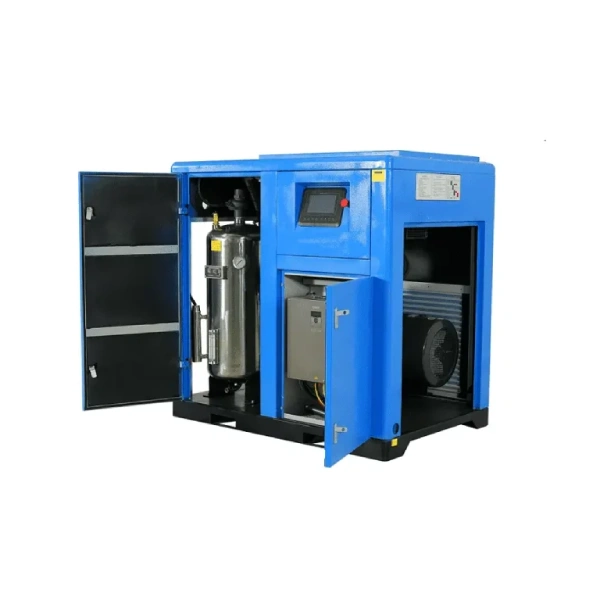
Probabilmente la scelta più comune per le applicazioni industriali serie. Due viti elicoidali (rotori) si uniscono all'interno di un alloggiamento, intrappolando e comprimendo l'aria nel passaggio dal lato di ingresso a quello di scarico.
I compressori rotativi a vite gestiscono egregiamente il servizio continuo. Funzionano in modo più freddo rispetto ai modelli alternativi, sono più silenziosi ed erogano una pressione d'aria costante senza i problemi di pulsazione che talvolta si verificano nei sistemi a pistoni.
Lo svantaggio principale è l'investimento iniziale più elevato. Inoltre, le versioni lubrificate a olio richiedono attenzione per evitare il trasferimento di olio nel flusso d'aria, un aspetto molto importante in alcuni settori.
Compressori centrifughi
Quando la richiesta d'aria diventa davvero massiccia (parliamo di grandi impianti di produzione, raffinerie, grandi strutture industriali), i compressori centrifughi diventano l'opzione da preferire. Queste macchine dinamiche movimentano enormi volumi d'aria in modo efficiente.
Sono intrinsecamente privi di olio nella camera di compressione (nessun lubrificante entra in contatto con l'aria), il che li rende interessanti per le applicazioni sensibili. Tuttavia, il costo iniziale è notevole e funzionano meglio con carichi elevati e costanti. I frequenti cicli di accensione e spegnimento non li rendono adatti.
Compressori Scroll
Meno comuni nell'industria pesante, ma degni di nota. I compressori scroll utilizzano due elementi a forma di spirale (uno stazionario e uno orbitante) per comprimere l'aria. Sono compatti, silenziosi e producono aria senza olio.
Le strutture mediche, i laboratori e la produzione di elettronica talvolta prediligono la tecnologia scroll. Per l'uso industriale tradizionale, tuttavia, le limitazioni di capacità spingono spesso gli acquirenti verso le opzioni rotative a vite o centrifughe.
Tabella di confronto rapido
| Tipo di compressore | Ciclo di lavoro | Livello di rumore | Opzioni senza olio | Migliore applicazione |
|---|---|---|---|---|
| Reciproco | Intermittente | Alto | Disponibile | Piccoli negozi, domanda variabile |
| Vite rotante | Continuo | Moderato | Disponibile (costo maggiore) | Produzione, industria generale |
| Centrifugo | Continuo | Basso-Moderato | Intrinsecamente privo di oli | Operazioni su larga scala |
| Pergamena | Leggero-moderato | Basso | Intrinsecamente privo di oli | Laboratori, ambienti medici, ambienti puliti |
Selezione del compressore d'aria industriale più adatto alla vostra attività
È qui che le cose si fanno pratiche. La scelta di un compressore d'aria industriale implica un bilanciamento di più fattori e non esiste una formula universale che vada bene per ogni situazione. Detto questo, alcune considerazioni meritano un'attenzione particolare.
Calcolo della domanda d'aria
Tutto inizia con la comprensione della quantità di aria compressa effettivamente necessaria per l'operazione. Questa viene misurata in CFM (piedi cubi al minuto) a una pressione specifica (solitamente espressa in PSI o bar).
Il processo prevede:
1. Elencare tutte le apparecchiature e gli strumenti che utilizzano aria compressa.
2. Identificare il fabbisogno di CFM per ciascun elemento (le specifiche del produttore sono utili in questo caso).
3. Determinazione degli strumenti che operano simultaneamente rispetto a quelli che operano in modo sequenziale
4. Calcolo della domanda totale di picco e della domanda media
5. Aggiungere un margine per l'espansione futura, in genere 20-25% è ragionevole.
Il sottodimensionamento crea problemi costanti: cadute di pressione, utensili che non funzionano a dovere, strozzature nella produzione. Il sovradimensionamento comporta uno spreco di capitale e un aumento dei costi energetici, poiché il compressore funziona in modo inefficiente ai carichi parziali (a meno che non sia coinvolta la tecnologia a velocità variabile, ma di questo parleremo più avanti).
Requisiti di pressione
Applicazioni diverse richiedono pressioni diverse. La maggior parte degli utensili industriali generici funziona bene a 90-100 PSI. Alcune apparecchiature specializzate richiedono pressioni più elevate, fino a 150 PSI o oltre.
È importante che la potenza del compressore corrisponda ai requisiti effettivi. Far funzionare un sistema a una pressione superiore al necessario comporta uno spreco di energia. In linea di massima, ogni aumento di pressione di 2 PSI comporta un consumo energetico superiore di circa 1%. Non sembra molto finché non lo si moltiplica per migliaia di ore di funzionamento all'anno.
Ciclo di funzionamento e schema operativo
Come funzionerà effettivamente il compressore giorno per giorno? Il funzionamento continuo favorisce i modelli rotativi a vite o centrifughi. L'uso intermittente, con periodi di inattività significativi, può andare bene con un'apparecchiatura a pistoni.
Alcune strutture operano 24 ore su 24, 7 giorni su 7. Altri fanno turni singoli con fine settimana liberi. La comprensione del modello operativo aiuta ad adeguare le capacità delle apparecchiature alle esigenze del mondo reale.
Considerazioni ambientali e spaziali
I compressori hanno bisogno di una ventilazione adeguata. Generano calore - molto calore durante il funzionamento - e questo calore deve andare da qualche parte. Spazi angusti e poco ventilati portano a surriscaldamento, riduzione dell'efficienza e riduzione della durata delle apparecchiature.
Anche l'altitudine è importante. A quote più elevate, la densità dell'aria diminuisce e influisce sulle prestazioni del compressore. I produttori forniscono fattori di declassamento per le installazioni al di sopra di determinate altitudini.
Anche le temperature estreme rappresentano una sfida. Gli ambienti molto freddi possono causare problemi di condensa e congelamento. Gli ambienti molto caldi mettono a dura prova i sistemi di raffreddamento.
Esigenze di qualità dell'aria
Questo aspetto viene talvolta trascurato, causando problemi in seguito. Non tutta l'aria compressa è uguale. Le applicazioni nella lavorazione di alimenti e bevande, nella produzione farmaceutica, nell'assemblaggio di componenti elettronici, nella verniciatura e nel rivestimento richiedono aria pulita, secca e spesso priva di olio.
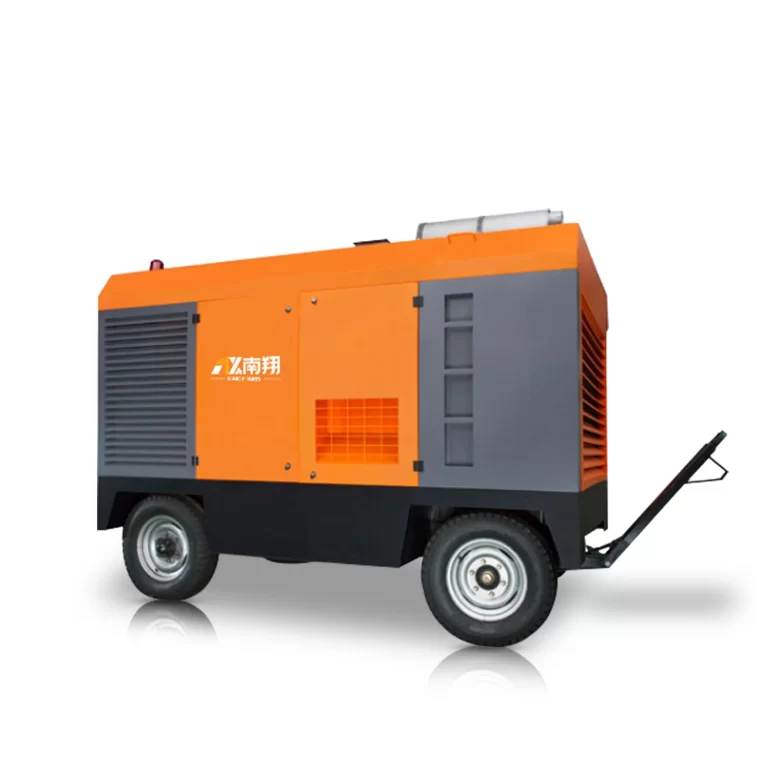
Per soddisfare i severi standard di qualità dell'aria può essere necessario specificare fin dall'inizio la tecnologia dei compressori oil-free, oppure aggiungere un'ampia apparecchiatura di filtrazione e asciugatura a valle di un'unità lubrificata a olio. Entrambi gli approcci funzionano, ma i costi e la complessità sono diversi. Per le esigenze di produzione temporanea o per i cantieri remoti, una compressore d'aria portatile con un'adeguata filtrazione possono fornire una qualità dell'aria conforme senza un'installazione permanente.
La norma ISO 8573-1 stabilisce le classi di qualità dell'aria che specificano i livelli accettabili di particelle, acqua e olio. La conoscenza della classe applicabile a una particolare applicazione guida la scelta dell'apparecchiatura. Quando si valuta un compressore d'aria portatile per applicazioni sensibili alla qualità, verificare che sia in grado di soddisfare la classe ISO richiesta con l'apparecchiatura di trattamento dell'aria a bordo o supplementare.
Efficienza energetica: Il fattore che continua a crescere d'importanza
I costi energetici rappresentano la spesa maggiore nel corso della vita di un compressore d'aria industriale, spesso superando il prezzo di acquisto nel giro di pochi anni. Questa realtà ha portato l'efficienza in primo piano nelle decisioni relative alle apparecchiature.
Tecnologia di azionamento a velocità variabile
I compressori tradizionali a velocità fissa funzionano a piena capacità o non funzionano affatto. Si caricano e si scaricano in base alle impostazioni di pressione, con conseguente spreco di energia nei periodi di scarico (il motore continua a funzionare, consumando energia senza produrre aria compressa utile).
I compressori a velocità variabile (VSD) regolano la velocità del motore in base alla domanda effettiva. Quando la domanda diminuisce, il motore rallenta. Quando la domanda aumenta, il motore accelera. Questo adattamento della produzione al fabbisogno riduce drasticamente gli sprechi energetici, spesso di 30% o più rispetto agli equivalenti a velocità fissa in applicazioni con domanda fluttuante.
Il costo iniziale è più elevato. Ma i periodi di ammortamento sono spesso compresi tra i 2 e i 4 anni, a volte più brevi quando i prezzi dell'energia aumentano.
Opportunità di recupero del calore
La compressione genera calore. Nella maggior parte dei sistemi, questo calore viene scaricato nell'atmosfera attraverso i sistemi di raffreddamento, in pratica sprecato. Ma la tecnologia di recupero del calore cattura parte di questa energia termica per scopi utili.
Le applicazioni più comuni includono:
- Preriscaldamento dell'acqua per caldaie o processi di pulizia
- Riscaldamento degli spazi per le strutture durante i mesi più freddi
- Riscaldamento dei fluidi di processo in alcune applicazioni produttive
Il recupero di calore non è adatto a tutte le situazioni, ma nei casi in cui si adatta, fornisce essenzialmente energia termica gratuita da ciò che altrimenti sarebbe un rifiuto.
Ottimizzazione a livello di sistema
L'efficienza dei singoli compressori è importante, ma lo è anche il funzionamento dell'intero sistema di aria compressa. Le perdite nelle tubazioni di distribuzione, ad esempio, sprecano enormi quantità di energia in tutto il settore. Secondo alcuni studi, nei sistemi in cattivo stato di manutenzione sono comuni tassi di perdita di 20-30%, il che significa che quasi un terzo dell'aria compressa (e dell'energia utilizzata per crearla) fuoriesce nell'atmosfera senza essere utilizzata. Le parti usurate o danneggiate dei compressori d'aria, come valvole difettose, guarnizioni degradate e guarnizioni invecchiate, spesso contribuiscono a queste perdite.
La regolare individuazione e riparazione delle perdite, il corretto dimensionamento delle tubazioni, il posizionamento strategico dei serbatoi di raccolta e l'ottimizzazione della pressione nella rete di distribuzione contribuiscono all'efficienza del sistema. L'ispezione di routine e la sostituzione tempestiva delle tubazioni critiche parti di compressori d'aria garantisce inoltre che il sistema funzioni al massimo delle prestazioni.
Pratiche di manutenzione che prolungano la vita delle apparecchiature
Un compressore d'aria industriale rappresenta un investimento significativo. Proteggere questo investimento attraverso una corretta manutenzione sembra ovvio, eppure la manutenzione differita rimane sorprendentemente comune. Spesso prevale la mentalità del “funziona bene, non toccarlo”, finché non si verifica un guasto spettacolare.
Attività di manutenzione ordinaria
L'attenzione costante alle nozioni di base previene la maggior parte dei problemi:
1. Controllare e sostituire i filtri dell'aria - I filtri intasati limitano il flusso d'aria, aumentano il consumo energetico e affaticano il compressore. Gli intervalli di sostituzione dipendono dalle condizioni ambientali; gli ambienti polverosi richiedono cambi più frequenti.
2. Monitorare e mantenere i livelli dell'olio - Per i compressori lubrificati, l'olio è essenziale. Livelli bassi causano usura eccessiva e surriscaldamento. La qualità dell'olio si degrada con il tempo; seguire le raccomandazioni del produttore per gli intervalli di sostituzione.
3. Drenare l'umidità dai serbatoi - L'aria compressa contiene umidità che si condensa nei serbatoi dei ricevitori. L'acqua accumulata favorisce la corrosione e può contaminare i processi a valle. Lo svuotamento quotidiano (o le valvole di scarico automatiche) risolve questo problema.
4. Ispezione di cinghie, tubi e collegamenti - L'usura si verifica. Se i problemi vengono individuati per tempo, si evitano guasti imprevisti. Le ispezioni visive richiedono pochi minuti, ma consentono di individuare i problemi in via di sviluppo.
5. Monitorare le temperature e le pressioni di esercizio: le deviazioni dagli intervalli normali spesso segnalano l'insorgere di problemi. Il trend di questi dati aiuta a identificare i problemi prima che diventino critici.
6. Pulire i raffreddatori e gli scambiatori di calore - L'accumulo di polvere e detriti riduce l'efficienza del raffreddamento, causando il surriscaldamento. Una pulizia regolare consente di mantenere una corretta reiezione del calore.
Servizio professionale e ispezioni
Al di là delle attività di routine, l'assistenza professionale periodica risponde a esigenze di manutenzione più profonde. Ricostruire le valvole, sostituire le guarnizioni usurate, controllare gli avvolgimenti del motore, calibrare i controlli: questo lavoro richiede conoscenze e strumenti specializzati.
Le ispezioni annuali da parte di tecnici qualificati rappresentano una base ragionevole per la maggior parte delle installazioni di compressori industriali. I sistemi ad alto utilizzo o le applicazioni critiche potrebbero richiedere un'attenzione professionale più frequente.
Il costo dell'abbandono
Saltare la manutenzione fa risparmiare denaro a breve termine. A lungo termine, però, i conti si invertono drasticamente. I guasti imprevisti bloccano la produzione e le riparazioni di emergenza costano in genere molto di più degli interventi programmati. I guasti dei componenti si susseguono a cascata; ciò che inizia come una guarnizione usurata diventa un rotore danneggiato o un cilindro rigato se non viene affrontato.
Il consumo di energia aumenta con il diminuire dell'efficienza. Filtri sporchi, componenti usurati e condizioni operative non ottimali aumentano il consumo di energia.
E alla fine si rende necessaria la sostituzione prematura delle apparecchiature. Un compressore che dovrebbe durare 20 anni potrebbe guastarsi a 12 o 15 anni a causa dell'incuria accumulata.
Tendenze che caratterizzano la tecnologia dei compressori d'aria industriali nel 2026
Il settore dell'aria compressa è in continua evoluzione. Diverse tendenze meritano attenzione da parte di chi deve prendere decisioni sulle apparecchiature nel mercato attuale.
Connettività e monitoraggio intelligente
I moderni sistemi di compressori d'aria industriali incorporano sempre più spesso sensori, connettività e capacità di monitoraggio remoto. I dati sulle prestazioni in tempo reale confluiscono in piattaforme cloud dove le analisi identificano i problemi di efficienza, prevedono le necessità di manutenzione e avvisano gli operatori dell'insorgere di problemi.
Non si tratta più di semplici chiacchiere di marketing. La tecnologia è maturata al punto che la manutenzione predittiva, basata sulle condizioni operative effettive piuttosto che su programmi fissi, riduce realmente i tempi di fermo e ottimizza gli intervalli di manutenzione.
Continui miglioramenti dell'efficienza
Le pressioni normative e l'aumento dei costi energetici spingono i produttori verso progetti sempre più efficienti. Gli standard di efficienza dei motori sono sempre più severi. I design degli elementi di compressione continuano a migliorare. I sistemi di controllo diventano sempre più intelligenti nella gestione del consumo energetico.
Quando si valuta un'apparecchiatura, è essenziale guardare oltre il prezzo di acquisto iniziale e il costo totale di proprietà. Un compressore leggermente più costoso che funziona in modo più efficiente spesso si rivela più conveniente nel corso della sua vita utile.
Espansione della tecnologia oil-free
La domanda di aria compressa priva di olio continua a crescere, in quanto le industrie devono rispettare standard di contaminazione più severi. Compressore senza olio La tecnologia, un tempo costosa e piuttosto limitata, è diventata più accessibile e capace.
I compressori a vite a iniezione d'acqua, i modelli scroll avanzati e le opzioni centrifughe migliorate offrono agli acquirenti più scelte che mai per le applicazioni che richiedono aria priva di contaminanti.
Domande frequenti
Quanto dura in genere un compressore d'aria industriale?
Con una corretta manutenzione, la maggior parte delle unità di qualità funziona in modo affidabile per 15-20 anni. I modelli a vite rotante spesso superano questa durata se sottoposti a una corretta manutenzione.
Di quali dimensioni deve essere il compressore di un impianto di produzione di medie dimensioni?
La potenza varia molto, ma molte operazioni che si collocano tra i 20.000 e i 50.000 piedi quadrati utilizzano sistemi con potenza compresa tra 50 e 200 cavalli. I requisiti effettivi dipendono dalle attrezzature e dai processi specifici.
I compressori oil-free valgono il costo aggiuntivo?
Per le industrie che richiedono aria priva di contaminanti, assolutamente sì. Per la produzione generale, dove una leggera nebbia d'olio non costituisce un problema, il sovrapprezzo potrebbe non essere giustificato.