Paper manufacturing relies heavily on compressed air—probably more than most people realize. From pulp processing to drying and finishing, air compressors play critical roles throughout production lines. Choosing the wrong equipment leads to inefficiency, unexpected downtime, and higher operating costs that accumulate over years of operation.
Selezione di un air compressor for paper making industry applications requires understanding both the technical demands and practical realities of mill environments. This guide walks through the key considerations.
Why Compressed Air Matters in Paper Production
Paper mills use compressed air for dozens of applications. Some are obvious; others less so. The diversity of uses makes proper compressor selection more complex than in simpler industrial settings.
Common applications in paper mills
Compressed air typically serves these functions:
• Pneumatic conveying of pulp and raw materials
• Control valve actuation throughout the process
• Air knives for sheet drying and moisture removal
• Cleaning and dust removal systems
• Instrumentation and process controls
• Vacuum pump operation in certain configurations
Each application has different pressure and quality requirements. That’s what makes things complicated—a single compressor system often needs to serve multiple needs with varying specifications.
Types of Air Compressors Used
Not every compressor type suits paper mill conditions equally well. Environmental factors like dust, humidity, and continuous operation demands narrow the practical options.
| Tipo di compressore | Typical Capacity | Best Applications | Considerations |
|---|---|---|---|
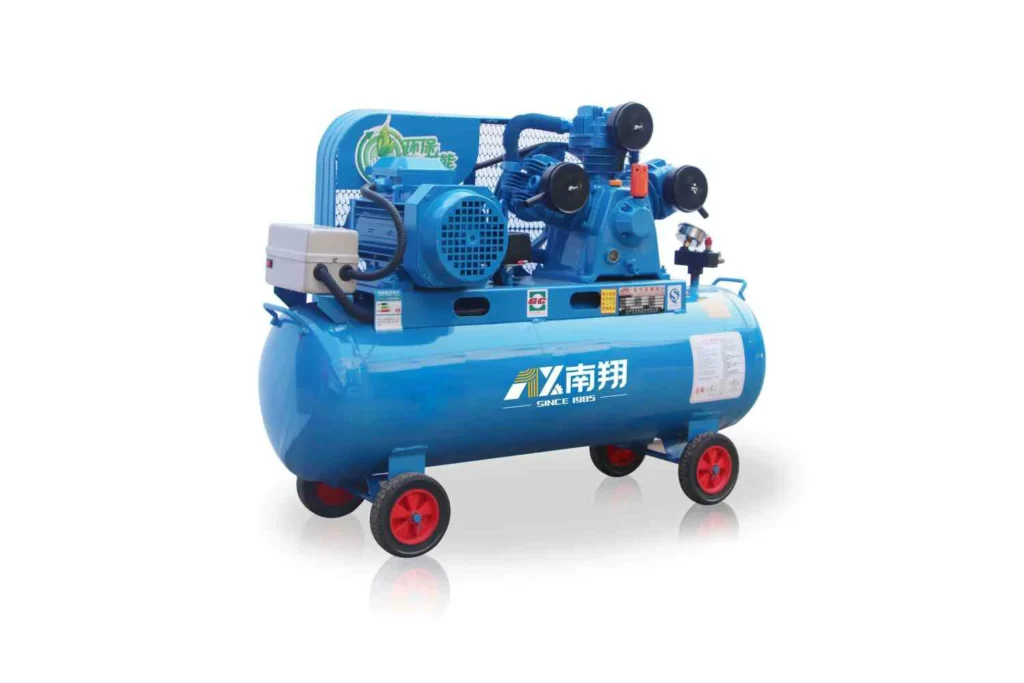
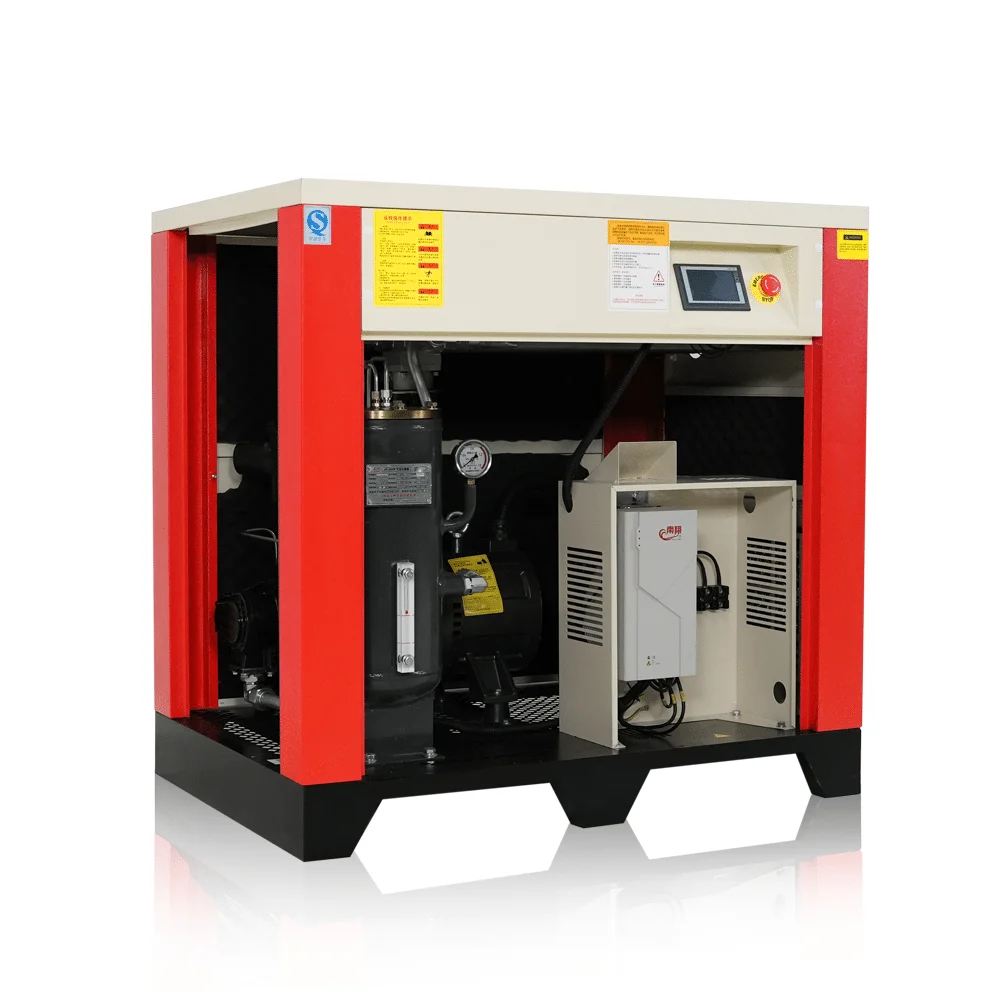
| Rotary screw | Medium to high | Main plant air supply | Reliable for continuous duty |
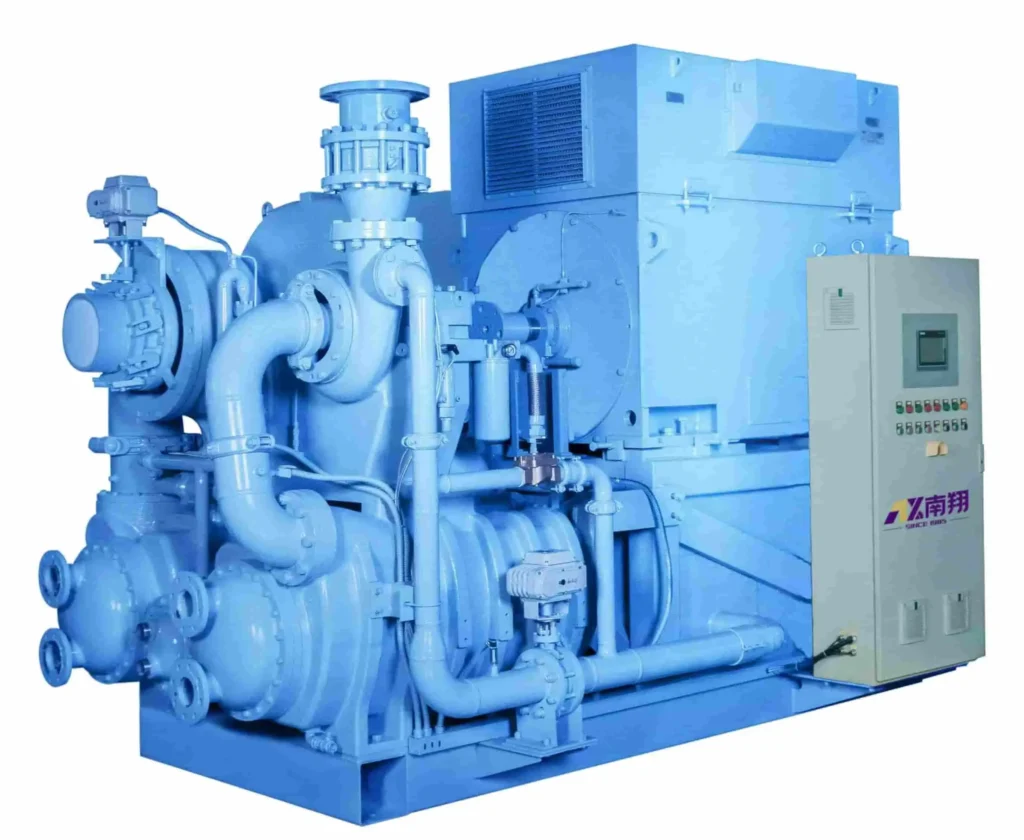
| Centrifugo | Very high | Large mills with steady demand | Excellent efficiency at scale |
| Oil-free screw | Medium to high | Applications requiring clean air | Higher initial cost |
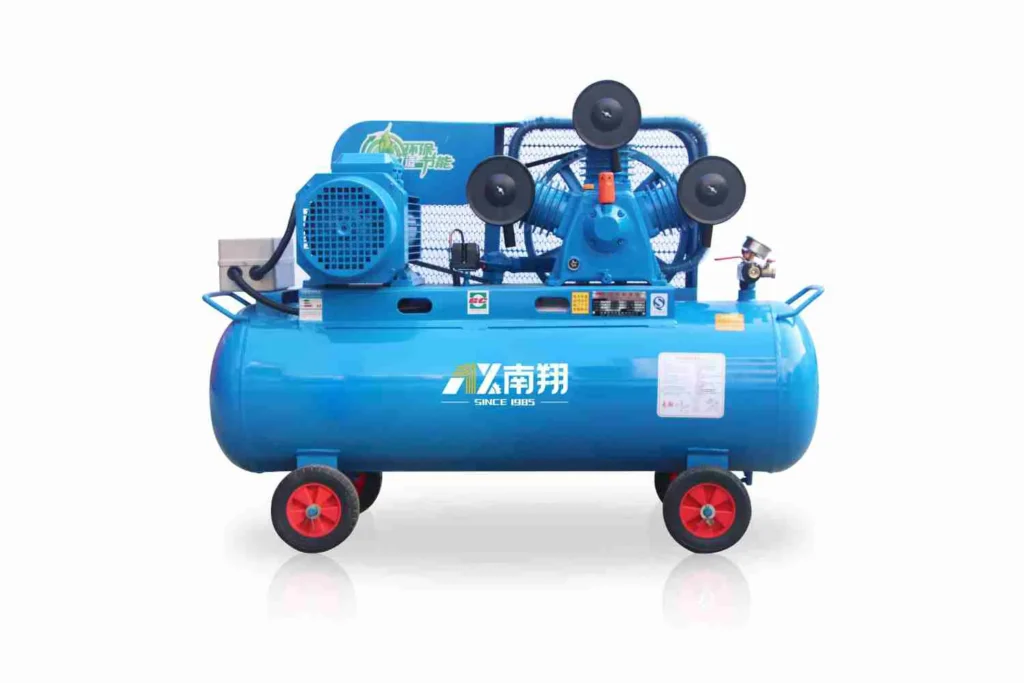
| Reciproco | Low to medium | Backup or intermittent use | Not ideal for continuous operation |
For most paper manufacturing facilities, rotary screw compressors handle the bulk of demand. Larger operations might justify centrifugal units. The right air compressor for paper making industry use depends heavily on mill size and specific process requirements.
Oil-free versus oil-injected
This decision matters quite a bit. Oil-injected compressors cost less upfront and often run more efficiently. But any oil carryover can contaminate product or cause problems with certain equipment.
Some paper making processes tolerate trace oil; others absolutely cannot. Understanding where compressed air contacts product—directly or indirectly—helps determine whether oil-free Compressor is truly necessary or simply preferred.
Sizing Considerations
Getting capacity right prevents two equally problematic outcomes: undersized systems that can’t keep up, and oversized systems that waste energy cycling on and off.
Calculating air demand
Accurate sizing requires identifying all compressed air consumers and their requirements:
1. List every piece of equipment using compressed air
2. Determine CFM (cubic feet per minute) requirements for each
3. Account for simultaneous usage—rarely is everything running at once
4. Add margin for leaks (typically 10-20% in older facilities)
5. Consider future expansion needs
Paper mills often discover hidden air consumption during audits. Leaks accumulate over time, and small pneumatic tools add up. A thorough assessment before selecting an air compressor for paper making industry applications prevents unpleasant surprises later.
Pressure requirements
Different applications need different pressures. Most general plant air runs at 90-110 PSI, but some processes require higher or lower. Running an entire system at elevated pressure to satisfy one high-pressure need wastes significant energy—worth considering whether separate systems make more sense.
Efficiency and Operating Costs
Compressors run continuously in most paper mills. That means electricity costs dominate total cost of ownership over equipment lifespan.
Features that improve efficiency
Several technologies reduce energy consumption:
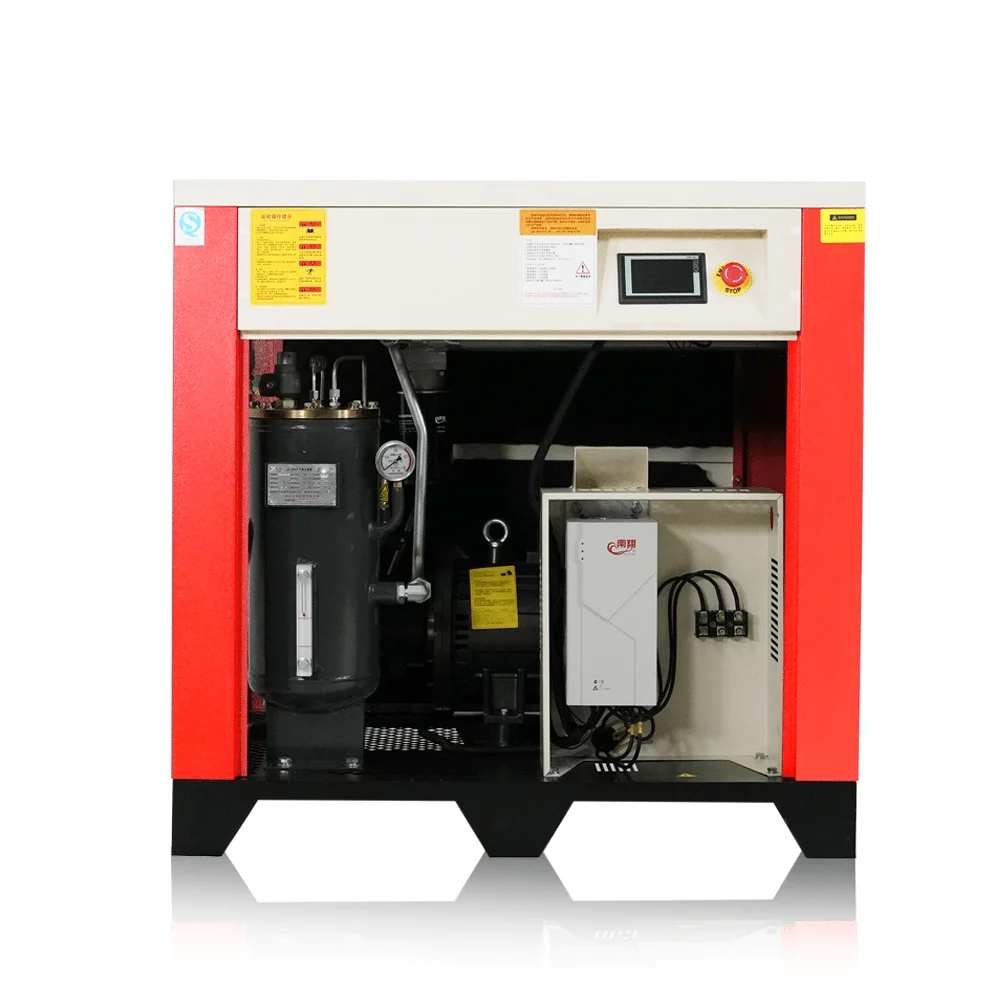
• Variable speed drives (VSD) that match output to demand
• Heat recovery systems capturing compression heat for process use
• Efficient intake filtration reducing pressure drop
• Proper system pressure management
VSD compressors particularly suit applications with fluctuating demand. Paper production often varies with schedules and product changes, making variable speed technology a sensible investment for many mills.
Environmental and Maintenance Factors
Paper mill environments present specific challenges. Dust, humidity, and fiber particles stress equipment. Any air compressor for paper making industry installation needs robust filtration and appropriate protection.
Maintenance considerations
Reliable operation requires consistent maintenance. Before purchasing, evaluate:
• Availability of local service support
• Spare parts lead times and stocking
• Maintenance intervals and associated costs
• Training requirements for in-house staff
Some suppliers offer comprehensive maintenance programs—worth exploring for facilities without dedicated compressor expertise.
Domande frequenti
What size air compressor does a typical paper mill need?
Requirements vary widely; small mills might need 100-200 HP while large operations require thousands of horsepower across multiple units.
Is oil-free compression necessary for paper making?
Depends on specific applications; processes where air contacts product directly typically require oil-free air.
How long do industrial air compressors last in paper mills?
Quality rotary screw compressors typically last 15-20 years with proper maintenance in paper mill environments.