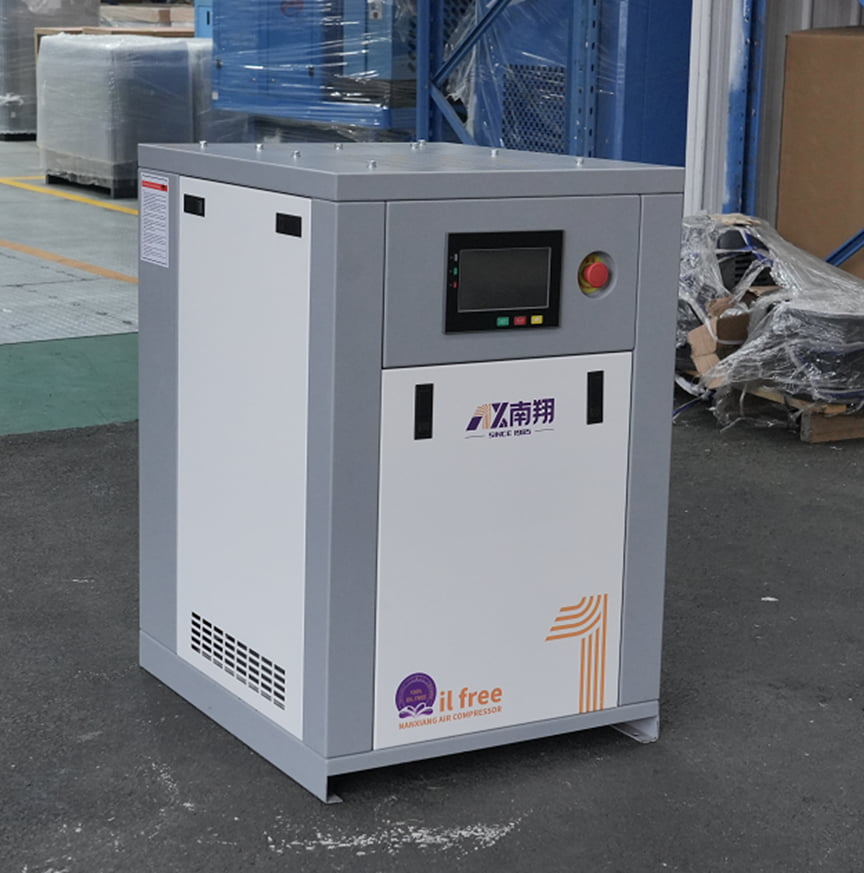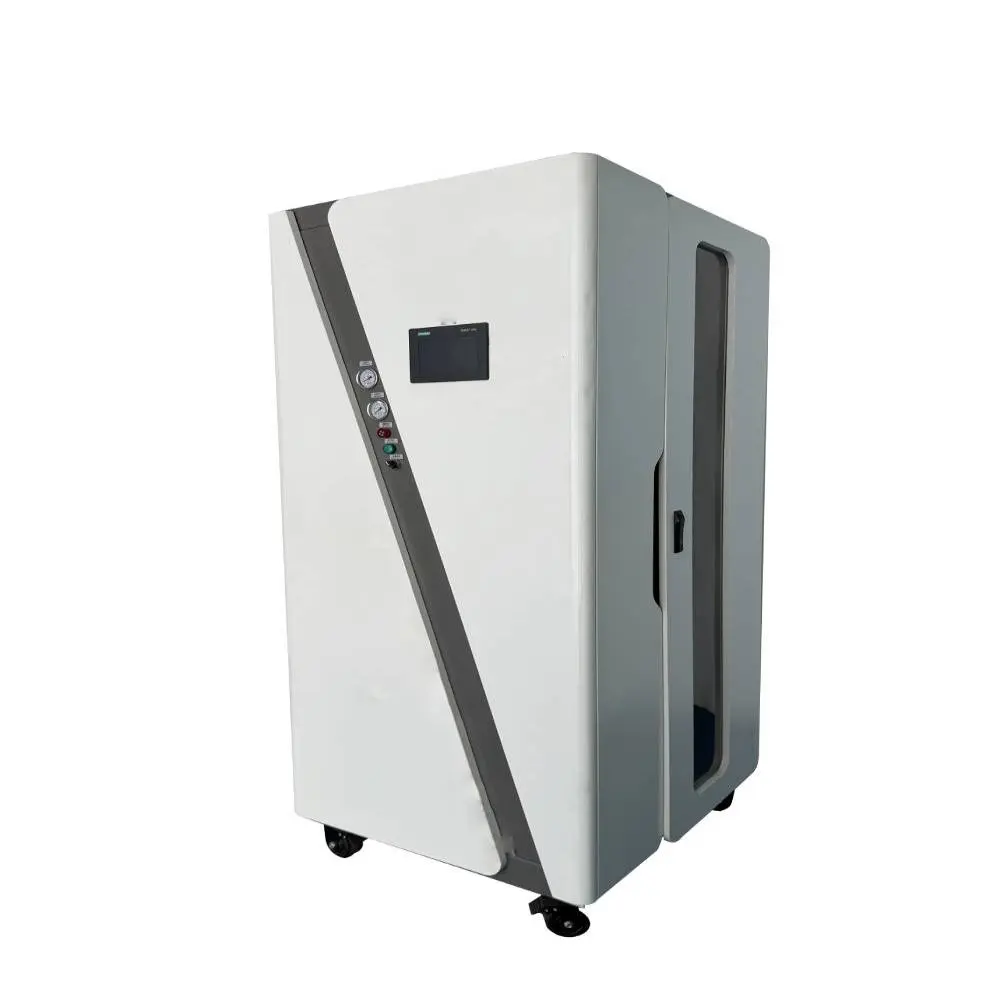
An промышленный ротационный винтовой воздушный компрессор это наиболее распространенное решение для сжатого воздуха на заводах, в мастерских, на перерабатывающих предприятиях, строительных площадках и тяжелых производственных линиях. Он работает непрерывно, в отличие от небольших поршневых компрессоров, которые лучше всего подходят для периодической работы и имеют ограниченный рабочий цикл. Выбор подходящего промышленного винтового воздушного компрессора может повысить производительность, сократить время простоя и снизить долгосрочные затраты на электроэнергию для предприятий, которым требуется надежный воздух для пневматических инструментов, упаковочных машин, оборудования с ЧПУ, систем распыления, текстильного оборудования или общих операций на заводе.
Что такое промышленный роторно-винтовой воздушный компрессор?
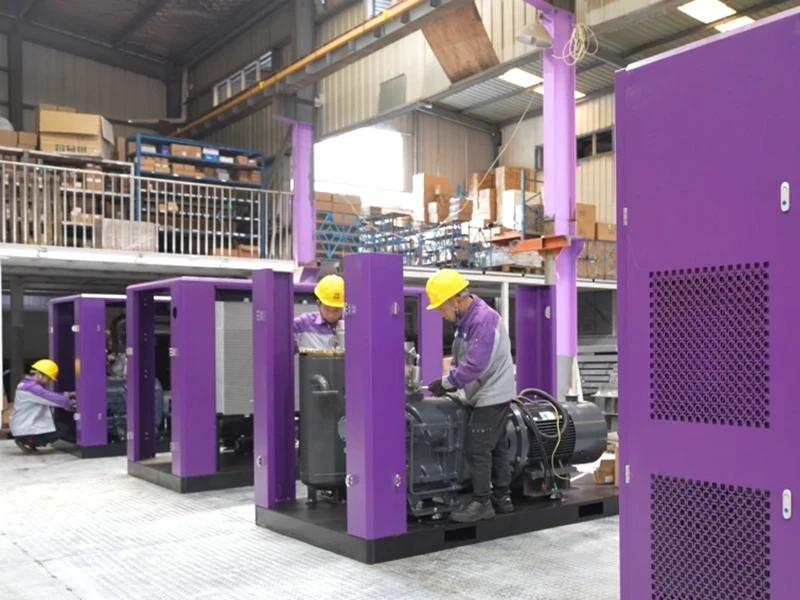
Промышленный винтовой воздушный компрессор - это компрессор объемного действия, в котором для сжатия воздуха используются два скрещивающихся спиральных ротора. При вращении роторов воздух попадает в камеру сжатия, оказывается зажатым между профилями роторов и постепенно сжимается по мере уменьшения объема.
Согласно описанию технологии винтовых компрессоров Atlas Copco, этот непрерывный процесс сжатия делает винтовые компрессоры подходящими для применения в тех областях, где требуется стабильная производительность в течение длительного времени.
По сравнению с поршневыми компрессорами винтовые компрессоры обычно обеспечивают более плавный поток воздуха, меньшую вибрацию, более тихую работу и лучше подходят для непрерывного промышленного использования.
Как работает роторно-винтовой компрессор?
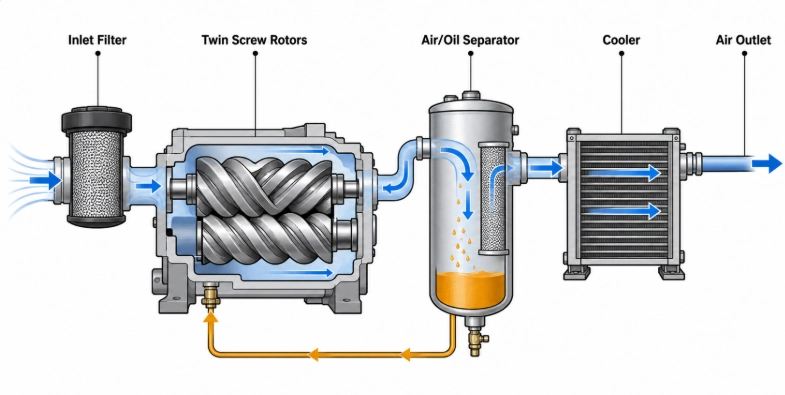
Основной процесс прост, но каждый компонент играет важную роль в производительности и надежности.
| Компонент | Функция | Почему это важно |
|---|---|---|
| Впускной воздушный фильтр | Удаляет пыль перед поступлением воздуха в компрессор | Защищает воздух и улучшает его качество |
| Винтовой воздушный конец | Сжимает воздух с помощью сдвоенных роторов | Основной компонент, определяющий производительность и эффективность |
| Масляная система | Охлаждение, уплотнение и смазка в моделях с масляной смазкой | Помогает поддерживать стабильную температуру и компрессию |
| Воздушно-масляный сепаратор | Отделяет смазку от сжатого воздуха | Снижает унос масла и защищает оборудование, расположенное ниже по течению. |
| Охладитель | Снижает температуру сжатого воздуха | Повышает надежность и защищает осушители и фильтры |
| Контроллер | Контролирует давление, температуру, аварийные сигналы и рабочее состояние | Помогает оптимизировать эксплуатацию и техническое обслуживание |
В винтовом компрессоре с масляной смазкой масло впрыскивается в камеру сжатия для уплотнения внутренних зазоров, отвода тепла и смазки движущихся частей. После сжатия масло отделяется от воздуха и возвращается в систему.
В безмасляных моделях камера сжатия сконструирована таким образом, чтобы исключить контакт масла с воздушным потоком, что позволяет использовать их в отраслях с более строгими требованиями к чистоте воздуха.
Основные типы промышленных роторно-винтовых воздушных компрессоров
Ротационные винтовые компрессоры с масляной смазкой
Компрессоры с масляной смазкой широко распространены в общем производстве, металлообработке, авторемонте, машиностроении, производстве пластмасс, мебели и многих других отраслях промышленности. Они часто более экономичны, чем безмасляные модели, и могут обеспечить надежную работу в сочетании с надлежащей фильтрацией и техническим обслуживанием.
Безмасляные ротационные винтовые компрессоры
Безмасляные винтовые компрессоры используются в тех случаях, когда чистота воздуха имеет решающее значение. Типичные области применения - производство продуктов питания и напитков, фармацевтика, электроника, производство медицинского оборудования и прецизионные покрытия. Такие компрессоры стоят дороже, но они помогают снизить риск загрязнения в чувствительных процессах.
Компрессоры с фиксированной и переменной скоростью вращения
Компрессор с фиксированной частотой вращения работает с постоянной скоростью двигателя и часто подходит, когда потребность в воздухе стабильна. Компрессор с регулируемой частотой вращения регулирует скорость вращения двигателя в зависимости от потребности в воздухе, что позволяет сократить потери энергии на объектах, где потребление воздуха колеблется в течение дня.
Поскольку сжатый воздух может быть одной из основных статей эксплуатационных расходов, покупатели должны учитывать не только номинальную мощность, но и эффективность при частичной нагрузке, параметры давления и характер спроса в системе.
Одноступенчатые и двухступенчатые компрессоры
A одноступенчатый компрессор завершает процесс сжатия за одну ступень. Двухступенчатый компрессор разделяет процесс сжатия на две ступени, часто с промежуточным охлаждением между ними. Это позволяет повысить эффективность и снизить температуру нагнетания в некоторых системах с высоким давлением или в тяжелых условиях эксплуатации.
Для растений, которым требуется повышенная производительность в сложных условиях, Двухступенчатые воздушные компрессоры стоит рассмотреть, особенно если давление, рабочий цикл и экономия энергии являются основными факторами принятия решения.
Портативные промышленные воздушные компрессоры
Не каждое применение промышленного воздуха происходит на заводе. Строительство, добыча полезных ископаемых, ремонт дорог, бурение, пескоструйная обработка и удаленное техническое обслуживание часто требуют мобильного сжатого воздуха. В этих случаях, Портативные промышленные воздушные компрессоры может обеспечить гибкую подачу воздуха там, где стационарная электрическая инфраструктура недоступна или неудобна.
Основные преимущества промышленных ротационных винтовых воздушных компрессоров
Ротационные винтовые компрессоры популярны, поскольку отвечают требованиям многих промышленных сред. К их основным преимуществам относятся непрерывная подача воздуха, высокий рабочий цикл, стабильное давление, компактная конструкция и относительно низкий уровень вибрации.
Они также подходят для централизованных систем сжатого воздуха, в которых один или несколько компрессоров подают воздух в различные производственные зоны. При правильном выборе размера и обслуживании они могут поддерживать стабильное производство, сокращая количество незапланированных перерывов.
Однако сам компрессор - это только одна часть системы. В руководстве по системам сжатого воздуха Министерства энергетики США подчеркивается, что эффективность зависит от всей системы, включая потребность, давление, хранение, утечки, трубопроводы, управление и обслуживание.

Как правильно выбрать промышленный роторно-винтовой воздушный компрессор
Выбор компрессора только по мощности - распространенная ошибка. Более эффективным подходом является оценка фактической потребности в воздухе, рабочего давления, качества воздуха, условий на объекте и эксплуатационных расходов в течение всего срока службы.
| Фактор выбора | Что проверить | Практический совет |
|---|---|---|
| Поток воздуха | Требуемый CFM или м³/мин | Добавьте реалистичные резервные мощности, но избегайте чрезмерного увеличения |
| Давление | Требуемое количество бар или фунтов на квадратный дюйм в точке использования | Не устанавливайте давление выше, чем необходимо |
| Рабочий цикл | Часы в день и режим нагрузки | Непрерывные операции обычно предпочитают конструкции с вращающимся винтом |
| Качество воздуха | Содержание масла, влаги, частиц | Подберите сушилки и фильтры в соответствии с требованиями технологического процесса |
| Эффективность | Конкретный тип питания и управления | Сравните стандартизированные данные, если таковые имеются |
| Окружающая среда | Температура, пыль, вентиляция | Плохая вентиляция может сократить срок службы |
| Техническое обслуживание | Фильтр, масло, сепаратор и доступ для обслуживания | Выберите дизайн, который легко поддерживать |
Для получения дополнительной информации, пожалуйста, посетите наш блог Как правильно выбрать промышленный роторно-винтовой воздушный компрессор.
Советы по повышению эффективности систем сжатого воздуха
- Даже высококачественный компрессор может расходовать энергию впустую, если система плохо спроектирована. Начните с анализа потребностей: сколько воздуха необходимо, когда он нужен и под каким давлением.
- Избегайте чрезмерных размеров. Слишком большой компрессор может работать неэффективно, тратить энергию и создавать проблемы с управлением. В то же время заниженные размеры могут привести к перепадам давления, плохой работе инструмента и задержкам в производстве.
- Устранение утечек - еще одна важная возможность повышения эффективности. Небольшие утечки на большом предприятии могут привести к значительным потерям энергии. Регулярные проверки утечек, правильный выбор размера труб, чистые фильтры и надлежащие резервуары для хранения могут помочь стабилизировать давление и снизить нагрузку на компрессор.
- Кроме того, пересмотрите настройки давления. Многие установки работают при более высоком давлении, чем необходимо, чтобы компенсировать утечки, засорение фильтров или плохую компоновку трубопроводов. Устранение первопричины обычно лучше, чем простое повышение давления в системе.
Контрольный список технического обслуживания винтовых компрессоров
Профилактическое обслуживание - важнейшее условие надежности. В руководстве по техническому обслуживанию компрессоров Kaeser описаны такие плановые проверки, как уровень масла, фильтры, охладители, дренажи, ремни, электрические шкафы и условия эксплуатации.
| Проверьте уровень масла | Ежедневно или еженедельно | Предотвращение перегрева и повреждения воздушной части |
|---|---|---|
| Осмотрите впускной фильтр | Еженедельно/ежемесячно | Поддерживайте воздушный поток и защищайте внутренние детали |
| Чистый охладитель | Ежемесячно или по мере необходимости | Держите температуру разряда под контролем |
| Проверьте слив конденсата | Еженедельник | Предотвратите скопление воды в воздушной системе |
| Осмотрите ремни или муфты | Ежемесячно | Избегайте проблем с передачей электроэнергии |
| Замените маслоотделитель | В соответствии с графиком обслуживания | Снижение уноса масла и падения давления |
| Запись часов работы | Продолжение | Планируйте обслуживание до возникновения сбоев |
Периодичность технического обслуживания зависит от модели, часов работы, условий эксплуатации и типа смазки. Пыльная, жаркая или влажная среда обычно требует более частого осмотра.
Заключение
Промышленный винтовой воздушный компрессор - это, безусловно, хороший выбор для предприятий, нуждающихся в стабильном и непрерывном сжатом воздухе. Выбор оптимальной модели зависит от требуемого расхода воздуха, давления, рабочего цикла, качества воздуха, условий установки и энергетических целей. Для достижения наилучшего долгосрочного результата следует не ограничиваться только табличкой на компрессоре, а оценить всю систему сжатого воздуха, сравнить данные о производительности, спланировать правильную подготовку воздуха и следовать последовательному графику технического обслуживания. Такой подход поможет вам минимизировать время простоя, контролировать затраты на электроэнергию и поддерживать бесперебойную работу производства.
Часто задаваемые вопросы
Как долго может работать промышленный винтовой воздушный компрессор?
Многие промышленные винтовые компрессоры рассчитаны на непрерывную работу при условии, что они правильно подобраны по размеру, правильно вентилируются и обслуживаются в соответствии с графиком производителя.
Подходит ли винтовой компрессор с масляной смазкой для чистых производств?
Это зависит от требований к качеству воздуха. При надлежащей фильтрации компрессоры с масляной смазкой могут использоваться во многих областях. В некоторых высокочувствительных отраслях, таких как фармацевтика, пищевая промышленность или электроника, более подходящими могут быть безмасляные компрессоры.
Как узнать, нужен ли мне двухступенчатый винтовой компрессор?
Рассмотрите возможность использования двухступенчатого компрессора, если вам требуется более высокое давление, длительное время работы или более высокая эффективность в сложных условиях. Поставщик всегда должен оценить потребность в воздухе, требуемое давление и профиль работы, прежде чем рекомендовать один из вариантов.