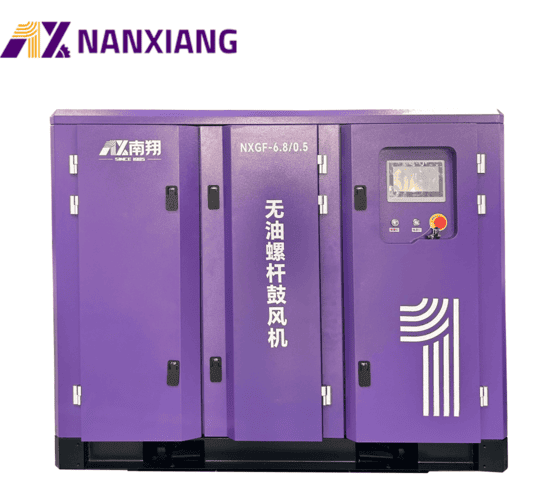
Discover the working principle and advantages and disadvantages of oil-free screw air compressors in this informative guide.
Oil-free screw air compressors have revolutionized the compressed air industry by providing clean and oil-free compressed air. In this article, we will delve into the working principle of oil-free screw air compressors and explore their advantages and disadvantages. Understanding these aspects will help users make informed decisions about utilizing oil-free screw air compressors for their specific applications.
Working Principle of Oil-Free Screw Air Compressors
Oil-free screw air compressors operate on the same principle as oil-injected screw compressors, with the key difference lying in the compression chamber design and lubrication mechanism. The working principle of oil-free screw air compressors involves the following steps:
Air Intake: The compressor draws in atmospheric air through an inlet filter.
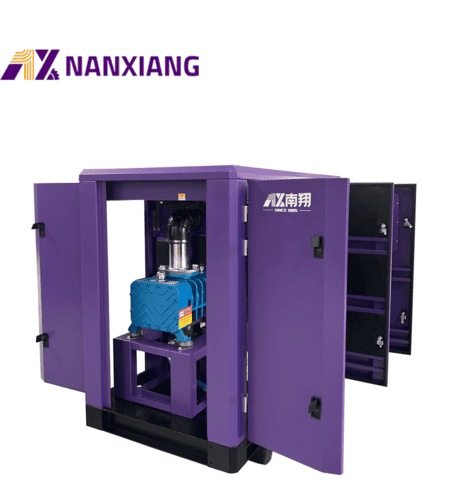
Compression: The air enters the compression chamber, where a pair of intermeshing rotors, usually made of coated or treated materials, rotate in opposite directions. As the rotors spin, the air is progressively compressed along the length of the rotors’ threads.
Cooling: The compressed air is then directed to a cooling system, which removes heat generated during compression.
Air Filtration: Before reaching the outlet, the compressed air passes through a series of filters to remove any remaining contaminants, ensuring clean and oil-free compressed air.
Discharge: The filtered and cooled compressed air is then discharged into the air receiver or downstream system for use in various applications.
Advantages of Oil-Free Screw Air Compressors
Oil-free screw air compressors offer several advantages that make them suitable for a wide range of applications. These advantages include:
Clean and Contaminant-Free Air: Oil-free compressors provide a reliable source of clean and oil-free compressed air, ensuring the integrity and quality of sensitive applications such as food processing, pharmaceuticals, electronics, and medical industries.
Energy Efficiency: By eliminating the need for oil injection and associated oil separation systems, oil-free compressors can achieve higher energy efficiency compared to oil-injected compressors. This results in reduced energy consumption and lower operating costs.
Reduced Maintenance Costs: Oil-free compressors eliminate the need for regular oil changes, filter replacements, and oil-related maintenance, reducing maintenance costs and downtime. This leads to increased productivity and cost savings in the long run.
Environmental Friendliness: Oil-free compressors are environmentally friendly as they eliminate the risk of oil leaks or the disposal of used oil. They comply with strict environmental regulations and contribute to a cleaner and greener working environment.
Enhanced Reliability: The absence of oil in the compression chamber eliminates the risks associated with oil carryover, carbon buildup, and oil degradation. This leads to improved reliability, extended compressor life, and reduced chances of unexpected breakdowns.
Simplified Installation: Oil-free compressors do not require additional equipment such as oil separators, oil coolers, or oil reservoirs, simplifying the installation process and reducing the footprint of the compressor system.
Disadvantages of Oil-Free Screw Air Compressors
Despite their numerous advantages, oil-free screw air compressors also have certain limitations that should be considered:
- Higher Initial Cost: Oil-free compressors generally have a higher upfront cost compared to oil-injected compressors. The specialized design and materials required for oil-free operation contribute to the increased initial investment.
Limited Pressure and Capacity Range: Oil-free compressors are typically suitable for lower to medium pressure applications. High-pressure applications may require specialized designs, which can increase costs and limit available capacity options.
Increased Heat Generation: The absence of lubricating oil in the compression chamber can lead to increased heat generation during operation. Additional cooling measures may be necessary to maintain optimal operating temperatures.
Reduced Efficiency at Higher Pressures: Oil-free compressors may experience reduced efficiency at higher pressure levels compared to oil-injected compressors. This can result in higher energy consumption in certain high-pressure applications.
Sensitivity to Contaminants: Oil-free compressors are more sensitive to contaminants present in the intake air, such as dust, dirt, or moisture. Regular maintenance and appropriate filtration systems are essential to protect the compressor and ensure optimal performance.
Increased Noise Levels: Oil-free compressors may generate higher noise levels compared to oil-injected compressors due to the absence of oil damping. Adequate noise reduction measures should be implemented to minimize the impact on the working environment.
Component Wear and Tear: The absence of lubricating oil can lead to increased wear and tear on certain components, such as seals, bearings, and rotors. Regular inspections and maintenance are necessary to prevent premature component failure.
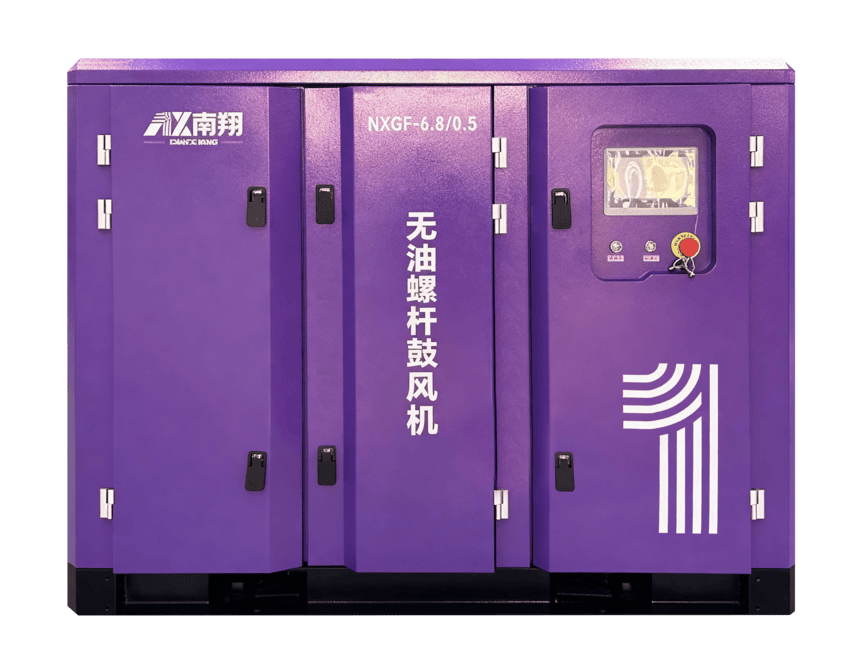
Oil-free screw air compressors offer several advantages, including clean and contaminant-free compressed air, energy efficiency, reduced maintenance costs, environmental friendliness, and enhanced reliability. However, they also have limitations, such as higher initial costs, limited pressure and capacity ranges, increased heat generation, and sensitivity to contaminants. By weighing these pros and cons, users can determine the suitability of oil-free screw air compressors for their specific applications and make informed decisions.