¿Cómo resolver el dilema del aceite en el aire comprimido?
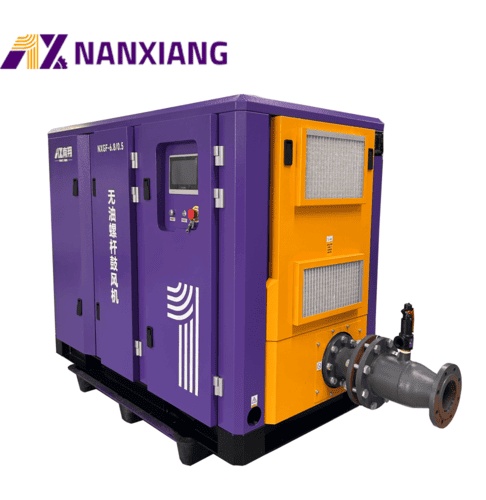
El aire comprimido es un componente esencial de la producción industrial moderna y de una vida de alta calidad. Se utiliza ampliamente en diversas industrias de todo el mundo. Con el progreso social y el desarrollo industrial, cada vez más empresas prestan atención a la calidad del aire comprimido. Además de los requisitos relativos al caudal, la presión y el consumo de energía del aire comprimido, también existen diferentes requisitos en cuanto a la calidad del gas (polvo, agua, aceite). Durante la producción, a menudo se observa que aparece aceite líquido al final del suministro de aire del taller, lo que supone un gran riesgo para la seguridad y afecta gravemente a la producción normal y segura, lo que se traduce en enormes pérdidas.
El aceite que se encuentra en el aire comprimido procede principalmente del sistema de lubricación del compresor de aire. El contenido normal de aceite en el escape de un compresor de aire de tornillo debe ser ≤3ppm. Si es superior a 3ppm, se considera como arrastre de aceite, y en casos más graves, el compresor de aire puede experimentar fugas de aceite. La adición regular de aceite lubricante es necesaria para reducir la cantidad de aceite que corre hacia el extremo posterior del compresor de aire, lo que puede causar graves problemas para el sistema de postprocesamiento, las tuberías, el sistema de drenaje y el equipo de uso final. Una pequeña parte del aceite comprimido también procede del entorno atmosférico. El aceite existe en nuestra atmósfera, y cuanto mayor es el nivel de contaminación en las zonas industriales, mayor es el contenido de aceite en el medio ambiente. Durante el proceso de generación de aire comprimido, inevitablemente se mezclan diversos tipos de aceite lubricante residual procedente del compresor de aire, las tuberías y las válvulas.
Los peligros de un contenido excesivo de aceite en el aire comprimido
El uso de aceite para aire comprimido puede tener efectos negativos en la calidad y la vida útil del aire comprimido. El cambio de las condiciones de postprocesado puede dar lugar a una calidad del aire inferior a la media, causando problemas como la intoxicación por aceite en el adsorbente de los secadores y, en última instancia, provocando averías en los equipos. Además, el uso de aceite en el aire comprimido puede acelerar la corrosión y el óxido en tuberías y componentes neumáticos, afectando a la precisión y la vida útil de los equipos neumáticos. Cuando el aire comprimido entra en contacto con productos o productos semiacabados, puede afectar gravemente a la calidad del producto y provocar importantes pérdidas de costes, sobre todo en industrias como la alimentaria, la farmacéutica y la de semiconductores.
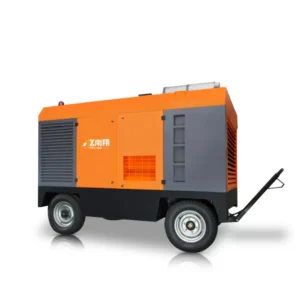
Análisis de las causas del aceite lubricante para compresores de aire
Para garantizar el funcionamiento seguro y estable de un compresor de aire, es importante reforzar la supervisión y el mantenimiento diarios, y abordar con prontitud cualquier situación anómala para evitar pérdidas innecesarias. Las principales causas de las salpicaduras de aceite de un compresor de aire son las siguientes:
- Los compresores de aire son herramientas esenciales en muchas industrias, pero pueden experimentar problemas con sus sistemas de retorno de aceite. Un problema común es una válvula unidireccional obstruida o que funciona mal, lo que puede hacer que el exceso de aceite fluya de vuelta al depósito de aceite y luego se escape del compresor durante el funcionamiento. Este problema se observa a menudo en máquinas que carecen de válvulas de cierre del circuito de aceite y válvulas unidireccionales en la salida de escape del compresor. Para solucionarlo, se debe inspeccionar la válvula y limpiarla de residuos, o sustituirla si está dañada. Otro problema puede surgir si el tubo acodado de retorno de aceite se instala demasiado alto o no se introduce en el hueco inferior del depósito de aceite, lo que provoca que el aceite se acumule y se escape con el aire comprimido. Ajustar la altura del tubo a 1-2 mm por encima del espacio inferior puede resolver este problema. Además, un tubo de retorno de aceite plano que bloquea el orificio de retorno de aceite o un tubo de retorno de aceite roto también pueden causar fugas de aceite y requieren sustitución.
- Un separador de aceite y gas puede experimentar problemas relacionados con el componente de aceite. Estos problemas pueden deberse a que no se sustituye el aceite con regularidad, a que se utiliza aceite de baja calidad o a procedimientos de instalación inadecuados, como la perforación del filtro de aceite durante la instalación de la tubería de retorno de aceite. Para evitar estos problemas, es importante sustituir regularmente el aceite por aceite de alta calidad del fabricante de equipos originales (OEM) y seguir los procedimientos de instalación adecuados.
- Hay dos problemas comunes relacionados con el aceite del motor: el llenado excesivo y la selección de un tipo de aceite incorrecto. El llenado excesivo puede provocar un consumo excesivo de aceite, ya que parte del aceite puede ser arrastrado por el flujo de aire. Para evitarlo, es importante llenar el aceite hasta el nivel correcto, que puede controlarse a través del indicador de nivel de aceite. En cuanto a la selección del aceite, se recomienda elegir un aceite de alta calidad que sea adecuado para su motor específico, basándose en las directrices del fabricante.
- Los problemas con las condiciones de funcionamiento pueden deberse a dos factores principales. En primer lugar, si se produce una caída significativa de la presión, el caudal puede ser demasiado rápido, lo que provoca un aumento de la carga de aceite. En segundo lugar, si la temperatura de funcionamiento no se mantiene dentro del rango recomendado de 80-90 grados, el contenido de aceite puede aumentar a medida que sube la temperatura. Es importante controlar y mantener unas condiciones de funcionamiento adecuadas para garantizar un rendimiento óptimo y la longevidad del equipo.
Método de tratamiento del aceite del aire comprimido
El método de tratamiento de aceite en aire comprimido implica varios pasos para garantizar que el compresor de aire no libere cantidades excesivas de aceite en el aire. En primer lugar, debe abordarse el origen del aceite para garantizar que el contenido de aceite en el aire comprimido se encuentre dentro de los niveles normales (≤3PPm). En segundo lugar, los equipos de tratamiento posterior, como depósitos de almacenamiento, filtros y secadores, deben someterse a un mantenimiento periódico para eliminar eficazmente el agua líquida y el aceite. Para las industrias que requieren un bajo contenido de aceite, pueden utilizarse compresores exentos de aceite junto con filtros de carbón activado o dispositivos de oxidación catalítica. Por último, debe instalarse un equipo de purificación fiable para garantizar que el aire comprimido esté lo suficientemente seco y limpio para cumplir los requisitos de producción.