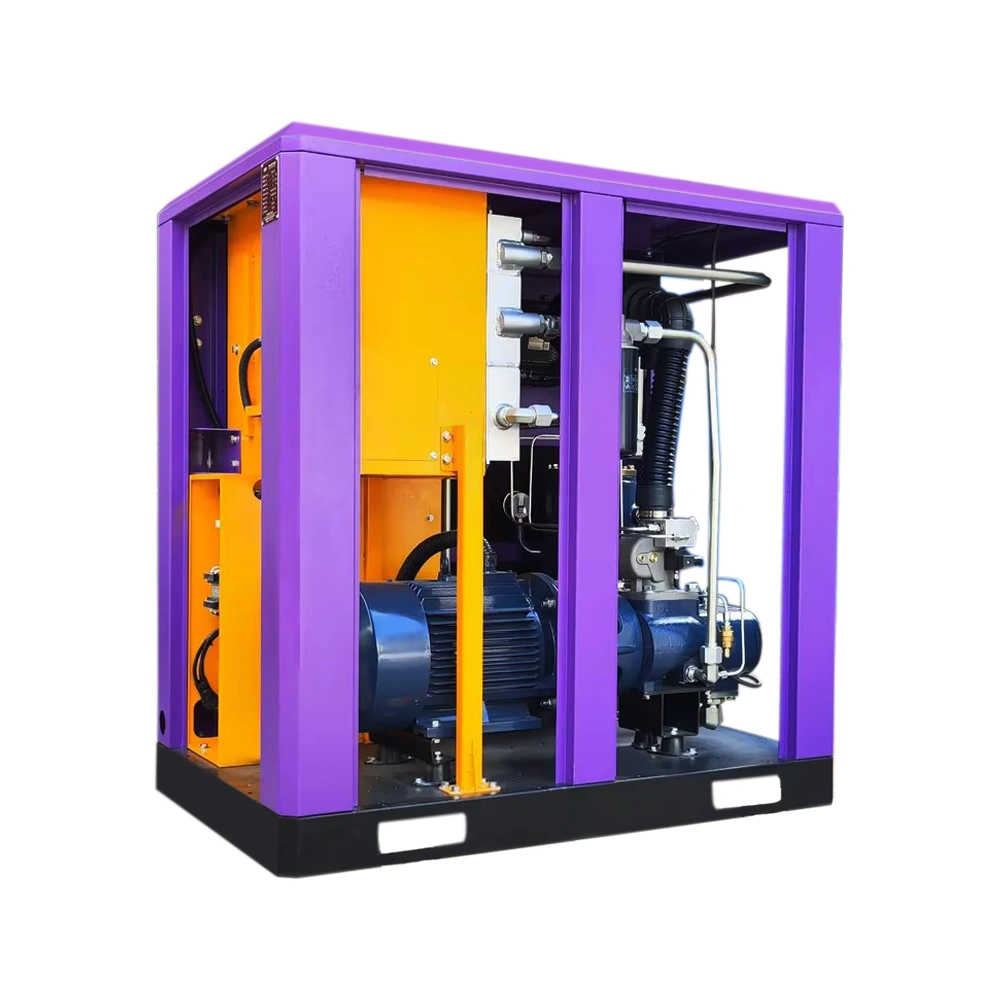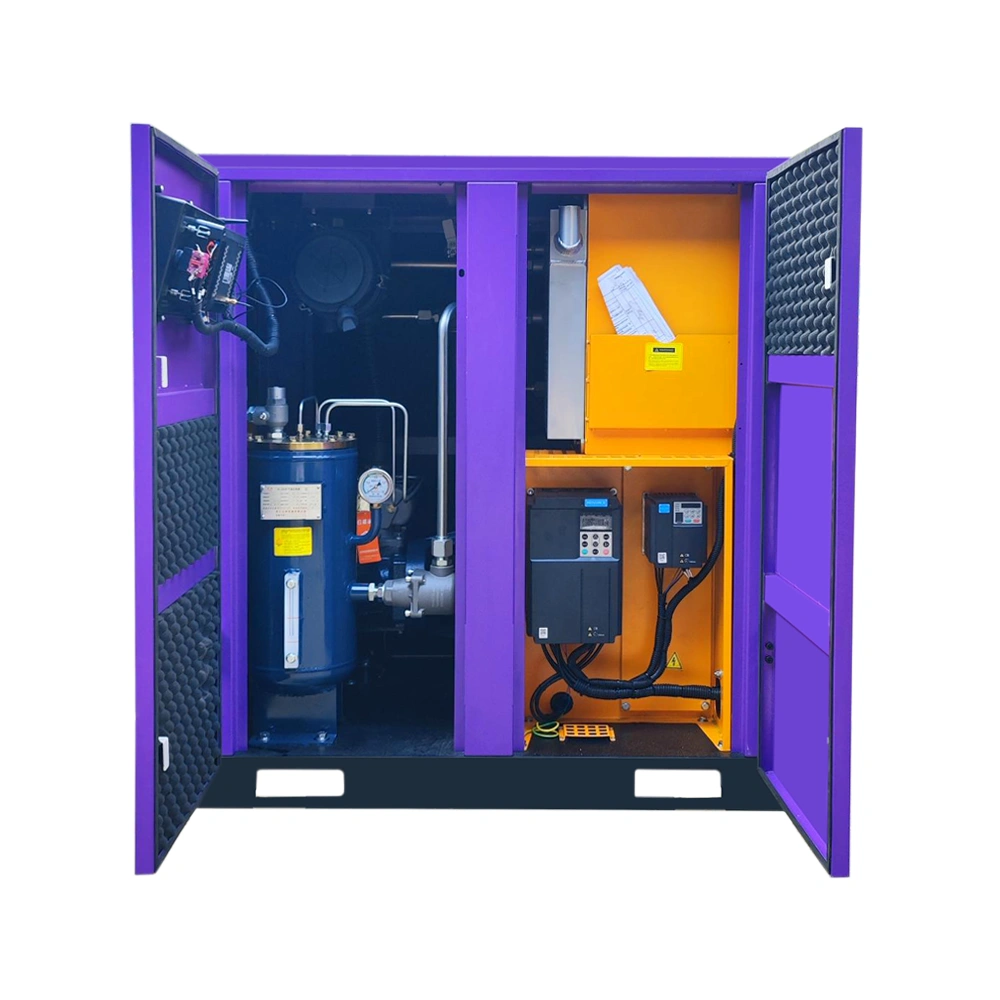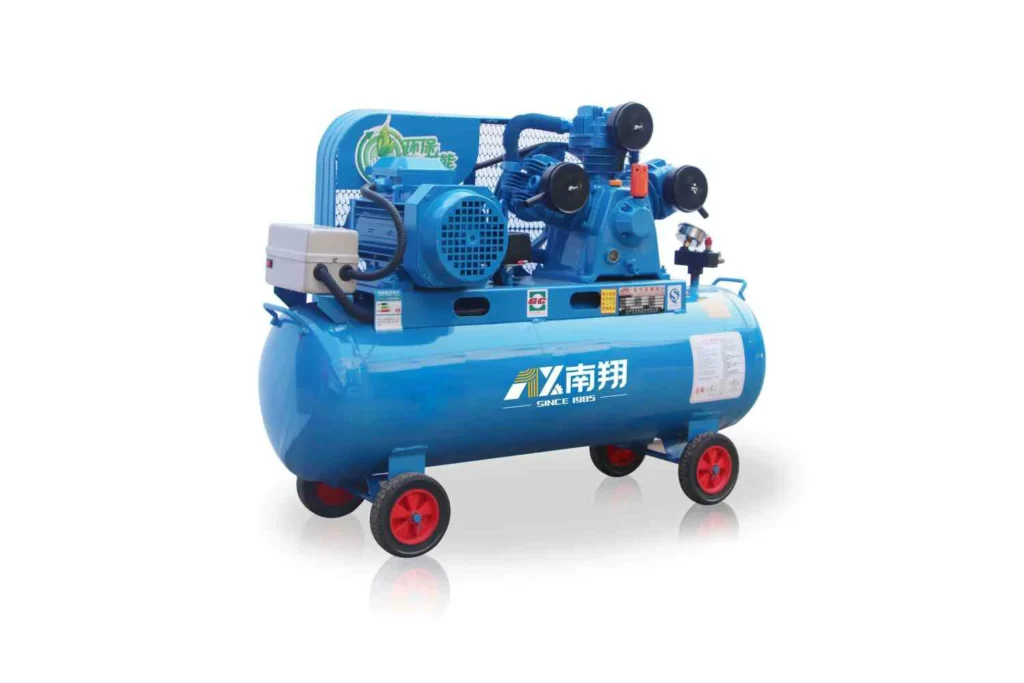
Mining is a tough environment for any equipment. Dust, vibration, temperature extremes, and the constant need for reliability—there’s no room for a compressor that decides to quit when the face is ready to blast or the drills are running. Spent some time around mines over the years, and the difference between a compressor that lasts and one that becomes a headache often comes down to a few key decisions made before the purchase.
This is a look at how to pick an air compressor for mining industry use, based on what’s been observed working in underground and surface operations.
Understanding the Demands on an Air Compressor for Mining Industry Applications
Mining isn’t like a factory. The environment itself is hostile to machinery. An air compressor for mining industry service has to handle:
• Dust and particulate: Fine rock dust gets everywhere. It clogs filters, wears on internal components, and finds its way into places it shouldn’t be.
• Vibration: Blasting and heavy equipment create constant shaking. Compressors need mounting systems and internal designs that tolerate this without loosening connections or damaging internals.
• Temperature swings: Underground mines can be hot and humid. Surface mines in cold climates see sub-zero conditions. The compressor has to start and run reliably across that range.
• Remote operation: Many mine compressors run unattended for long periods. Monitoring and alarms aren’t optional—they’re essential.

Continuous vs. Intermittent Duty
Some mine operations use compressed air constantly—drilling, ventilation, conveying. Others use it in bursts for blasting or tool operation. Knowing the duty cycle matters because it affects the type of compressor. Continuous duty calls for units designed for 24/7 operation with appropriate cooling. Intermittent duty might tolerate a simpler machine, but still needs quick response when demand hits.
Compressor Types Suitable for Mining
Not every compressor technology works well underground or in a dusty pit. Here’s a quick look at the common options.
| Compressor Type | Best For | Considerations |
|---|---|---|
| Rotary screw (oil-injected) | Continuous duty, heavy use, general mining air | Oil carryover possible; good reliability; widely available |
| Rotary screw (oil-free) | Sensitive applications (ventilation, instrument air) | Higher cost; eliminates oil contamination risk |
| Reciprocating piston | Smaller operations, intermittent use, backup | Higher maintenance; more vibration; lower initial cost |
| Centrifugal | Very large volume, high-flow applications | Expensive; requires clean intake air; efficient at full load |
Oil-Free vs. Oil-Injected
This is a big decision. An oil-free air compressor is often required for applications where oil contamination is unacceptable—breathing air, certain instrument systems, or processes where oil mist could affect products. The trade-off is cost. Oil-free units are more expensive upfront and typically require more frequent maintenance on the air end.
That said, oil-injected rotary screws are the workhorse of mining. They’re durable, efficient, and handle dirty conditions well. The oil carries away heat, seals internal clearances, and lubricates bearings. For most general mining air applications, an oil-injected rotary screw is a safe choice.
For applications needing absolutely clean air, oil-free screw compressors are worth the investment. They eliminate the risk of oil carryover entirely. No filters to catch oil mist, no potential for oil to reach sensitive equipment or personnel.
Sizing an Air Compressor for Mining Industry Operations
Getting the size wrong is a common mistake. Too small, and the compressor runs continuously or can’t keep up with peak demand. Too large, and it short-cycles, which wastes energy and causes premature wear.
Calculating Air Demand
The first step is listing every tool and process that uses compressed air, along with:
• Flow rate (cubic feet per minute, or CFM)
• Pressure requirement (pounds per square inch, or PSI)
• Duty cycle (percentage of time the tool actually uses air)
Add up the average demand, then account for peaks. A common rule of thumb is to size for the peak demand plus 15–20% margin. But there’s a nuance: if multiple tools rarely run at the same time, a slightly smaller compressor with a storage receiver tank might handle the peaks just fine.
Pressure Requirements
Most mining pneumatic tools run at 90–100 PSI. But the compressor needs to deliver that pressure at the point of use, accounting for pressure drop in pipes, filters, hoses, and fittings. A compressor rated at 125 PSI at the discharge might only deliver 95 PSI at a drill 500 feet away if the piping is undersized.
For underground mines, the distance from compressor to point of use can be significant. Larger pipe diameters reduce pressure drop. Stepping up the compressor discharge pressure to overcome long runs is sometimes necessary.
Power Source Considerations
Mines have different power availability depending on location and type of operation.
Electric vs. Diesel
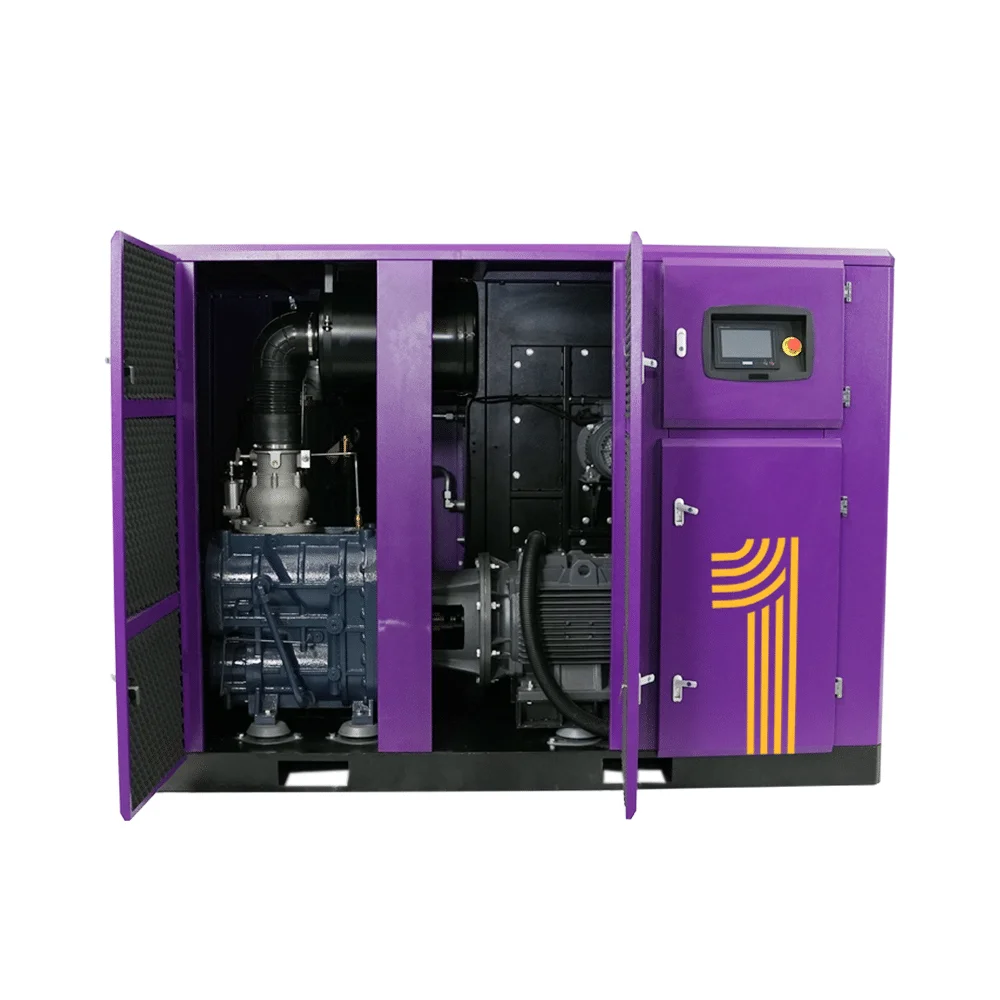
Electric-driven compressors are generally more efficient and quieter. They’re the first choice where grid power is available and reliable. But in remote surface mines or underground development areas where power isn’t yet run, diesel-driven portables are common.
Diesel compressors for mining need:
• Proper exhaust management (especially underground—this is critical for safety)
• Cold-start capability for cold climates
• Spark arrestors in certain environments
Voltage and Phase
Large rotary screw compressors often require 480V or higher three-phase power. Not every mine site has that available at every location. Smaller reciprocating units might run on 240V single-phase. Matching the compressor’s electrical requirements to the site’s available power avoids expensive transformer installations.
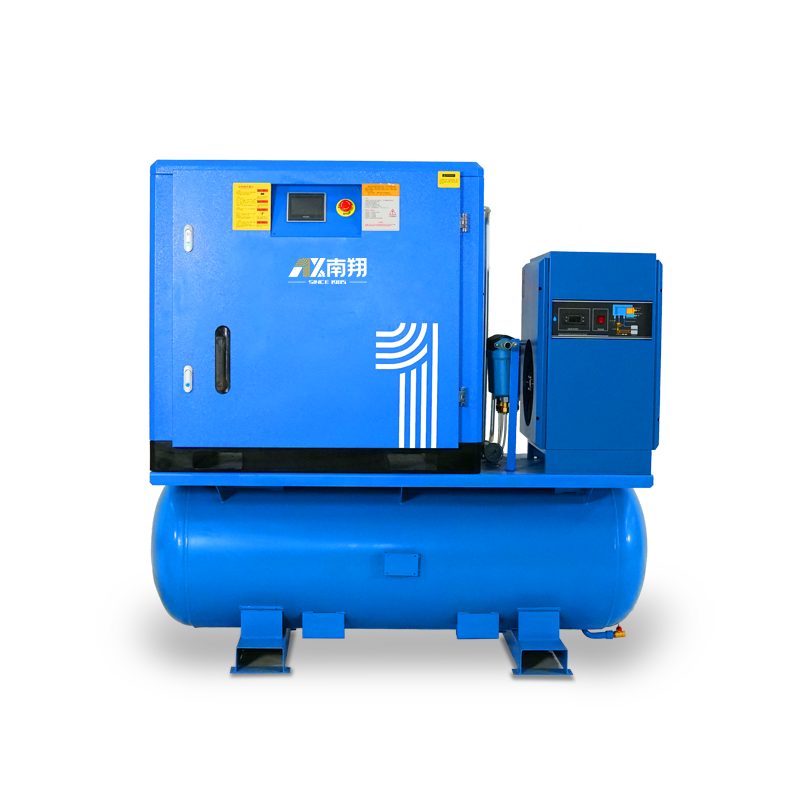
Filtration and Air Quality
Mine air intake is dirty. Really dirty. An air compressor for mining industry use needs robust intake filtration.
Intake Filters
Standard industrial air filters aren’t always sufficient. Mining compressors often benefit from:
• Cyclone pre-filters that spin out large dust particles before they reach the main filter
• Extended surface area filters to reduce pressure drop as dust loads up
• Filter restriction indicators that alert operators when it’s time to clean or replace
Aftercoolers and Dryers
Compressed air leaving a screw compressor is hot and saturated with water vapor. In a mine, that water can freeze in cold conditions or cause rust in piping. An aftercooler (air-to-air or air-to-water) drops the air temperature. A dryer (refrigerated or desiccant) removes moisture. Which type? Refrigerated dryers work well for general mine air. Desiccant dryers are needed when dew points below freezing are required.
Oil Removal
For oil-injected compressors, coalescing filters remove most oil aerosols. If absolutely zero oil is acceptable, an oil-free unit is the better path.
Reliability and Serviceability
Mines don’t have the luxury of shutting down for a week because a compressor needs parts from another continent.
Local Support
Before buying, ask about parts availability and service support in the mining region. A compressor from a manufacturer with a local distributor who stocks common parts is worth paying a premium for. One that requires air-freighting every filter and separator from overseas is a liability.
Monitoring and Alarms
Modern compressors offer remote monitoring. Discharge temperature, pressure, oil level, filter status, and runtime hours can all be tracked. For mines, this is valuable—an operator in a control room can see a developing problem before it causes a shutdown.
Things worth monitoring:
Discharge temperature (high temps indicate cooling issues)
Differential pressure across filters and separators
Oil level and pressure
Vibration on rotating components
Runtime and loading cycles
Ease of Maintenance
A compressor that requires removing half the panels to change a filter is poorly designed for mining. Look for:
Easy access to filters, oil fill, and drains
Service points grouped together
Clear labeling and documentation
Common Mistakes When Selecting
From watching mines go through this process, a few mistakes show up repeatedly.
Focusing only on purchase price: The cheapest compressor often becomes the most expensive after a year of repairs and downtime.
Underestimating intake air quality: Dust destroys compressors quickly. Spending on good filtration upfront pays back in longer life.
Ignoring altitude effects: At high-altitude mines (think Andean or Rocky Mountain sites), compressor output derates. A unit rated for 500 CFM at sea level might deliver 400 CFM at 10,000 feet.
Skipping a receiver tank: Even small receiver tanks smooth out demand spikes and let the compressor cycle less frequently. They’re worth the space and cost.
FAQ
What type of air compressor is most common in mining?
Oil-injected rotary screw compressors are the most common for continuous-duty mining applications. They offer good reliability, efficiency, and durability in dusty conditions.
Can I use a standard industrial compressor in a mine?
Possibly, but standard units may lack the intake filtration, vibration resistance, and cooling capacity needed for harsh mining environments. Compressors specifically designed or modified for mining are generally a safer choice.
How often does an air compressor for mining need maintenance?
Oil and filter changes typically every 1,000 to 2,000 hours, depending on conditions. Dusty environments may require more frequent filter changes. Consult the manufacturer’s recommendations for the specific model.