
La scienza alla base dei compressori rotativi a vite: spiegazione
Scopri la scienza che sta dietro agli air end a vite rotante e come funzionano in questa guida informativa. Acquisisci una migliore comprensione di questo componente essenziale dei compressori d'aria.
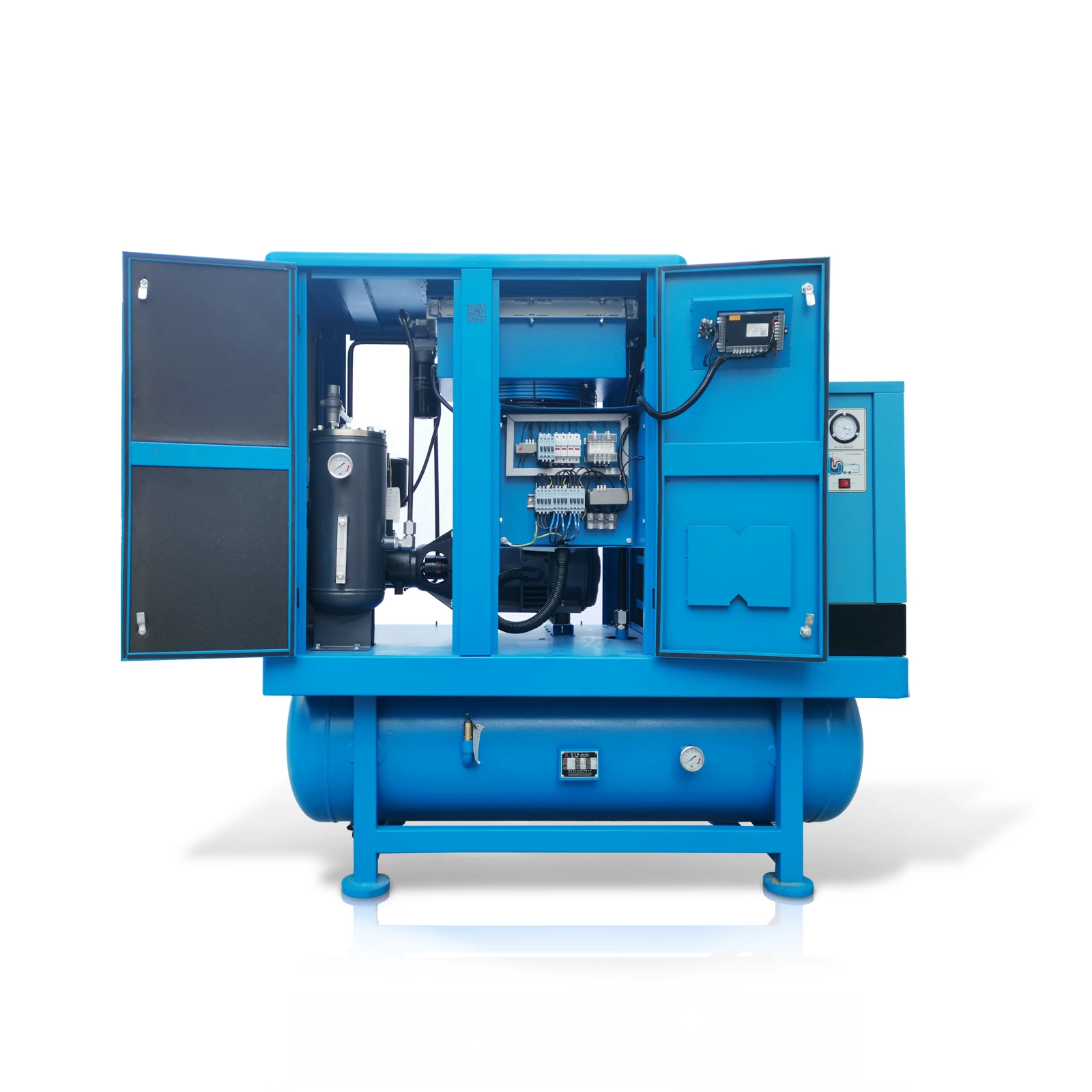
Che cos'è un terminale d'aria a vite rotante?
L'estremità rotante dell'aria a vite è il componente essenziale di un compressore d'aria a vite e funge da cuore del compressore. Le sue prestazioni e le sue condizioni influiscono direttamente sul livello generale di prestazioni della macchina e sullo stato operativo dell'apparecchiatura. Se la progettazione dell'estremità dell'aria non è ragionevole, la lavorazione non è all'altezza degli standard, la manutenzione non è tempestiva o il funzionamento non è standardizzato, può causare guasti all'estremità dell'aria e, nei casi più gravi, portare addirittura alla rottamazione dell'apparecchiatura.
Guasti comuni della vite rotante Air End
-
Rumore e vibrazioni eccessive
Identificato da suoni stridenti e da un evidente scuotimento durante l'avvio. -
Temperature di esercizio elevate
Temperature anormalmente elevate possono attivare il sistema di protezione termica e spegnere l'unità principale. -
Bloccaggio dell'unità principale
L'estremità dell'aria può improvvisamente gripparsi o bloccarsi durante il funzionamento, causando un fermo imprevisto. -
Perdite di olio o aria
Una perdita d'olio visibile o la fuoriuscita di aria compressa dall'unità indicano problemi di tenuta. -
Mancato avvio
I guasti all'avviamento possono derivare da vari problemi meccanici o elettrici. -
Prestazioni complessive scarse
I sintomi includono una bassa produzione di aria, una pressione instabile e un maggiore consumo di energia.
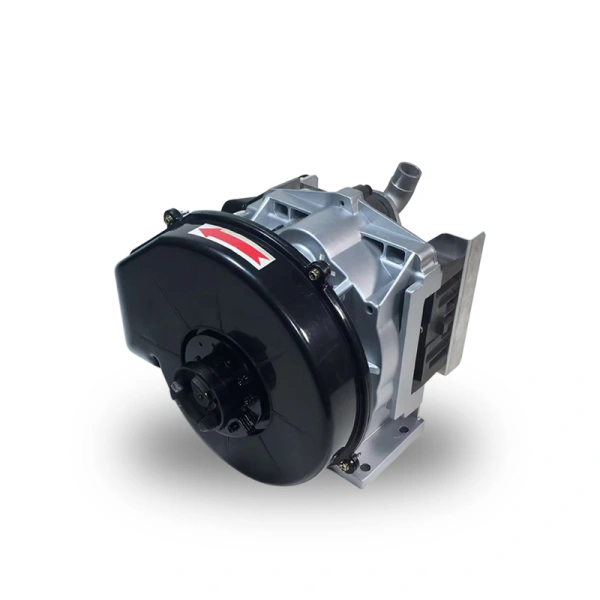
Come risolvere i problemi di un terminale d'aria a vite rotante?
Rumore e vibrazioni eccessive
Rumori e vibrazioni anomale sono solitamente causati da interferenze meccaniche, errori di lavorazione dei cuscinetti o degli ingranaggi. Le fonti di vibrazione e rumore possono essere identificate attraverso l'analisi in frequenza, la FFT e l'analisi del dominio del tempo, seguite da azioni correttive mirate.
Alta temperatura di esercizio
L'elevata temperatura dell'aria finale è comunemente legata a un'alimentazione insufficiente di olio o a un'ostruzione del sistema di raffreddamento. La portata e la temperatura dell'olio in ingresso devono essere controllate per garantire una lubrificazione adeguata e un raffreddamento efficace.
Blocco o guasto dell'estremità dell'aria
Il grippaggio può essere causato da difetti di progettazione o di fabbricazione, dall'ingresso di particelle estranee nella camera o da filtri dell'olio intasati che causano una scarsa lubrificazione. I dati di progetto e la precisione dei componenti devono essere verificati e l'estremità dell'aria deve essere ruotata manualmente prima dell'avvio per assicurarsi che non siano presenti corpi estranei.
Perdita di olio o di aria
Le perdite sono spesso causate da un'errata spaziatura dei bulloni, da un'errata selezione degli O-ring, da guarnizioni dell'albero danneggiate o da difetti di fusione. Prima del funzionamento è necessario eseguire un test di tenuta ermetica e sostituire eventuali difetti del guscio.
Prestazioni scarse e consumi elevati
Una bassa produzione di aria è solitamente dovuta a un'aspirazione insufficiente o a una perdita interna. Un consumo eccessivo di potenza è spesso causato da un'eccessiva iniezione di olio. I parametri di progettazione, la precisione del montaggio, le condizioni di aspirazione e il tasso di iniezione dell'olio devono essere controllati e regolati di conseguenza.
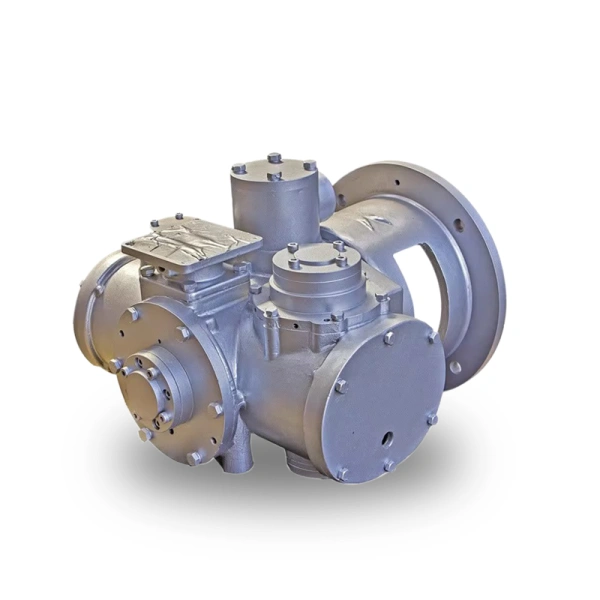
Come effettuare la manutenzione di un terminale d'aria a vite rotante?
Mantenere una lubrificazione adeguata
Controllare regolarmente il livello e la qualità dell'olio e sostituire l'olio lubrificante e i filtri secondo il programma di manutenzione per garantire una lubrificazione e un raffreddamento efficaci.Mantenere pulito il sistema di aspirazione dell'aria
Ispezionare e pulire o sostituire i filtri dell'aria per evitare che polvere e particelle estranee entrino nell'estremità dell'aria e causino l'usura interna.Monitoraggio delle condizioni operative
Osservare costantemente la temperatura di esercizio, la rumorosità, le vibrazioni e il consumo energetico per rilevare tempestivamente le condizioni anomale.Ispezione dei punti di tenuta e delle perdite
Controllare le guarnizioni dell'albero, gli O-ring e i punti di connessione per evitare perdite di olio o aria e mantenere l'efficienza del sistema.Controllare le condizioni dei cuscinetti e dei componenti
Controllare periodicamente lo stato dei cuscinetti e le tolleranze dei componenti per evitare usura anomala, grippaggio o guasti imprevisti.Eseguire i corretti controlli di avvio e spegnimento
Assicurarsi che l'estremità dell'aria ruoti liberamente prima della messa in funzione e seguire le procedure operative corrette per ridurre le sollecitazioni meccaniche.