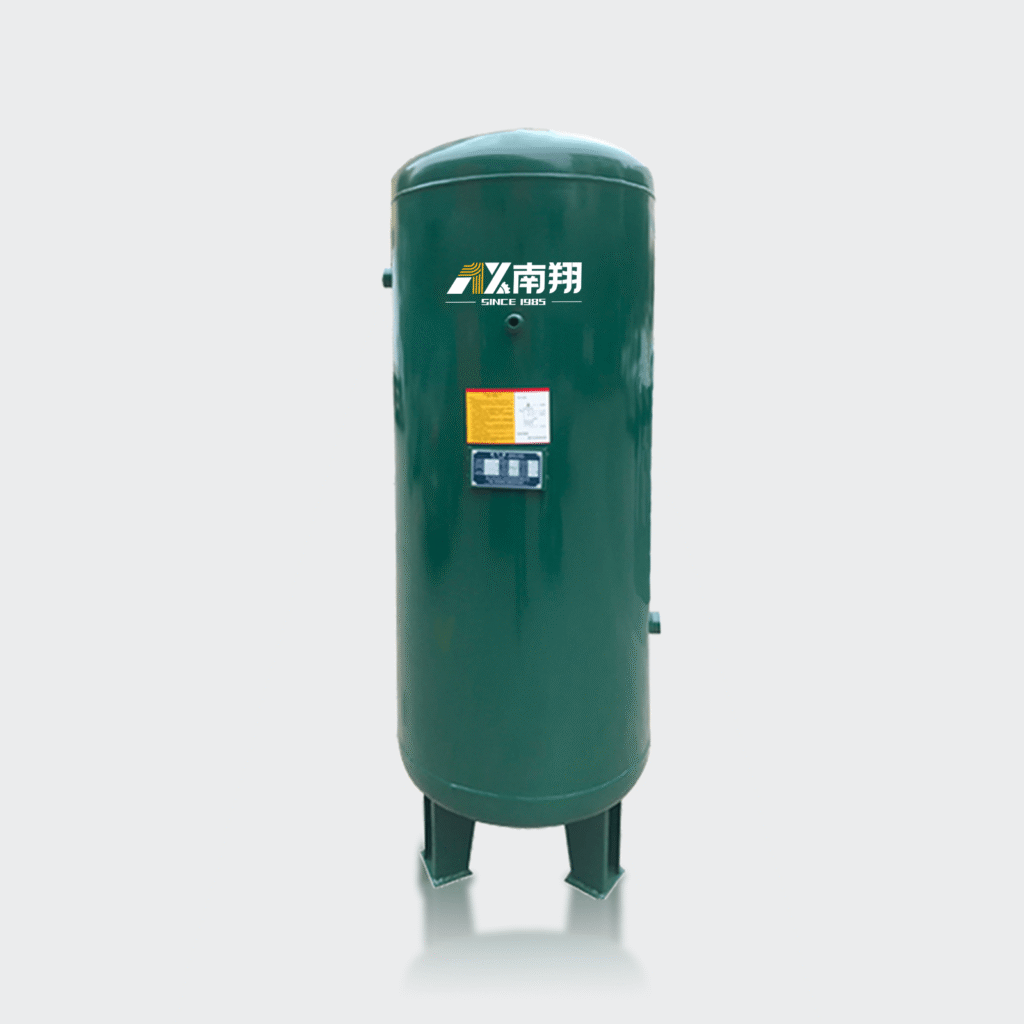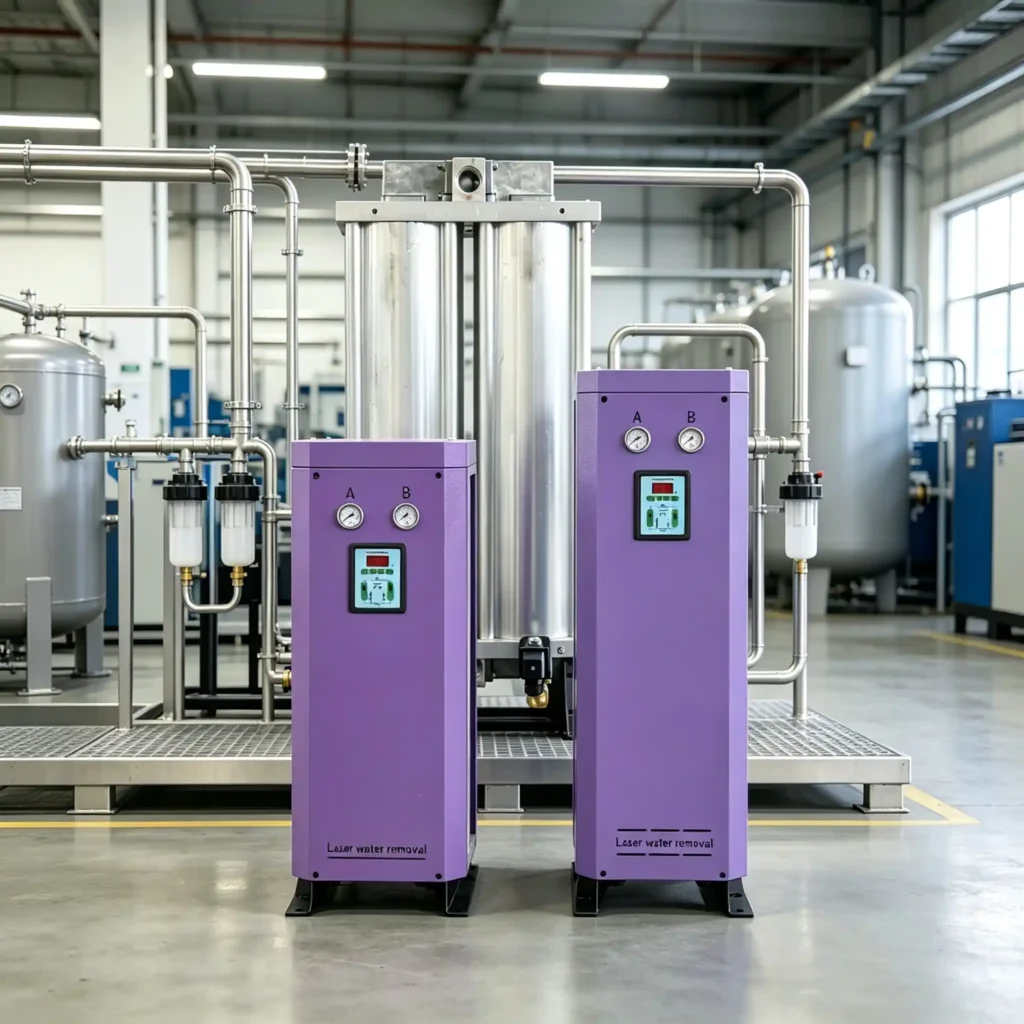
L'industria petrolifera e del gas non è come una fabbrica o un'officina. Le condizioni sono più dure, gli standard di sicurezza più severi e i tempi di inattività costano una fortuna. Se si entra in un sito di perforazione, in una raffineria o in una piattaforma di produzione, l'aria compressa è ovunque: controlli pneumatici, aria per strumenti, spurgo e persino aria respirabile per il personale. Ma il compressore sbagliato nel posto sbagliato può essere un disastro.
Avendo trascorso un po' di tempo in questi ambienti, la scelta di una compressore d'aria per petrolio e gas non si tratta solo di CFM e PSI. Si tratta di valutazioni sulla sicurezza, sulla compatibilità dei materiali e sulla capacità di funzionare anche dopo una tempesta di sabbia o una nebbia salina. Ecco come scegliere quello giusto.
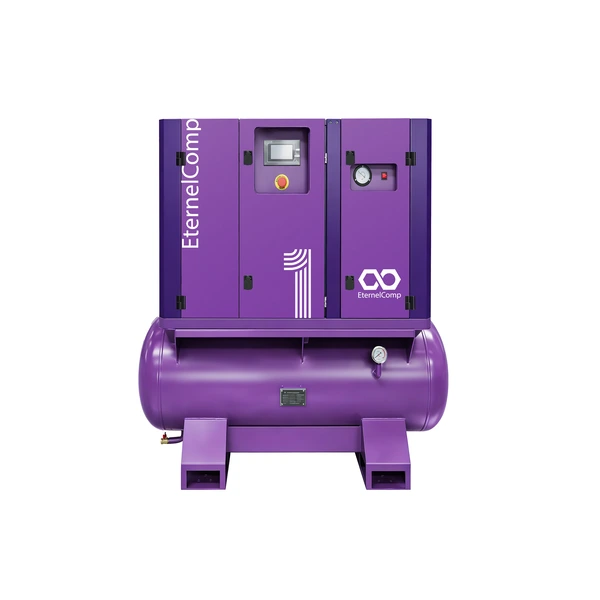
Comprendere le esigenze di un compressore d'aria per il settore petrolifero e del gas
L'ambiente del petrolio e del gas è particolarmente impegnativo. Un compressore d'aria per applicazioni nel settore petrolifero e del gas deve gestire:
- Atmosfere pericolose: Possono essere presenti gas, vapori o polveri esplosive. I componenti elettrici standard possono incendiarli.
- Temperature estreme: Dal caldo del deserto al freddo artico. Al largo ci sono anche sale e umidità.
- Vibrazioni e movimento: Sulle piattaforme di perforazione e sulle piattaforme offshore nulla è fermo.
- Funzionamento a distanza: Molti siti sono lontani dai centri di assistenza. Il compressore deve funzionare senza sorveglianza ed essere facilmente monitorato a distanza.
Classificazioni delle aree pericolose
Questa è la cosa più importante. Le strutture del settore petrolifero e del gas utilizzano aree classificate - Zona 1, Zona 2, Classe I Divisione 1 o 2 - a seconda della probabilità di atmosfere infiammabili. Un compressore collocato in queste aree deve essere classificato per quell'ambiente. Ciò significa involucri a prova di esplosione, condotti sigillati e talvolta sistemi di raffreddamento speciali.
Un compressore industriale standard non può essere installato in un'area pericolosa. Ho visto una volta un errore del genere: un'unità standard installata vicino a una testa di pozzo. Fortunatamente non ha causato un'esplosione, ma il retrofit per ripararla è costato più di quanto sarebbe costata un'unità adeguata.
Tipi di compressori per applicazioni nel settore del petrolio e del gas
Le diverse tecnologie si adattano a diversi settori dell'industria. Ecco una rapida panoramica.
| Tipo di compressore | Il migliore per | Idoneità delle aree pericolose | Considerazioni |
|---|---|---|---|
| Vite rotante in bagno d'olio | Servizio continuo, aria dell'impianto | Con le opportune custodie | È possibile il riporto di olio, che deve essere filtrato |
| Vite rotante senza olio | Aria per strumenti, aria respirabile | Con le opportune custodie | Costo più elevato; elimina il rischio di contaminazione |
| Reciproco | Servizio intermittente, bassa portata | Può essere configurato | Maggiore manutenzione; maggiori vibrazioni |
| Centrifugo | Volumi molto grandi (raffinerie) | Di solito al chiuso in aree non classificate | Costoso; efficiente a pieno carico |
Compressori d'aria lubrificati a olio nel settore petrolifero e del gas
Per molte applicazioni upstream e midstream, Compressori d'aria lubrificati a olio sono il cavallo di battaglia. Sono duraturi, gestiscono il servizio continuo e sono disponibili con classificazione per aree pericolose. L'olio aiuta a sigillare i giochi interni, lubrifica i cuscinetti e trasporta il calore. In ambienti difficili, questa robustezza è importante.
Tuttavia, il trasporto di olio è un problema. Per l'aria degli strumenti o per i processi che non tollerano la nebbia d'olio, è necessaria una filtrazione supplementare (filtri a coalescenza e carbone attivo). Alcuni siti specificano l'assenza di olio per l'aria degli strumenti critici, indipendentemente dal costo.
Criteri chiave di selezione di un compressore d'aria per petrolio e gas
Oltre al dimensionamento di base (CFM e pressione), alcuni fattori meritano particolare attenzione.
Certificazione delle aree pericolose
Prima di ogni altra cosa: il compressore ha la certificazione giusta per l'area di installazione? Cercare:
- Certificazione UL o ATEX (a seconda della regione)
- Classificazioni di Classe I, Divisione 2 o Classe I, Divisione 1
- Codice di temperatura (codice T) adeguato all'ambiente
Un compressore senza questi non può entrare legalmente in un'area classificata. Punto e basta.
Selezione del materiale
La corrosione è una battaglia costante nel settore del petrolio e del gas, soprattutto in mare aperto. I componenti standard dei compressori in acciaio al carbonio si arrugginiscono rapidamente in presenza di aria salata. I componenti in acciaio inox o rivestiti valgono il sovrapprezzo. I raffreddatori, le tubazioni e i serbatoi dei ricevitori devono avere un adeguato margine di corrosione.
Controllo e monitoraggio
Il monitoraggio remoto non è un lusso, ma una necessità. Un buon compressore d'aria per petrolio e gas è dotato di:
- Capacità di avvio/arresto a distanza
- Uscite di allarme (pressione, temperatura, condizione del filtro)
- Registrazione dei dati per la manutenzione predittiva
- Compatibilità con il sistema di controllo dell'impianto (Modbus, Profibus, ecc.)
Ridondanza
Le applicazioni critiche necessitano di un backup. Due compressori più piccoli con controllo automatico del ritardo sono meglio di un'unità di grandi dimensioni. In caso di guasto di una delle due unità, la produzione continua a capacità ridotta invece di fermarsi del tutto.

Requisiti di qualità dell'aria nel settore petrolifero e del gas
Non tutta l'aria compressa nel settore del petrolio e del gas è uguale. Applicazioni diverse richiedono livelli di purezza diversi.
Strumento Aria
Gli strumenti pneumatici e le valvole di controllo necessitano di aria pulita e secca. La norma è la ISO 8573-1 Classe 2 o superiore. Ciò significa che:
- Contenuto di olio inferiore a 0,1 mg/m³ (o Compressori senza olio)
- Dimensione delle particelle inferiore a 1 micron
- Punto di rugiada in pressione inferiore a -40°F (per evitare il congelamento nei climi freddi)
Respirare aria
Per il personale che utilizza l'aria compressa per la respirazione (ingresso in spazi confinati, sabbiatura), i requisiti sono molto più severi. L'aria respirabile deve soddisfare gli standard di grado D (OSHA) o equivalenti:
- Assenza di vapori d'olio (richiede un compressore oil-free o un'ampia filtrazione)
- Monossido di carbonio inferiore a 10 ppm
- Punto di rugiada sufficientemente basso per evitare il congelamento
- Test regolari della qualità dell'aria
Impianto Aria
L'aria generale dell'impianto - utensili pneumatici, pulizia, trasporto - ha requisiti meno severi. Di solito è sufficiente un compressore a vite standard a olio con essiccatore e filtro antiparticolato.
Considerazioni sull'installazione in ambienti petroliferi e di gas
Il luogo e la modalità di installazione del compressore sono importanti quanto l'unità stessa.
Recinti e ripari
Nei climi rigidi o nelle aree pericolose, il compressore vive spesso in una struttura o in un riparo appositamente costruito. L'involucro ha bisogno di:
- Ventilazione a prova di esplosione (se in area classificata)
- Riscaldamento per climi freddi
- Raffreddamento per i climi caldi (i compressori respingono il calore)
- Attenuazione del suono (il rumore è un problema reale sugli impianti di perforazione)
Fondazione e isolamento dalle vibrazioni
Sulle piattaforme di perforazione e sulle piattaforme offshore, tutto si muove. Un compressore imbullonato direttamente a un ponte vibrante si scuoterà da solo. Gli isolatori di vibrazioni a molla o in gomma sono essenziali. Per le piattaforme galleggianti, gli isolatori devono gestire sia le vibrazioni che il movimento della piattaforma.
Qualità dell'aria in ingresso
L'aria di aspirazione del compressore proviene dall'ambiente. In un sito di perforazione, quest'aria è piena di polvere, sabbia e talvolta vapori di idrocarburi. Il filtro di aspirazione multistadio (prefiltro a ciclone e filtro a cartuccia ad alta efficienza) è standard. In alcuni casi, vale la pena di canalizzare l'aspirazione in un'area più pulita.
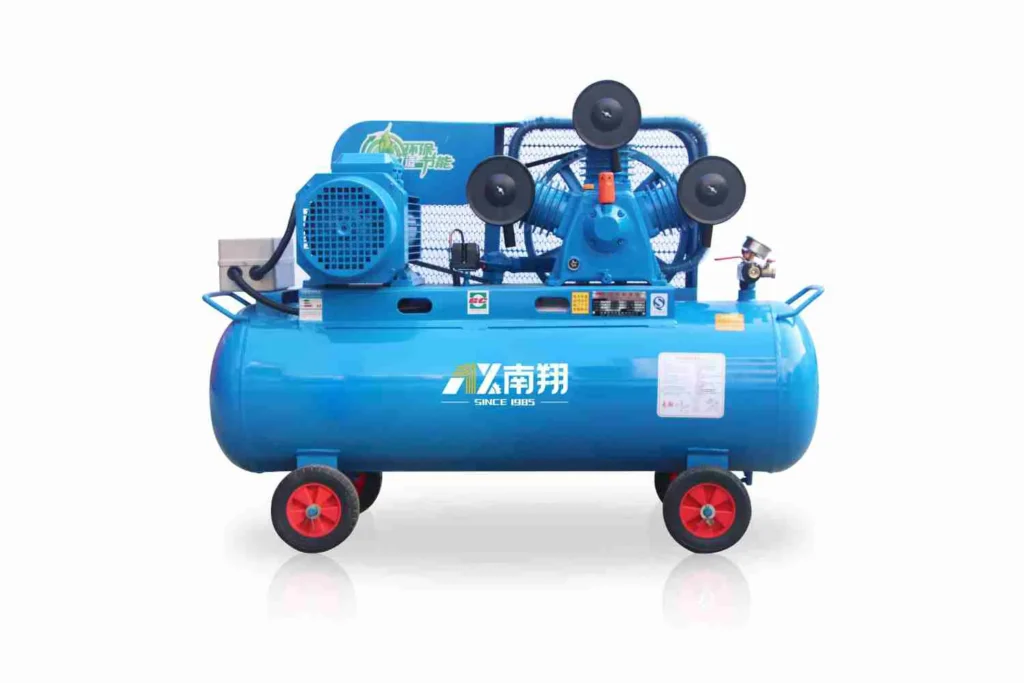
Le sfide della manutenzione nel settore petrolifero e del gas
Mantenere in funzione un compressore nel settore del petrolio e del gas è più difficile che in una fabbrica.
Accesso al servizio remoto
Molti siti sono lontani dai centri di assistenza. Lo stoccaggio dei pezzi di ricambio in loco è una pratica comune. Un tipico kit di ricambi comprende:
- Filtri aria e olio
- Elementi di separazione
- Cinghie (se a cinghia)
- Sensori e interruttori
- Suggerimenti per fusibili e contattori
Analisi dell'olio
Un'analisi regolare dell'olio consente di individuare tempestivamente i problemi. Nei compressori lubrificati a olio, l'olio raccoglie particelle di usura, umidità e contaminanti. Un'analisi di laboratorio mostra l'usura dei cuscinetti, il degrado delle guarnizioni e l'eventuale necessità di sostituire l'olio. Per i compressori critici, un campionamento mensile non è eccessivo.
Manutenzione del sistema di raffreddamento
Nei climi caldi, il sistema di raffreddamento del compressore (radiatore dell'olio e post-refrigeratore) lavora molto. Alette e tubi devono essere puliti regolarmente. I raffreddatori sporchi causano temperature di mandata elevate, che degradano la durata dell'olio e possono causare arresti.
Errori comuni nella scelta
Alcuni errori si presentano ripetutamente nelle selezioni di compressori per petrolio e gas.
- Ignorare la classificazione delle aree pericolose. Un compressore standard in un'area classificata rappresenta una violazione della sicurezza e un rischio reale.
- Sottovalutazione delle temperature ambientali. Un compressore con temperature nominali di 100°F non durerà a lungo in un sito desertico con temperature di 120°F.
- Specificare l'olio lubrificato per l'aria respirabile senza un'adeguata filtrazione. Il trasporto di olio nell'aria respirabile è pericoloso e illegale.
- Assenza di monitoraggio remoto. Quando il compressore si trova a 50 miglia dal meccanico più vicino, la diagnostica a distanza è essenziale.
- Un solo compressore senza backup. Il giorno in cui si guasterà sarà il giorno in cui la produzione non potrà fermarsi.
Domande frequenti
Quale tipo di compressore d'aria è il migliore per le applicazioni a monte di petrolio e gas (perforazione, teste di pozzo)?
I compressori rotativi a vite a bagno d'olio con classificazione per aree pericolose sono comuni. Sono durevoli, gestiscono il servizio continuo e tollerano condizioni difficili. Per l'aria degli strumenti, possono essere specificati senza olio.
Un compressore industriale standard può essere utilizzato in un'area pericolosa?
No. I compressori standard non sono dotati di involucri antideflagranti e di componenti elettrici sigillati. L'uso di un compressore in un'area classificata viola i codici di sicurezza e crea un rischio di esplosione.
Con quale frequenza deve essere effettuata la manutenzione di un compressore d'aria nel settore del petrolio e del gas?
Controlli visivi e analisi dell'olio mensili, sostituzione del filtro trimestrale (o in base alla perdita di pressione), ispezione completa annuale. I siti remoti possono regolare gli intervalli in base al tempo di funzionamento e ai risultati delle analisi dell'olio.