
Guida completa alle taglie
Un responsabile di stabilimento che ordina un compressore d’aria da 100 kW perché “era quella la potenza nominale di quello vecchio” ha una probabilità di 50% di acquistare la macchina sbagliata. Il vecchio compressore potrebbe essere stato sovradimensionato fin dall’inizio — un risultato comune quando il progettista originale ha aggiunto un margine di 20% per l’espansione, l’installatore ha aggiunto 10% per motivi di sicurezza e il responsabile della manutenzione ha aggiunto un altro 10% perché una macchina più grande sembrava più sicura. Il risultato è un compressore che funziona a un carico di 60%, consumando elettricità per generare aria compressa che lo stabilimento non utilizza, con uno spreco compreso tra $15.000 e $40.000 all’anno in consumi energetici superflui. All’estremo opposto, uno stabilimento che aggiunge linee di produzione senza rivalutare la propria fornitura di aria compressa scopre l’errore di dimensionamento quando gli utensili pneumatici perdono coppia, le macchine confezionatrici presentano errori di alimentazione e l’allarme di pressione suona ogni volta che due grandi utenze funzionano contemporaneamente. Un compressore sottodimensionato costa tanto quanto uno sovradimensionato — non in termini di energia elettrica, ma di tempi di fermo della produzione, difetti di qualità e costi di capitale per una sostituzione d’emergenza.
Un compressore d'aria industriale deve essere dimensionato in modo da fornire il volume totale di aria compressa richiesto da tutti gli utenze simultanee alla pressione massima richiesta da qualsiasi utenza, più un margine compreso tra 15% e 25% per tenere conto di perdite, espansioni future e picchi di carico intermittenti. Per un tipico impianto di produzione di piccole-medie dimensioni, ciò significa un compressore a vite da 30 a 75 kW in grado di erogare da 5 a 15 metri cubi al minuto a una pressione compresa tra 7 e 10 bar per uso industriale generale, fino a unità da 132 a 250 kW in grado di erogare da 20 a 45 metri cubi al minuto per impianti più grandi con più linee di produzione. La dimensione esatta si determina sommando il consumo in CFM o m³/min di ogni utensile pneumatico, cilindro, valvola e ugello di scarico che opera simultaneamente, convertendo poi tale totale nella potenza in ingresso del compressore necessaria per erogare l’aria alla pressione specificata. Non esiste una risposta universale — un stabilimento tessile, una linea di assemblaggio automobilistica, un impianto di confezionamento alimentare e un’officina meccanica presentano tutti profili di aria compressa fondamentalmente diversi — ma la metodologia per arrivare alla risposta corretta è la stessa per ogni stabilimento.
Perché il dimensionamento dei compressori d'aria industriali è fondamentale
Un compressore dimensionato correttamente riduce al minimo il costo totale di proprietà, bilanciando tre obiettivi: il costo di investimento, il costo energetico nel corso della sua vita utile e il costo di produzione derivante dalle carenze che causano tempi di fermo. Un compressore sovradimensionato comporta uno spreco di energia e di capitale. Uno sottodimensionato comporta uno spreco in termini di produzione. La differenza si traduce in decine o centinaia di migliaia di dollari nel corso dei dieci anni di vita utile del compressore.
Il costo del sovradimensionamento
Un compressore sovradimensionato — con una potenza nominale di 30%+ superiore al picco di domanda — funziona in modo inefficiente. Un compressore a vite da 75 kW con una potenza specifica di 6,5 kW/m³/min a pieno carico può consumare 8,5–9,0 kW/m³/min con un carico di 50% in regime di controllo carico/scarico, poiché il motore assorbe 25–35% della potenza a pieno carico durante i periodi di scarico.
Si consideri uno stabilimento con una domanda di picco effettiva di 9 m³/min a 7 bar che installa un compressore da 90 kW con portata nominale di 15 m³/min al posto di un'unità da 55 kW con portata nominale di 10 m³/min. La macchina sovradimensionata funziona a un carico medio di 60% con una potenza specifica effettiva di 8,0 kW/m³/min anziché 6,5. Con oltre 6.000 ore all’anno a $0,10/kWh, consuma $7.200 in più all’anno in energia elettrica. Inoltre, costa $10.000–$15.000 in più all’acquisto. Costo decennale del sovradimensionamento: $82.000–$87.000 — all’incirca il prezzo di un compressore nuovo.
Il costo di una scelta di dimensioni insufficienti
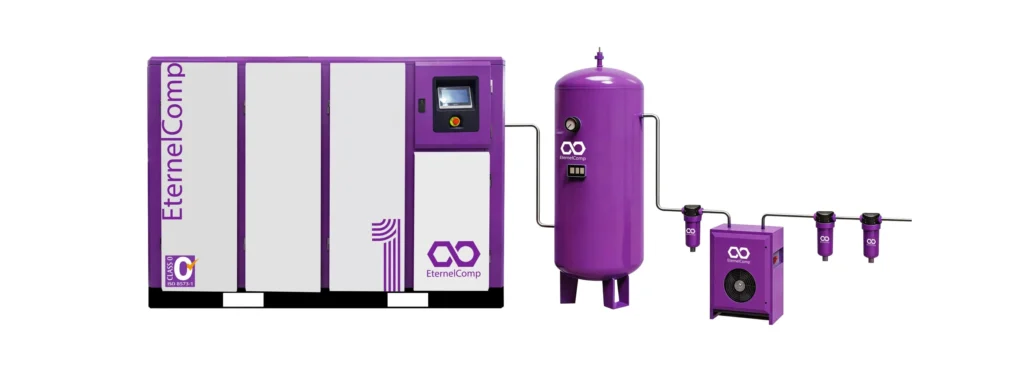
Un compressore sottodimensionato comporta costi dovuti all’interruzione della produzione. Quando la domanda supera l’offerta, la pressione del sistema cala. A 0,5 bar al di sotto del valore di riferimento, gli utensili perdono coppia e velocità. A 1,0 bar al di sotto del valore di riferimento, i cilindri non riescono a completare la corsa, le valvole non si azionano e le apparecchiature automatizzate vanno in errore. Il costo varia a seconda del settore: $2.000 all’ora per il confezionamento alimentare, $5.000 all’ora per l’assemblaggio automobilistico, $10.000 all’ora per la produzione di semiconduttori — e una singola perdita di produzione di 8 ore può superare il risparmio energetico ottenuto in dieci anni dall’utilizzo della macchina più piccola.
Capire CFM, PSI e kW: i tre valori che determinano le dimensioni di un compressore
Le dimensioni di un compressore sono definite da tre valori correlati tra loro: portata (CFM o m³/min), pressione (PSI o bar) e potenza assorbita (kW o HP). Il rapporto tra questi valori è rappresentato dalla potenza specifica del compressore — ovvero i kW richiesti per m³/min a una data pressione — e questo è il dato più importante in assoluto riportato nella scheda tecnica di un compressore per un acquirente industriale.
La portata è cumulativa per gli utenze. Tre utensili che consumano 3 m³/min ciascuno richiedono almeno 9 m³/min dal compressore. Raddoppiando la portata, la potenza del motore richiesta a parità di pressione raddoppia all’incirca.
La maggior parte delle applicazioni industriali generiche opera a 6–8 bar (90–115 PSI). Processi specializzati come il soffiaggio di bottiglie in PET richiedono 30–40 bar. La pressione richiesta dallo stabilimento è determinata dall’utenza con la pressione più elevata, non dalla media. La portata del compressore diminuisce all’aumentare della pressione di mandata: un’unità con portata nominale di 10 m³/min a 7 bar può erogare 9,2 m³/min a 8 bar e 8,5 m³/min a 10 bar. I calcoli di dimensionamento devono utilizzare la portata alla pressione richiesta, non il punto di funzionamento ottimale. È necessario aggiungere la caduta di pressione attraverso tubazioni, filtri ed essiccatori: uno stabilimento che necessita di 6 bar all’utensile con una perdita totale del sistema di 0,8 bar richiede che il compressore eroghi almeno 6,8 bar, tipicamente specificati a 7,5 bar.
| Tipo di compressore | Potenza specifica tipica a 7 bar | Esempio: un'unità da 75 kW eroga circa |
|---|---|---|
| A vite rotativa lubrificata a olio, a velocità fissa | 6,0–7,0 kW/m³/min | 10,5–12,5 m³/min |
| A vite rotativa lubrificata a olio, VSD | 5,8–6,8 kW/m³/min | 11,0–13,0 m³/min |
| Compressore a vite senza olio, a velocità fissa | 6,5–7,5 kW/m³/min | 10,0–11,5 m³/min |
| Pistone lubrificato a olio (alternativo) | 7,5–9,0 kW/m³/min | 8,3–10,0 m³/min |
| Centrifughe (gamma 300+ kW) | 5,5–6,5 kW/m³/min | 11,5–13,6 m³/min |
Uno stabilimento che necessita di 15 m³/min a 7 bar, con una potenza specifica di 6,5 kW/m³/min, richiede circa 97,5 kW — arrotondando a una potenza nominale standard di 90 kW o 110 kW.
Come calcolare il fabbisogno di aria compressa del proprio stabilimento
Il calcolo si articola in quattro fasi: inventariare ogni singolo componente dell’impianto pneumatico; determinare il consumo d’aria di ciascun componente sulla base della scheda tecnica, di una misurazione diretta o di una stima di settore; applicare un fattore di ciclo di funzionamento per l’uso intermittente; e sommare la domanda di picco simultanea.
Fase 1: Inventario di tutte le apparecchiature pneumatiche
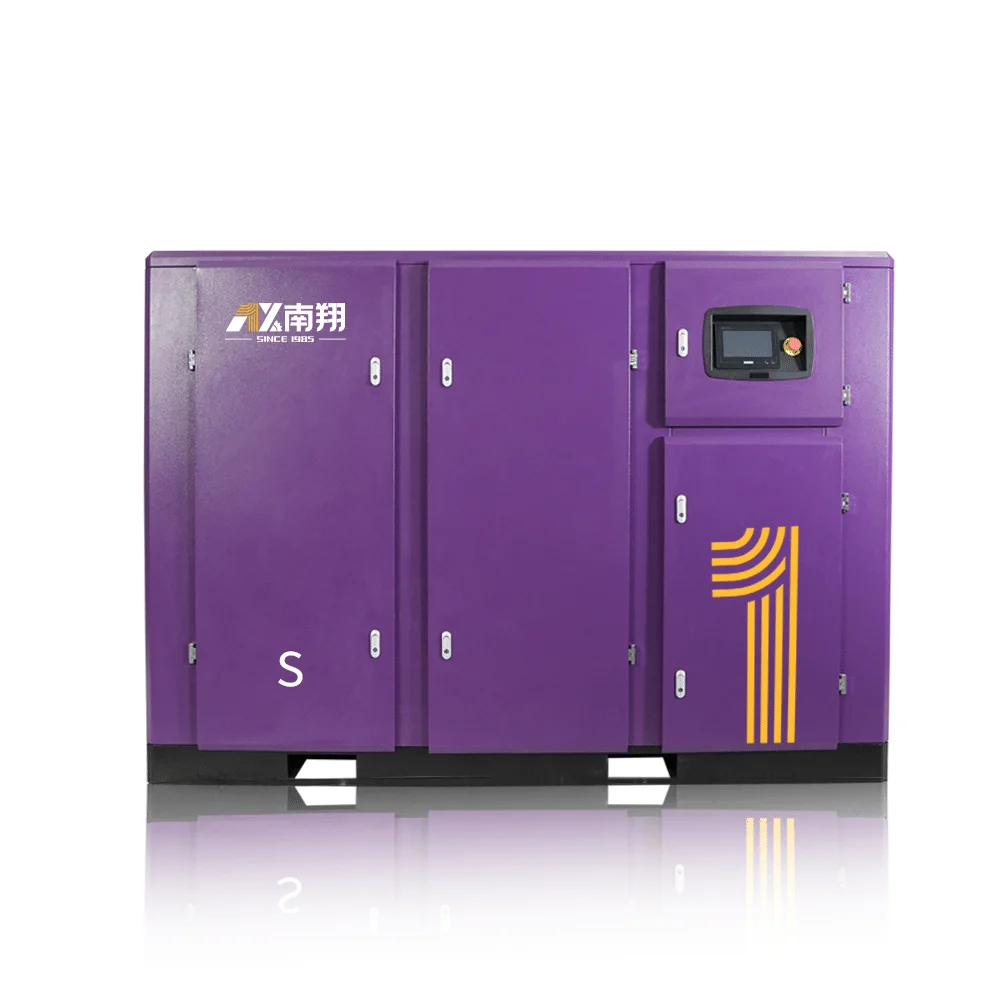
Fate un giro nell’area produttiva e prendete nota: utensili pneumatici portatili (avvitatori a impatto, smerigliatrici, levigatrici, trapani, pistole a spruzzo); macchinari pneumatici fissi (macchine CNC, robot pick-and-place, presse, macchine di riempimento e tappatura); cilindri e attuatori pneumatici; valvole e dispositivi di controllo; attrezzature per lo spurgo e la pulizia (pistole ad aria compressa, ugelli, lame d’aria); aria di processo (agitazione, spargimento, aerazione, trasporto); e perdite.
Fase 2: Determinare il consumo individuale di aria
Fonti in ordine di affidabilità: scheda tecnica del produttore, misurazione diretta con un misuratore di portata portatile o stime del settore:
| Attrezzatura | Consumo d'aria tipico | Ciclo di funzionamento (tipico) |
|---|---|---|
| Avvitatore a impatto da 1/2 pollice | 0,1–0,2 m³/min | 10–30% |
| Smerigliatrice angolare (4 pollici) | 0,3–0,5 m³/min | 20–50% |
| Trapano pneumatico (3/8 di pollice) | 0,1–0,2 m³/min | 10–30% |
| Pistola a spruzzo per vernici (HVLP) | 0,3–0,5 m³/min | 30–60% |
| Cilindro pneumatico (diametro interno 50 mm, corsa 200 mm) | 0,002 m³ per corsa | A seconda dell'applicazione |
| Ugello di scarico (3 mm) | 0,2–0,4 m³/min | 10–50% |
| Pompa a membrana ad aria compressa (1 pollice) | 0,5–1,5 m³/min | 20–80% |
| Trasportatore pneumatico (al metro) | 0,5–1,0 m³/min | 50–100% |
Fase 3: Applicare il ciclo di lavoro
Il ciclo di funzionamento è la frazione di tempo in cui l’apparecchiatura consuma effettivamente aria compressa. Una smerigliatrice utilizzata per 15 minuti ogni ora ha un ciclo di funzionamento di 25%. Un ugello di spurgo che funziona in modo continuo ha un ciclo di funzionamento di 100%. Moltiplicando il consumo a pieno carico dell’apparecchiatura per il suo ciclo di lavoro si ottiene il consumo medio, che è un valore più realistico ai fini del dimensionamento rispetto alla somma di tutti i valori a pieno carico.
Il ciclo di lavoro è la causa principale degli errori di dimensionamento. Un progettista inesperto somma il consumo a pieno carico di ogni utensile presente in fabbrica e ottiene una domanda pari a due o tre volte il picco effettivo. Il risultato è un compressore decisamente sovradimensionato che funziona in modo inefficiente e spreca energia per tutta la sua vita utile. Uno stabilimento con dieci smerigliatrici, ciascuna con una portata nominale di 0,4 m³/min, non ha bisogno di un compressore che eroghi 4,0 m³/min solo per le smerigliatrici. Se le smerigliatrici sono in funzione per il 25% del tempo e in media ne funzionano due contemporaneamente, la domanda delle smerigliatrici è in media di 0,2 m³/min e di 0,8 m³/min al picco — un quinto della somma ingenua.
Fase 4: Calcolo della domanda di picco simultanea
La domanda di picco simultanea è la portata massima assorbita dallo stabilimento in qualsiasi momento durante il normale funzionamento. Si calcola individuando quali apparecchiature potrebbero funzionare contemporaneamente e sommando il loro consumo d’aria al ciclo di funzionamento applicabile durante il periodo di picco.
Per una piccola fabbrica dotata delle seguenti attrezzature:
| Attrezzatura | Quantità | Consumo per unità | Ciclo di lavoro | Uso simultaneo efficace | Pico di flusso |
|---|---|---|---|---|---|
| Avvitatori a impulsi | 4 | 0,15 m³/min | 20% | 2 alla volta | 0,30 m³/min |
| Smerigliatrici angolari | 3 | 0,40 m³/min | 30% | 2 alla volta | 0,80 m³/min |
| Ugelli di scarico | 5 | 0,25 m³/min | 50% | 3 alla volta | 0,75 m³/min |
| Cilindri pneumatici | 8 | 0,05 m³/min | 40% | 5 alla volta | 0,25 m³/min |
| Macchina confezionatrice | 1 | 1,50 m³/min | 80% | Continuo | 1,50 m³/min |
| Domanda di picco totale | — | — | — | — | 3,60 m³/min |
| Tolleranza di perdita (15%) | — | 3,60 m³/min | 15% | — | 0,54 m³/min |
| Espansione futura (10%) | — | 3,60 m³/min | 10% | — | 0,36 m³/min |
| Portata totale di dimensionamento | — | — | — | — | 4,50 m³/min |
Un compressore dimensionato per questo stabilimento con una pressione di mandata di 7 bar sarebbe un'unità a vite rotativa lubrificata a olio da circa 30 kW. Questa è la metodologia nella sua forma più semplice. Gli stabilimenti più grandi, con modelli di produzione più complessi, traggono vantaggio da uno studio di registrazione dei dati della durata di una o due settimane, volto a rilevare il profilo effettivo della domanda, anziché basarsi su cicli di funzionamento stimati.
Un unico compressore di grandi dimensioni o più compressori di piccole dimensioni: la scelta progettuale del sistema
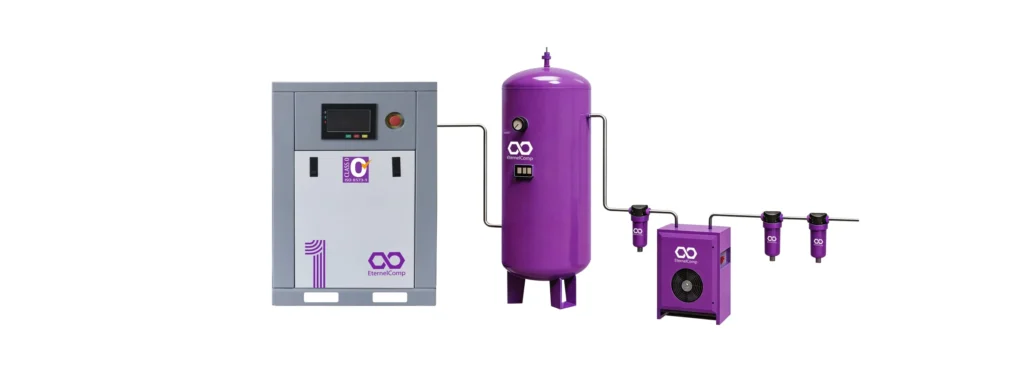
Un singolo compressore dimensionato per il picco di domanda rappresenta la configurazione più semplice e quella con il minor costo di investimento, ma manca di ridondanza e funziona a bassa efficienza durante i periodi di domanda ridotta. L'utilizzo di più compressori più piccoli con un sequenziatore principale comporta un costo aggiuntivo di acquisto e installazione compreso tra 15% e 30%, ma garantisce una ridondanza N+1 — il che significa che il guasto di un compressore non interrompe la produzione — e il sequenziatore attiva e disattiva i compressori in base alle fluttuazioni della domanda, mantenendo ogni unità in funzione al proprio punto di carico più efficiente. Per gli stabilimenti con un unico turno o con una domanda altamente variabile, l’utilizzo di più compressori rappresenta spesso la configurazione con il costo totale di proprietà più basso, nonostante il costo di investimento più elevato, poiché il risparmio energetico a carico parziale derivante dal funzionamento di un compressore di piccole dimensioni a pieno carico, anziché di un compressore di grandi dimensioni al 40% del carico, compensa ampiamente il sovrapprezzo entro tre-cinque anni.
Configurazione a compressore singolo
Un unico compressore dimensionato in base al fabbisogno di picco dello stabilimento è la scelta giusta quando:
- La domanda di picco e quella media sono simili — con una differenza di 20% l'una rispetto all'altra — il che significa che il compressore funziona con un elevato fattore di carico per la maggior parte delle ore di funzionamento
- Lo stabilimento opera su uno o due turni con una produzione relativamente costante
- Il budget di investimento è limitato e la ridondanza non è fondamentale
- Lo stabilimento può sopportare da 1 a 3 giorni di interruzione della produzione per una riparazione importante del compressore
| Vantaggi dei compressori singoli | Svantaggi dei compressori singoli |
|---|---|
| Costi di acquisto e installazione più bassi | Nessuna ridondanza: un solo guasto blocca la produzione |
| Programma di manutenzione più semplice | Scarsa efficienza a carico parziale in caso di variazioni della domanda |
| Ingombro minimo | Richiede un serbatoio d'aria più capiente per i carichi transitori |
| Un unico punto di controllo e monitoraggio | La fermata per manutenzione richiede l'interruzione totale della produzione |
Configurazione a compressori multipli
L'utilizzo di due o più compressori che funzionano in sequenza, solitamente sotto il controllo di un regolatore centrale, rappresenta la scelta giusta quando:
- La domanda varia in modo significativo — di oltre 30% — tra i turni o tra i giorni di produzione
- Lo stabilimento è in funzione 24 ore su 24 e non può permettersi interruzioni della produzione
- Il picco di domanda supera i 200 kW, soglia oltre la quale il trasporto, l’installazione e la manutenzione di un singolo compressore diventano logisticamente difficili
- Lo stabilimento prevede di aumentare la capacità produttiva in più fasi e intende adeguare l'aumento del numero di compressori alla crescita della domanda
Una configurazione comune ed efficiente prevede un compressore di carico base dimensionato per soddisfare una domanda di picco compresa tra 60% e 70%, più un compressore di regolazione — idealmente dotato di azionamento a velocità variabile — che gestisce i restanti 30%-40% e si adatta alle fluttuazioni della domanda. Questa configurazione offre gran parte della flessibilità di un sistema a compressori multipli a circa il 70% del costo di investimento di un sistema N+1 completo con più unità di uguali dimensioni.
Per le fabbriche che stanno valutando acquistare un compressore, la scelta relativa alla progettazione del sistema dovrebbe essere presa prima di richiedere i preventivi, poiché la differenza di prezzo tra un preventivo per una singola unità e uno per più unità è sufficientemente rilevante da incidere sul budget destinato agli acquisti.
Adeguamento del tipo di compressore all'applicazione di fabbrica
La scelta del tipo di compressore — a pistoni alternativi, a vite rotativa lubrificata a olio, a vite rotativa senza olio, centrifugo o a spirale — dipende da quattro fattori: i requisiti di qualità dell’aria dello stabilimento, le ore di funzionamento giornaliere, l’intervallo di portata e il budget sia per l’acquisto che per la manutenzione. I compressori a pistone rappresentano l’opzione più economica per applicazioni a basso ciclo di lavoro inferiori a 20 kW. I compressori a vite rotativa lubrificati a olio dominano la gamma da 15 a 300 kW nel settore manifatturiero generale. I compressori a vite rotativa senza olio coprono la stessa gamma di potenza in applicazioni che richiedono aria priva di contaminanti. I compressori centrifughi rappresentano l’opzione più efficiente al di sopra dei 300 kW per applicazioni a funzionamento continuo. È il profilo operativo dello stabilimento, e non la brochure di vendita del compressore, a dover determinare quale tipo scegliere.
Corrispondenza tra applicazione e tipo
| Tipo di stabilimento | Requisiti tipici di flusso | Tipo di compressore consigliato | Considerazioni fondamentali |
|---|---|---|---|
| Piccola officina, utilizzo sporadico | 0,5–3 m³/min | Pistone (alternativo) | Costo di acquisto contenuto, rumorosità elevata, ciclo di funzionamento limitato |
| Officina meccanica | 2–5 m³/min | Pistone o piccola vite rotativa | Ciclo di lavoro moderato, utilizzo misto degli utensili |
| Officina meccanica generica | 3–8 m³/min | Vite rotante lubrificata ad olio | Costante durante i turni, qualità dell'aria moderata |
| Lavorazione dei metalli | 5–15 m³/min | Vite rotante lubrificata ad olio | Elevata domanda intermittente da parte di smerigliatrici e utensili |
| Confezionamento / lavorazione degli alimenti | 5–20 m³/min | Vite rotante senza olio | L'aria entra in contatto con il prodotto; la contaminazione è inaccettabile |
| Produzione farmaceutica | 8–30 m³/min | Vite rotante senza olio | Standard normativi sulla qualità dell'aria |
| Assemblaggio automobilistico | 15–50 m³/min | A vite rotativa lubrificata a olio o senza olio | Elevata domanda costante, alcuni problemi di aria |
| Stabilimento tessile | 20–60 m³/min | Vite rotante lubrificata ad olio | Elevata domanda costante, qualità dell'aria moderata |
| Grande impianto chimico / raffineria | 50–200+ m³/min | Centrifugo | Domanda continua molto elevata, budget di investimento elevato |
Il compressore rotativo a vite è la scelta predefinita per la maggior parte degli stabilimenti nella fascia compresa tra 5 e 200 m³/min, poiché offre il miglior equilibrio tra costo di acquisto, efficienza energetica, semplicità di manutenzione e affidabilità in un’ampia gamma di condizioni operative. Per gli stabilimenti che necessitano di una comprensione più approfondita di tipi di compressori industriali Prima di prendere una decisione, un’analisi di tutte le tecnologie disponibili, con i relativi vantaggi e limiti, garantisce la corretta corrispondenza tra le esigenze dello stabilimento e le capacità del compressore.
Considerazioni sul dimensionamento specifiche per settore
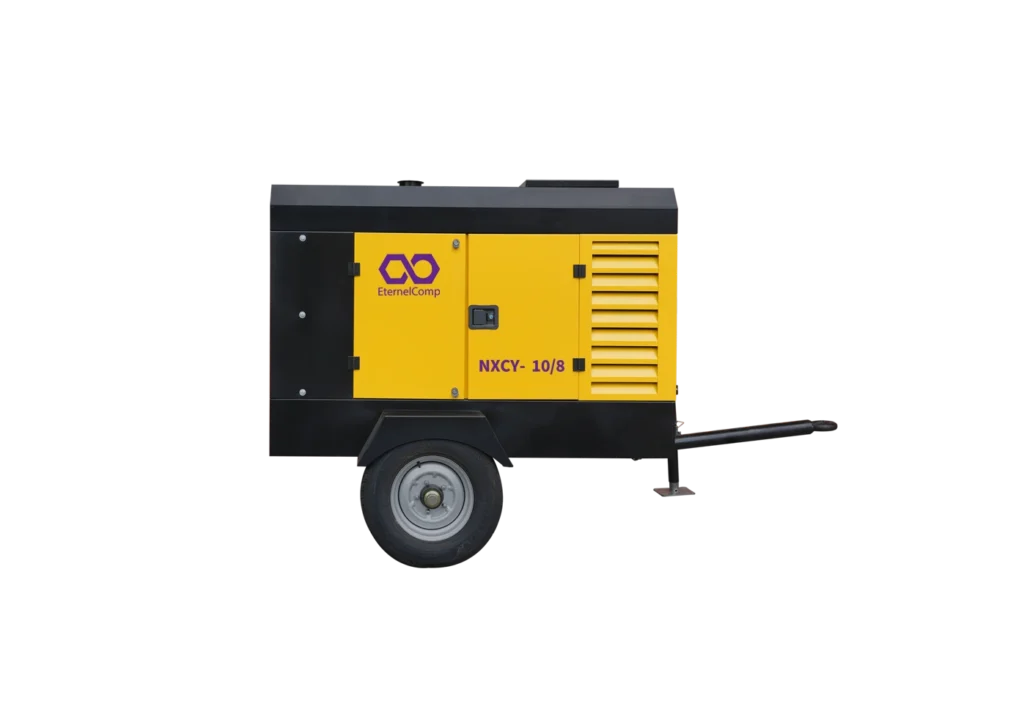
I diversi settori industriali presentano modelli di domanda di aria compressa diversi e l'approccio di dimensionamento deve tenere conto di tali differenze:
Settore alimentare e delle bevande. L'aria a contatto con il prodotto deve essere priva di olio e filtrata per rimuovere particelle e microrganismi. L'impianto pneumatico è spesso suddiviso in due livelli di pressione: alta pressione per i comandi e gli azionamenti pneumatici e bassa pressione per le applicazioni a contatto con il prodotto. Gli essiccatori e i sistemi di filtrazione rappresentano una quota maggiore del costo totale dell'impianto rispetto a quanto avviene nella produzione industriale in generale.
Lavorazione dei metalli. La domanda è intermittente e raggiunge picchi elevati, determinata dall’uso simultaneo di più utensili pneumatici e dal funzionamento ciclico delle macchine CNC. Il profilo di carico è altamente variabile, il che rende un compressore con variatore di velocità (VSD) o un sistema a compressori multipli la scelta più efficiente. I requisiti relativi alla qualità dell’aria sono moderati.
Settore tessile. La domanda è costante e di grandi volumi, trainata dai telai a getto d’aria, dai filatoi e dai sistemi di trasporto pneumatico. L’aria deve essere secca per evitare che l’umidità danneggi le fibre e i tessuti, rendendo un essiccatore per aria compressa fondamentale. Il profilo di carico è lineare, il che favorisce l’impiego di grandi compressori a velocità fissa con elevata efficienza a pieno carico.
Elettronica e semiconduttori. I requisiti relativi alla qualità dell’aria sono i più rigorosi in assoluto rispetto a qualsiasi altro settore. La compressione senza olio, l’essiccazione con essiccante fino a un punto di rugiada di -40 gradi Celsius e la filtrazione per rimuovere particelle inferiori a 0,01 micron sono standard. Il costo del compressore rappresenta una piccola frazione del costo totale dell’impianto di aria compressa ed è prassi comune sovradimensionarlo per garantire l’affidabilità.
Il ruolo dei serbatoi di accumulo dell'aria nel dimensionamento degli impianti
Il serbatoio di accumulo dell'aria immagazzina l'aria compressa tra il compressore e il sistema di distribuzione, riducendo i picchi di portata necessari grazie alla capacità di assorbire i picchi di domanda a breve termine e di ridurre i cicli di funzionamento del compressore. Un serbatoio di accumulo correttamente dimensionato può ridurre la potenza richiesta del compressore del 10–20%.
| Tipo di controllo del compressore | Volume consigliato del ricevitore | Finalità |
|---|---|---|
| Carico/scarico (velocità fissa) | 10–15 L per L/s | Previene i cicli brevi e attenua i picchi di domanda |
| Azionamento a velocità variabile (VSD) | 5–8 L per L/s | Attenua solo i transitori di pressione |
| Compressori multipli con sequencer | 5–10 L per L/s | Bufferizzazione a livello di sistema |
| Compressore a pistoni | 15–25 L per L/s | Uniforma l'uscita pulsante, impedisce i cicli brevi |
Il serbatoio riduce i cicli di funzionamento del compressore fornendo un volume di aria immagazzinata da cui il sistema può attingere tra i setpoint di pressione superiore e inferiore. Un compressore con carico/scarico dotato di un serbatoio di piccole dimensioni alterna lo stato di carico e quello di scarico ogni pochi secondi, causando il surriscaldamento del motore e l’usura prematura del gruppo compressore. Un serbatoio più capiente allunga la durata del ciclo, riduce il numero di avviamenti all’ora e prolunga la durata del compressore.
Per le fabbriche che stanno valutando dimensionamento del serbatoio di accumulo dell'aria, il serbatoio di accumulo dovrebbe avere dimensioni sufficienti affinché il compressore funzioni per almeno 30-60 secondi tra un ciclo e l’altro, consentendo al motore di raffreddarsi tra un avvio e l’altro. Questo requisito spesso determina le dimensioni del serbatoio di accumulo in misura maggiore rispetto all’esigenza di compensazione della domanda.
Posizione del ricevitore e caduta di pressione
Il ricevitore deve essere posizionato il più vicino possibile allo scarico del compressore, a monte dell’essiccatore e dei filtri. Questo posizionamento ha una duplice funzione: consente al serbatoio di fungere da smorzatore di pulsazioni, regolarizzando il flusso di scarico del compressore prima che entri nell’essiccatore, e fornisce un volume di aria calda e umida da cui l’umidità può condensarsi ed essere drenata prima che l’aria raggiunga l’essiccatore, riducendo così il carico di umidità dell’essiccatore stesso.
Un ricevitore secondario situato in prossimità di un grande utente intermittente — come ad esempio una pressa pneumatica che assorbe 5 m³/min per 3 secondi ogni 30 secondi — può impedire il calo di pressione che tale utente causerebbe altrimenti nel sistema di distribuzione principale. Il serbatoio secondario viene dimensionato in base al volume di richiesta dell’utenza e alla caduta di pressione accettabile, e isola il carico intermittente dal resto dell’impianto.
Errori comuni nella scelta delle taglie che costano denaro alle fabbriche
L’errore più costoso nel dimensionamento di un compressore consiste nell’acquistarne uno basandosi sui dati riportati sulla targhetta del motore del vecchio compressore, senza misurare l’effettivo fabbisogno dell’impianto. Il secondo errore più costoso consiste nell’aggiungere un margine eccessivo in ogni fase del processo di dimensionamento: l’ingegnere aggiunge 20%, il responsabile di progetto aggiunge 10% e l’addetto agli acquisti arrotonda per eccesso alla dimensione standard successiva — con il risultato di un compressore sovradimensionato da 30% a 50%. Il terzo errore più costoso è ignorare le perdite, che in genere rappresentano dal 15% al 30% del fabbisogno di aria compressa di uno stabilimento e che nessun sovradimensionamento del compressore può risolvere; la risposta corretta alle perdite è un programma di riparazione delle perdite, non un compressore più grande.
Il problema dell'accumulo dei margini
| Persona | Margine aggiunto | Sovradimensionamento cumulativo |
|---|---|---|
| Ingegnere di impianto che calcola la domanda | +15% | 15% |
| Revisione da parte del responsabile tecnico | +15% | 32% |
| Arrotondamento degli acquisti alla taglia standard | +10% | 46% |
| Il programma di installazione seleziona la taglia successiva “per sicurezza” | +10% | 60% |
Un compressore dimensionato a 60% al di sopra del fabbisogno funziona a un carico medio di circa 63% con una potenza specifica ridotta. Lo spreco decennale per un’unità della classe da 75 kW: $50.000–$80.000. La soluzione: affidare la responsabilità a una sola persona, basare il dimensionamento sui dati misurati con un unico margine compreso tra 15 e 20% e rifiutare ulteriori margini senza una giustificazione documentata.
Il punto cieco delle perdite
Uno stabilimento privo di un sistema di gestione delle perdite perde in genere 20–30% di aria compressa a causa delle perdite — presenti 24 ore su 24, 7 giorni su 7 — che consumano energia elettrica per comprimere aria che non raggiunge mai il punto di utilizzo. Un compressore da 75 kW che funziona per 6.000 ore a $0,10/kWh costa circa $45.000 all’anno. Con una perdita di 25%, il costo è di $11.250 all’anno. Un rilevatore a ultrasuoni costa da $500 a $2.000 e un'ispezione a livello di impianto costa da $2.000 a $5.000 — entrambi si ripagano in 2–6 mesi. Dimensionare il compressore in base alla domanda prevista e lasciare che il programma di manutenzione riduca la domanda effettiva al valore di dimensionamento.
Quando rivolgersi a un professionista per un audit sull'aria compressa
Un audit dell’aria compressa effettuato da un professionista certificato fornisce i dati misurati che trasformano il dimensionamento del compressore da una stima a un calcolo ingegneristico. L’audit misura la portata, la pressione, il consumo energetico e il punto di rugiada in diversi punti dell’impianto nell’arco di un periodo compreso tra 7 e 14 giorni, generando una serie di dati che rivela il profilo effettivo della domanda dello stabilimento, le cadute di pressione nel sistema di distribuzione, il tasso di perdita e l’efficienza delle apparecchiature esistenti. L’audit costa da $5.000 a $15.000 e individua un risparmio energetico compreso tra il 20% e il 40% del costo energetico annuale dell’aria compressa. Per uno stabilimento che spende $45.000 all’anno in energia elettrica per l’aria compressa, l’audit si ripaga da solo in un periodo compreso tra 3 e 8 mesi grazie ai soli risparmi individuati. I dati di dimensionamento forniti dall’audit rappresentano un valore aggiunto che rende l’investimento vantaggioso anche se non viene sostituita alcuna apparecchiatura.
Quando è giustificata una revisione contabile
Un audit sull'aria compressa è un investimento che vale la pena nelle seguenti situazioni:
- Lo stabilimento sta sostituendo il proprio compressore principale e il nuovo compressore costerà più di $30.000. A questo livello di prezzo, il costo di un errore di dimensionamento supera il costo della verifica.
- Il fabbisogno di aria compressa dello stabilimento è cambiato — sono state aggiunte nuove attrezzature, quelle vecchie sono state dismesse, i turni sono stati modificati — e nessuno sa quale sia effettivamente il fabbisogno attuale.
- La bolletta elettrica dello stabilimento relativa all’aria compressa sembra elevata, ma nessuno ha quantificato quale sarebbe un importo “ragionevole”.
- Lo stabilimento sta valutando l'adozione di un compressore con variatore di velocità (VSD) e necessita dei dati relativi al profilo di carico per stabilire se il sovrapprezzo del VSD sarà ammortizzabile.
- La produzione dello stabilimento ha subito interruzioni a causa di episodi di bassa pressione e la causa non è chiara: il compressore è sottodimensionato, oppure è una restrizione nelle tubazioni o un'ostruzione del filtro a causare una caduta di pressione localizzata?
Per aria compressa per la produzione Nelle applicazioni in cui la produzione dipende da un'alimentazione d'aria affidabile, l'audit rappresenta una polizza assicurativa contro i costi derivanti da un dimensionamento errato. Il costo di un compressore di dimensioni errate — in termini di energia sprecata, tempi di inattività della produzione o entrambi — si misura in decine di migliaia di dollari all'anno. Il costo dell'audit è una frazione di un solo anno di tale spreco.
Cosa offre l'audit
Un rapporto professionale di verifica dell'aria compressa comprende:
- Un grafico del profilo della domanda che mostra la portata in funzione del tempo nel corso del periodo di misurazione, con annotazioni relative ai cambi di turno, alle pause e agli eventi noti di elevata domanda
- Un profilo di pressione che mostra la pressione allo scarico del compressore e in ciascun punto di utilizzo misurato, indicando la posizione e l'entità delle cadute di pressione
- Misurazione del carico di dispersione effettuata durante un periodo di inattività produttiva, quando tutti i consumatori intenzionali sono spenti, al fine di quantificare il tasso di dispersione e individuare le perdite più consistenti
- Un'analisi della potenza e del consumo energetico che mostra l'energia totale utilizzata e la potenza specifica in corrispondenza di ciascun punto di carico
- Una misurazione della qualità dell'aria che indica il punto di rugiada, il livello di particolato e il contenuto di olio nei punti critici
- Un elenco di raccomandazioni ordinate per priorità, con i costi e i risparmi stimati per ciascuna azione, organizzato in ordine di tempo di recupero dell'investimento, dalla più rapida alla più lunga
Il profilo della domanda emerso dall'audit rappresenta la risposta definitiva alla domanda: “Di quale dimensione ha bisogno il compressore della mia fabbrica?”. Sostituisce le stime con dati concreti e offre la certezza necessaria per investire da $30.000 a $150.000 in un compressore, sapendo che si tratta della dimensione giusta.
Conclusione
La portata corretta per un compressore d’aria industriale è quella in grado di soddisfare il fabbisogno simultaneo di picco di tutti gli utenze di aria compressa, più un margine unico compreso tra 15% e 20% per perdite ed espansione, alla pressione massima richiesta da qualsiasi utenza più la caduta di pressione attraverso il sistema di distribuzione. Per arrivare a questo valore è necessario seguire un processo sistematico: inventariare ogni apparecchiatura pneumatica presente in fabbrica, determinarne il consumo d’aria alla pressione di esercizio, applicare un ciclo di lavoro realistico, sommare il picco simultaneo, aggiungere il margine unico e convertire la portata e i requisiti di pressione in un modello di compressore e nella potenza del motore.
Il processo non è difficile, ma richiede disciplina. La disciplina di misurare anziché stimare. La disciplina di resistere alla tentazione di aggiungere “solo un po” di più” di margine a ogni fase. La disciplina di riparare le perdite prima di acquistare un compressore più grande. La disciplina di investire in un audit quando la posta in gioco lo giustifica. Uno stabilimento che segua questo processo acquisterà un compressore adeguato al proprio fabbisogno, che funzionerà in modo efficiente per tutta la sua vita utile e che comporterà il minimo costo possibile in termini di acquisto, installazione, funzionamento e manutenzione. Uno stabilimento che salti questo processo e si affidi a supposizioni probabilmente sbaglierà — e pagherà per l’errore in ogni bolletta elettrica dei prossimi dieci anni.
Domande frequenti
Qual è la differenza tra CFM e SCFM nella scelta delle dimensioni di un compressore d'aria?
Il CFM (piedi cubi al minuto) è la portata misurata alle condizioni effettive di aspirazione del compressore, ovvero alla temperatura, alla pressione e all’umidità dell’aria che entra nel compressore. Il SCFM (piedi cubi standard al minuto) è la portata corretta alle condizioni standard, tipicamente 1 bar di pressione assoluta, 20 gradi Celsius e 0% di umidità relativa. Quando si confrontano compressori di diversi produttori, utilizzare sempre l’SCFM o la FAD (portata d’aria libera) secondo la norma ISO 1217 per garantire un confronto omogeneo. Un compressore con una portata nominale di 100 CFM in condizioni di aspirazione ad alta quota potrebbe erogare una portata massica inferiore rispetto a uno con una portata nominale di 95 SCFM in condizioni standard.
Posso determinare la potenza necessaria per un compressore sommando i valori in HP dei miei utensili pneumatici?
No. La potenza nominale in horsepower di un utensile pneumatico indica la sua potenza meccanica in uscita, non il suo consumo di aria compressa. Due motori pneumatici da 1 HP possono avere consumi d’aria completamente diversi a seconda della loro efficienza. Utilizzare sempre il consumo d’aria indicato dal produttore in CFM o m³/min alla pressione di esercizio, non la potenza nominale in cavalli vapore dell’utensile. Se i dati sul consumo d’aria non sono disponibili, misurarlo con un flussometro oppure utilizzare i dati del produttore relativi a un utensile comparabile di una marca nota.
In che modo l'altitudine influisce sul calcolo delle dimensioni del mio compressore?
L'altitudine riduce la massa d'aria che entra nel compressore per ogni metro cubo di volume di aspirazione, poiché la densità dell'aria diminuisce con l'altitudine. Un compressore a 2.000 metri di altitudine aspira circa 20% in meno di massa d’aria per volume di aspirazione rispetto allo stesso compressore a livello del mare e, di conseguenza, eroga una portata massica di aria compressa inferiore di circa 20%. Il valore nominale FAD del compressore a condizioni standard tiene già conto di questo fattore, ma uno stabilimento situato ad alta quota dovrebbe specificare il compressore in termini di portata massica o FAD a condizioni standard per evitare la trappola del de-rating dovuto all’altitudine. Inoltre, i compressori raffreddati ad aria perdono capacità di raffreddamento in altitudine, pertanto il limite di temperatura ambiente potrebbe essere inferiore rispetto a quanto specificato a livello del mare.