Un ingegnere di impianto che acquista un generatore di azoto basandosi esclusivamente sulle specifiche relative alla portata di azoto — 50 Nm³/h con purezza 99,5%, ordine di acquisto emesso — scopre il giorno della messa in servizio che il compressore d’aria esistente da 30 kW non è in grado di fornire i 150-200 Nm³/h di aria compressa necessari all’ingresso del generatore. Il generatore rimane inattivo per due settimane mentre si procede all’acquisto d’urgenza di un nuovo compressore a un prezzo maggiorato, e il progetto, il cui budget era di $80.000, ora costa $130.000, comprensivo di compressore, essiccatore, sistema di filtrazione e installazione di emergenza. Questo scenario si ripete perché il fabbisogno di aria compressa — in genere da 2,5 a 5,0 volte la produzione di azoto — è la specifica più trascurata nella generazione di gas in loco. Un generatore di azoto non produce azoto dal nulla. Separa l’azoto dall’aria compressa, e tale aria compressa non è né gratuita né automaticamente disponibile alla portata, alla pressione e alla qualità corrette.
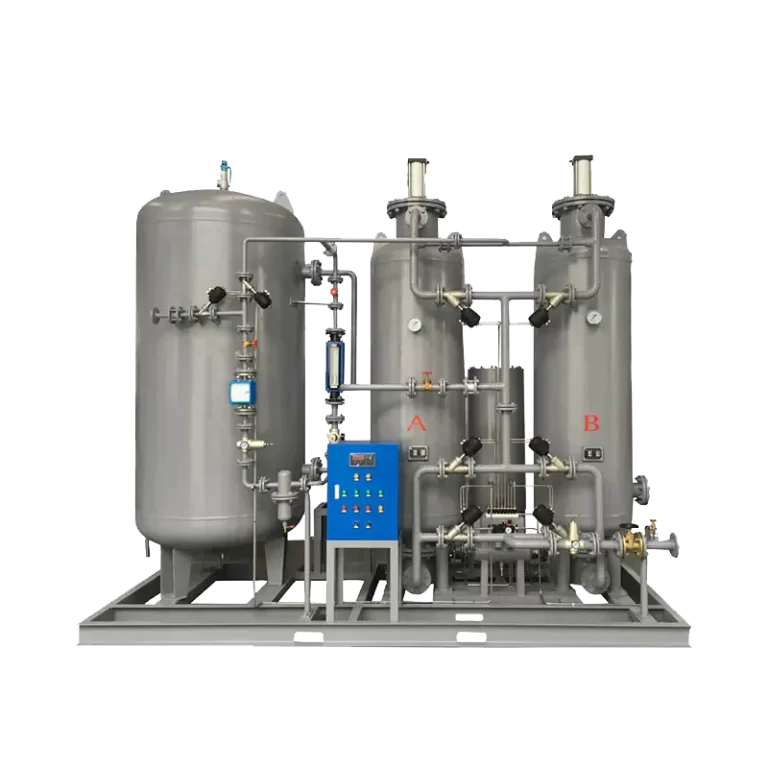
L'impianto di aria compressa che alimenta un generatore di azoto PSA deve fornire una portata in ingresso pari alla produzione di azoto moltiplicata per il rapporto aria/azoto — tipicamente compreso tra 2,5:1 e 4,5:1 a seconda della purezza — a una pressione compresa tra 6 e 10 bar(g), con una qualità dell’aria conforme alla norma ISO 8573-1 Classe 1.2.1 o superiore. Ciò significa che Generatore di azoto PSA Un impianto con una portata nominale di 50 Nm³/h di azoto al 99,5% richiede da 125 a 200 Nm³/h di aria compressa. Il compressore, l’essiccatore, il sistema di filtrazione e il serbatoio di accumulo che compongono questo impianto di alimentazione costano in genere da 40% a 70% del prezzo di acquisto del generatore e consumano da 80% a 95% dell’energia elettrica totale del sistema. Il corretto dimensionamento del compressore, la scelta dell’essiccatore adeguato, la definizione del sistema di filtrazione corretto e l’adeguamento della pressione all’ingresso del generatore costituiscono le decisioni ingegneristiche che determinano se il sistema soddisfa le specifiche al minor costo energetico per l’intera durata di vita utile.
Perché il dimensionamento dei compressori d'aria industriali è fondamentale
Un generatore di azoto PSA è un dispositivo per la purificazione dell’aria compressa. L’azoto è inerte e attraversa il letto di CMS senza subire alcuna alterazione, ma il generatore è estremamente sensibile a tutte le altre sostanze presenti nell’aria: vapori d’olio, vapori d’acqua, particolato e anidride carbonica. Il vapore d’olio danneggia in modo permanente il setaccio molecolare al carbonio (CMS) adsorbendosi sulle superfici dei micropori e bloccando i siti di adsorbimento dell’ossigeno. Il vapore d’acqua compete con l’ossigeno per l’adsorbimento. Il particolato intasa gli spazi interstiziali del CMS, aumentando la caduta di pressione. Un generatore alimentato con aria compressa contaminata perde gradualmente e irreversibilmente la propria purezza: l’unica soluzione è la sostituzione del CMS.
Il CMS presente in un generatore PSA presenta una superficie interna compresa tra 300 e 500 m² per grammo, distribuita su micropori di 3–5 angstrom. Quando il vapore di petrolio (idrocarburi C6–C30) entra nel letto, viene adsorbito con un’energia di gran lunga superiore a quella dell’ossigeno e non si desorbe durante la rigenerazione. Nel corso di centinaia di ore si accumula un monostrato che riduce la capacità di adsorbimento. Il risultato: minore purezza a parità di impostazioni del ciclo, oppure un maggiore consumo d’aria per compensare. La sostituzione del CMS costa da $5.000 a $25.000 a seconda delle dimensioni del generatore, e il tempo di inattività della produzione — in genere diversi giorni — spesso costa più del materiale filtrante stesso.
La norma ISO 8573-1 sulla qualità dell'aria per i generatori di azoto
La norma ISO 8573-1 classifica la purezza dell'aria con la notazione Classe X.Y.Z (particelle . acqua . olio). Valori minimi raccomandati per i generatori di azoto:
| Sostanza contaminante | Corso consigliato | Limite | Perché questo limite? |
|---|---|---|---|
| Particelle | Classe 1 | Massimo 0,1 mg/m³, dimensione massima delle particelle 0,1 micron | Le particelle di dimensioni superiori a 0,1 micron ostruiscono gli spazi interstiziali del CMS |
| Acqua | Classe 2 | Punto di rugiada sotto pressione ≤ -40 °C | L'acqua entra in competizione per i siti di adsorbimento del CMS; l'acqua liquida distrugge la struttura del CMS |
| Petrolio (totale) | Classe 1 | Massimo 0,01 mg/m³ | Qualsiasi vapore d'olio danneggia in modo irreversibile il CMS e la membrana |
Per le applicazioni nei settori alimentare, farmaceutico ed elettronico, il requisito è spesso la Classe 1.2.1 o la Classe 1.1.1 — ovvero particolato Classe 1, acqua Classe 1 (punto di rugiada in pressione ≤ -70 °C), olio Classe 1. La tecnologia di essiccazione necessaria per raggiungere un punto di rugiada di -70 °C è quella di un essiccatore ad adsorbimento, che comporta un aumento dei costi del sistema di aria compressa compreso tra circa $5.000 e $15.000 rispetto a un essiccatore a refrigerazione in grado di raggiungere un punto di rugiada di +3 °C. Il costo aggiuntivo è inevitabile per le applicazioni in cui è richiesta una purezza dell’azoto superiore al 99,9% o in cui il vapore acqueo potrebbe interferire con il processo a valle.
Quanta aria compressa serve a un generatore di azoto: il rapporto aria-azoto
Il rapporto aria-azoto è il moltiplicatore fondamentale che converte la produzione di azoto in consumo di aria compressa. Per il processo PSA con purezza pari a 99,51 TP3T, il rapporto è tipicamente compreso tra 2,8:1 e 3,5:1. Per i sistemi a membrana con purezza pari a 98%, è compreso tra 3,5:1 e 4,5:1. Il rapporto aumenta con l’aumentare della purezza e diminuisce con l’aumentare della pressione di esercizio e con le configurazioni del letto CMS ottimizzate per il recupero dell’aria.
L'aria ambiente è composta approssimativamente da 78% di azoto e 21% di ossigeno. Se un processo di separazione catturasse 100% di azoto e scartasse 100% di ossigeno, il rapporto sarebbe 1/0,78 = 1,28:1 — nessun processo reale raggiunge questo minimo teorico. Nel PSA, il rapporto è determinato dalla selettività del CMS e dalla progettazione del ciclo: durante l’adsorbimento, il 5–15% dell’azoto viene co-adsorbito insieme all’ossigeno e va perso durante la depressurizzazione. Le fasi di equalizzazione della pressione recuperano parte di questo azoto: un generatore con due fasi di equalizzazione riduce il rapporto aria-azoto di 10–20% rispetto a uno con una sola fase.
Rapporto aria-azoto per tecnologia e grado di purezza
| Tecnologia | Purezza dell'azoto | Rapporto aria-azoto tipico | Portata del compressore per 50 Nm³/h di N₂ |
|---|---|---|---|
| PSA, elevato grado di recupero | 99% | 2.5:1–3.0:1 | 125–150 Nm³/h |
| PSA, standard | 99.5% | 2.8:1–3.5:1 | 140–175 Nm³/h |
| PSA, elevata purezza | 99.9% | 3.2:1–3.8:1 | 160–190 Nm³/h |
| PSA, purezza ultraelevata | 99.999% | 3.5:1–4.5:1 | 175–225 Nm³/h |
| Membrana, monostadio | 95% | 3.0:1–4.0:1 | 150–200 Nm³/h |
| Membrana, monostadio | 98% | 3.5:1–4.5:1 | 175–225 Nm³/h |
| Membrana a due stadi | 99.5% | 4.0:1–5.5:1 | 200–275 Nm³/h |
La portata del compressore nella colonna più a destra è il valore riportato nella scheda tecnica del compressore: la portata d’aria libera (FAD) alle condizioni di aspirazione del compressore, misurata secondo la norma ISO 1217. È questo valore, e non la produzione di azoto, a determinare le dimensioni del compressore e il consumo elettrico. Nell’esempio del generatore di azoto da 50 Nm³/h, il compressore è una macchina da 90 a 132 kW, non da 30 kW come potrebbe supporre un valutatore inesperto basandosi esclusivamente sulla portata di azoto.
Calcolo della portata dell'aria compressa per i generatori di azoto PSA
La portata dell’aria compressa per un generatore di azoto PSA si calcola moltiplicando la produzione di azoto del generatore alla purezza richiesta per il rapporto aria/azoto specificato nella scheda tecnica del generatore per quella purezza e pressione di esercizio, aggiungendo poi un margine compreso tra 5% e 10% per il consumo di aria di controllo, per l’aria strumentale e per le perdite di sistema. Il rapporto aria/azoto indicato nella scheda tecnica è valido alla pressione di ingresso specificata — tipicamente 7,0 o 8,0 bar(g) — e tale rapporto aumenta se la pressione di ingresso effettiva è inferiore. Ciò significa che il compressore deve essere dimensionato per erogare la portata richiesta alla pressione di ingresso minima accettabile del generatore, non alla pressione nominale del compressore, che è sempre superiore alla pressione all’ingresso del generatore al netto delle perdite attraverso l’essiccatore, i filtri e le tubazioni.
Come leggere la scheda tecnica del generatore
Una scheda tecnica tipica di un generatore di azoto PSA per un'unità da 50 Nm³/h con purezza pari a 99,51 TP3T contiene le seguenti informazioni sul consumo d'aria:
| Parametri della scheda tecnica | Valore | Note |
|---|---|---|
| Produzione di azoto | 50 Nm³/h | Purezza 99,51 TP3T, 20 °C, 1 bar(a) di riferimento |
| Consumo di aria compressa | 160 Nm³/h | Pressione in ingresso di 7,5 bar(g), 20 °C, riferimento a 1 bar(a) |
| Rapporto aria-azoto | 3.2:1 | 160 / 50 = 3.2 |
| Pressione minima in ingresso | 7,0 bar (g) | Al di sotto di questo livello, la purezza o la portata potrebbero diminuire |
| Pressione massima in ingresso | 10,0 bar(g) | Inoltre, potrebbero essere applicati limiti di fluidità o di capacità del CMS |
| Temperatura dell'aria in ingresso | 5–40 °C | Una temperatura più elevata riduce la capacità di adsorbimento del CMS |
| Controllo del consumo d'aria | 1,0 Nm³/h | Aria tecnica per l'azionamento delle valvole |
Due precisazioni fondamentali riguardo al dato di 160 Nm³/h:
- Correzione della pressione: se il compressore è specificato con una pressione di mandata di 7,5 bar(g) e l’impianto subisce una perdita di 0,8 bar attraverso l’essiccatore, i filtri e le tubazioni, l’ingresso del generatore registra una pressione di 6,7 bar(g) — inferiore alla pressione minima di ingresso. La soluzione consiste nel specificare un compressore con una pressione di mandata di 8,5 bar(g), garantendo che all’ingresso del generatore si registrino almeno 7,0 bar(g) al netto delle perdite dell’impianto. In alternativa, la scheda tecnica può specificare il consumo d’aria a una pressione più elevata. Il calcolo dimensionale deve utilizzare la portata alla pressione effettiva di ingresso.
- Condizioni di aspirazione del compressore: la portata volumetrica giornaliera (FAD) del compressore viene misurata alle condizioni di aspirazione, ovvero alla temperatura, alla pressione e all’umidità dell’aria che entra nel compressore. Un compressore installato a 1.500 metri di altitudine aspira aria con una densità pari a circa 85% rispetto a quella a livello del mare, riducendo la propria portata massica della stessa percentuale. Per il confronto con il consumo d’aria del generatore, espresso a condizioni standard, è necessario utilizzare il FAD corretto alle condizioni standard.
Fasi del calcolo delle dimensioni
- Scheda tecnica consumo d'aria: 160 Nm³/h a 7,5 bar(g)
- Aggiungere aria di controllo + margine 5%: 160 × 1,05 ≈ 168 Nm³/h
- Correzione della pressione: 168 / 0,96 = 175 Nm³/h FAD a 8,5 bar(g)
- Dimensioni del compressore: compressore a vite rotativa di circa 90 kW con portata di 175 Nm³/h FAD
Per capire Come funziona un generatore di azoto A livello di processo — compresi il ciclo di adsorbimento, la fase di rigenerazione del CMS e il ruolo della compensazione della pressione — si tratta di un contesto essenziale per comprendere perché il rapporto aria-azoto vari in funzione della purezza e perché la pressione di ingresso sia fondamentale.
Requisiti di pressione dell'aria compressa per i generatori di azoto PSA
I generatori di azoto PSA richiedono una pressione di ingresso compresa tra 6 e 10 bar(g). Il funzionamento al di sotto del valore minimo riduce l'adsorbimento di ossigeno per ciclo, compromettendo la purezza. Il funzionamento al di sopra del valore massimo comporta il rischio di fluidizzazione del CMS: le particelle sfregano l'una contro l'altra, generando particelle fini che intasano i filtri a valle. La pressione di ingresso deve rimanere entro l'intervallo specificato in tutte le condizioni, compreso il picco di pressione all'avvio.
Bilancio della caduta di pressione
La pressione di mandata del compressore deve superare il valore richiesto all'ingresso del generatore di una quantità pari alla caduta di pressione cumulativa attraverso tutte le apparecchiature di trattamento:
| Componente | Caduta di pressione tipica | Note |
|---|---|---|
| Post-raffreddatore (integrato nel compressore) | 0,1–0,3 bar | Incluso nel pacchetto compressore |
| Separatore d'acqua / ciclone | 0,05–0,1 bar | Se separato dal post-raffreddatore |
| Filtro a coalescenza (1 micron) | 0,1–0,2 bar | Elemento pulito |
| Filtro a coalescenza (0,01 micron) | 0,1–0,3 bar | Elemento pulito |
| Filtro a carbone attivo | 0,1–0,2 bar | Elemento pulito |
| Essiccatore refrigerato | 0,2–0,5 bar | Compreso il separatore interno |
| Essiccatore ad adsorbimento (senza riscaldamento) | 0,2–0,4 bar | Comprese le perdite da spurgo |
| Tubazioni di collegamento (ogni 50 m) | 0,05–0,15 bar | In base a una velocità compresa tra 10 e 15 m/s |
Un tipico percorso di trattamento — post-raffreddatore, separatore d’acqua, due filtri a coalescenza, filtro a carbone attivo, essiccatore a freddo — presenta una caduta di pressione cumulativa degli elementi puliti compresa tra 0,8 e 1,5 bar, che raggiunge valori compresi tra 1,2 e 2,0 bar al termine della vita utile dei filtri. Per un generatore che richiede una pressione minima di 7,0 bar(g) con una caduta di pressione a fine vita dei filtri pari a 1,5 bar, la pressione di mandata del compressore dovrebbe essere di 8,5 bar(g). Ciò garantisce che il generatore riceva almeno 7,0 bar(g) anche quando i filtri si avvicinano alla sostituzione.
Qualità dell'aria compressa: perché l'aria priva di olio è un requisito imprescindibile
Il vapore d’olio danneggia il CMS adsorbendosi sulle superfici dei micropori senza mai desorbirsi durante la rigenerazione. I pori del CMS si riempiono di molecole di idrocarburi, bloccando i siti di adsorbimento dell’ossigeno. Il CMS contaminato deve essere sostituito ogni $5.000 - $25.000, e il tempo di fermo della produzione — in genere di diversi giorni — costa più del materiale filtrante stesso.
Compressore senza olio vs filtrazione
Due metodi per fornire aria priva di olio a un generatore di azoto PSA:
Compressore senza olio: per sua stessa progettazione, la camera di compressione è priva di olio. Si raccomanda comunque l'uso di un filtro a carbone attivo per i vapori di idrocarburi presenti nell'ambiente, ma il rischio fondamentale di contaminazione è eliminato.
Compressore lubrificato ad olio con sistema di filtrazione: i filtri a coalescenza abbinati al carbone attivo possono raggiungere la Classe 1 (0,01 mg/m³) quando sono nuovi. Tuttavia, il carbone attivo ha una capacità limitata — una volta saturo, il vapore d’olio riesce a passare — e i filtri a coalescenza possono essere bypassati in caso di guasto allo scarico o di danneggiamento di un elemento.
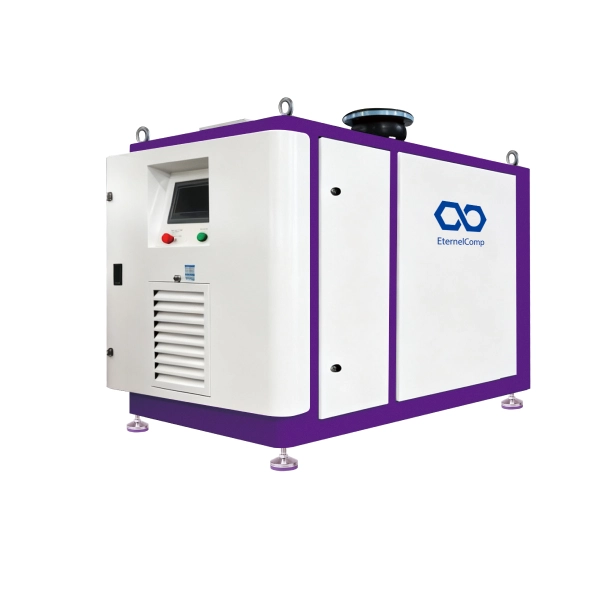
La differenza non sta nel fatto che la filtrazione possa teoricamente raggiungere tale limite — lo può fare, quando è nuova. La differenza sta nel fatto che un compressore oil-free elimina completamente questa modalità di guasto. Per un impianto che investe da $50.000 a $150.000 in un sistema ad azoto, il sovrapprezzo compreso tra $10.000 e $20.000 per un compressore oil-free rappresenta un'assicurazione contro la sostituzione del CMS, che costa quanto il sovrapprezzo stesso. A compressore d'aria a vite rotativa — preferibilmente senza olio — è il motore standard utilizzato per la produzione di azoto tramite PSA nella gamma da 15 a 500 kW.
Dimensionamento del compressore d'aria, dell'essiccatore e del sistema di filtrazione
Il sistema di trattamento dell'aria compressa è costituito da quattro componenti selezionati in sequenza: il compressore d'aria (dimensionato in base al consumo d'aria del generatore alla pressione di mandata), l'essiccatore d'aria (a refrigerazione per +3 °C o ad adsorbimento per -40 °C / -70 °C), la linea di filtrazione (filtri coalescenti più carbone attivo, tutti dimensionati in base alla pressione di esercizio) e il serbatoio di accumulo (dimensionato per far fronte alla domanda e ridurre i cicli di funzionamento).
Sequenza di dimensionamento dei componenti
| Passo | Componente | Parametro di dimensionamento | Come scegliere la taglia |
|---|---|---|---|
| 1 | Compressore d'aria | FAD alla pressione di scarico | Consumo d'aria del generatore × 1,05 ÷ fattore di correzione della pressione |
| 2 | Serbatoio d'aria | Volume in litri | FAD del compressore in L/s × 10–15 (carico/scarico) o × 5–8 (VSD) |
| 3 | Separatore d'acqua | Portata alla pressione di esercizio | Valore FAD del compressore convertito in m³/min effettivi |
| 4 | Filtri a coalescenza (2 stadi) | Portata equivalente a 7 bar(g) | Compressore FAD corretto a 7 bar(g) |
| 5 | Filtro a carbone attivo | Portata a 7 bar(g), tempo di contatto | Tempo di contatto compreso tra 0,1 e 0,3 secondi alla portata nominale |
| 6 | Essiccatore d'aria | Portata a 7 bar(g), punto di rugiada in pressione | Compressore FAD corretto a 7 bar(g) |
Per la correzione della portata all'equivalente di 7 bar(g) si utilizza il fattore (P_effettivo + 1,013) / (7 + 1,013), dove P_effettivo è espresso in bar(g).
Il essiccatore per aria compressa è il secondo componente con il maggior consumo energetico. Un essiccatore a refrigerazione consuma da 2 a 5% di potenza del compressore. Un essiccatore ad adsorbimento senza recupero di calore consuma 15–20% di aria di spurgo: per un compressore da 90 kW, ciò corrisponde a un consumo energetico effettivo compreso tra 13,5 e 18 kW. Gli essiccatori riscaldati e a calore di compressione riducono lo spurgo a 5–8%, ma comportano un costo di investimento più elevato. La scelta dell’essiccatore deve corrispondere al punto di rugiada richiesto: specificare un essiccatore ad adsorbimento laddove è sufficiente un essiccatore a refrigerazione comporta uno spreco di 15% di energia dell’aria compressa.
Il vero costo di un uso scorretto dell'aria compressa
Un impianto di aria compressa non adeguatamente progettato comporta tre tipi di costi per lo stabilimento: il generatore industriale di azoto non soddisfa i requisiti di purezza o di portata, compromettendo i processi a valle; il compressore funziona ininterrottamente alla potenza nominale, aumentando gli interventi di manutenzione e riducendo la durata utile; e l’impianto finisce per acquistare l’attrezzatura corretta in condizioni di urgenza, con un aumento dei costi pari a 20–40%. Scegliere l’attrezzatura sbagliata costa da due a tre volte di più rispetto a quella giusta.
Sequenza di dimensionamento dei componenti
I cinque errori più comuni nelle specifiche tecniche
- Adeguamento delle dimensioni del compressore alla portata di azoto: un generatore da 50 Nm³/h richiede 125–225 Nm³/h di aria compressa. Un compressore dimensionato per 50 Nm³/h fornisce da un quarto a un terzo della capacità richiesta.
- Ignorando la caduta di pressione nella linea di trattamento: specificando la portata di mandata del compressore al valore minimo di ingresso del generatore, non rimane nulla per le perdite del filtro e dell'essiccatore.
- Omettendo il filtro a carbone attivo: i filtri a coalescenza rimuovono gli aerosol d'olio, non i vapori. Senza carbone attivo, i vapori d'olio danneggiano irreversibilmente il CMS.
- Dimensioni insufficienti del serbatoio dell'aria: i cicli brevi causano il surriscaldamento del motore, aumentano il consumo energetico del 5–10% e riducono la durata del compressore del 30–50%.
- Ignorando la riduzione della potenza in funzione della temperatura ambiente: un compressore progettato per funzionare a livello del mare a 20 °C potrebbe erogare una potenza inferiore di 20% a 35 °C e a 1.500 m di altitudine.
Il gruppo generatore-compressore deve essere selezionato nel suo insieme: il produttore del generatore fornisce le specifiche relative al consumo d’aria, alla pressione e alla qualità dell’aria, mentre il fornitore del compressore le verifica in base alle condizioni ambientali del sito.
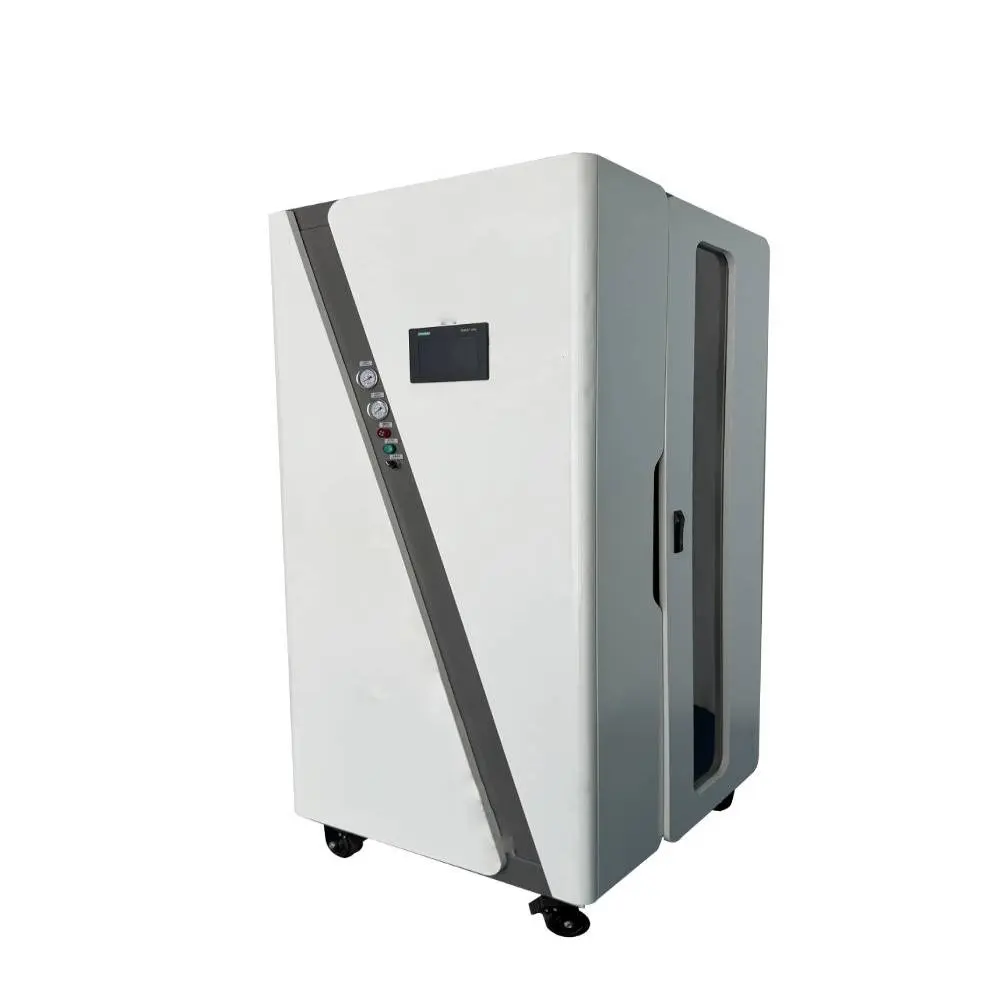
Calcolo delle dimensioni passo dopo passo: un esempio pratico
Uno stabilimento di confezionamento alimentare necessita di 40 Nm³/h di azoto 99,5% per il confezionamento in atmosfera modificata, con un funzionamento di 6.000 ore all’anno, a una temperatura ambiente compresa tra 5 e 38 °C e a un’altitudine di 200 metri.
I cinque errori più comuni nelle specifiche tecniche
Fase 1: Determinare il consumo d'aria del generatore
La scheda tecnica del generatore di azoto PSA specifica:
- Portata di azoto: 40 Nm³/h con purezza del 99,51% (TP3T)
- Consumo di aria compressa: 128 Nm³/h a 7,5 bar(g), con temperatura di riferimento di 25 °C
- Rapporto aria/azoto: 3,2:1
- Pressione minima in ingresso: 7,0 bar(g); massima: 10,0 bar(g)
- Qualità dell'aria in ingresso: ISO 8573-1 Classe 1.2.1
Fase 2: Aggiungere l'aria di controllo e il margine di sistema
- Aria di comando: 1,0 Nm³/h; margine di sistema: 5%
- Valore corretto: (128 + 1,0) × 1,05 = 135,5 Nm³/h
Fase 3: Determinazione della pressione di mandata del compressore
| Componente | Clean Drop | Ritiro a fine vita |
|---|---|---|
| Separatore d'acqua | 0,1 bar | 0,1 bar |
| Filtro a coalescenza, 1 micron | 0,15 bar | 0,3 bar |
| Filtro a coalescenza, 0,01 micron | 0,15 bar | 0,3 bar |
| Filtro a carbone attivo | 0,15 bar | 0,25 bar |
| Essiccatore refrigerato | 0,3 bar | 0,4 bar |
| Tubazioni e valvole (~30 m) | 0,15 bar | 0,2 bar |
| Totale | 1,0 bar | 1,55 bar |
- Pressione di scarico del compressore = 7,0 + 1,55 = 8,55 bar(g), arrotondata a 8,5 bar(g).
Fase 4: Applicare la correzione della pressione del compressore
Una pompa a vite rotativa a velocità fissa a 8,5 bar(g) eroga una portata FAD inferiore di circa 3% rispetto a quella a 7,5 bar(g). Fattore di correzione = 0,97. FAD richiesto = 135,5 / 0,97 = 139,7 Nm³/h, arrotondato a 140 Nm³/h.
Fase 5: Verifica del fattore di riduzione in base alla temperatura ambiente
A 38 °C e 200 m di altitudine, il fattore di riduzione combinato è ≈ 0,93. FAD nominale richiesto = 140 / 0,93 = 150,5 Nm³/h.
Passaggio 6: Selezionare “Compressor”
Un compressore a vite rotativa senza olio da 75 kW con una portata di 150 Nm³/h FAD a 8,5 bar(g).
Fase 7: Dimensionamento del serbatoio d'aria
- FAD: 150 Nm³/h = 41,7 L/s; serbatoio di raccolta: 41,7 × 12 = 500 L; serbatoio di raccolta verticale da 500 litri con pressione nominale di 11 bar(g).
Passaggio 8: Scegliere le dimensioni dell'essiccatore ad aria
- Portata a 7 bar(g): 150 × (8,5 + 1,013) / (7 + 1,013) = 178 Nm³/h
- Essiccatore a refrigerazione con portata nominale di 200 Nm³/h a 7 bar(g) e punto di rugiada di +3 °C. Sufficiente per ottenere una purezza di 99,51 TP3T se abbinato alla capacità intrinseca di adsorbimento dell’acqua del letto CMS.
Fase 9: Filtrazione in base alle dimensioni
Tutti i filtri dimensionati per 178 Nm³/h a 7 bar(g) equivalenti:
- Filtro a coalescenza da 1 micron, 200 Nm³/h
- Filtro a coalescenza da 0,01 micron, 200 Nm³/h
- Filtro a carbone attivo, 200 Nm³/h, tempo di contatto di 0,2 secondi
Fase 10: Verifica delle prestazioni del sistema
| Parametro | Specifiche | Raggiunto |
|---|---|---|
| Portata in ingresso al generatore | 128 Nm³/h minimo | 140 Nm³/h erogati |
| Pressione di ingresso del generatore | 7,0 bar(g) minimo | 6,95 bar(g) alla fine della corsa del filtro (valore limite) |
| Dimensioni del compressore | — | 75 kW |
| Potenza installata totale | — | 78 kW |
| Energia annua | — | 78 × 6.000 × 0,75 = 351.000 kWh |
| Costo energetico annuo ($0,10/kWh) | — | $35,100 |
La pressione in ingresso al termine della vita utile del filtro è al limite. Azione correttiva: aumentare la pressione di scarico a 8,8 bar(g) oppure sostituire i filtri a una pressione differenziale inferiore. Per il confezionamento di prodotti alimentari a 99,5%, il generatore tollera una leggera riduzione di pressione, rendendo accettabile un valore di 8,5 bar(g).
Questo esempio pratico dimostra che un generatore PSA che produce 40 Nm³/h di azoto richiede un compressore da 75 kW — il costo principale sia in termini di investimento iniziale che di consumo energetico. Il consumo annuo di energia elettrica, pari a $35,100, ammonta a $351,000 in 10 anni, circa il doppio del prezzo di acquisto complessivo del generatore e del compressore.
Per un impianto in fase di transizione verso generazione di azoto in loco, l’impianto ad aria compressa non è un semplice accessorio: rappresenta i due terzi dei costi di investimento e i nove decimi dei costi energetici. La metodologia di dimensionamento qui descritta — partendo dalla scheda tecnica, aggiungendo il bilancio delle perdite di carico, correggendo in base alle condizioni ambientali e selezionando i componenti in sequenza — garantisce che l’impianto eroghi portata, pressione e qualità corrette per l’intera durata di vita del CMS. I cinque errori più comuni sono evitabili con un calcolo sistematico. La differenza tra una specifica corretta e una errata è la differenza tra 10–15 anni di funzionamento affidabile e la sostituzione del CMS con una spesa non pianificata nel giro di pochi mesi.
Domande frequenti
Cosa succede se la pressione dell'aria compressa all'ingresso del generatore di azoto scende al di sotto del valore minimo specificato?
Quando la pressione in ingresso scende al di sotto del valore minimo, la forza motrice per la separazione diminuisce. In un generatore PSA, una pressione più bassa riduce la quantità di ossigeno adsorbito per ciclo sul CMS e la purezza dell’azoto diminuisce: un calo di 0,5 bar al di sotto del minimo può ridurre la purezza da 99,5% a 98,5% o meno. In un generatore a membrana, la differenza di pressione parziale attraverso la parete della fibra diminuisce, riducendo la velocità di permeazione dell’ossigeno e causando un calo simile della purezza. Nessuno dei due generatori subisce danni a causa di un breve evento di bassa pressione, ma il funzionamento prolungato al di sotto della pressione minima richiede la riduzione della portata di azoto per ripristinare la purezza oppure l’accettazione di un’uscita con purezza inferiore.
Posso utilizzare un compressore a pistoni al posto di un compressore a vite per un generatore di azoto?
Un compressore a pistoni può alimentare un generatore di azoto, ma con notevoli limitazioni. I compressori a pistoni producono un flusso d’aria pulsante che può disturbare il letto CMS e ridurre l’efficienza di separazione PSA. Presentano inoltre un ciclo di funzionamento inferiore — tipicamente da 50% a 70% — il che ne limita l’impiego ai generatori di azoto che operano in modo intermittente. Per un generatore di azoto in funzione per più di 4 ore al giorno, un compressore a vite rotativa rappresenta la scelta standard grazie alla sua capacità di funzionamento continuo, alla pressione di mandata stabile e alla potenza specifica inferiore. I compressori a pistoni sono adatti solo per generatori di azoto di dimensioni molto ridotte — con una portata di azoto inferiore a 5 Nm³/h — in cui la pulsazione del flusso viene smorzata da un serbatoio di dimensioni adeguate.
Con quale frequenza devono essere sostituiti i filtri dell'aria compressa a monte di un generatore di azoto?
I filtri a coalescenza devono essere sostituiti quando la caduta di pressione attraverso l’elemento raggiunge valori compresi tra 0,3 e 0,5 bar, oppure dopo 4.000–8.000 ore di funzionamento, a seconda di quale delle due condizioni si verifichi per prima. I filtri a carbone attivo devono essere sostituiti dopo 4.000 ore di funzionamento oppure quando la concentrazione di vapori d’olio a valle del filtro supera i 0,003 mg/m³, valore che richiede la misurazione tramite un tubo rivelatore di vapori d’olio o un campione d’aria analizzato in laboratorio. Un programma di manutenzione prudenziale prevede la sostituzione annuale dei filtri a coalescenza e quella semestrale del filtro a carbone attivo per un generatore di azoto che funziona 8.000 ore all’anno. Il costo degli elementi filtranti — in genere da $100 a $500 ciascuno — è trascurabile rispetto al costo della sostituzione di un CMS o di una membrana causata dal guasto del filtro.