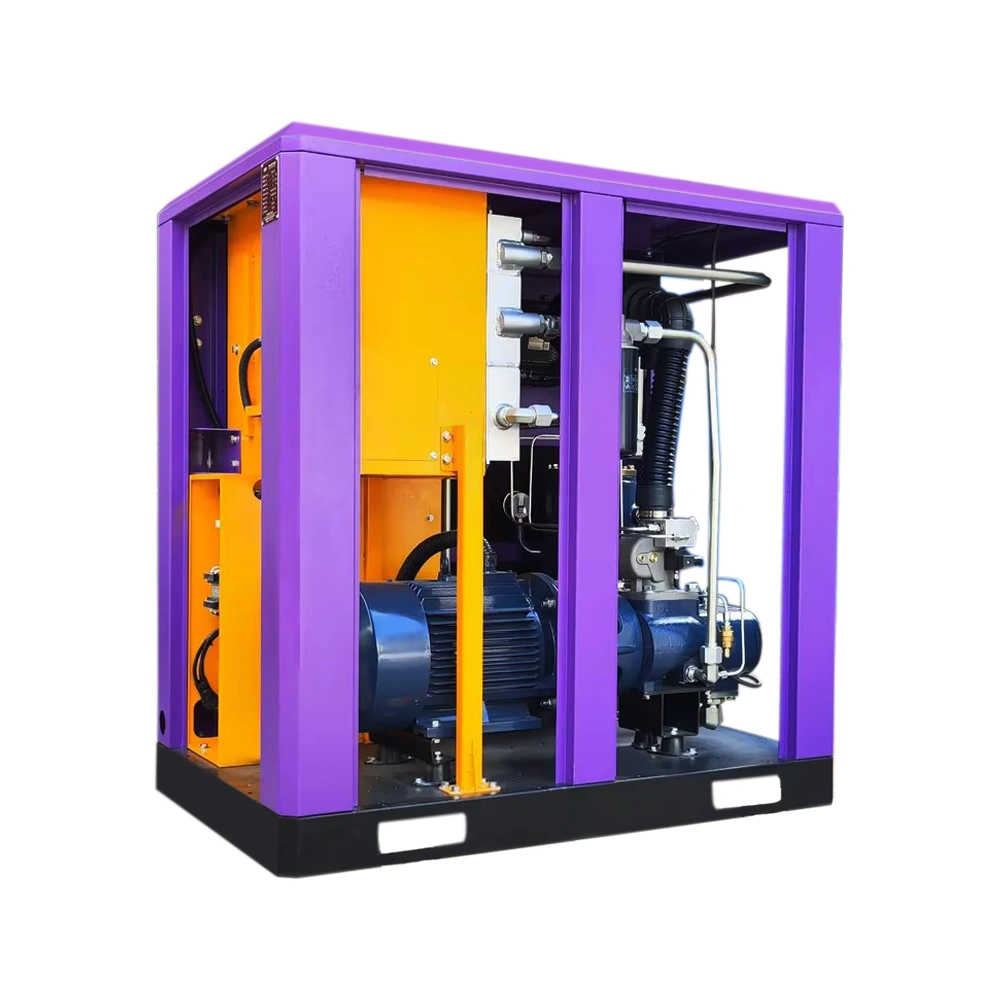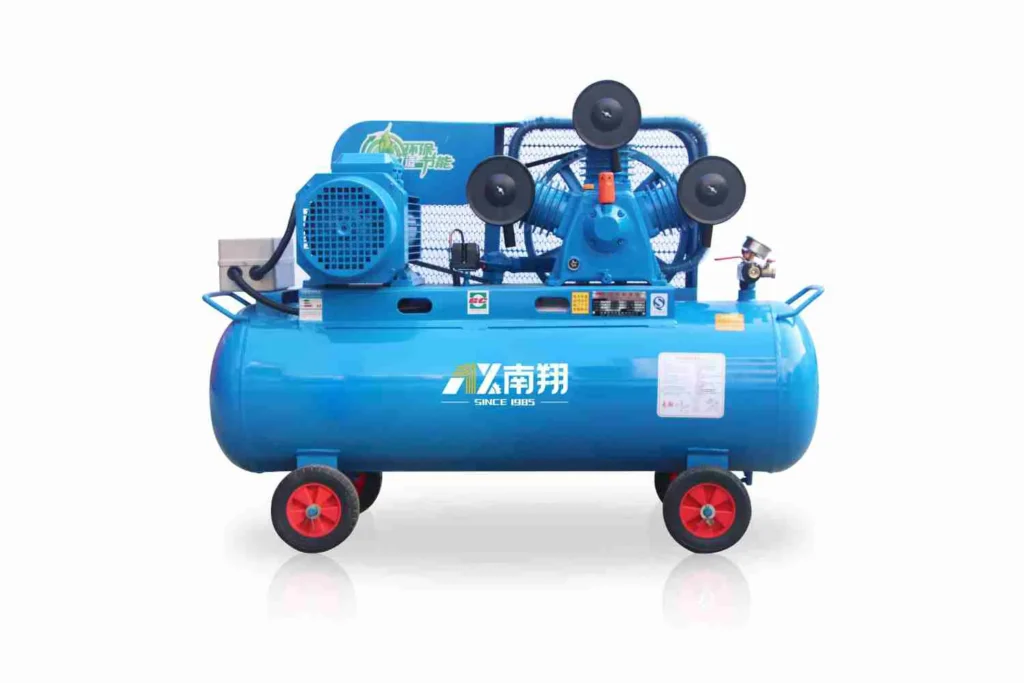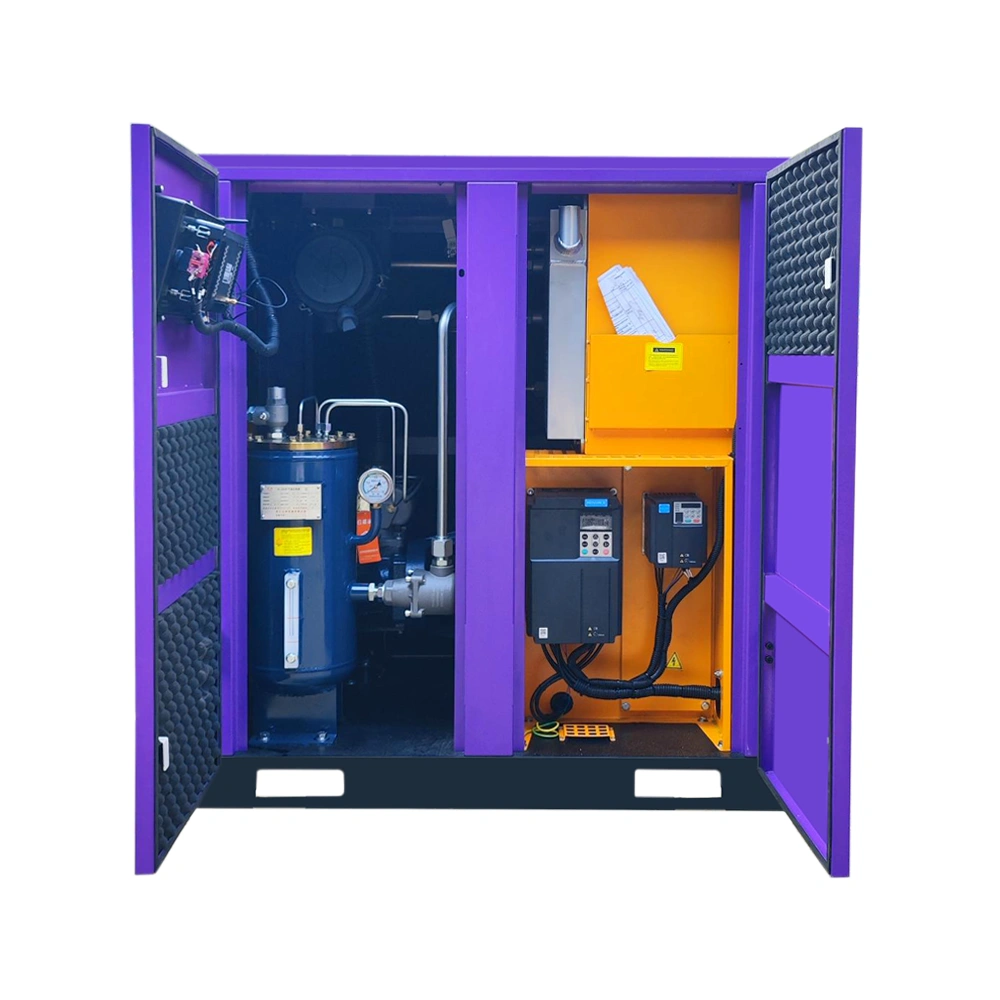
Nel variegato mondo dei compressori d'aria, uno spicca per la sua affidabilità e il suo uso diffuso: il compressore d'aria a pistoni. Rinomato per la sua struttura robusta e le sue applicazioni versatili, il compressore d'aria a pistoni è da decenni un pilastro dei settori che richiedono energia ad aria compressa. Questo articolo approfondisce le caratteristiche che rendono eccezionali i compressori d'aria a pistoni, esplorandone il design, i vantaggi e la gamma di settori in cui vengono utilizzati.
Informazioni sul compressore d'aria a pistoni
Il compressore d'aria a pistoni, Il compressore d'aria alternativo funziona secondo un principio semplice ma efficace. È dotato di uno o più pistoni che si muovono su e giù all'interno di cilindri per comprimere l'aria. Quando il pistone si muove verso il basso, l'aria viene aspirata nel cilindro. Nella corsa verso l'alto, l'aria viene compressa e convogliata in un serbatoio di stoccaggio per essere utilizzata.
Vantaggi dei compressori d'aria a pistoni
- Durata: I compressori d'aria a pistoni sono costruiti per resistere all'uso intenso e alle condizioni più difficili. La loro struttura robusta garantisce una durata maggiore, rendendoli un investimento conveniente per le industrie.
- Adattabilità: Questi compressori sono disponibili in una varietà di dimensioni e configurazioni che li rendono adatti a un'ampia gamma di applicazioni, dalle piccole officine ai grandi impianti industriali.
- Controllo della pressione: I compressori d'aria a pistoni sono in grado di erogare pressioni elevate e sono quindi ideali per le applicazioni che richiedono una notevole pressione dell'aria.
- Efficienza energetica: Questi compressori sono efficienti nel convertire l'energia in aria compressa, con conseguenti minori costi operativi rispetto ad altri tipi di compressori.
- Manutenzione: La manutenzione è relativamente semplice: operazioni di routine come la sostituzione dei filtri e il controllo dei livelli dell'olio garantiscono prestazioni costanti del compressore.
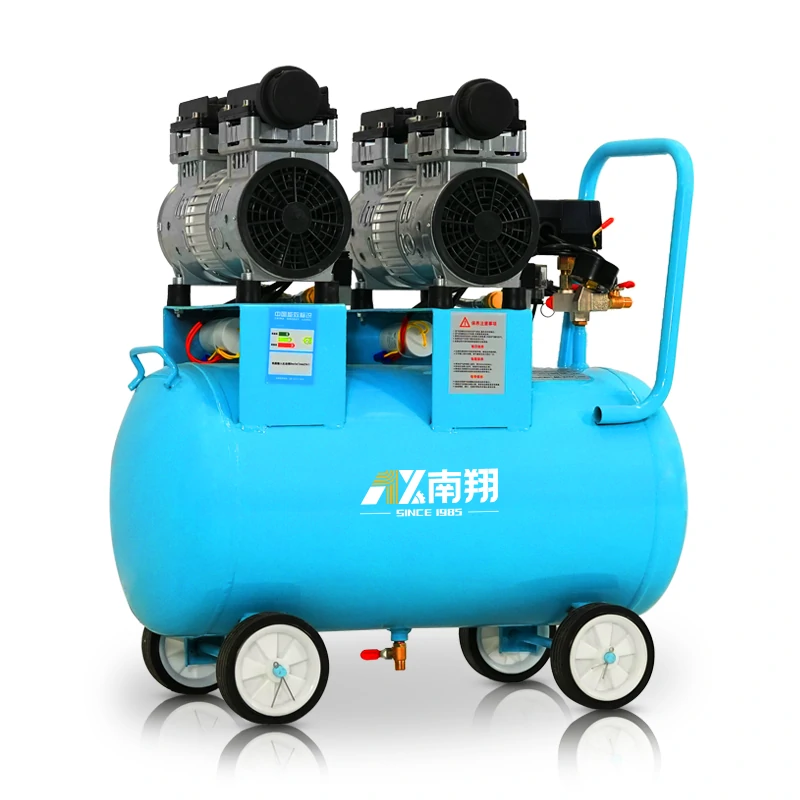
Applicazioni in vari settori
- Industria automobilistica: I compressori d'aria a pistoni alimentano gli strumenti pneumatici nelle officine di riparazione auto, assistendo in attività come il gonfiaggio dei pneumatici, la verniciatura e l'utilizzo di chiavi a percussione.
- Edilizia: Questi compressori sono indispensabili nei cantieri edili e alimentano strumenti come martelli pneumatici, martelli demolitori e pistole sparachiodi.
- Produzione: I compressori d'aria a pistoni forniscono aria compressa per vari processi produttivi, tra cui l'alimentazione di sistemi di trasporto, linee di assemblaggio pneumatiche e macchinari per l'imballaggio.
- Lavorazione del legno: Nei laboratori di lavorazione del legno, i compressori d'aria a pistoni azionano strumenti come levigatrici, trapani e pistole a spruzzo, migliorando la precisione e l'efficienza.
- Farmaceutici e alimentari: questi compressori sono preferiti nelle industrie con severi requisiti di pulizia, in quanto possono essere configurati per essere privi di olio, garantendo aria compressa priva di contaminazioni.
- Odontoiatrico e medico: nelle strutture mediche, i compressori d'aria a pistoni alimentano apparecchiature dentistiche, sistemi di sterilizzazione e dispositivi respiratori, contribuendo alla cura del paziente.
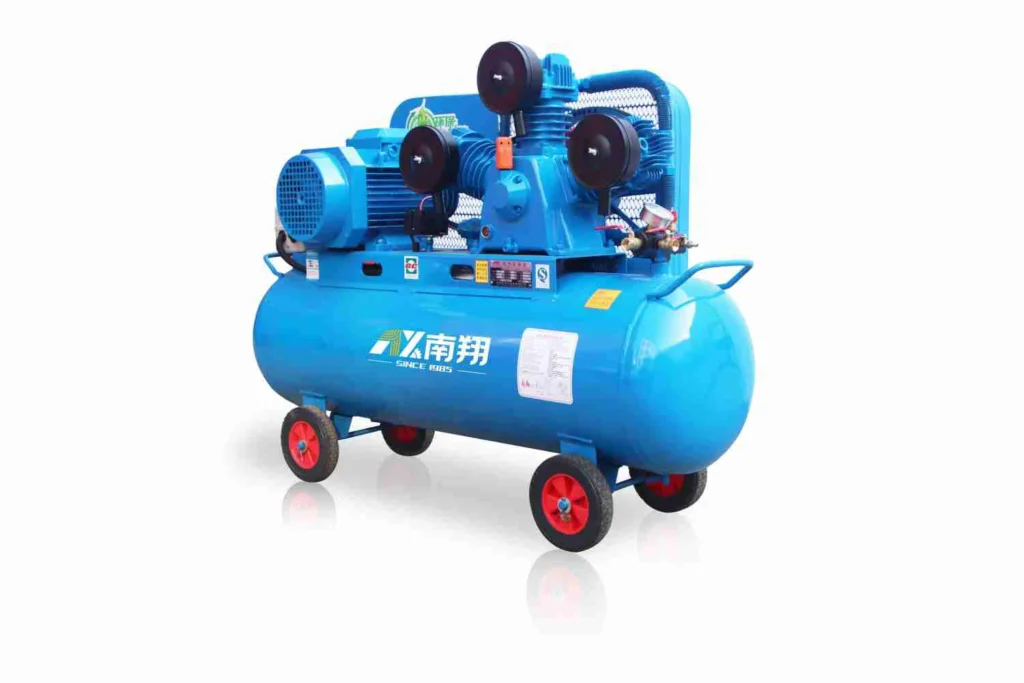
I compressori d'aria a pistoni sono emblema di affidabilità, potenza e versatilità nel campo della tecnologia dell'aria compressa. La loro struttura durevole, l'adattabilità e la capacità di erogare pressioni elevate li hanno resi componenti integrali di numerosi settori industriali. Dalle officine automobilistiche agli impianti di produzione, il loro impatto si fa sentire in tutti i settori che si affidano all'aria compressa per operazioni efficienti e precise. Mentre le industrie continuano ad evolversi, i compressori d'aria a pistoni rimangono saldi, offrendo prestazioni costanti e svolgendo un ruolo fondamentale nel guidare la produttività, l'innovazione e il progresso.