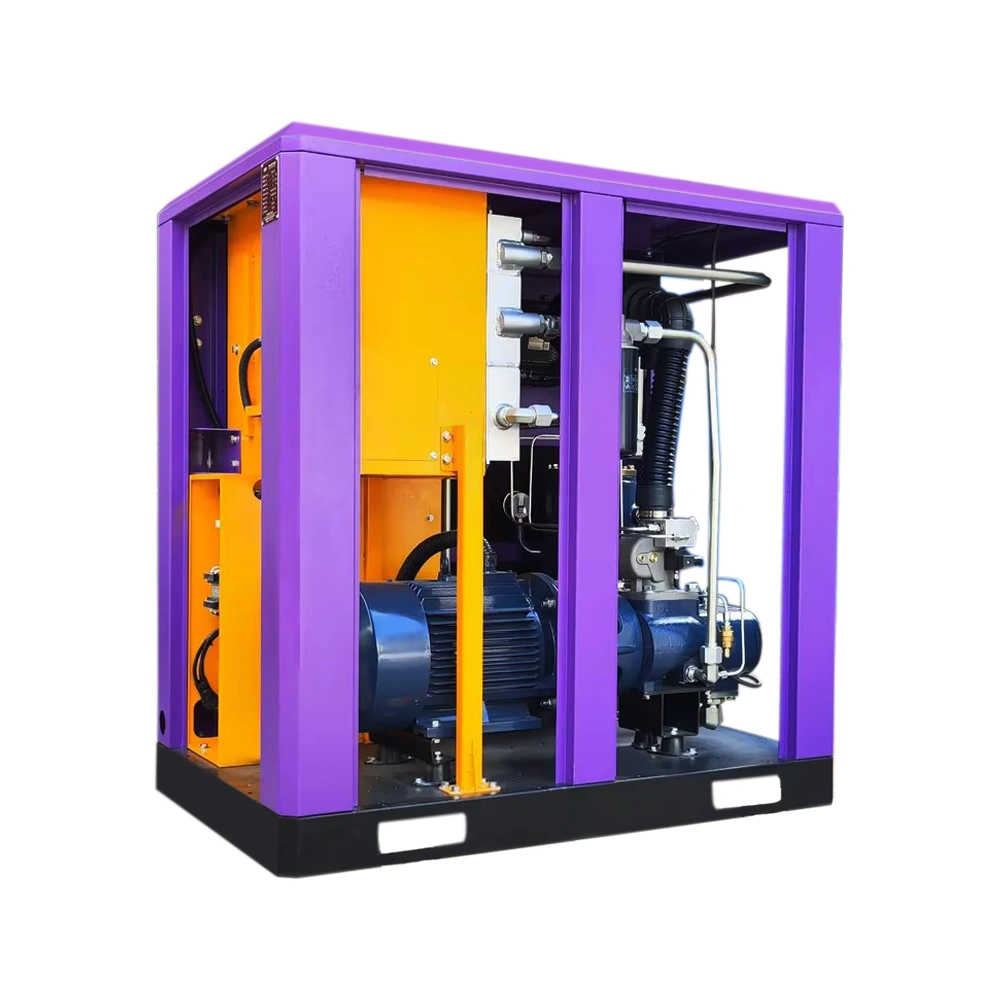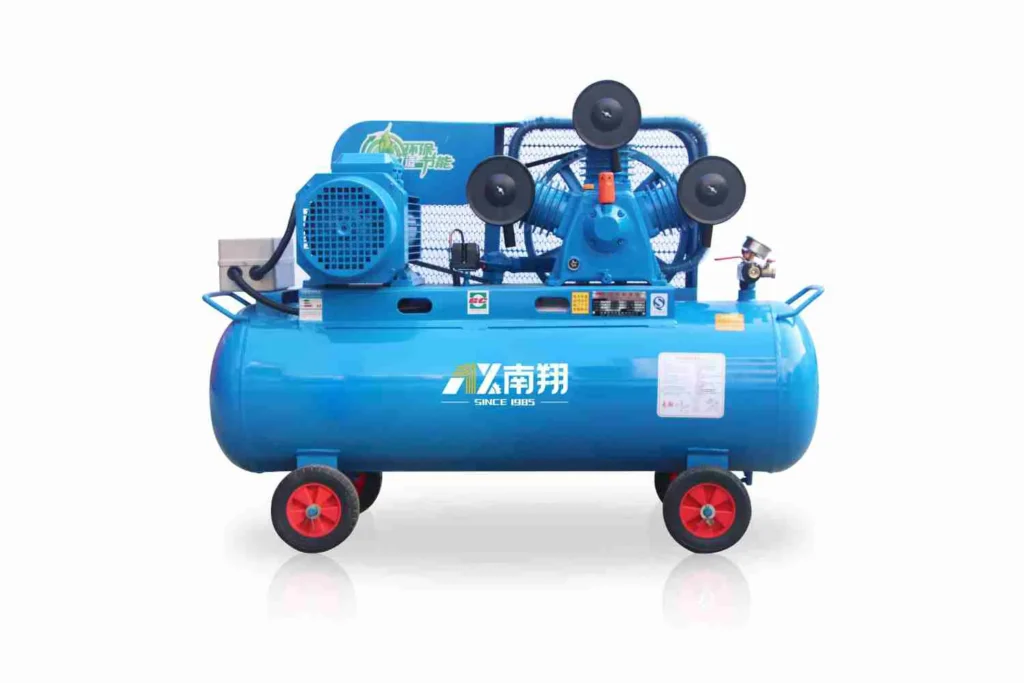
It is easy to overlook the steady, rhythmic hum of machinery in a factory or the sudden hiss of air on a construction site. Yet, behind those sounds lies the backbone of modern productivity: industrial air compressors. These aren’t just tools; they are essential energy converters that turn simple atmospheric air into a potent force capable of driving heavy-duty assembly lines or delicate medical instruments. The sheer versatility of compressed air makes it the “fourth utility,” right alongside electricity, water, and gas.
The Growing Role in Sustainable Transportation
The shift toward a greener planet has placed a unique spotlight on the automotive sector. While we often talk about batteries, the production side relies heavily on industrial air compressors to make the “green car” dream a reality.
In the production of electric vehicles (EVs), precision is everything. Compressed air is used for:
- Battery Cell Assembly: Ensuring a contaminant-free environment is vital, often requiring oil-free air.
- Robotic Painting: Achieving that perfect, aerodynamic finish on a Tesla or a Rivian requires consistent air pressure that doesn’t fluctuate.
- Pneumatic Tools: Most assembly line robots use air-driven actuators because they are lighter and cooler than electric motors.
It’s an interesting observation that as we move away from internal combustion, the reliance on high-quality compressed air actually increases to handle the sophisticated materials involved in EV builds.

Powering the Future: Solar and Electronics
When it comes to high-tech manufacturing, the air has to be more than just “compressed”—it has to be incredibly clean. Any tiny speck of oil or moisture can ruin a silicon wafer or a solar panel.
The solar industry is a heavy user of industrial air compressors. During the manufacturing of photovoltaic cells, compressed air is used to clean surfaces, move delicate glass sheets via vacuum suction, and apply coatings. There is a certain irony in using traditional industrial machinery to create the tools for renewable energy, but the efficiency gains in modern compressors make this a net positive for the environment.

In the world of microchips, the stakes are even higher. Even a microscopic drop of moisture from an air line could cause a short circuit. This is why many electronics firms invest in ultra-dry, class-0 certified air systems. It isn’t just about power; it’s about the purity of the medium.
Precision and Power: Laser Cutting and Construction
On the more “rugged” side of the spectrum, industrial air compressors provide the raw force needed to shape steel or build skyscrapers.
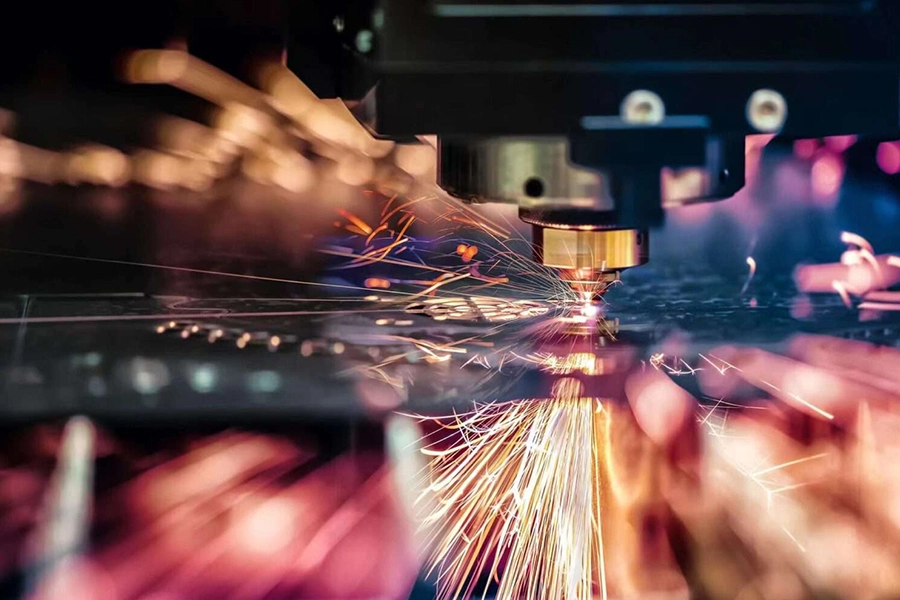
A common misconception is that a laser does all the work alone. In reality, “assist gases” are crucial. Compressed air is often used to blow away molten material from the kerf (the cut), ensuring a clean edge. Without a steady stream of air, the laser would simply melt the metal into a messy blob rather than a precise part.
Walk by any major infrastructure project, and you’ll see portable but powerful industrial air compressors. They are the lifeblood of the site, powering:
- Jackhammers and rock drills.
- Pneumatic nailing guns for framing.
- Sandblasting equipment for cleaning old surfaces.
- Concrete spraying (shotcrete) for tunnels and foundations.
Vital Support in the Medical Field
Perhaps the most critical application is one we hope never to need personally. In hospitals, the air isn’t just for tools; sometimes, it’s for breathing.
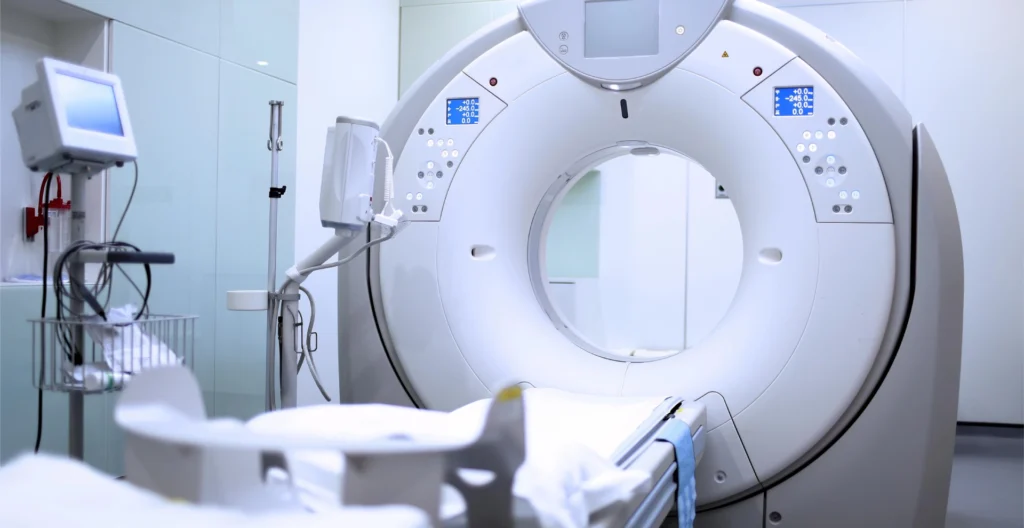
Medical facilities utilize specialized industrial air compressors to provide “Medical Air.” This is air that has been filtered and dried to extreme standards to ensure it is safe for patient ventilation. Additionally, dentists use small, incredibly quiet compressors to power those high-pitched drills we all know too well. It’s a bit of a marvel how the same technology that breaks up a sidewalk can also be refined enough to operate on a human tooth.
Comparing Compressor Needs Across Sectors
To better understand why a “one size fits all” approach doesn’t work, let’s look at the varying requirements across these industries.
| Industry | Primary Requirement | Common Compressor Type | Key Benefit |
|---|---|---|---|
| Green Vehicles Manufacturing | High Volume Air Supply | Rotary Screw Compressor | Reliable operation for 24/7 automated production lines |
| Medical Industry | Oil-Free & High Purity Air | Scroll or Reciprocating (Oil-Free) | Ensures patient safety and regulatory compliance |
| Electronics Manufacturing | Low Dew Point & Dry Air | Oil-Free Screw Compressor | Protects sensitive components and extends equipment life |
| Construction & Infrastructure | Portability & Durability | Diesel-Driven Portable Compressor | Stable performance in remote and harsh environments |
| Laser Cutting Industry | High Pressure & Clean Air | High-Pressure Reciprocating Compressor | Improves cutting precision and edge quality |
Why choosing the right Industrial Air Compressors matters
Selecting the right equipment isn’t just a matter of “buying a big tank.” It’s about matching the CFM (Cubic Feet per Minute) and PSI (Pounds per Square Inch) to the specific task. An undersized unit in a construction setting will lead to “tool lag,” where the crew has to wait for the tank to refill—a massive waste of labor costs. Conversely, using a dirty, oil-lubricated compressor in a medical or electronics setting could result in millions of dollars in ruined product or, worse, safety risks.
Energy Efficiency and Maintenance
Modern industrial air compressors are becoming much smarter. Variable Speed Drive (VSD) technology is a game changer here. Instead of running at 100% power all the time, the compressor slows down or speeds up based on the actual demand. In a solar power plant or a car factory, this can save thousands of dollars in electricity every month. It’s one of those things where the initial investment seems high, but the “payback” happens faster than most people realize.
Common Maintenance Considerations
To keep these machines running, a few things are non-negotiable:
- Drainage: Moisture is the enemy of any pneumatic system.
- Filter Changes: Especially in dusty environments like construction.
- Cooling: Compressors generate a lot of heat; they need room to “breathe.”
Final Thoughts
From the quiet, sterile hallways of a hospital to the sparks flying in a laser cutting shop, industrial air compressors are the unsung heroes of the global economy. They adapt to the environment, whether that means providing high-pressure blasts for heavy construction or ultra-pure air for the latest green car technology. As industries continue to evolve toward automation and sustainability, the demand for smarter, cleaner, and more efficient compressed air solutions will only continue to grow. It is, quite literally, the force that keeps the world moving.
For more information about industrial air compressor, plz check our guide: Industrial Air Compressor: The Ultimate Guide for 2026.