
Elegir el compresor adecuado no consiste simplemente en seleccionar una máquina que quepa en tu espacio de trabajo. Se trata de ajustar el caudal de aire, la presión, la capacidad del depósito, el ciclo de trabajo y las necesidades de la aplicación, para que el sistema funcione de forma fiable cada día. En talleres, fábricas y obras de construcción, un compresor de tamaño inadecuado puede provocar caídas de presión constantes, ralentizar la producción, aumentar el consumo energético y generar problemas de mantenimiento que se podrían evitar.
El tamaño de un compresor de aire viene determinado por la demanda de aire de tus herramientas, la presión en PSI requerida, el caudal en CFM necesario y el tiempo que el compresor debe funcionar durante la operación. El tamaño adecuado no siempre es el de la unidad más grande, sino aquel que ofrece un equilibrio entre rendimiento, eficiencia y la carga de trabajo real de tu aplicación.
Esta guía explica cómo funciona el dimensionamiento de los compresores, qué significan los términos técnicos clave y cómo seleccionar una máquina que se adapte a tus necesidades operativas reales.
¿Qué significan realmente las medidas de los compresores de aire?
Las dimensiones de los compresores de aire se refieren a la capacidad del compresor para suministrar aire, que suele definirse en función del volumen del depósito, el caudal de aire, la presión nominal y el ciclo de trabajo, más que por su tamaño físico únicamente. Una máquina más grande no es necesariamente mejor si no se ajusta a los requisitos de la herramienta o del sistema.
Cuando los compradores comparan compresores, suelen fijarse en el tamaño del depósito porque es un dato fácil de entender. Sin embargo, la capacidad del depósito es solo una parte del conjunto. Para determinar el tamaño adecuado, hay que tener en cuenta:
- CFM: pies cúbicos por minuto, o caudal de aire
- PSI: libras por pulgada cuadrada, o presión de salida
- Capacidad del depósito: la cantidad de aire almacenado que puede contener la unidad
- Ciclo de trabajo: el tiempo que el compresor puede funcionar de forma segura
- Tiempo de recuperación: la rapidez con la que la unidad vuelve a llenar el depósito
Un compresor compacto con un caudal nominal en CFM adecuado puede resultar más eficaz que un modelo con depósito más grande pero con un flujo de aire débil. Por eso, el tamaño del compresor siempre debe evaluarse en función de la aplicación, y no de su aspecto.
Por qué el tamaño del depósito por sí solo puede resultar engañoso
El tamaño del depósito ayuda a almacenar aire comprimido, pero no genera aire por sí mismo. Si una herramienta consume aire más rápido de lo que el compresor puede suministrarlo, el depósito acabará vaciándose, por muy grande que sea.
Por ejemplo:
- Un depósito de gran capacidad puede resultar útil con herramientas de trabajo de corta duración.
- Un depósito pequeño puede seguir siendo adecuado para tareas intermitentes si el caudal de aire es suficiente.
- Un compresor de poca potencia con un depósito grande puede fallar aun así si se utiliza de forma continuada
Esto es especialmente importante en entornos de producción, donde las herramientas pueden funcionar con frecuencia a lo largo del día. En esos casos, el caudal de aire suministrado es más importante que el volumen de almacenamiento.
Las principales variables de dimensionamiento
Las variables más importantes para el dimensionamiento son:
- Consumo de aire de las herramientas
- Presión de funcionamiento necesaria
- Frecuencia de uso
- Número de herramientas que se ejecutan al mismo tiempo
- Potencia disponible y espacio de instalación
Estas variables ayudan a determinar si necesitas una unidad portátil para trabajos ligeros, un sistema de tamaño medio para uso general en taller o un compresor industrial de gran tamaño para la producción continua.
¿Cómo se elige el tamaño adecuado del compresor para tus herramientas?
Para elegir un compresor del tamaño adecuado para tus herramientas, compara los valores de PSI y CFM que requiere cada herramienta con la potencia nominal del compresor y, a continuación, elige un modelo con suficiente capacidad de reserva para el uso en la práctica. De este modo, se evita elegir un compresor de capacidad insuficiente, la inestabilidad de la presión y el desgaste prematuro.
Todas las herramientas neumáticas tienen unos requisitos de aire. Algunas herramientas necesitan alta presión pero bajo caudal de aire, mientras que otras necesitan un gran volumen de aire. El compresor debe cumplir ambas condiciones. Si la máquina no puede mantener la presión bajo carga, el rendimiento disminuye rápidamente.
Un proceso práctico de determinación de tallas se desarrolla de la siguiente manera:
- Comprueba los requisitos de presión (PSI) de la herramienta
- Comprueba el consumo de aire (CFM) de la herramienta
- Suma la demanda de todas las herramientas si se van a ejecutar más de una.
- Añade un margen para la pérdida de presión, la longitud de la manguera y las fugas del sistema
- Elige un compresor con un poco más de capacidad
Categorías habituales de herramientas y requisitos de tamaño
| Categoría de herramientas | Demanda típica de aire | Uso típico |
|---|---|---|
| Aerógrafo / inflador | Bajo CFM, bajo PSI | Uso ligero, ráfagas cortas |
| Clavadora de clavos planos / clavadora de acabado | CFM bajo a moderado | Carpintería e instalación |
| Llave de impacto | CFM moderado | Mantenimiento y reparación |
| Pistola pulverizadora | CFM de moderado a alto | Pintura y acabados |
| Herramientas de lijado | Alto caudal (CFM) | Uso continuado en talleres |
| Martillo neumático o herramienta pesada | CFM muy alto | Uso industrial y en la construcción |
Cuanto más aire consuma una herramienta de forma continua, más importante resulta la capacidad de recuperación del compresor. Un compresor que funciona bien con una clavadora de uso intermitente puede que no sea adecuado para lijar o pintar.
Por qué el caudal de aire (CFM) real es más importante que los caballos de potencia anunciados
La potencia en caballos de vapor no es, por sí sola, un método fiable para determinar el tamaño adecuado. Dos compresores con la misma potencia en caballos de vapor pueden ofrecer un caudal en CFM muy diferente en función del diseño de la bomba, su eficiencia y la presión de funcionamiento.
Por eso, los compradores deberían centrarse en:
- caudal de aire (CFM) a la presión de trabajo (PSI)
- no solo el tamaño del motor
- no solo el volumen del depósito
- no solo afirmaciones sobre un rendimiento óptimo
Si deseas una referencia objetiva sobre los conceptos y la eficiencia del aire comprimido, el Departamento de Energía de EE. UU. ofrece material técnico útil a través de su Sistemas de aire comprimido recursos.
¿Qué tamaños de compresores de aire son adecuados para las aplicaciones más habituales?
Las diferentes aplicaciones requieren compresores de aire de distintos tamaños, y la mejor opción depende de si el trabajo que se va a realizar es de baja, media o alta intensidad. Elegir el compresor adecuado para cada tarea prolonga la vida útil de las herramientas, reduce el tiempo de inactividad y evita el desperdicio de energía.
Compresores pequeños para trabajos ligeros
Los compresores pequeños se utilizan habitualmente para:
- inflación
- pintura con aerógrafo
- clavado con clavos de cabeza plana
- clavadoras de acabado
- limpieza del polvo
- actividades de ocio
Estos aparatos suelen ser compactos y portátiles. Son ideales para un uso intermitente, en el que el compresor puede recargarse entre breves periodos de funcionamiento. En un taller pequeño, un compresor de uso ligero suele ofrecer el mejor equilibrio entre comodidad y coste.
Sin embargo, los compresores pequeños no están diseñados para un funcionamiento continuo con una demanda elevada. Si utilizas una pistola pulverizadora, una amoladora o una lijadora, es posible que el sistema tenga dificultades para seguir el ritmo.
Compresores medianos para uso general en talleres
Los compresores de tamaño medio son una opción ideal para muchos entornos comerciales y talleres. Se suelen utilizar para:
- carpintería
- montaje de muebles
- mantenimiento de vehículos
- pequeñas tareas de fabricación
- uso repetido de la clavadora
Estos compresores suelen ofrecer un mayor caudal de aire, una recuperación más potente y un funcionamiento más estable que las unidades compactas. Para muchos compradores del sector B2B, esta es la categoría más práctica, ya que cubre una amplia gama de trabajos sin necesidad de una instalación industrial completa.
Un sistema de tamaño medio puede ser la opción adecuada si:
- Un operario utiliza las herramientas la mayor parte del tiempo
- La estabilidad ante la presión es importante
- El compresor debe ser razonablemente fácil de transportar.
- La carga de trabajo es moderada, pero frecuente.
Compresores de gran tamaño para uso industrial y de alta resistencia
Los compresores de gran tamaño están destinados a:
- líneas de producción en continuo
- talleres para varios participantes
- grandes obras de construcción
- sistemas de pintura con mayor consumo de aire
- equipos de procesamiento industrial
Estos sistemas suelen caracterizarse por una mayor capacidad del depósito, un mayor caudal de aire (CFM) y ciclos de trabajo más resistentes. Son más adecuados para entornos en los que el compresor debe suministrar aire durante largos periodos de tiempo sin interrupciones frecuentes.
En estos casos, el compresor forma parte del sistema de producción, no es solo una herramienta auxiliar. Esto significa que el coste de elegir un compresor de capacidad insuficiente puede ser elevado debido al tiempo de inactividad, a una producción irregular y a las dificultades de mantenimiento.
¿Cómo se relacionan entre sí la presión (PSI), el caudal (CFM) y el tamaño del depósito?
Es necesario evaluar conjuntamente el PSI, el CFM y el tamaño del depósito, ya que cada uno de estos factores influye en el rendimiento del compresor en condiciones reales de trabajo. El PSI indica el nivel de presión, el CFM indica la cantidad de aire suministrada y el tamaño del depósito indica durante cuánto tiempo el aire almacenado puede alimentar el uso de las herramientas.
PSI: presión de salida
El PSI es la fuerza con la que se suministra el aire. Muchas herramientas requieren un rango de presión específico para funcionar correctamente. Si el PSI es demasiado bajo, es posible que la herramienta deje de funcionar correctamente. Si es demasiado alto, la herramienta podría sufrir daños o el operario podría enfrentarse a problemas de seguridad.
Ejemplos típicos:
- Algunas clavadoras funcionan a una presión de entre 70 y 120 PSI.
- Las herramientas de pulverización pueden requerir una presión estable dentro de un rango determinado.
- Las herramientas industriales pueden necesitar una presión regulada más alta.
Sigue siempre las especificaciones de la herramienta en lugar de ir a ciegas.
CFM: caudal de aire
El CFM es el parámetro de dimensionamiento más importante para muchas aplicaciones neumáticas. Indica la cantidad de aire que puede mover el compresor. Si el compresor no puede suministrar suficiente CFM, el sistema perderá presión, especialmente durante un funcionamiento repetitivo o continuo.
Una buena regla es elegir un compresor que proporcione más CFM de los que requiere la herramienta. Esta reserva ayuda a:
- pérdidas por fugas
- filtraciones
- uso simultáneo de herramientas
- recuperación de presión
Capacidad del depósito: reserva de aire
La capacidad del depósito determina la cantidad de aire almacenado disponible antes de que el motor tenga que volver a ponerse en marcha. Resulta especialmente útil cuando una herramienta utiliza aire en ráfagas cortas o cuando un sistema necesita suavizar las fluctuaciones de presión.
| Tamaño del depósito | Mejor caso de uso | Puntos fuertes | Limitaciones |
|---|---|---|---|
| 1–6 galones | Tareas pequeñas, inflado, clavadoras ligeras | Portátil, compacto | Reserva limitada |
| 6–20 galones | Uso general en talleres | Equilibrado, versátil | No es ideal para un uso prolongado y continuo |
| 20-60 galones | Uso frecuente de la herramienta | Mayor estabilidad de la presión | Menos fácil de transportar |
| Más de 60 galones | Uso industrial | Gran reserva, firme apoyo | Requiere espacio y una planificación de la instalación |
La capacidad del depósito ayuda a satisfacer la demanda a corto plazo, pero no sustituye a una capacidad de flujo de aire adecuada.
¿Qué tamaño de compresor es el más adecuado para cada entorno de trabajo?
El tamaño ideal del compresor depende de si el sistema se utiliza en una instalación móvil, en un taller o en un entorno de producción que requiera un flujo de aire constante. El modo de trabajo es tan importante como las especificaciones técnicas.
Aplicaciones móviles y de campo
En el trabajo móvil, la portabilidad suele ser la máxima prioridad. El compresor debe ser fácil de trasladar, de arranque rápido y capaz de alimentar la herramienta prevista sin mermar la productividad.
Algunos buenos ejemplos son:
- instalación de molduras
- mantenimiento ligero
- pequeños trabajos de reparación
- trabajos con clavadora intermitente
En estos casos, puede ser adecuado utilizar un compresor más pequeño si la tarea es breve y la demanda de caudal de aire es limitada.
Aplicaciones para talleres y servicios
Los talleres suelen necesitar un sistema más equilibrado. El compresor debe soportar un uso repetido a lo largo del día y proporcionar suficiente reserva para evitar fluctuaciones frecuentes de presión.
Este entorno suele beneficiarse de:
- capacidad media del depósito
- recuperación fiable
- CFM a presión de salida
- reducir el ruido siempre que sea posible
Si en tu taller se utilizan varias herramientas neumáticas, no te limites a una sola máquina y ten en cuenta la demanda total durante un turno.
Aplicaciones industriales y de producción
En entornos industriales, el dimensionamiento de los compresores debe tener en cuenta el funcionamiento continuo, la presencia de múltiples usuarios y el mayor riesgo que supone la aparición de caídas de presión. Los sistemas de producción suelen necesitar más de un compresor de uso general.
La planificación debería incluir:
- demanda total de aire
- periodos de máxima demanda
- expansión futura
- intervalos de mantenimiento
- redundancia del sistema si el tiempo de inactividad resulta costoso
Para estos usuarios, la elección del compresor es una decisión operativa, no solo una compra.
¿Qué tipo de compresor debes elegir según el tamaño?
El tipo de compresor adecuado depende del perfil de funcionamiento, las preferencias de mantenimiento y los requisitos de calidad del aire de la aplicación. El tamaño es solo uno de los factores a tener en cuenta; el diseño del compresor también influye en su valor a largo plazo.
Compresores lubricados por aceite
En compresor de aire de pistón lubricado con aceite Suele ser una opción muy adecuada para trabajos exigentes, ya que normalmente está diseñado para ofrecer durabilidad y un uso habitual. Estos equipos se eligen con frecuencia para talleres y entornos industriales, donde el compresor puede funcionar con frecuencia y es importante que tenga una vida útil prolongada.
Entre las ventajas más comunes se incluyen:
- gran durabilidad
- más adecuado para un uso frecuente
- rendimiento estable en entornos exigentes
- a menudo adecuado para necesidades de suministro de aire a gran escala
Entre las consideraciones se incluyen:
- mantenimiento del aceite
- posibles problemas de contaminación en aplicaciones sensibles
- requisitos de instalación y mantenimiento
Compresores sin aceite
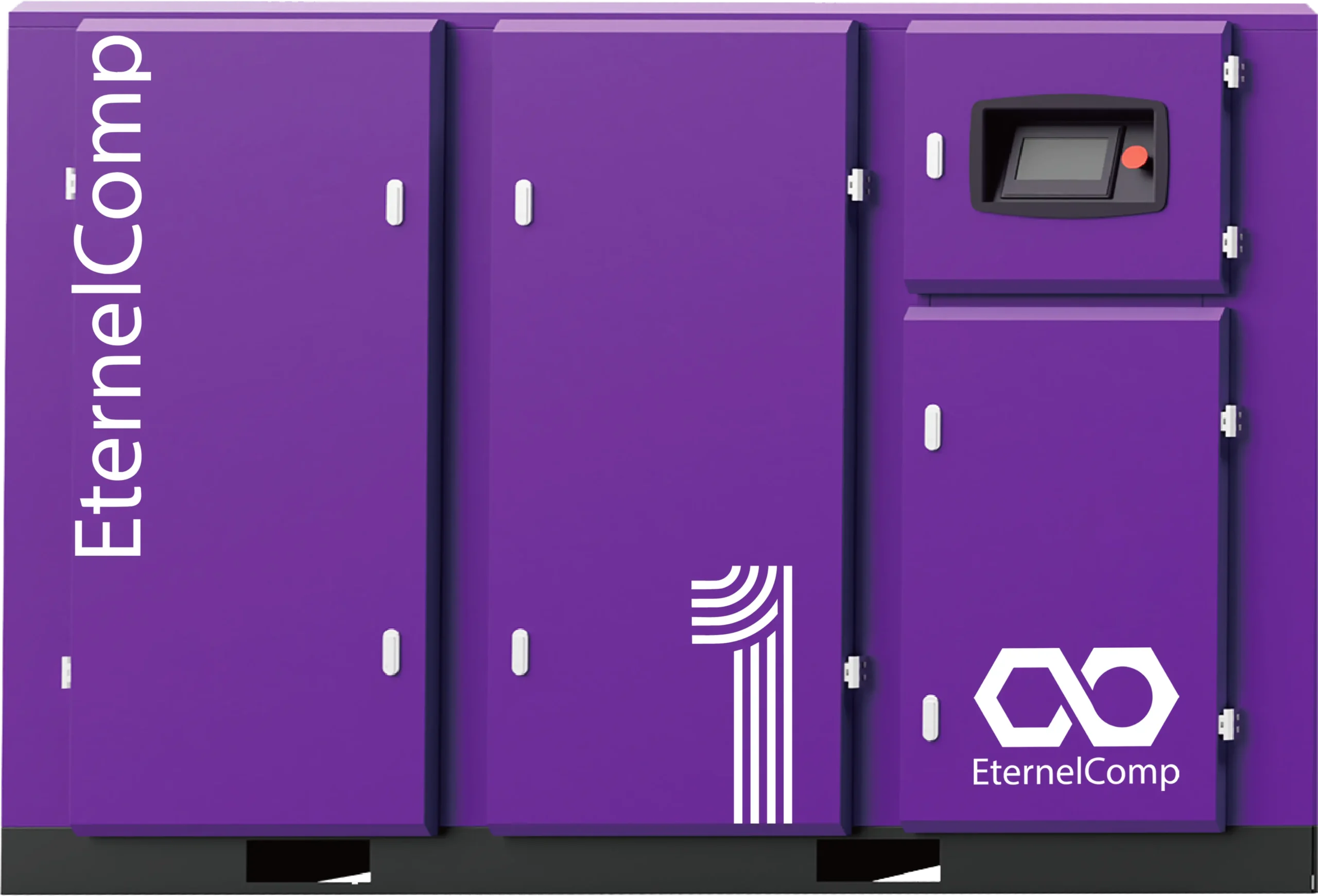
Compresores sin aceite Se suelen elegir cuando la facilidad de mantenimiento y un aire más limpio son prioritarios. Pueden ser una solución práctica para los usuarios que desean reducir el mantenimiento o que trabajan en entornos en los que no es deseable la presencia de residuos de aceite.
Entre las ventajas más comunes se incluyen:
- menor mantenimiento
- salida de aire más limpio
- un funcionamiento más sencillo para equipos más reducidos
- útil para un uso intermitente y de intensidad ligera a media
Entre las consideraciones se incluyen:
- pueden presentar características de desgaste diferentes
- No siempre es la mejor opción para un uso intensivo y continuo.
- La calidad de fabricación es muy importante
Elegir entre las dos
Utiliza esta sencilla guía para tomar decisiones:
- Elige el modelo lubricado con aceite si necesitas durabilidad, un funcionamiento prolongado y un uso intensivo.
- Elige un modelo sin aceite si priorizas la comodidad, un funcionamiento más limpio y un mantenimiento más sencillo.
Se deben seleccionar conjuntamente el tamaño adecuado y el tipo de compresor adecuado.
¿Cómo se calcula el tamaño adecuado de un compresor?
Puedes calcular el tamaño adecuado del compresor sumando la demanda de CFM de tus herramientas, comprobando los requisitos de PSI y eligiendo un compresor con suficiente reserva para un uso continuo. Este método es más fiable que limitarse a comparar el tamaño del depósito.
Método paso a paso para determinar la talla
- Enumera todas las herramientas que vas a utilizar
- Comprueba los requisitos de presión en PSI de cada herramienta
- Comprueba el consumo de aire (CFM) de cada herramienta
- Determina si las herramientas se ejecutan simultáneamente
- Añadir un margen de seguridad de 20% a 30%
- Compara el resultado con el caudal del compresor a la presión de trabajo.
Ejemplos de situaciones de dimensionamiento
| Escenario | Uso de herramientas | Sentido de giro recomendado para el compresor |
|---|---|---|
| Uso doméstico ligero | Clavadora de uso ocasional, inflado | Compresor pequeño |
| Instalación del taller | Clavadoras de acabado, grapadoras, limpieza ligera | Compresor pequeño o mediano |
| Trabajos de carpintería habituales | Uso repetido de la clavadora | Compresor mediano |
| Pintar o lijar | Demanda de flujo de aire continuo | Compresor más grande |
| Producción industrial | Varias herramientas y usuarios | Solución a gran escala o basada en un sistema |
Este método ayuda a los compradores a evitar gastar de más en unidades de tamaño excesivo o adquirir un compresor de potencia insuficiente que no pueda soportar el volumen de trabajo.

¿Qué errores deben evitar los compradores a la hora de comparar los tamaños de los compresores de aire?
Los errores más habituales son simplificar en exceso la compra, pasar por alto el caudal de aire a la presión de trabajo y no tener en cuenta la demanda futura. Estos errores suelen dar lugar a un rendimiento deficiente, incluso cuando el compresor parece adecuado sobre el papel.
Error n.º 1: Elegir únicamente en función del tamaño del depósito
Un depósito de gran capacidad no garantiza un buen rendimiento. Solo significa que la máquina tiene más aire almacenado. Si el compresor no puede rellenarlo con la suficiente rapidez, la ventaja del depósito desaparece.
Error n.º 2: Ignorar el patrón de uso de las herramientas
Una herramienta que se utiliza durante 5 segundos cada vez es muy diferente de otra que se utiliza de forma continua. Los compradores deben tener en cuenta lo siguiente:
- uso en ráfagas
- uso repetido
- uso continuado
- número de ciclos por minuto
Error n.º 3: Olvidarse de las pérdidas del sistema
El aire pasa a través de mangueras, acopladores, filtros y reguladores. Cada uno de estos componentes puede reducir la presión. Si la instalación no es eficiente, el compresor parecerá tener menos potencia de la esperada.
Error n.º 4: No planificar la expansión futura
Muchas empresas compran solo para cubrir las necesidades actuales. Más adelante, cuando incorporan más herramientas u operarios, el compresor se queda pequeño. A menudo es más sensato elegir una unidad con cierto margen de capacidad.
¿Cómo se puede elegir un tamaño que garantice la eficiencia a largo plazo?
El tamaño más eficiente de un compresor es aquel que satisface la demanda sin tener que funcionar a plena carga en todo momento. Cuando un compresor tiene el tamaño adecuado, tiende a funcionar con mayor suavidad, se recupera más rápido y reduce el desgaste innecesario.
La eficiencia a largo plazo depende de:
- ajuste correcto del CFM
- suministro estable de PSI
- reserva adecuada en el depósito
- selección adecuada del ciclo de trabajo
- un mantenimiento adecuado
Un compresor demasiado pequeño suele funcionar con demasiada frecuencia, lo que puede aumentar el calor, el desgaste y los costes de funcionamiento. Un compresor demasiado grande puede suponer un coste de adquisición y funcionamiento superior al necesario. La configuración ideal es aquella que ofrece un equilibrio.
Desde el punto de vista de las compras, los compradores B2B también deberían tener en cuenta lo siguiente:
- coste del ciclo de vida
- planificación del mantenimiento
- acceso al servicio
- consumo energético
- restricciones de instalación
Por eso, la elección del compresor debe considerarse una decisión tanto técnica como operativa.
Preguntas frecuentes
¿Cuál es el factor más importante a la hora de elegir el tamaño de un compresor de aire?
El CFM suele ser el factor más importante, ya que determina si el compresor puede suministrar suficiente aire a la herramienta a la presión de trabajo. El tamaño del depósito y los PSI también son importantes, pero el caudal de aire suele ser el factor decisivo.
¿Puedo utilizar un solo compresor para varias herramientas?
Sí, pero debes sumar la demanda de aire de todas las herramientas que puedan funcionar al mismo tiempo. Si la demanda total es demasiado elevada, el compresor podría perder presión y el rendimiento de las herramientas podría verse afectado.
¿Un compresor más grande es siempre mejor?
No siempre. Un compresor más grande puede ofrecer mayor capacidad de reserva y soportar un uso más intenso, pero si la aplicación es ligera, puede resultar más caro, menos eficiente e innecesario. La mejor opción es la que se adapta a la carga de trabajo real.