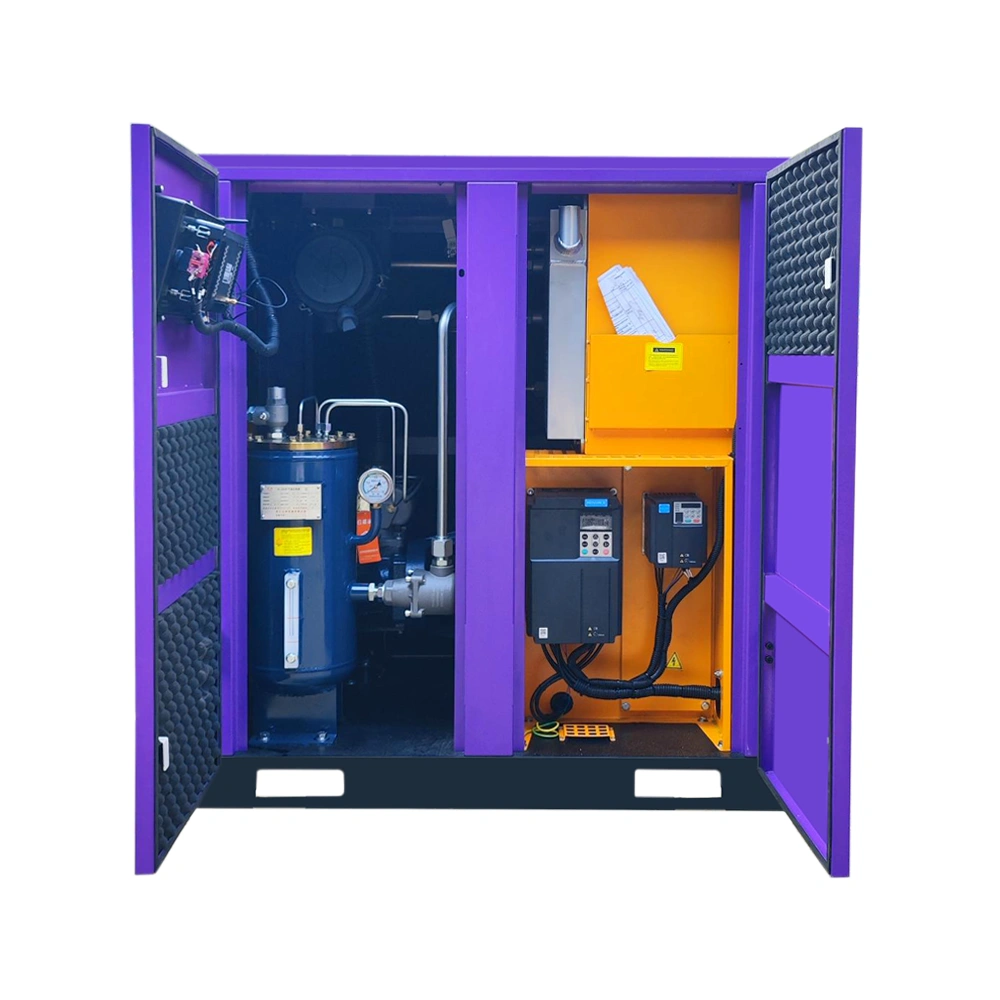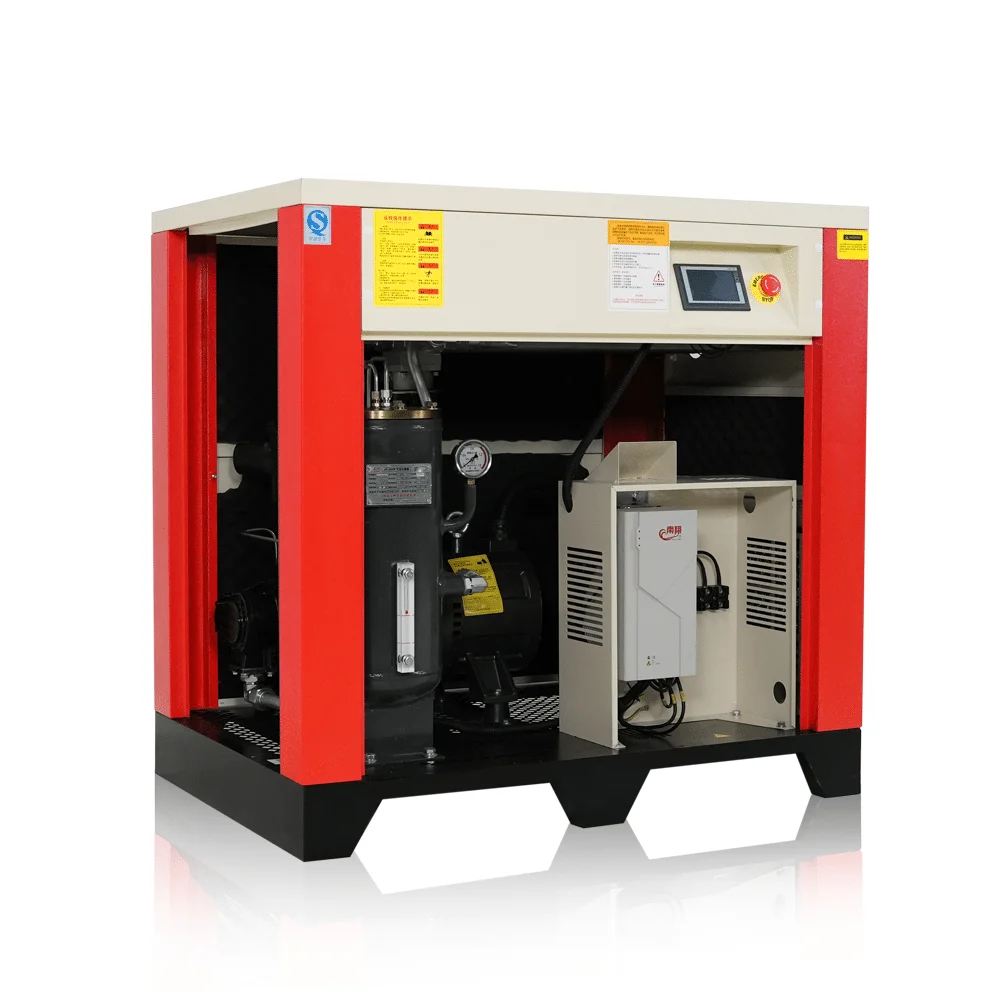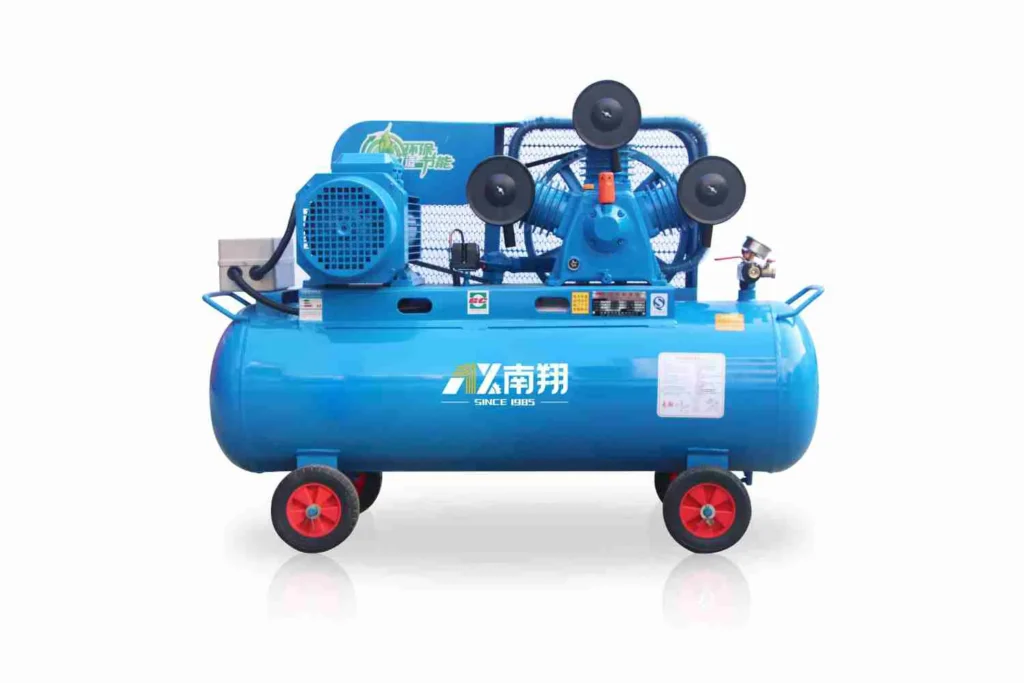
Choosing an air compressor for beverage applications blends practicality with a little field experience. The right unit supports reliable carbonation, smooth dispensing, and clean, safe operation. Observers note that the best choice balances airflow, pressure, and protection against moisture and impurities. In beverage setups, performance isn’t just about power; it’s about consistency, ease of use, and long-term reliability. This guide explores what to look for when evaluating an Air Compressor for Beverage, and how to align equipment with the specific needs of home kegerators, small commercial setups, or craft beverage stations.
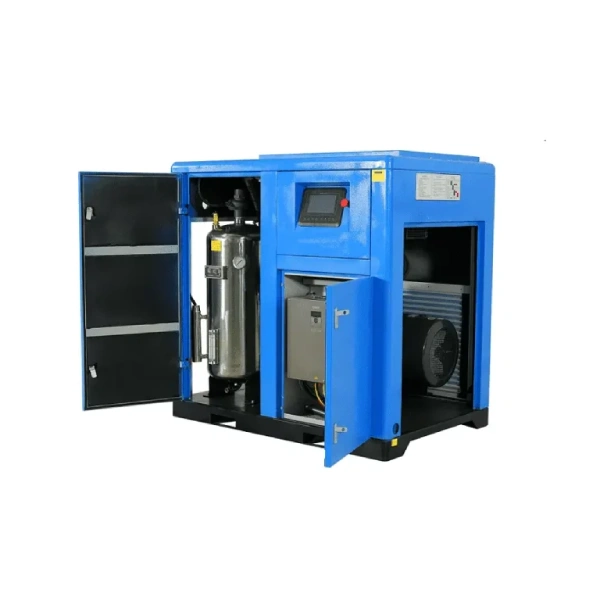
Understanding the basics of an Air Compressor for Beverage
An Air Compressor for Beverage is typically selected for clean, oil-free air delivery, stable pressure, and moisture control. In many scenarios, a compact pump with a reliable regulator and a built-in filter suffices. For carbonation and dispensing, the goal is steady performance rather than maximum raw horsepower. Observers notice that quieter operation and easier maintenance translate into fewer interruptions during service runs or home entertaining.
Key specifications to compare
To choose wisely, focus on a few core specs that clearly affect beverage outcomes:
• Air flow (CFM): Determines how quickly lines fill and maintain pressure during dispensing.
• Pressure (PSI): Sufficient range to handle carbonation levels and beverage lines without spiking.
• Filtration and oil-free design: Prevents contamination and preserves flavor.
• Moisture control: A built-in or add-on dryer minimizes foam and silt.
• Noise level: A quieter compressor improves the bar or kitchen environment.
The following table helps translate these specs into practical expectations for different setups.
| Spec | Why it matters for beverage use | Typical ranges | Practical note |
|---|---|---|---|
| CFM (airflow) | Affects fill rate and stability of draft lines | 2–5 CFM for home systems; 5–10 CFM for small bars | Choose based on line length and number of taps |
| PSI (pressure) | Needed for carbonation and dispensing pressures | 40–60 PSI common; higher for stout lines | Regulator helps maintain consistent output |
| Filtration | Keeps flavors clean and prevents deposits | Inline filters; oil-free designs preferred | Always use a filter in the line to beverage taps |
| Moisture control | Reduces foaming and mold risk in lines | Dryer or desiccant methods favored | Consider a moisture trap in-line |
| Noise level | Comfort during use, especially in homes | 40–70 dB common | Quieter models improve daily operation |
Using the Air Compressor for Beverage in different setups
Home carbonation and small kegs: Focus on 2–4 CFM, 40–60 PSI, and oil-free delivery. A compact unit with a simple regulator works well and keeps noise down.
Small commercial draft stations: Look for higher CFM (around 5–10), robust filtration, and a reliable dryer. This reduces foam and maintains consistent pours.
Cold-brew or coffee tap systems: Require smooth, low-velocity air with stable pressure. Prioritize moisture control and leak-free fittings.
Unclear compatibility can slow progress; always verify that hoses, fittings, and connections match the beverage equipment in use.
Choosing the right configuration
• Home setup: Oil-free, small footprint, integrated regulator, basic filtration.
• Cafe or microbrew: Higher CFM, enhanced filtration, • moisture control, and a more robust regulator.
• Portable or mobile bars: Lightweight, quiet, and simple to service.
Observations suggest that a modular approach often pays off: start with a base unit and add a dryer or extra filtration as needs grow.
Maintenance and safety
Regularly inspect for leaks and worn hoses.
Replace filters per manufacturer guidance to sustain air quality.
Drain moisture traps to prevent water accumulation in lines.
Keep the unit clean and dry; avoid exposure to extreme temperatures.
Cost considerations
Initial cost varies with capacity and features. A basic Air Compressor for Beverage may be affordable for home use, while commercial-grade models command higher prices but deliver longer lifespans and steadier performance. Factor in ongoing costs for filters, dryers, and possible warranty extensions.
FAQ
Do you always need an oil-free compressor for beverage use?
Oil-free designs are preferred to prevent flavor contamination and residue.
Is a dryer essential for carbonation?
A moisture control step helps reduce foaming and line corrosion over time.
Can one compressor handle multiple taps?
Yes, if the airflow and regulator setup meet the combined demand; otherwise consider a larger unit or staging.