Bagaimana cara mengatasi dilema minyak pada udara terkompresi?
Udara terkompresi merupakan komponen penting dalam produksi industri modern dan kehidupan berkualitas tinggi. Udara terkompresi digunakan secara luas di berbagai industri di seluruh dunia. Seiring dengan kemajuan sosial dan perkembangan industri, semakin banyak perusahaan yang memperhatikan kualitas udara terkompresi. Selain persyaratan terkait aliran udara terkompresi, tekanan, dan konsumsi daya, terdapat juga persyaratan yang berbeda terkait kualitas gas (debu, air, minyak). Selama proses produksi, sering ditemukan adanya minyak cair di ujung pasokan udara di bengkel, yang menimbulkan bahaya keselamatan yang besar dan secara serius mengganggu produksi yang aman, mengakibatkan kerugian yang besar.
Oli terkompresi yang ditemukan di udara terkompresi terutama berasal dari sistem pelumasan kompresor udara. Kandungan oli normal dalam knalpot kompresor udara ulir harus ≤3ppm. Jika melebihi 3ppm, ini dianggap sebagai sisa oli, dan dalam kasus yang lebih parah, kompresor udara dapat mengalami kebocoran oli. Penambahan oli pelumas secara teratur diperlukan untuk mengurangi jumlah oli yang mengalir ke bagian belakang kompresor udara, yang dapat menyebabkan masalah serius pada sistem pasca-pemrosesan, jaringan pipa, sistem drainase, dan peralatan penggunaan akhir. Sebagian kecil dari oli yang dikompresi juga berasal dari lingkungan atmosfer. Minyak ada di atmosfer kita, dan semakin tinggi tingkat polusi di kawasan industri, semakin tinggi pula kandungan minyak di lingkungan. Selama proses menghasilkan udara bertekanan, berbagai jenis minyak pelumas sisa dari kompresor udara, saluran pipa, dan katup pasti tercampur.
Bahaya kandungan minyak yang berlebihan dalam udara bertekanan
Penggunaan oli udara bertekanan dapat memberikan efek negatif terhadap kualitas dan masa pakai udara bertekanan. Mengubah kondisi pasca-pemrosesan dapat menyebabkan kualitas udara di bawah standar, menyebabkan masalah seperti keracunan oli pada adsorben pengering dan pada akhirnya mengakibatkan kegagalan peralatan. Selain itu, penggunaan oli udara bertekanan dapat mempercepat korosi dan karat pada pipa dan komponen pneumatik, yang memengaruhi presisi dan masa pakai peralatan pneumatik. Ketika udara bertekanan bersentuhan dengan produk atau produk setengah jadi, hal ini dapat sangat memengaruhi kualitas produk dan mengakibatkan kerugian biaya yang signifikan, terutama di industri seperti makanan, farmasi, dan semikonduktor.
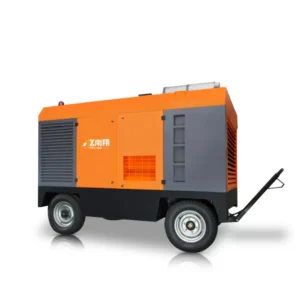
Analisis Penyebab Minyak Terbang Kompresor Udara
Untuk memastikan pengoperasian kompresor udara yang aman dan stabil, penting untuk memperkuat pemantauan dan pemeliharaan harian, dan segera mengatasi situasi abnormal apa pun untuk menghindari kerugian yang tidak perlu. Penyebab utama semprotan oli dari kompresor udara adalah sebagai berikut:
- Kompresor udara merupakan alat penting di banyak industri, tetapi dapat mengalami masalah dengan sistem pengembalian oli. Salah satu masalah yang umum terjadi adalah katup satu arah yang tersumbat atau tidak berfungsi, yang dapat menyebabkan oli berlebih mengalir kembali ke tangki oli dan kemudian bocor keluar dari kompresor selama pengoperasian. Masalah ini sering terlihat pada mesin yang tidak memiliki katup pemutus sirkuit oli dan katup satu arah di outlet pembuangan kompresor. Untuk mengatasinya, katup harus diperiksa dan dibersihkan dari kotoran, atau diganti jika rusak. Masalah lain dapat timbul jika pipa pengembalian oli bersudut dipasang terlalu tinggi atau tidak dimasukkan ke dalam celah bawah tangki oli, menyebabkan oli menumpuk dan bocor keluar bersama udara bertekanan. Menyesuaikan ketinggian pipa hingga 1-2mm di atas celah bawah dapat mengatasi masalah ini. Selain itu, pipa pengembalian oli yang rata yang menghalangi port pengembalian oli atau pipa pengembalian oli yang rusak juga dapat menyebabkan kebocoran oli dan memerlukan penggantian.
- Pemisah minyak dan gas dapat mengalami masalah yang berkaitan dengan komponen oli. Masalah ini dapat timbul akibat kegagalan mengganti oli secara teratur, menggunakan oli berkualitas rendah, atau prosedur pemasangan yang tidak benar seperti menusuk filter oli selama pemasangan pipa oli balik. Untuk mencegah masalah ini, penting untuk mengganti oli secara teratur dengan oli berkualitas tinggi dari produsen peralatan asli (OEM) dan mengikuti prosedur pemasangan yang benar.
- Ada dua masalah umum yang berkaitan dengan oli mesin: pengisian yang berlebihan dan pemilihan jenis oli yang salah. Pengisian yang berlebihan dapat menyebabkan konsumsi oli yang berlebihan karena sebagian oli dapat terbawa oleh aliran udara. Untuk menghindari hal ini, penting untuk mengisi oli ke tingkat yang benar, yang dapat dipantau melalui pengukur level oli. Untuk pemilihan oli, disarankan untuk memilih oli berkualitas tinggi yang sesuai untuk mesin spesifik Anda, berdasarkan panduan dari produsen.
- Masalah dengan kondisi operasi dapat timbul dari dua faktor utama. Pertama, jika terjadi penurunan tekanan yang signifikan, laju aliran dapat menjadi terlalu cepat, yang menyebabkan peningkatan beban oli. Kedua, jika suhu pengoperasian tidak dijaga dalam kisaran yang direkomendasikan yaitu 80-90 derajat, kandungan oli dapat meningkat seiring dengan meningkatnya suhu. Penting untuk memantau dan mempertahankan kondisi pengoperasian yang tepat untuk memastikan kinerja yang optimal dan umur panjang peralatan.
Metode pengolahan oli udara terkompresi
Metode pengolahan oli udara bertekanan melibatkan beberapa langkah untuk memastikan bahwa kompresor udara tidak melepaskan oli dalam jumlah yang berlebihan ke udara. Pertama, sumber oli harus diatasi untuk memastikan bahwa kandungan oli dalam udara terkompresi berada dalam tingkat normal (≤3PPm). Kedua, peralatan pasca-pemrosesan seperti tangki penyimpanan, filter, dan pengering harus dipelihara secara teratur untuk menghilangkan air dan minyak cair secara efektif. Untuk industri yang membutuhkan kandungan minyak rendah, kompresor bebas minyak dapat digunakan bersama dengan filter karbon aktif atau perangkat oksidasi katalitik. Terakhir, peralatan pemurnian yang andal harus dipasang untuk memastikan bahwa udara yang dikompresi cukup kering dan bersih untuk memenuhi persyaratan produksi.