Baik Kompresor Piston Berpelumas Minyak maupun Kompresor Sekrup Putar Berpelumas Minyak menghasilkan udara terkompresi. Hal itu sudah jelas. Namun, cara mereka menghasilkan udara terkompresi tersebut — serta bagaimana kinerjanya dari hari ke hari di lantai produksi — sangatlah berbeda. Perbedaan ini jauh lebih penting daripada yang diperkirakan oleh banyak pembeli pemula.
Perbandingan ini secara khusus berfokus pada mesin kompresor sekrup rotari berpelumas oli, karena jenis kompresor sekrup ini merupakan yang paling banyak digunakan dalam berbagai aplikasi industri umum. Bukan kompresor bebas oli. Bukan kompresor scroll. Kompresor sekrup berpelumas oli — jenis yang pada akhirnya menjadi pilihan sebagian besar perusahaan ketika kapasitas sistem piston mereka sudah tidak mencukupi lagi.
Bagaimana Sebenarnya Setiap Jenis Itu Bekerja
Kompresor Piston — Mesin Andalan yang Sudah Tak Asing Lagi
Kebanyakan orang setidaknya pernah melihat kompresor piston. Poros engkol menggerakkan satu atau lebih piston di dalam silinder. Udara tersedot masuk pada langkah turun, dikompresi pada langkah naik, dan didorong keluar melalui katup pembuangan. Konsepnya sederhana — dan kesederhanaan itulah yang menjadi salah satu daya tariknya.
Namun, aliran udaranya memang bersifat berdenyut. Setiap gerakan piston menghasilkan semburan udara terkompresi, itulah sebabnya kompresor piston hampir selalu dipasangkan dengan tangki penampung untuk meratakan alirannya. Model satu tahap mampu menangani tekanan sedang; sedangkan versi dua tahap mengompresi udara dua kali untuk menghasilkan tekanan PSI yang lebih tinggi.
Kendaraan-kendaraan ini berisik, sistem mekanisnya sederhana, dan tersedia di mana-mana.
Sekrup Putar Berpelumas Minyak — Dirancang untuk Pengoperasian Berkelanjutan
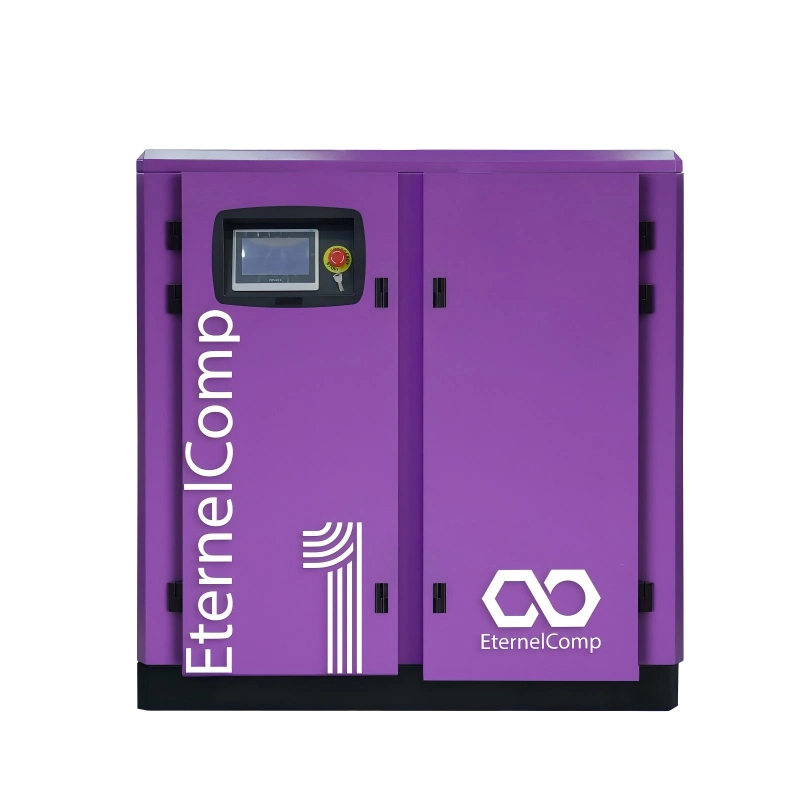
Kompresor sekrup bekerja dengan cara yang berbeda pada tingkat dasarnya. Dua rotor heliks — sepasang rotor jantan dan betina — saling bertautan di dalam rumah kompresor yang tertutup rapat. Saat berputar, udara terperangkap di antara lobus-lobus rotor dan dinding rumah kompresor, lalu secara bertahap terkompresi saat bergerak dari ujung hisap ke ujung buang.
Apa yang membuat kompresor udara sekrup putar berpelumas oli Yang menjadi ciri khasnya adalah sistem injeksi oli. Oli mengisi ruang kompresi selama proses operasi. Oli ini menutup celah-celah kecil di antara rotor, menyerap panas kompresi, dan melumasi bagian-bagian yang bergerak. Di bagian hilir, pemisah oli memisahkan oli dari udara sebelum udara tersebut mencapai sistem distribusi.
Hasilnya adalah aliran udara yang lancar dan terus-menerus — tanpa denyutan, tanpa siklus. Mesin-mesin ini dirancang untuk beroperasi sepanjang hari, setiap hari, tanpa jeda.
Perbedaan Utama — Perbandingan Samping-Samping
Di sinilah hal-hal mulai menjadi lebih konkret. Tabel di bawah ini merangkum perbedaan-perbedaan yang paling relevan bagi pengambilan keputusan antara kompresor piston dan kompresor sekrup dengan injeksi oli:
| Faktor | Kompresor Piston | Sekrup Putar Berpelumas Minyak |
|---|---|---|
| Siklus tugas | 50–70% (memerlukan waktu pendinginan) | 100% terus menerus |
| Pengiriman melalui udara | Berdenyut | Halus, konsisten |
| Tingkat kebisingan | 80–95 dB (keras) | 65–80 dB (jauh lebih senyap) |
| Umur pakai yang umum | 10–15 tahun (unit pompa) | 20–30+ tahun (unit kompresor) |
| Pemeliharaan | Lebih sering — katup, cincin, gasket | Lebih jarang — oli, filter, pemisah |
| Efisiensi energi | Cukup baik pada beban penuh; buruk pada beban sebagian | Model VSD sangat unggul dalam menangani permintaan yang bervariasi |
| Biaya awal | Lebih rendah | Lebih tinggi (seringkali 2–5 kali lipat untuk CFM yang serupa) |
| Tekanan maksimum | 300+ PSI (bertahap) | Biasanya 100–225 PSI |
| Paling cocok untuk | Penggunaan sesekali dan untuk beban ringan | Operasi industri yang berkelanjutan |
Beberapa perbedaan ini tampak sepele di atas kertas. Namun, dalam praktiknya, beberapa di antaranya — terutama siklus kerja dan efisiensi energi — menjadi faktor penentu utama dalam keputusan pembelian untuk operasi berskala besar.
Siklus Kerja — Perbedaan yang Sering Tak Disadari Orang
Ini mungkin merupakan faktor terpenting, dan sekaligus yang paling sering terlewatkan.
Kompresor piston tidak dirancang untuk beroperasi tanpa henti. Sebagian besar kompresor ini memiliki siklus kerja 50–70%, yang berarti kompresor tersebut memerlukan waktu istirahat untuk mendinginkan diri di antara siklus kompresi. Jika mesin piston dipaksa melampaui siklus kerja yang ditentukan — misalnya dengan mengoperasikannya secara terus-menerus untuk pekerjaan CNC, sandblasting, atau di bengkel yang sibuk — maka akan terjadi overheating, keausan cincin yang dipercepat, dan kegagalan dini. Terkadang hal ini terjadi dalam hitungan bulan.
Sebaliknya, kompresor sekrup rotari dirancang untuk pengoperasian 100%. Mengoperasikannya 24 jam sehari, 7 hari seminggu bukanlah penyalahgunaan — justru itulah tujuan penggunaannya. Untuk setiap operasi di mana kebutuhan udara terkompresi bersifat berkelanjutan, bukan sesekali, perbedaan ini saja sering kali sudah cukup untuk menyelesaikan perdebatan.
Total Biaya Kepemilikan — Lebih dari Sekadar Harga yang Tertera
Biaya Energi Menjadi Faktor Utama
Berikut ini angka yang mengejutkan banyak orang: listrik biasanya menyumbang 70–80% dari total biaya kompresor selama masa pakainya. Harganya? Hanya sebagian kecil dari biaya yang akan Anda keluarkan untuk mengoperasikannya.
Di sinilah kompresor sekrup dengan penggerak kecepatan variabel (VSD) benar-benar menunjukkan keunggulannya. Unit VSD menyesuaikan kecepatan motor naik dan turun secara real-time untuk menyesuaikan dengan kebutuhan udara aktual. Selama periode permintaan rendah, unit ini memperlambat kecepatan dan mengonsumsi daya yang lebih sedikit. Sebaliknya, mesin piston beroperasi dalam kondisi beban penuh atau kosong — atau menyala dan mati secara bergantian — sehingga membuang-buang energi saat beroperasi dalam kondisi beban sebagian.
Dalam jangka waktu pengoperasian selama 10 tahun, penghematan energi yang dihasilkan oleh kompresor sekrup dengan ukuran yang tepat dan dilengkapi VSD bisa sangat signifikan. Dalam banyak kasus, penghematan tersebut cukup untuk menutupi sepenuhnya biaya awal yang lebih tinggi.
Pemeliharaan dan Waktu Henti
Kompresor piston memiliki lebih banyak komponen yang rentan aus — cincin piston, katup, gasket, dan bantalan batang penghubung. Dalam penggunaan harian yang intensif, komponen-komponen ini memerlukan perawatan lebih sering. Kompresor sekrup memiliki lebih sedikit titik keausan mekanis, dan perawatannya sebagian besar bersifat rutin: penggantian oli, penggantian filter, serta penggantian elemen pemisah. Perawatan ini lebih dapat diprediksi, lebih mudah dijadwalkan, dan umumnya tidak terlalu mengganggu operasional.
Biaya yang timbul akibat waktu henti yang tidak direncanakan — pesanan yang terlewat, pekerja yang menganggur, jalur produksi yang terhenti — adalah hal yang jarang tercantum dalam perbandingan spesifikasi teknis, namun jelas terlihat dalam anggaran operasional yang sebenarnya.
Kapan Kompresor Piston Tetap Menjadi Pilihan yang Tepat
Akan tidak adil jika mengatakan bahwa kompresor piston sudah ketinggalan zaman. Sebenarnya tidak demikian. Dalam situasi tertentu, kompresor piston masih menjadi pilihan yang lebih tepat:
- Penggunaan sesekali untuk beban ringan — sebuah bengkel pertukangan kecil yang menggunakan pistol paku dan nosel pembersih udara.
- Persyaratan tekanan yang sangat tinggi — Mesin piston bertahap mampu mencapai tekanan yang tidak dapat dicapai oleh kompresor sekrup standar.
- Anggaran yang ketat dengan permintaan yang benar-benar rendah — jika kompresor hanya beroperasi beberapa jam seminggu, pertimbangan ekonomi dari mesin sekrup tidak membenarkan investasi tersebut.
- Portabilitas — Kompresor yang digunakan di lokasi kerja dan kompresor portabel sebagian besar menggunakan sistem piston.
Kesalahannya bukanlah memilih kompresor piston. Kesalahannya adalah memilih kompresor tersebut padahal aplikasinya sebenarnya membutuhkan pengoperasian terus-menerus, lalu bertanya-tanya mengapa kompresor itu terus-menerus mengalami kegagalan.
Jika Anda ingin mengetahui lebih lanjut tentang kompresor udara sekrup putar berpelumas oli, silakan baca Apa itu kompresor udara sekrup putar berpelumas oli?.
Pertanyaan yang Sering Diajukan
Apakah istilah "dilumasi dengan oli" berarti udara terkompresi tersebut akan mengandung oli?
Ya — sampai batas tertentu. Semua kompresor sekrup berminyak menghasilkan udara dengan kandungan minyak dalam jumlah sangat sedikit, biasanya berkisar antara 2–5 ppm setelah melewati pemisah minyak bawaan. Untuk sebagian besar penggunaan industri umum (peralatan pneumatik, silinder udara, pembersihan udara), hal ini sudah sangat memadai. Untuk aplikasi yang membutuhkan udara yang lebih bersih — pengemasan makanan, proses farmasi, pengecatan — filter koalesensi tambahan atau filter karbon aktif dapat mengurangi kandungan minyak hingga mendekati nol. Aplikasi yang benar-benar bebas minyak mungkin memerlukan kompresor kelas bebas minyak sepenuhnya.
Apakah kompresor sekrup rotari lebih sulit dirawat daripada model piston?
Tidak juga — ini lebih ke hal yang berbeda daripada lebih sulit. Pemeliharaan kompresor sekrup berpusat pada penggantian cairan, penggantian filter, dan penggantian elemen pemisah pada interval jam yang telah ditentukan. Proses ini dapat diprediksi dan dijadwalkan. Perawatan kompresor piston cenderung lebih reaktif — penggantian katup dipicu oleh penurunan kinerja, keausan cincin yang terdeteksi melalui peningkatan blow-by, serta kegagalan gasket yang menyebabkan kebocoran. Mesin sekrup cenderung lebih mudah dirawat secara rutin; sedangkan mesin piston cenderung menuntut kewaspadaan yang lebih tinggi.
Pada volume produksi berapa, peralihan dari kompresor piston ke kompresor sekrup mulai memberikan keuntungan?
Tidak ada batas CFM tunggal, tetapi terdapat ambang batas kasar yang diamati di banyak fasilitas: begitu udara terkompresi dibutuhkan secara konsisten selama lebih dari 6–8 jam per hari, batasan siklus kerja dan ketidakefisienan energi kompresor piston mulai menimbulkan biaya yang lebih tinggi daripada selisih harga kompresor sekrup. Bengkel yang beroperasi dalam dua shift atau lebih hampir selalu menemukan bahwa unit sekrup rotari dengan injeksi oli yang berukuran tepat akan mengembalikan investasinya dalam beberapa tahun melalui tagihan energi yang lebih rendah dan pengeluaran pemeliharaan yang berkurang.