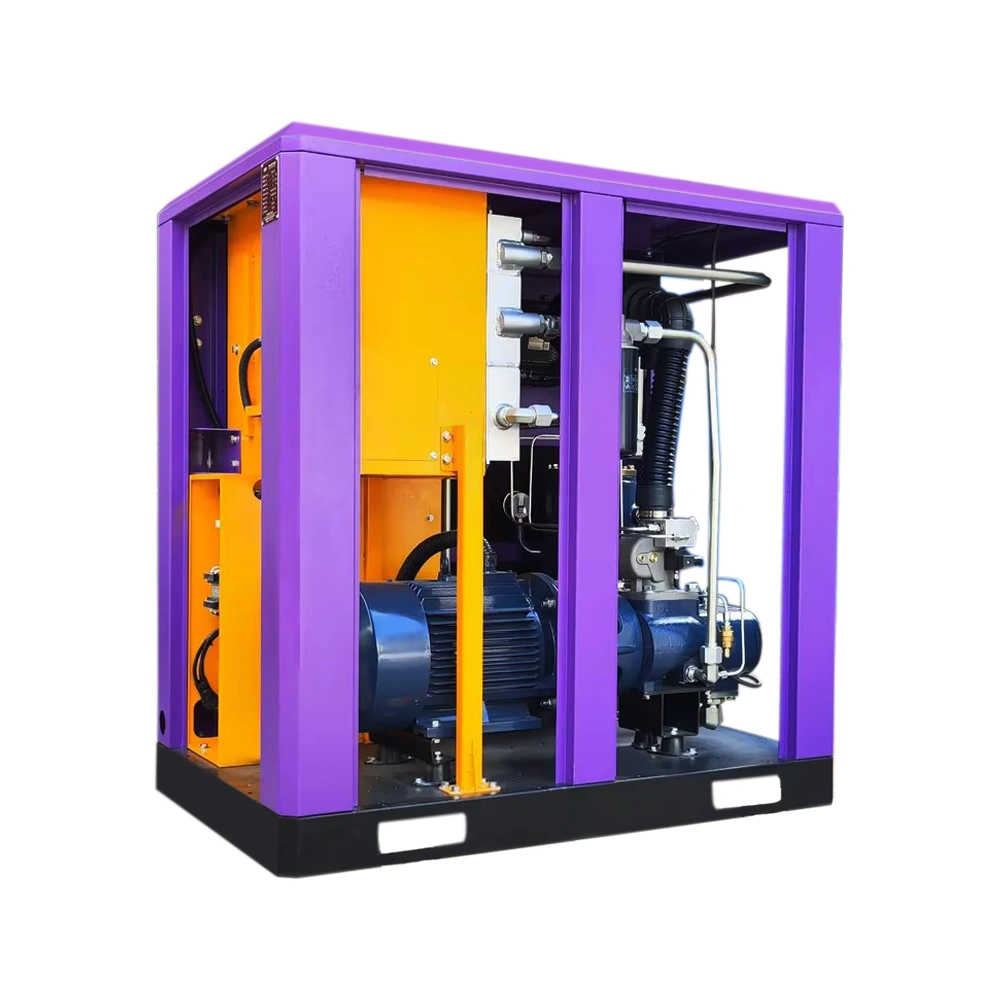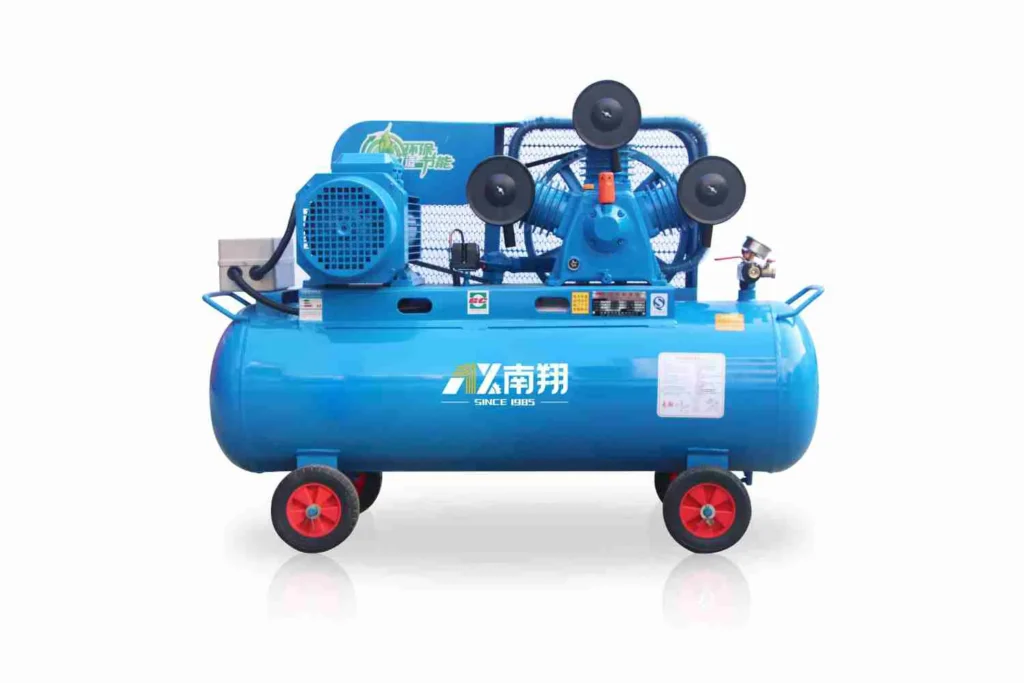
È facile trascurare il ronzio costante e ritmico dei macchinari in una fabbrica o il sibilo improvviso dell'aria in un cantiere. Eppure, dietro questi suoni si nasconde la spina dorsale della produttività moderna: compressori d'aria industriali. Non si tratta di semplici utensili, ma di essenziali convertitori di energia che trasformano la semplice aria atmosferica in una potente forza in grado di azionare linee di assemblaggio per carichi pesanti o delicati strumenti medici. La versatilità dell'aria compressa ne fa la “quarta utility”, accanto a elettricità, acqua e gas.
Il ruolo crescente del trasporto sostenibile
Il passaggio a un pianeta più verde ha posto sotto i riflettori il settore automobilistico. Sebbene si parli spesso di batterie, il lato della produzione si basa in larga misura su compressori d'aria industriali per trasformare il sogno dell“”auto verde" in realtà.
Nella produzione di veicoli elettrici (EV), la precisione è tutto. L'aria compressa viene utilizzata per:
- Gruppo batteria: È fondamentale garantire un ambiente privo di contaminanti, che spesso richiede aria priva di olio.
- Pittura robotica: Per ottenere una finitura aerodinamica perfetta su una Tesla o su una Rivian è necessaria una pressione dell'aria costante e senza fluttuazioni.
- Strumenti pneumatici: La maggior parte dei robot da catena di montaggio utilizza attuatori ad aria compressa perché sono più leggeri e più freschi dei motori elettrici.
È interessante notare che, man mano che ci allontaniamo dalla combustione interna, aumenta la dipendenza dall'aria compressa di alta qualità per gestire i materiali sofisticati coinvolti nella costruzione di veicoli elettrici.

Alimentare il futuro: Solare ed elettronica
Quando si tratta di produzione high-tech, l'aria deve essere più che “compressa”: deve essere incredibilmente pulita. Ogni minimo granello di olio o umidità può rovinare un wafer di silicio o un pannello solare.
L'industria solare è un grande utilizzatore di compressori d'aria industriali. Durante la produzione di celle fotovoltaiche, l'aria compressa viene utilizzata per pulire le superfici, spostare delicate lastre di vetro tramite aspirazione sotto vuoto e applicare i rivestimenti. L'utilizzo di macchinari industriali tradizionali per creare gli strumenti per le energie rinnovabili è un po' ironico, ma l'aumento dell'efficienza dei moderni compressori ne fa un vantaggio netto per l'ambiente.

Nel mondo dei microchip, la posta in gioco è ancora più alta. Anche una microscopica goccia di umidità in una linea d'aria potrebbe causare un cortocircuito. Ecco perché molte aziende del settore elettronico investono in sistemi d'aria ultra-secchi e certificati di classe 0. Non si tratta solo di potenza, ma anche di purezza dell'aria. Non si tratta solo di potenza, ma anche di purezza del mezzo.
Precisione e potenza: Taglio laser e costruzione
Sul lato più “robusto” dello spettro, compressori d'aria industriali forniscono la forza grezza necessaria per modellare l'acciaio o costruire grattacieli.
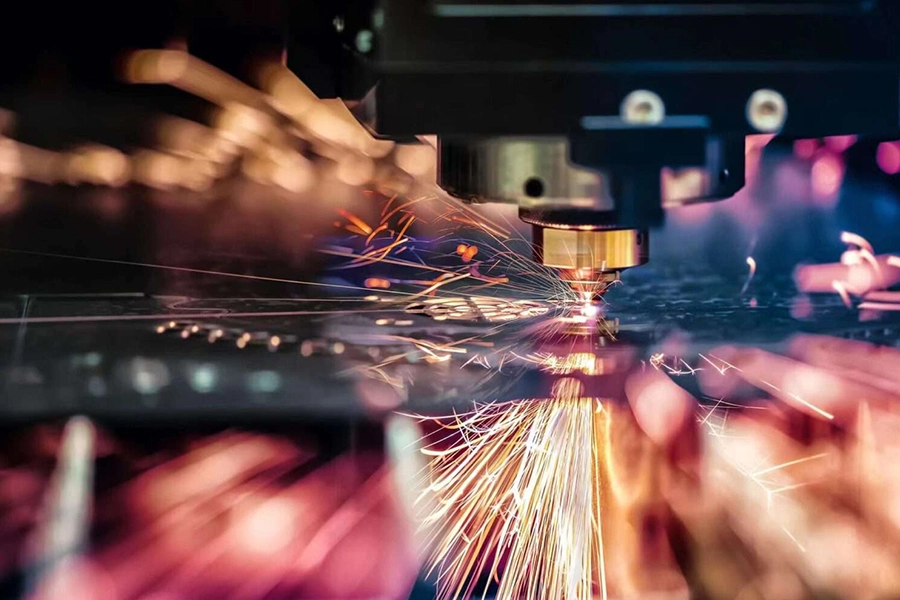
Un'idea sbagliata comune è che il laser faccia tutto il lavoro da solo. In realtà, i “gas di assistenza” sono fondamentali. L'aria compressa viene spesso utilizzata per soffiare via il materiale fuso dal kerf (il taglio), assicurando un bordo pulito. Senza un flusso d'aria costante, il laser fonderebbe il metallo in una massa disordinata piuttosto che in un pezzo preciso.
Passando davanti a un qualsiasi grande progetto infrastrutturale, si possono vedere dei progetti portatili ma potenti. compressori d'aria industriali. Sono la linfa vitale del sito, alimentano:
- Martelli pneumatici e trapani da roccia.
- Pistole chiodatrici pneumatiche per intelaiatura.
- Apparecchiature di sabbiatura per la pulizia di vecchie superfici.
- Spruzzatura di calcestruzzo (shotcrete) per gallerie e fondazioni.
Un supporto vitale in campo medico
Forse l'applicazione più critica è quella di cui speriamo di non avere mai bisogno personalmente. Negli ospedali, l'aria non serve solo per gli strumenti; a volte serve per respirare.
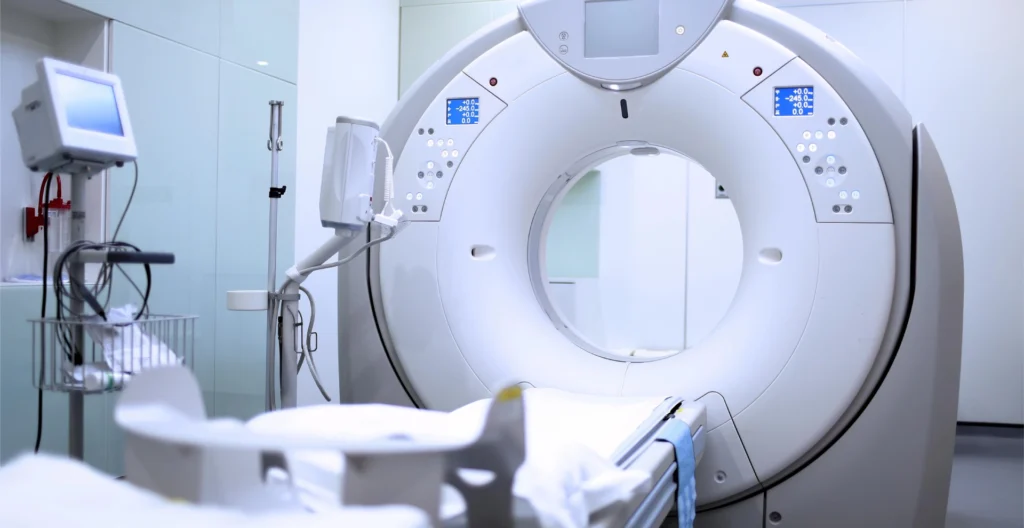
Le strutture mediche utilizzano strutture specializzate compressori d'aria industriali per fornire “aria medicale”. Si tratta di aria filtrata ed essiccata secondo standard estremi per garantire la sicurezza della ventilazione dei pazienti. Inoltre, i dentisti utilizzano piccoli compressori incredibilmente silenziosi per alimentare quei trapani acuti che tutti conosciamo bene. È un po' una meraviglia che la stessa tecnologia che rompe un marciapiede possa essere abbastanza raffinata da operare su un dente umano.
Confronto tra i fabbisogni di compressori dei vari settori
Per capire meglio perché un approccio “uguale per tutti” non funziona, analizziamo i diversi requisiti di questi settori.
| Industria | Requisito primario | Tipo di compressore comune | Vantaggi principali |
|---|---|---|---|
| Produzione di veicoli ecologici | Alimentazione ad alto volume d'aria | Compressore rotativo a vite | Funzionamento affidabile per linee di produzione automatizzate 24/7 |
| Industria medica | Aria senza olio e ad alta purezza | Scroll o Reciprocante (senza olio) | Garantisce la sicurezza del paziente e la conformità alle normative |
| Produzione elettronica | Basso punto di rugiada e aria secca | Compressore a vite senza olio | Protegge i componenti sensibili e prolunga la vita delle apparecchiature |
| Costruzioni e infrastrutture | Portabilità e durata | Compressore portatile a gasolio | Prestazioni stabili in ambienti remoti e difficili |
| Industria del taglio laser | Alta pressione e aria pulita | Compressore a pistoni ad alta pressione | Migliora la precisione di taglio e la qualità dei bordi |
Perché scegliere i compressori d'aria industriali giusti è importante
La scelta dell'attrezzatura giusta non è solo una questione di “acquisto di un serbatoio grande”. Si tratta di adattare la CFM (Cubic Feet per Minute) e la PSI (Pounds per Square Inch) al compito specifico. Un'unità sottodimensionata in un contesto di costruzione porterà a un “ritardo dell'attrezzo”, in cui la squadra deve aspettare che il serbatoio si riempia, con un enorme spreco di costi di manodopera. Al contrario, l'uso di un compressore sporco e lubrificato a olio in un ambiente medico o elettronico potrebbe comportare milioni di dollari in prodotti rovinati o, peggio, rischi per la sicurezza.
Efficienza energetica e manutenzione
Moderno compressori d'aria industriali stanno diventando molto più intelligenti. La tecnologia VSD (Variable Speed Drive) cambia le carte in tavola. Invece di funzionare sempre alla potenza di 100%, il compressore rallenta o accelera in base alla domanda effettiva. In un impianto di energia solare o in una fabbrica di automobili, questo può far risparmiare migliaia di dollari di elettricità ogni mese. È uno di quei casi in cui l'investimento iniziale sembra elevato, ma il ritorno dell'investimento è più rapido di quanto si pensi.
Considerazioni comuni sulla manutenzione
Per mantenere in funzione queste macchine, alcune cose non sono negoziabili:
- Drenaggio: L'umidità è il nemico di qualsiasi sistema pneumatico.
- Modifiche al filtro: Soprattutto in ambienti polverosi come l'edilizia.
- Raffreddamento: I compressori generano molto calore e hanno bisogno di spazio per “respirare”.”
Pensieri finali
Dai corridoi silenziosi e sterili di un ospedale alle scintille di un'officina di taglio laser, compressori d'aria industriali sono gli eroi non celebrati dell'economia globale. Si adattano all'ambiente, sia che si tratti di fornire soffi ad alta pressione per l'edilizia pesante, sia che si tratti di aria ultrapura per la più recente tecnologia delle auto ecologiche. Con la continua evoluzione delle industrie verso l'automazione e la sostenibilità, la domanda di soluzioni di aria compressa più intelligenti, pulite ed efficienti continuerà a crescere. È, letteralmente, la forza che fa muovere il mondo.
Per maggiori informazioni sul compressore d'aria industriale, consultate la nostra guida: Compressore d'aria industriale: La guida definitiva per il 2026.