Jangan lewatkan panduan wajib baca ini tentang kompresor udara listrik! Pelajari struktur dan prinsip kerjanya agar Anda dapat membuat keputusan yang tepat sesuai kebutuhan Anda.
Apa itu kompresor udara listrik?
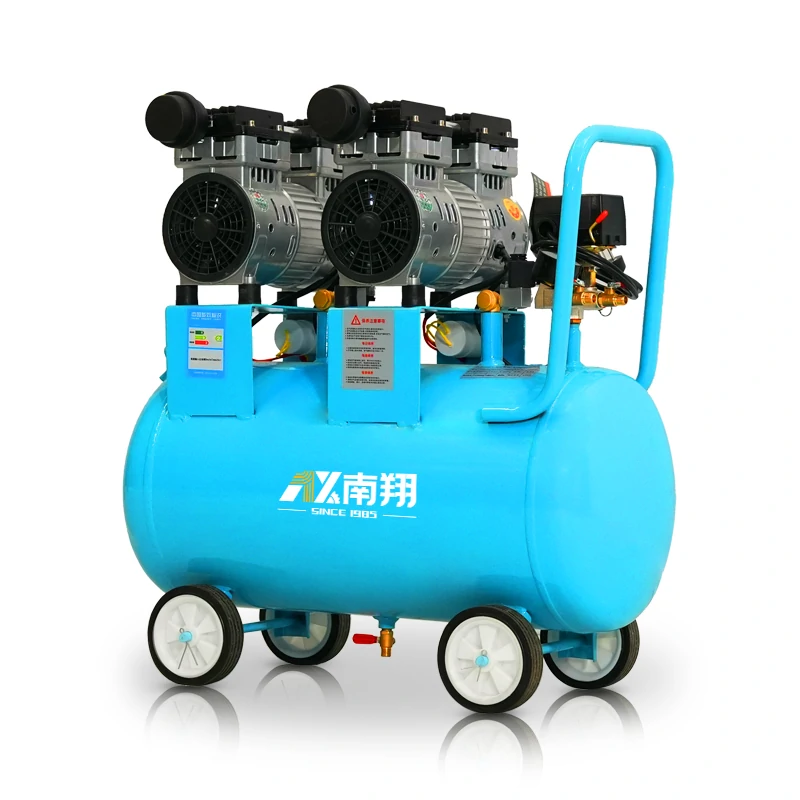
Kompresor udara listrik adalah komponen utama dari sistem pasokan udara. Kompresor ini mengubah energi mekanis penggerak utama (biasanya motor listrik) menjadi tekanan udara bertekanan, menjadikannya perangkat yang bertanggung jawab untuk menghasilkan udara bertekanan. Saat ini, sebagian besar kompresor udara elektrik yang ada di pasaran menggunakan pelumasan oli. Namun, ketika kompresor udara berpelumas oli mengeluarkan udara, sebagian oli pelumas juga dilepaskan, yang dapat menyebabkan masalah pada pengereman dan sistem lainnya. Perusahaan kami telah mengembangkan kompresor udara elektrik bebas oli baru yang dapat mengurangi kegagalan tersebut dan meningkatkan keandalan sistem.
Diagram skematik kompresor udara listrik
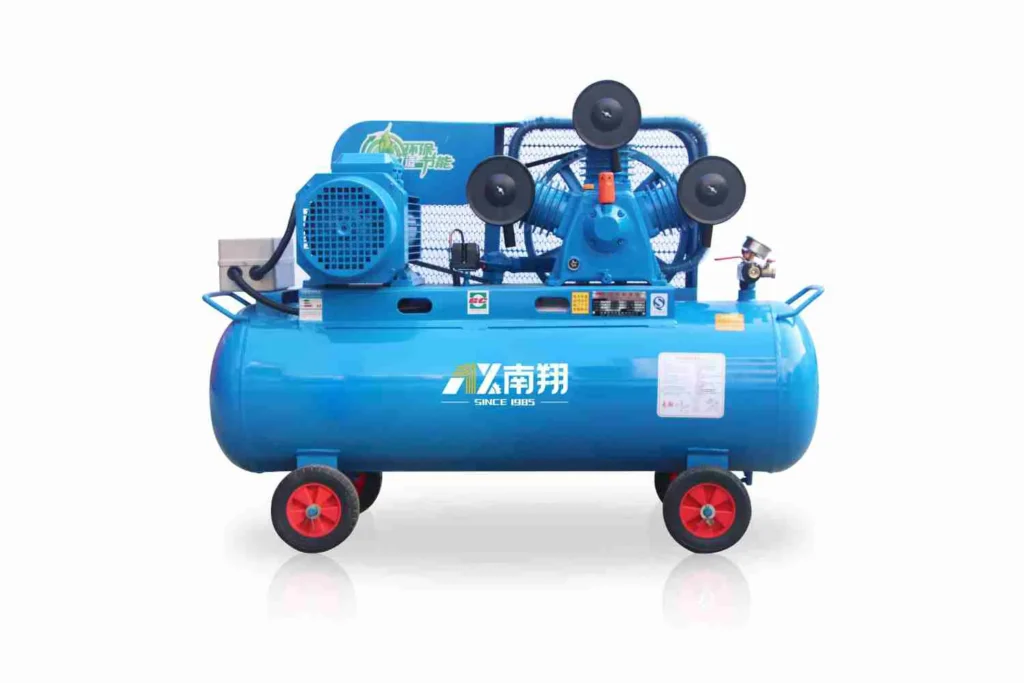
- Kotak engkol
- Poros engkol
- Motor Magnet Permanen
- Perakitan Piston Batang Penghubung
- Silinder
- Perakitan Pelat Katup
- Kepala Silinder
- Sekrup Kepala Silinder
- Tutup Akhir
- Sekrup Tutup Ujung
- Pelindung Angin
- Sekrup Deflektor Udara
Prinsip Kerja Kompresor Udara Listrik
Kompresor udara piston bebas oli terutama terdiri dari komponen-komponen seperti bak mesin, motor magnet permanen, poros engkol, rakitan batang-piston penghubung, rakitan pelat katup, silinder, dan kepala silinder. Motor magnet permanen dari kompresor udara piston bebas oli menggerakkan poros engkol untuk berputar, yang pada gilirannya menggerakkan rakitan batang-piston penghubung untuk menghasilkan gerakan bolak-balik di dalam silinder. Selama proses ini, volume kerja yang dibentuk oleh piston, silinder, dan kepala silinder mengalami perubahan secara berkala. Ketika piston bergerak menjauh dari kepala silinder, volume kerja silinder meningkat, dan gas masuk ke dalam silinder melalui katup masuk. Ketika piston bergerak menuju kepala silinder, volume kerja silinder berkurang, dan gas di dalam silinder dikompresi, menghasilkan peningkatan tekanan. Gas yang terkompresi kemudian dikeluarkan dari silinder melalui katup buang. Dengan setiap putaran poros engkol, piston menyelesaikan satu siklus hisap, kompresi, dan buang. Proses ini berlanjut dalam siklus yang terus menerus.