
È una delle prime domande che si pongono gli acquirenti — e probabilmente quella a cui è più difficile rispondere con una cifra precisa. Quanto tempo ci vuole per... compressore d'aria senza olio dura davvero?
La maggior parte dei compressori d'aria industriali senza olio può durare da 2.000 a oltre 60.000 ore di funzionamento. In pratica, ciò equivale in genere a:
- Compressori a pistone senza olio: 2–10 anni
- Compressori a spirale senza olio: 5–15 anni
- Compressori a vite senza olio: 15–20+ anni
La durata effettiva dipende dalle ore di funzionamento, dalle pratiche di manutenzione, dalle condizioni ambientali e dal tipo di compressore.
Elemento di compressione vs. macchina completa — Una distinzione importante
È proprio qui che nasce gran parte della confusione. Quando si parla di “durata di vita” di un compressore, solitamente ci si riferisce all’intera macchina. In realtà, il telaio, il motore, i comandi elettrici e l’involucro possono durare 20 anni o più senza grossi problemi. Non sono queste le parti che si usurano.
L'elemento di compressione — il blocco compressore, dove avviene effettivamente la compressione dell'aria — è il componente con una durata di vita limitata. Nei modelli oil-free, le superfici interne di tale elemento non beneficiano di una lubrificazione continua a olio come invece avviene nelle macchine a iniezione d'olio. Guarnizioni, anelli, rivestimenti dei rotori e componenti delle valvole sono soggetti a un'usura meccanica più diretta.
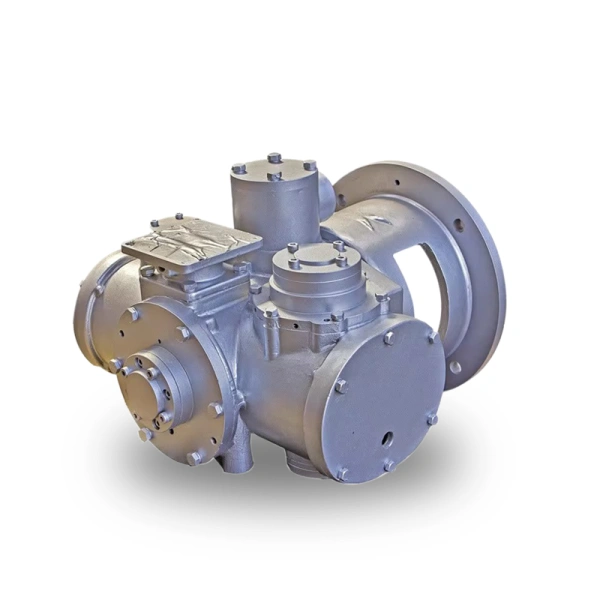
Detto questo, i moderni compressori oil-free utilizzano materiali avanzati — rivestimenti in PTFE, alluminio anodizzato, polimeri ingegnerizzati — che hanno notevolmente prolungato la durata dei componenti rispetto alle macchine oil-free di 15 o 20 anni fa. La vecchia convinzione secondo cui “senza olio significa breve durata” è sempre più superata, anche se persiste ancora in alcuni settori del settore.
Durata prevista in base al tipo di compressore
Non tutti i compressori a secco sono uguali, e la durata prevista dei componenti varia notevolmente a seconda del modello. Ecco i dati concreti.
Compressori a pistone senza olio
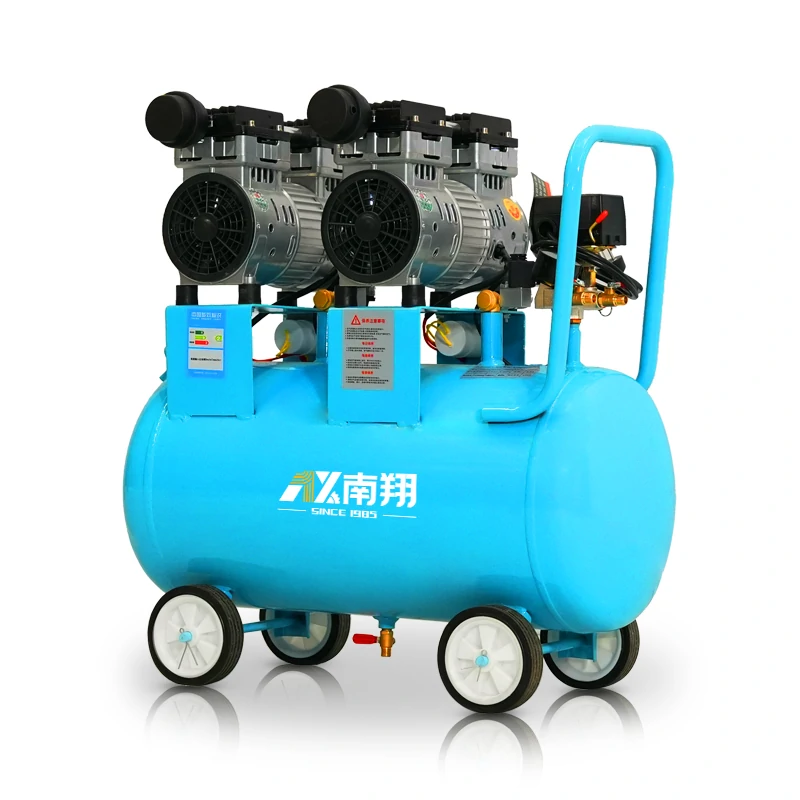
Questa categoria offre la gamma più ampia. I pistoni senza olio di fascia economica — quelli che si trovano nei grandi magazzini di ferramenta — potrebbero durare solo dalle 2.000 alle 5.000 ore prima che le fasce elastiche e le guarnizioni si rovinino. Sono progettati per un uso leggero e intermittente e hanno un prezzo adeguato.
Di qualità superiore compressori a pistone, in particolare i modelli silenziosi o a bassa rumorosità progettati per ambienti professionali, sono tutta un'altra storia. Queste unità raggiungono comunemente dalle 10.000 alle 20.000 ore e oltre, se sottoposte a una corretta manutenzione. I componenti soggetti a maggiore usura — fasce elastiche, piastre delle valvole e guarnizioni — sono sostituibili, il che estende la durata utile ben oltre la classificazione iniziale dell'elemento.
Il ciclo di funzionamento è la variabile fondamentale in questo caso. Un compressore a pistoni con una durata nominale di 10.000 ore raggiungerà tale cifra in poco più di un anno se funziona ininterrottamente. In un'officina o in uno studio dentistico dove l'uso è intermittente, la stessa unità potrebbe durare un decennio.
Compressori scroll senza olio
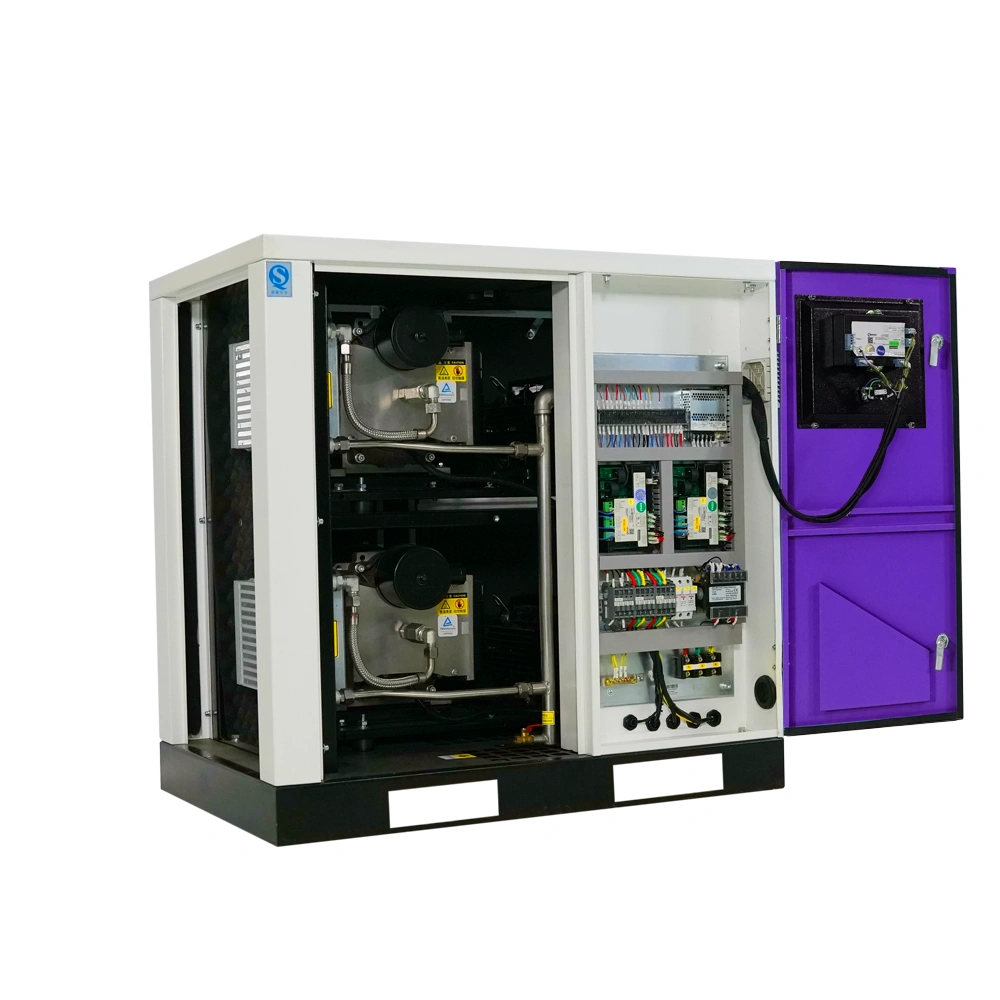
Compressori scroll presentano un numero inferiore di parti mobili rispetto ai modelli a pistone o rotativi, il che si traduce in un minor numero di componenti soggetti a guasti. La durata tipica degli elementi varia da 10.000 a oltre 30.000 ore. Sono ampiamente utilizzati in ambito medico, di laboratorio e odontoiatrico, ovvero in ambienti che richiedono sia aria pulita sia un funzionamento affidabile e silenzioso.
Compressori rotativi a vite senza olio
Questi sono i cavalli di battaglia del settore. Un prodotto di qualità compressore a vite senza olio possono garantire da 40.000 a oltre 60.000 ore di funzionamento prima che il gruppo compressore necessiti di una revisione. Sono progettate per un impiego continuo o quasi continuo e costruite con componenti più robusti, in linea con tale destinazione d'uso. Per i grandi impianti di produzione, queste macchine rappresentano spesso un investimento che dura dai 15 ai 20 anni, a condizione che la manutenzione venga effettuata secondo il programma previsto.
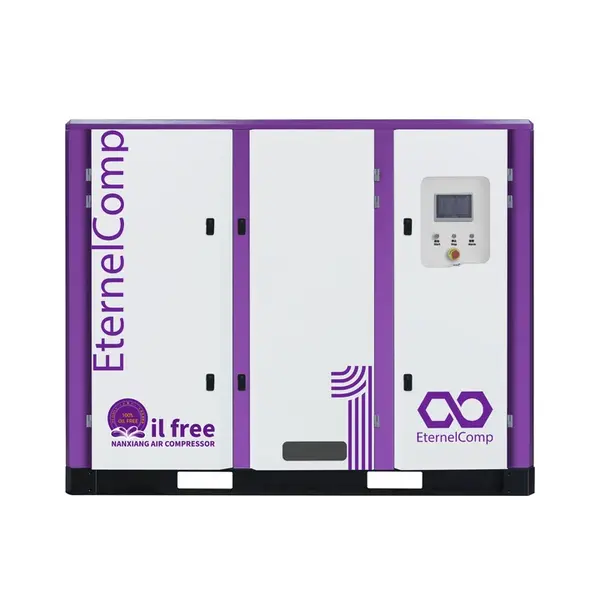
Tabella di riferimento rapido
| Tipo di compressore | Durata tipica degli elementi (ore) | Applicazioni comuni |
|---|---|---|
| Pistone senza olio (economico) | 2,000 – 5,000 | Piccoli lavori fai da te, uso amatoriale |
| Pistone senza olio (professionale) | 10,000 – 20,000+ | Laboratori, odontoiatria, piccoli laboratori |
| Scroll senza olio | 10,000 – 30,000+ | Medicina, laboratori, alimentazione |
| Vite rotante senza olio | 40,000 – 60,000+ | Industriale, manifatturiero |
Cosa riduce (o allunga) la durata di un compressore senza olio?
Le ore di funzionamento nominali sono solo un punto di partenza. La durata effettiva dipende dalle condizioni operative e dalle pratiche di manutenzione — probabilmente più di qualsiasi altro singolo fattore.
Fattori che riducono in modo certo la durata degli elementi:
- Trascurare la sostituzione del filtro dell'aria di aspirazione (consente l'ingresso di particelle abrasive nella camera di compressione)
- Funzionamento a temperature ambiente superiori a 40 °C
- Ambienti polverosi, umidi o con sostanze chimiche aggressive
- Cicli brevi e frequenti a carico elevato
- Tralasciare la sostituzione programmata delle guarnizioni e delle valvole
E gli elementi che consentono a un compressore di raggiungere — o superare — la durata prevista:
- Rispettare scrupolosamente gli intervalli di manutenzione indicati dal produttore
- Installare in un locale pulito, fresco e ben ventilato
- Dimensionamento corretto, in modo che l'unità non sia costantemente sovraccarica
- Utilizzo di ricambi originali o conformi alle specifiche OEM
Secondo il Compressed Air and Gas Institute (CAGI), la manutenzione ordinaria, il corretto dimensionamento dell'impianto e condizioni operative adeguate sono fattori chiave che influenzano l'affidabilità e le prestazioni a lungo termine del compressore.
È possibile revisionare un compressore senza olio invece di sostituirlo?
Sì — e questo è un aspetto che cambia il modo in cui dovremmo realmente concepire la “speranza di vita”.
La maggior parte dei compressori oil-free di tipo industriale, in particolare i modelli a vite rotativa e a spirale, è progettata tenendo conto della possibilità di revisione dei componenti. I produttori offrono kit di revisione — rotori, guarnizioni, cuscinetti e rivestimenti di ricambio — che consentono di riportare il gruppo compressore a prestazioni quasi pari a quelle originali. Il costo è in genere pari al 30-50% di un'unità nuova di zecca, mentre il resto della macchina (motore, telaio, comandi, tubazioni) continua a funzionare così com'è.
Un telaio del compressore ben costruito può durare più a lungo rispetto alle numerose revisioni degli elementi. Pertanto, mentre il gruppo compressore può avere una durata di 50.000 ore, la macchina stessa può rimanere in servizio attivo per oltre 100.000 ore, coprendo due o tre cicli di revisione. In questo senso, la “durata di vita” del compressore non è realmente limitata dall'elemento, ma dal momento in cui la convenienza economica della revisione smette di avere senso rispetto al passaggio a una tecnologia più recente.
Se desideri saperne di più sui compressori d'aria senza olio, ti invitiamo a leggere Che cos'è un compressore d'aria senza olio?
Domande frequenti
L'utilizzo di un compressore oil-free a una pressione inferiore ne prolunga la durata?
In linea di massima sì, anche se l'effetto non è sempre evidente. Una pressione di mandata più bassa comporta una minore sollecitazione meccanica su guarnizioni, valvole e rivestimenti dei rotori durante ogni ciclo di compressione. Nel corso di decine di migliaia di ore, tale riduzione dello stress si traduce in un'usura sensibilmente minore. Alcuni impianti impostano intenzionalmente la pressione del sistema al minimo richiesto dal loro processo, anziché utilizzare la pressione massima del compressore, proprio per prolungare gli intervalli di manutenzione e la durata degli elementi. Si tratta di una piccola regolazione che non costa nulla.
Come si fa a capire quando l'elemento di compressione sta per esaurire la propria durata?
Esistono alcuni segnali rivelatori. L'aumento graduale della temperatura di scarico, la diminuzione della portata d'aria a parità di pressione, un maggiore consumo energetico a parità di carico di lavoro e la presenza di rumori o vibrazioni insoliti sono gli indicatori precoci più comuni. Molti compressori oil-free moderni includono anche contatori di ore e avvisi di manutenzione che segnalano quando l'elemento si sta avvicinando al proprio intervallo di revisione nominale. Aspettare che il compressore si guasti completamente è sempre più costoso che agire in base a questi segnali precoci.
Conviene acquistare un compressore oil-free più costoso per garantire una maggiore durata dell'elemento, oppure è meglio sostituire più spesso i modelli più economici?
Questo dipende in gran parte dall’uso che si fa del compressore. Per applicazioni leggere e intermittenti — come una piccola officina o operazioni di gonfiaggio occasionali — un’unità più economica, da sostituire ogni pochi anni, può effettivamente rappresentare la soluzione più conveniente. Ma per qualsiasi utilizzo che si avvicini a quello professionale o continuo, i conti favoriscono quasi sempre una macchina di qualità superiore. Le unità più economiche si guastano in modo meno graduale, spesso mancano di elementi riparabili e tendono ad avere un consumo energetico più elevato per unità di aria erogata. Il costo totale su un arco di dieci anni, inclusi energia, tempi di inattività e sostituzioni, di solito fa propendere per un investimento iniziale di qualità.