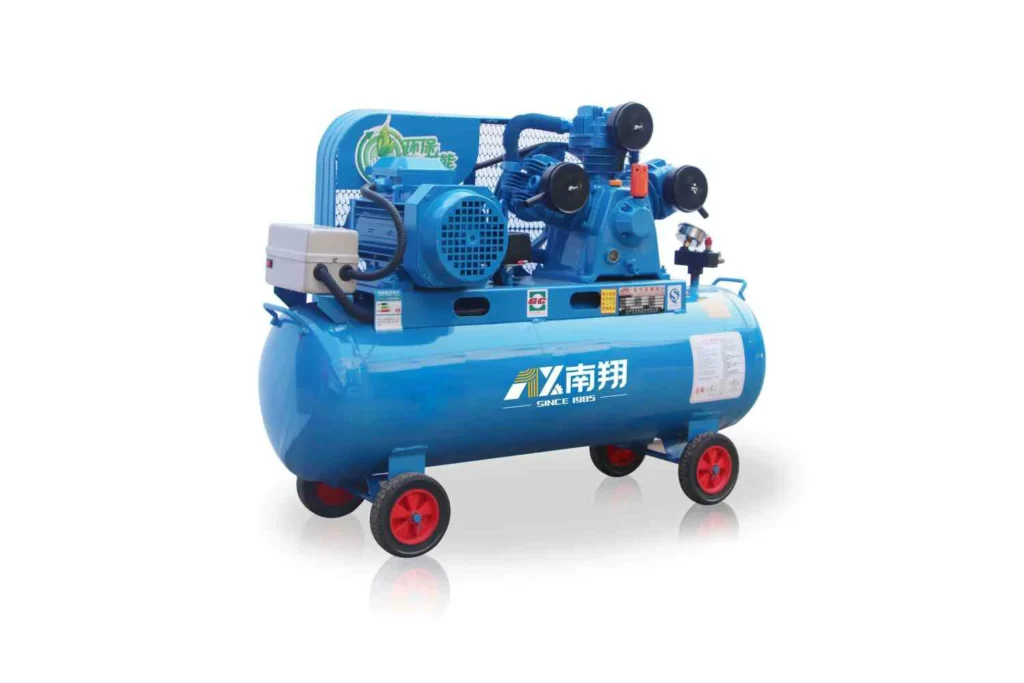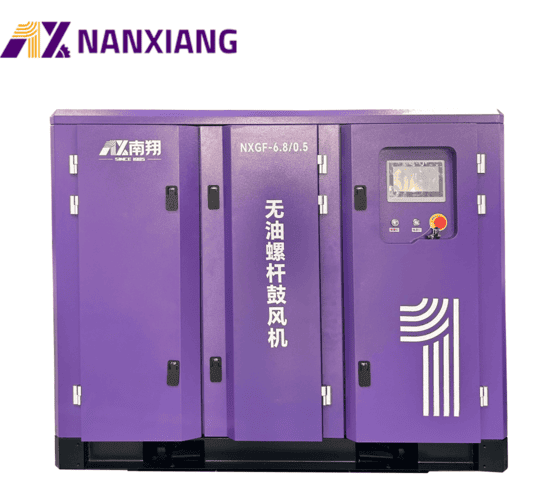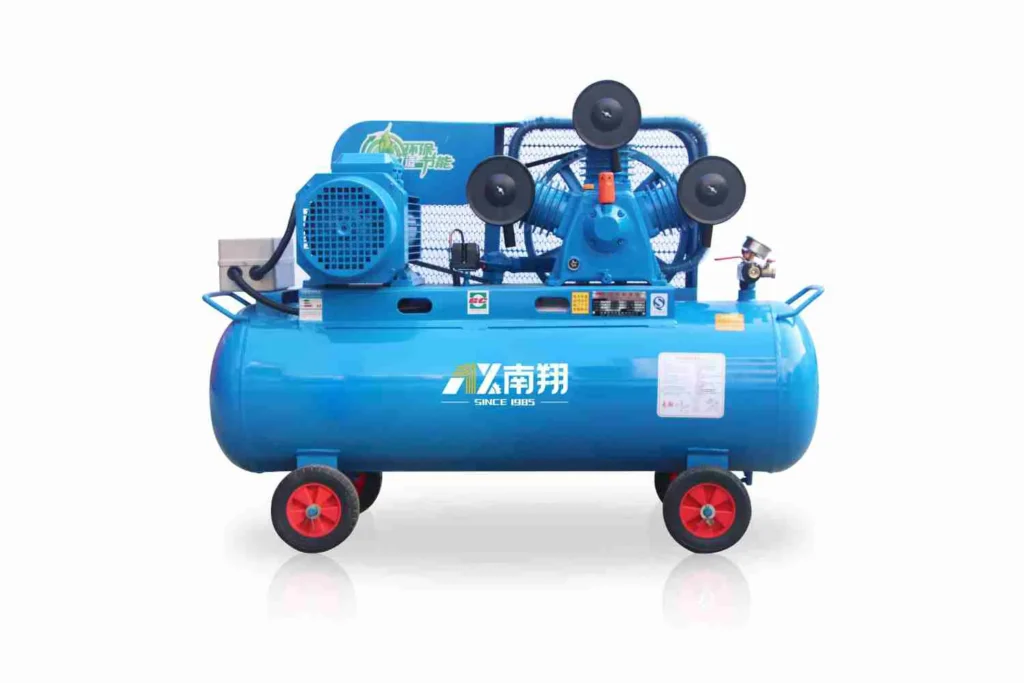
Air compressor overload refers to a condition where its working load exceeds its design or rated capacity, leading to the equipment’s inability to function properly or causing damage. Here are some common reasons that can lead to air compressor overload
- Excessive Load Demands: If the gas requirements of production equipment exceed the rated output capacity of the air compressor, it may become overloaded. This can happen when new equipment is added to the system or when production demands increase.
- System Air Leaks: Gas leakage within the system can force the air compressor to work continuously to maintain pressure, leading to overload. Air leaks within the system can occur in pipelines, connectors, valves, joints, or seals.
- Pressure Regulation Equipment Failure: Compressed air systems typically have pressure regulation equipment to control output pressure. If pressure regulators, pressure sensors, or pressure controllers malfunction, it can lead to unstable or uncontrollable pressure, resulting in overload issues.
- Pressure Vessel Failures: Air compressors are often connected to pressure vessels (air tanks) for compressed air storage. If the pressure vessel experiences issues such as leaks, damage, or blockages, it can lead to increased pressure and subsequent overload.
- Cooling System Problems: Air compressors generate heat during operation, and cooling system failures can cause elevated temperatures, reducing the efficiency of the air compressor and potentially causing overload.
- Electrical Issues: Electrical faults, such as motor overload, power supply problems, or control system failures, can prevent the air compressor from operating properly, resulting in overload conditions.
- Harsh Working Environments: In environments with high temperatures, humidity, or excessive dust, the cooling and efficiency of the air compressor may be compromised, leading to overload.
- Unplanned Maintenance: Lack of regular maintenance and upkeep can result in wear and the accumulation of dirt within the air compressor’s internal components, affecting equipment performance and potentially causing overload.
To avoid air compressor overload, it is important to conduct regular maintenance, monitor system pressure, check for air leaks, and assess equipment operation. When production demands change, it is necessary to evaluate whether upgrades or adjustments to the compressed air system are needed to ensure proper equipment operation and prevent overload issues.