Pertambangan adalah lingkungan yang sulit untuk peralatan apa pun. Debu, getaran, suhu ekstrem, dan kebutuhan konstan akan keandalan - tidak ada ruang untuk kompresor yang memutuskan untuk berhenti ketika permukaan siap untuk diledakkan atau bor sedang berjalan. Menghabiskan waktu di sekitar tambang selama bertahun-tahun, dan perbedaan antara kompresor yang tahan lama dan kompresor yang memusingkan sering kali bermuara pada beberapa keputusan penting yang dibuat sebelum membeli.
Berikut ini adalah cara memilih kompresor udara untuk industri pertambangan digunakan, berdasarkan apa yang telah diamati dalam operasi bawah tanah dan permukaan.
Memahami Tuntutan pada Kompresor Udara untuk Aplikasi Industri Pertambangan
Pertambangan tidak seperti pabrik. Lingkungannya sendiri tidak bersahabat dengan mesin. Sebuah kompresor udara untuk layanan industri pertambangan harus menanganinya:
- Debu dan partikulat: Debu batu halus ada di mana-mana. Debu ini menyumbat filter, merusak komponen internal, dan masuk ke tempat yang tidak seharusnya.
- Getaran: Peledakan dan alat berat menciptakan getaran yang konstan. Kompresor membutuhkan sistem pemasangan dan desain internal yang dapat menoleransi hal ini tanpa melonggarkan koneksi atau merusak bagian dalam.
- Perubahan suhu: Tambang bawah tanah bisa menjadi panas dan lembab. Tambang permukaan di daerah beriklim dingin mengalami kondisi di bawah nol. Kompresor harus menyala dan bekerja dengan andal pada rentang tersebut.
- Pengoperasian jarak jauh: Banyak kompresor tambang yang beroperasi tanpa pengawasan dalam waktu yang lama. Pemantauan dan alarm bukanlah pilihan-ini sangat penting.

Tugas Kontinu vs. Tugas Terputus-Putus
Beberapa operasi tambang menggunakan udara bertekanan secara terus-menerus-pengeboran, ventilasi, pengangkutan. Sebagian lainnya menggunakannya dalam semburan untuk peledakan atau pengoperasian alat. Mengetahui siklus kerja penting karena hal ini memengaruhi jenis kompresor. Tugas terus menerus membutuhkan unit yang dirancang untuk operasi 24/7 dengan pendinginan yang sesuai. Tugas intermiten mungkin dapat mentolerir mesin yang lebih sederhana, tetapi masih membutuhkan respons cepat saat permintaan meningkat.
Jenis Kompresor yang Cocok untuk Penambangan
Tidak semua teknologi kompresor bekerja dengan baik di bawah tanah atau di dalam lubang berdebu. Berikut ini adalah sekilas tentang opsi-opsi yang umum.
| Jenis Kompresor | Terbaik untuk | Pertimbangan |
|---|---|---|
| Sekrup putar (disuntik oli) | Tugas berkelanjutan, penggunaan berat, udara pertambangan umum | Kemungkinan adanya sisa oli; keandalan yang baik; tersedia secara luas |
| Sekrup putar (bebas minyak) | Aplikasi sensitif (ventilasi, udara instrumen) | Biaya lebih tinggi; menghilangkan risiko kontaminasi oli |
| Piston bolak-balik | Operasi yang lebih kecil, penggunaan terputus-putus, cadangan | Perawatan yang lebih tinggi; lebih banyak getaran; biaya awal yang lebih rendah |
| Sentrifugal | Volume yang sangat besar, aplikasi aliran tinggi | Mahal; membutuhkan udara masuk yang bersih; efisien pada beban penuh |
Bebas Minyak vs Suntikan Minyak
Ini adalah keputusan besar. Sebuah kompresor udara bebas minyak sering kali diperlukan untuk aplikasi di mana kontaminasi oli tidak dapat diterima - udara yang dihirup, sistem instrumen tertentu, atau proses di mana kabut oli dapat memengaruhi produk. Pengorbanannya adalah biaya. Unit bebas oli lebih mahal di awal dan biasanya membutuhkan perawatan yang lebih sering pada ujung udara.
Bisa dikatakan, sekrup putar yang diinjeksi oli adalah pekerja keras di pertambangan. Sekrup ini tahan lama, efisien, dan menangani kondisi kotor dengan baik. Oli membawa panas, menyegel jarak bebas internal, dan melumasi bearing. Untuk sebagian besar aplikasi udara pertambangan umum, sekrup putar yang diinjeksi oli adalah pilihan yang aman.
Untuk aplikasi yang membutuhkan udara yang benar-benar bersih, kompresor sekrup bebas minyak bernilai investasi. Mereka menghilangkan risiko terbawanya minyak sepenuhnya. Tidak ada filter untuk menangkap kabut oli, tidak ada potensi oli mencapai peralatan atau personel yang sensitif.
Mengukur Ukuran Kompresor Udara untuk Operasi Industri Pertambangan
Salah memilih ukuran adalah kesalahan yang umum terjadi. Terlalu kecil, dan kompresor bekerja terus menerus atau tidak dapat memenuhi permintaan puncak. Terlalu besar, dan siklusnya pendek, yang membuang energi dan menyebabkan keausan dini.
Menghitung Kebutuhan Udara
Langkah pertama adalah membuat daftar setiap alat dan proses yang menggunakan udara bertekanan, beserta:
- Laju aliran (kaki kubik per menit, atau CFM)
- Persyaratan tekanan (pound per inci persegi, atau PSI)
- Siklus kerja (persentase waktu alat benar-benar menggunakan udara)
Jumlahkan permintaan rata-rata, lalu perhitungkan permintaan puncak. Aturan umum yang umum adalah mengukur permintaan puncak ditambah margin 15-20%. Namun ada perbedaan: jika beberapa alat jarang beroperasi pada saat yang sama, kompresor yang sedikit lebih kecil dengan tangki penerima penyimpanan dapat menangani puncak permintaan dengan baik.
Persyaratan Tekanan
Sebagian besar alat pneumatik pertambangan bekerja pada tekanan 90-100 PSI. Tetapi kompresor perlu memberikan tekanan tersebut pada titik penggunaan, dengan memperhitungkan penurunan tekanan pada pipa, filter, selang, dan alat kelengkapan. Sebuah kompresor yang memiliki tekanan 125 PSI pada saat pelepasan mungkin hanya akan menghasilkan 95 PSI pada bor yang berjarak 500 kaki jika ukuran pipa terlalu kecil.
Untuk tambang bawah tanah, jarak dari kompresor ke titik penggunaan dapat menjadi signifikan. Diameter pipa yang lebih besar mengurangi penurunan tekanan. Meningkatkan tekanan pelepasan kompresor untuk mengatasi jarak tempuh yang jauh terkadang diperlukan.
Pertimbangan Sumber Daya
Tambang memiliki ketersediaan daya yang berbeda tergantung pada lokasi dan jenis operasi.
Listrik vs Diesel
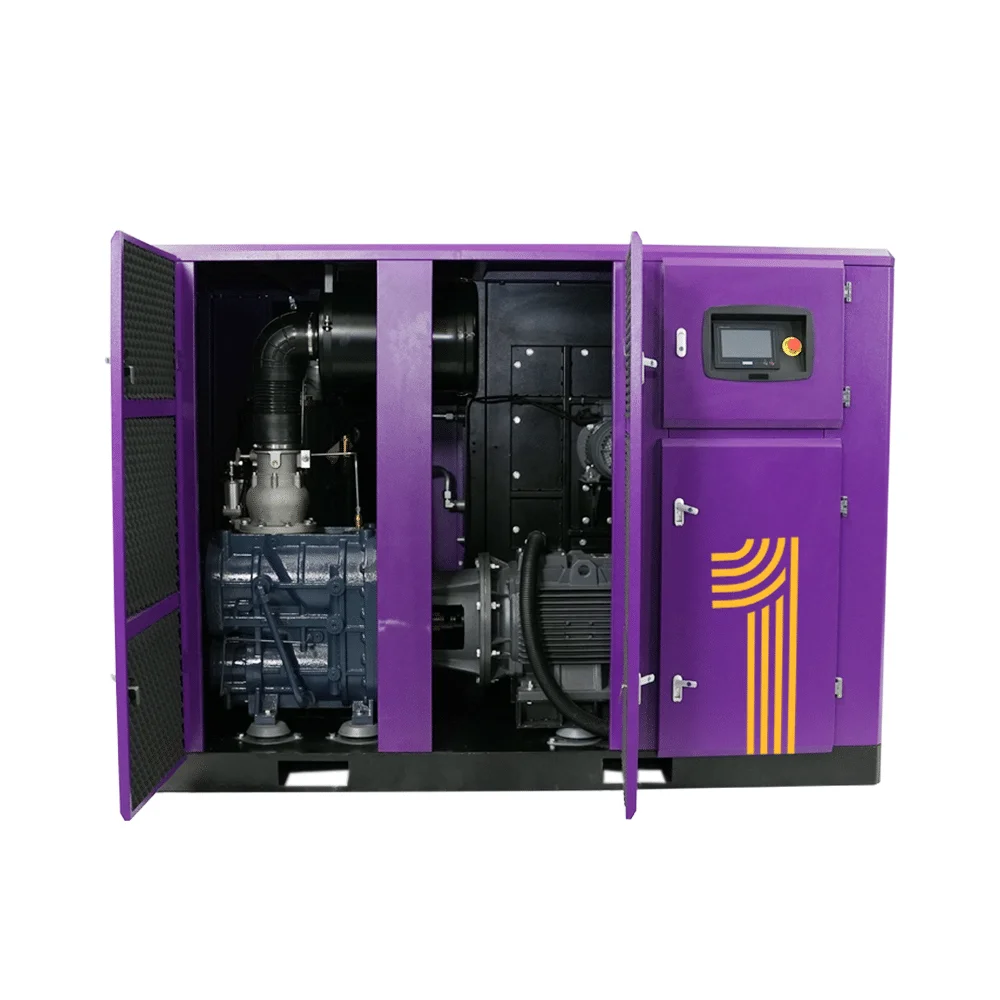
Kompresor yang digerakkan oleh listrik umumnya lebih efisien dan lebih tenang. Kompresor ini merupakan pilihan pertama di mana daya listrik tersedia dan dapat diandalkan. Namun di tambang permukaan terpencil atau area pengembangan bawah tanah di mana listrik belum tersedia, kompresor portabel yang digerakkan oleh diesel adalah hal yang umum.
Kompresor diesel untuk kebutuhan pertambangan:
- Manajemen knalpot yang tepat (terutama di bawah tanah-ini penting untuk keselamatan)
- Kemampuan start dingin untuk iklim dingin
- Penahan percikan api di lingkungan tertentu
Tegangan dan Fase
Kompresor sekrup putar yang besar sering kali membutuhkan daya tiga fase 480V atau lebih tinggi. Tidak semua lokasi tambang memiliki daya tersebut di setiap lokasi. Unit reciprocating yang lebih kecil dapat bekerja pada fase tunggal 240V. Menyesuaikan kebutuhan listrik kompresor dengan daya yang tersedia di lokasi dapat menghindari instalasi trafo yang mahal.
Filtrasi dan Kualitas Udara
Asupan udara tambang kotor. Sangat kotor. Kompresor udara untuk keperluan industri pertambangan membutuhkan penyaringan udara masuk yang kuat.
Filter Asupan
Filter udara industri standar tidak selalu memadai. Kompresor pertambangan sering kali mendapatkan keuntungan dari hal ini:
- Pra-filter siklon yang mengeluarkan partikel debu besar sebelum mencapai filter utama
- Filter area permukaan yang diperluas untuk mengurangi penurunan tekanan saat debu menumpuk
- Indikator pembatasan filter yang memperingatkan operator saat waktunya untuk membersihkan atau mengganti
Aftercooler dan Pengering
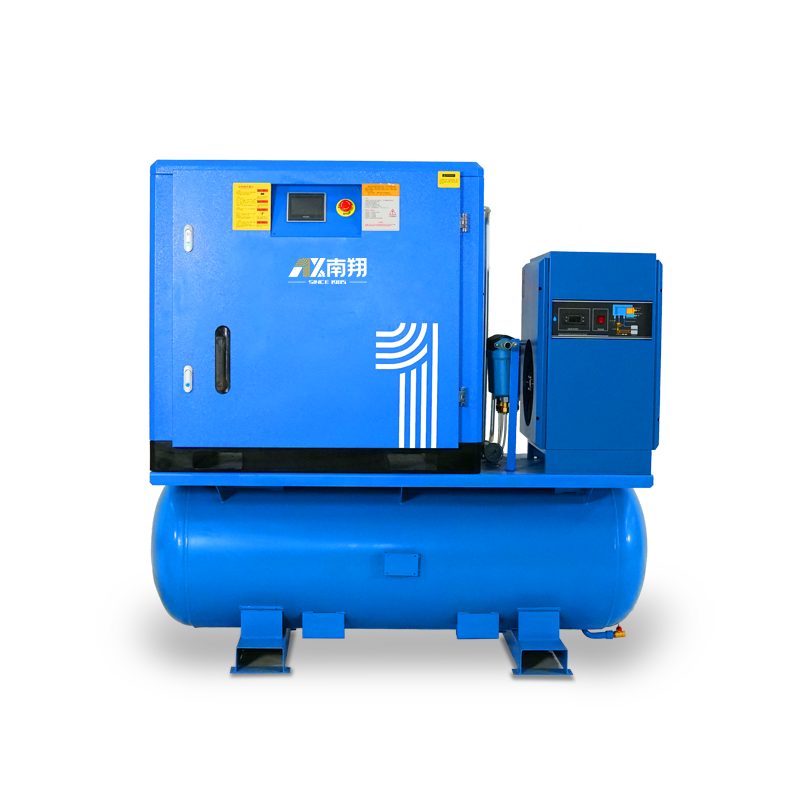
Udara bertekanan yang keluar dari kompresor ulir bersifat panas dan jenuh dengan uap air. Di dalam tambang, air tersebut dapat membeku dalam kondisi dingin atau menyebabkan karat pada pipa. Pendingin setelahnya (udara-ke-udara atau udara-ke-air) menurunkan suhu udara. Pengering (berpendingin atau pengering) menghilangkan kelembapan. Jenis yang mana? Pengering berpendingin bekerja dengan baik untuk udara tambang secara umum. Pengering pengering diperlukan ketika titik embun di bawah titik beku diperlukan.
Penghapusan Minyak
Untuk kompresor yang diinjeksi oli, filter penggabungan menghilangkan sebagian besar aerosol oli. Jika benar-benar tidak ada oli yang dapat diterima, unit bebas oli adalah pilihan yang lebih baik.
Keandalan dan Kemudahan Servis
Tambang tidak memiliki kemewahan untuk berhenti beroperasi selama seminggu karena kompresor membutuhkan suku cadang dari benua lain.
Dukungan Lokal
Sebelum membeli, tanyakan tentang ketersediaan suku cadang dan dukungan servis di wilayah pertambangan. Kompresor dari produsen dengan distributor lokal yang menyediakan suku cadang umum layak untuk dibayar mahal. Kompresor yang membutuhkan pengangkutan udara untuk setiap filter dan pemisah dari luar negeri adalah sebuah kewajiban.
Pemantauan dan Alarm
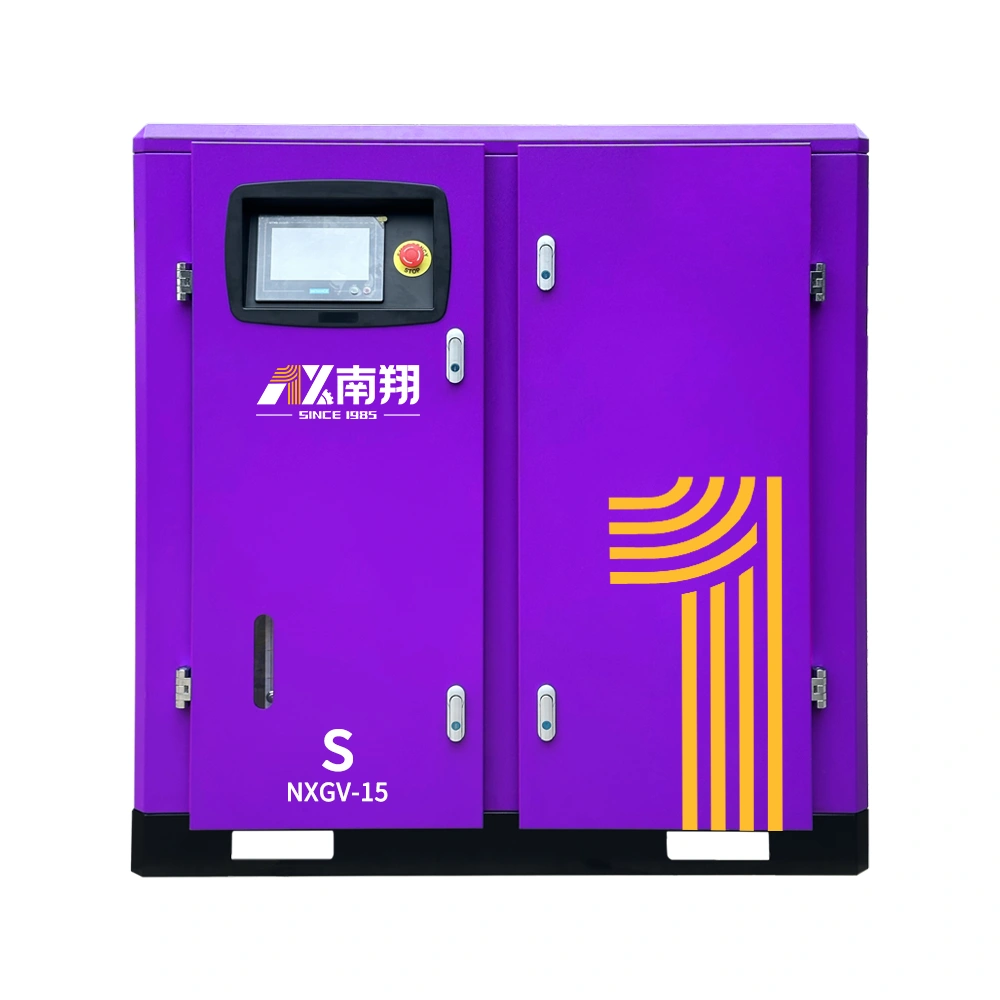
Kompresor modern menawarkan pemantauan jarak jauh. Temperatur pelepasan, tekanan, level oli, status filter, dan jam kerja semuanya dapat dilacak. Untuk tambang, hal ini sangat berharga - operator di ruang kontrol dapat melihat masalah yang berkembang sebelum menyebabkan penghentian operasi.
Hal-hal yang perlu dipantau:
Suhu pelepasan (suhu tinggi mengindikasikan masalah pendinginan)
Tekanan diferensial di seluruh filter dan pemisah
Level dan tekanan oli
Getaran pada komponen yang berputar
Runtime dan siklus pemuatan
Kemudahan Pemeliharaan
Kompresor yang mengharuskan melepas setengah panel untuk mengganti filter tidak dirancang dengan baik untuk pertambangan. Cari:
Akses mudah ke filter, pengisian oli, dan saluran pembuangan
Titik-titik layanan dikelompokkan bersama
Pelabelan dan dokumentasi yang jelas
Kesalahan Umum Saat Memilih
Dari mengamati ranjau melalui proses ini, beberapa kesalahan muncul berulang kali.
Berfokus hanya pada harga pembelian: Kompresor termurah sering kali menjadi yang termahal setelah satu tahun perbaikan dan waktu henti.
Meremehkan kualitas udara masuk: Debu merusak kompresor dengan cepat. Pengeluaran untuk penyaringan yang baik di awal akan terbayar kembali dalam umur yang lebih panjang.
Mengabaikan efek ketinggian: Di tambang dataran tinggi (bayangkan lokasi Andes atau Pegunungan Rocky), output kompresor menurun. Sebuah unit yang memiliki rating 500 CFM di permukaan laut dapat menghasilkan 400 CFM di ketinggian 10.000 kaki.
Melewatkan tangki penerima: Bahkan tangki penerima yang kecil pun dapat meredam lonjakan permintaan dan membuat siklus kompresor menjadi lebih jarang. Mereka sepadan dengan ruang dan biayanya.
Pertanyaan yang Sering Diajukan
Jenis kompresor udara apa yang paling umum digunakan di pertambangan?
Kompresor rotary screw yang diinjeksi oli adalah yang paling umum digunakan untuk aplikasi pertambangan tugas kontinu. Kompresor ini menawarkan keandalan, efisiensi, dan daya tahan yang baik dalam kondisi berdebu.
Dapatkah saya menggunakan kompresor industri standar di tambang?
Mungkin saja, tetapi unit standar mungkin tidak memiliki penyaringan asupan, ketahanan getaran, dan kapasitas pendinginan yang diperlukan untuk lingkungan pertambangan yang keras. Kompresor yang dirancang atau dimodifikasi secara khusus untuk pertambangan umumnya merupakan pilihan yang lebih aman.
Seberapa sering kompresor udara untuk pertambangan membutuhkan perawatan?
Penggantian oli dan filter biasanya dilakukan setiap 1.000 hingga 2.000 jam, tergantung kondisi. Lingkungan yang berdebu mungkin memerlukan penggantian filter yang lebih sering. Bacalah rekomendasi produsen untuk model tertentu.