
Anyone who has spent time around a workshop or an industrial site knows that air compressors can be workhorses—or headaches. Some units run for decades with little more than oil changes and a bit of attention. Others seem to give up after a few years, often for reasons that could have been avoided. So what separates the long-lived ones from the early retirees?
From a practical standpoint, there isn’t a single magic answer. It’s more like a combination of small things that add up. And sometimes, it’s the stuff people don’t think about—like where the compressor sits, or how often it gets cycled on and off—that makes a bigger difference than the brand name on the side.
Let’s walk through the key factors that influence how many years (or decades) an air compressor will serve its owner.
The Type of Air Compressor Matters More Than You Think
Not all air compressors are built the same way inside, even if they look similar on the outside. Two common types dominate the market: reciprocating (piston) and rotary screw.
Reciprocating models are often found in small shops or home garages. They work in cycles—pumping air into a tank, then stopping. This on-off pattern creates thermal stress over time. If the duty cycle is too high (say, running more than 50% of the time), internal parts wear faster.
Rotary screw compressors, on the other hand, are designed for continuous operation. They run steadily, sometimes for days. Their lifespan can actually be shorter if they are constantly started and stopped. So the operating pattern has to match the machine’s design.
There’s also the oil-free vs. oil-lubricated debate. Oil-lubricated air compressors generally last longer because the fluid reduces friction and helps with cooling. But they also require more attention (leaks, changes, disposal). Oil-free compressors are convenient but tend to have a shorter service life, especially in demanding environments.
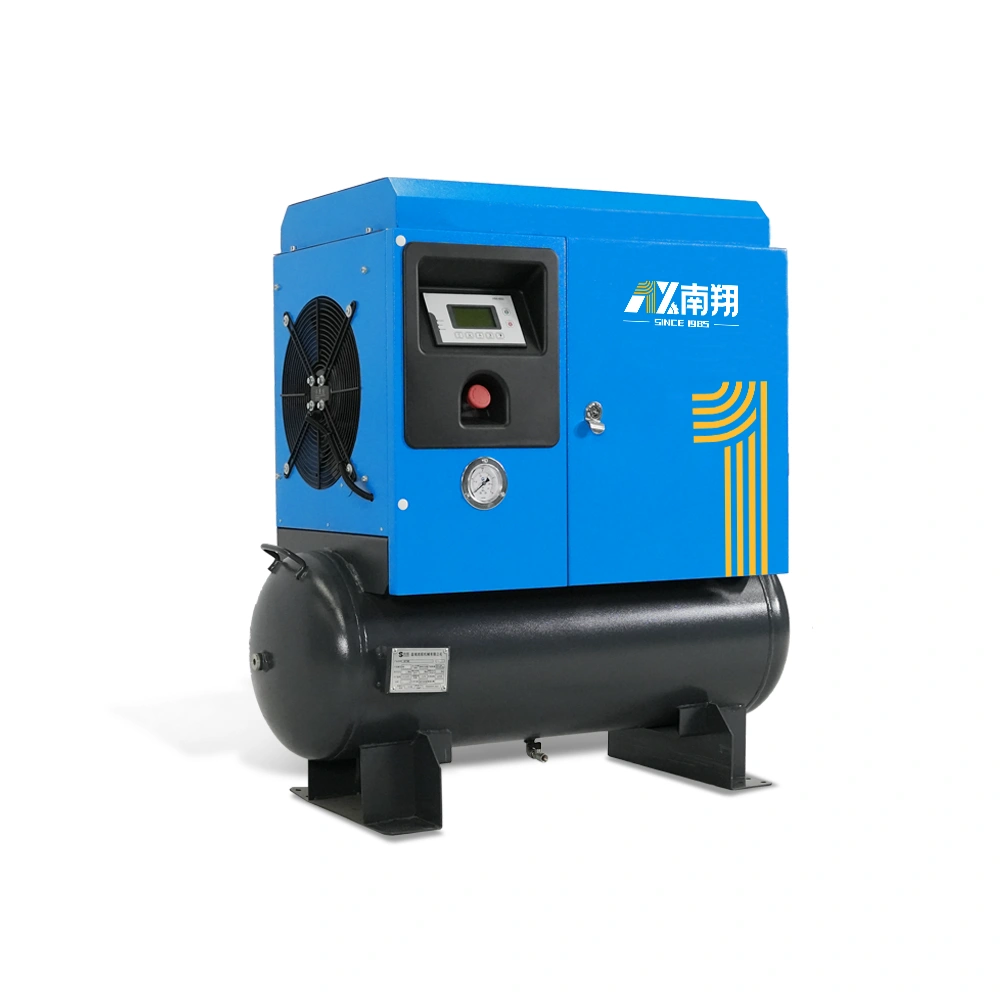
Maintenance Habits – The Obvious but Often Ignored Factor
It’s almost boring to say “maintenance matters,” yet so many compressor failures trace back to skipped oil changes, dirty filters, or loose belts. Maybe it’s because maintenance feels like a cost with no immediate reward. But from an observational standpoint, the units that receive regular attention almost always outlast those that don’t.
Oil and Lubrication (for Oil-Lubed Models)
Changing compressor oil at recommended intervals (every 500–1,000 hours, depending on the model) is critical. Old oil becomes acidic and loses its ability to protect metal surfaces. Some people stretch intervals to save money, but that often leads to bearing failure or even seized pumps.
Air Filter Cleaning and Replacement
A clogged air filter forces the compressor to work harder, increasing internal temperatures. It also allows fine dust to sneak past if the filter tears. In dusty environments (woodshops, construction sites), filters may need cleaning every few weeks.
Draining the Tank
Water condensation is a silent killer. Every time the compressor runs, moisture accumulates in the tank. Left unchecked, rust forms inside, eventually causing pinhole leaks or structural failure. Draining the tank daily (or installing an automatic drain) is one of the simplest ways to extend lifespan.
Here’s a quick reference table for typical maintenance intervals:
| Maintenance Task | Frequency (Light Use) | Frequency (Heavy Use) |
|---|---|---|
| Drain condensation tank | Daily or after each use | Daily (or automatic drain) |
| Check/clean air filter | Every 3 months | Monthly |
| Change compressor oil (oil-lubed) | Every 500 hours or annually | Every 200–300 hours |
| Inspect belts & hoses | Every 6 months | Every 3 months |
| Check safety valve | Annually | Every 6 months |
Of course, these are rough guidelines. The actual schedule depends on the manufacturer and operating environment. But skipping any of these? That’s when trouble starts.
Environmental Conditions – Where It Lives Changes Everything
The first and foremost factor in air compressor longevity is the working environment. Before purchasing an air compressor, please confirm your working environment, as some special environments have high requirements for the machine, such as high temperature, dust, and humid environments, which can affect the motor’s lifespan. In response to the above situation, EternelComp provides multiple configurations for you. Based on the environment, we will provide the most suitable configuration for you.
Usage Patterns – Duty Cycle and Load Fluctuations
This factor is often underestimated. The way an air compressor is used day-to-day has a huge impact on longevity.
Consider two identical units:
One runs at 70% of its maximum pressure for 10 minutes every hour (light duty).
Another runs at 100% pressure, cycling on and off every 30 seconds (heavy intermittent use).
The second one will likely fail much sooner. Why? Frequent starts send a surge of current through the motor windings (electrical stress), and the rapid pressure changes cause mechanical shock to valves and gaskets.
Some practical signs that usage patterns are hurting lifespan:
The compressor cycles more than 6–8 times per hour.
The motor feels too hot to touch after running for 15 minutes.
Pressure drops quickly when tools are not in use (potential leak in the system).
On the flip side, a compressor that runs continuously but at a moderate load (like in a painting booth or air curtain) can last a very long time because temperatures stabilize and there’s no thermal cycling.
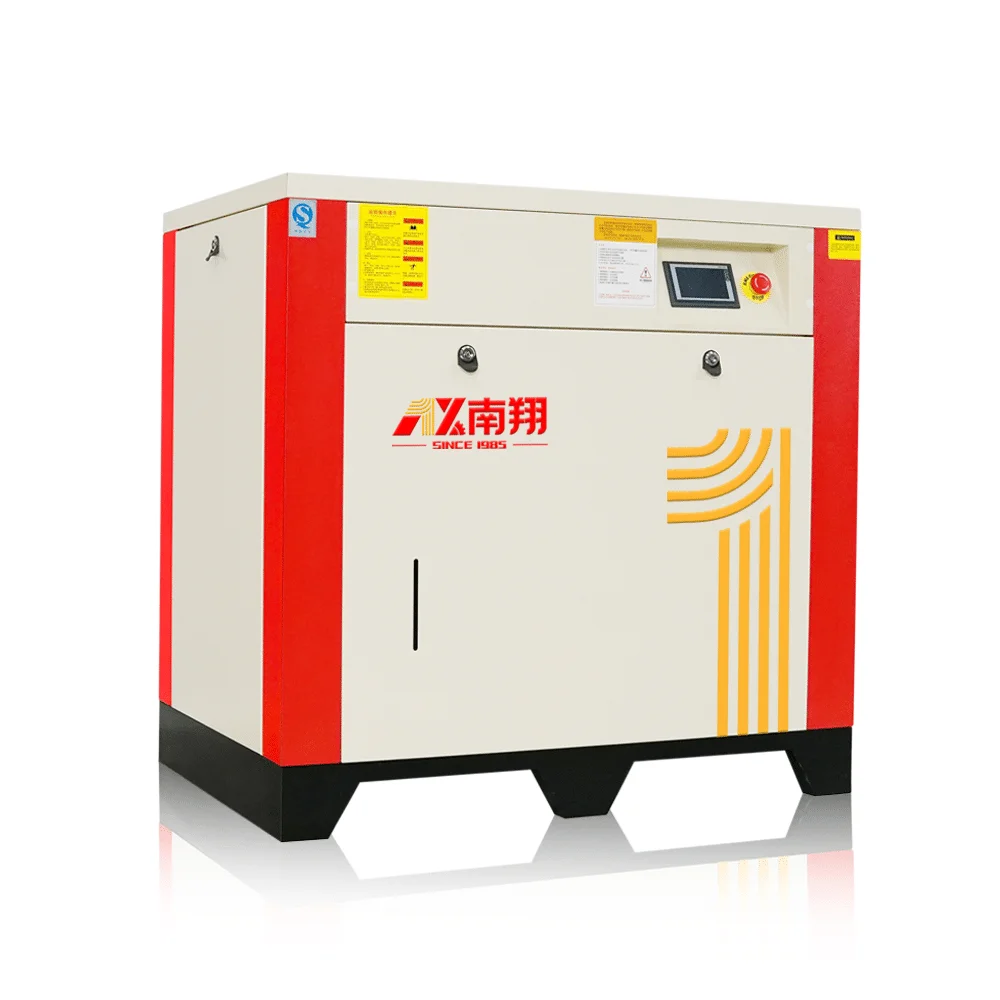
Product Quality
Product quality has a direct impact on air compressor longevity. Many people in the industry believe that air compressors should be purchased from brands such as Ingersoll Rand or Atlas. Although these brands are top brands in the industry, the relative investment cost will also increase. We suggest that you consider EternelComp Air Compressor. We were established in 1985 and have been specializing in air compressor technology. After years of refinement, our product quality has been unanimously praised in China and abroad, and we have been providing the best service and high-quality products. Choosing EternelComp will bring you surprises.
Summary Checklist – What Actually Extends Compressor Life?
If there’s a short list of actions that make a real difference, it might look like this:
Do these regularly:
Drain condensation after every use (or install an auto-drain)
Change oil and filters on schedule
Keep the compressor room clean and ventilated
Inspect belts, hoses, and electrical connections
Avoid these:
Running the unit beyond its rated duty cycle
Ignoring unusual noises (knocking, squealing, excessive vibration)
Using undersized extension cords
Letting the compressor sit in rain or direct sun for long periods
No one can guarantee a specific number of years. But the pattern is clear: air compressors that are treated with reasonable care and operated within their design limits often last 10–15 years for reciprocating types, and 20–30 years for rotary screws. The ones that get ignored? Maybe 3–5 years, if that.