What Is an Air Compressor Solenoid Valve?
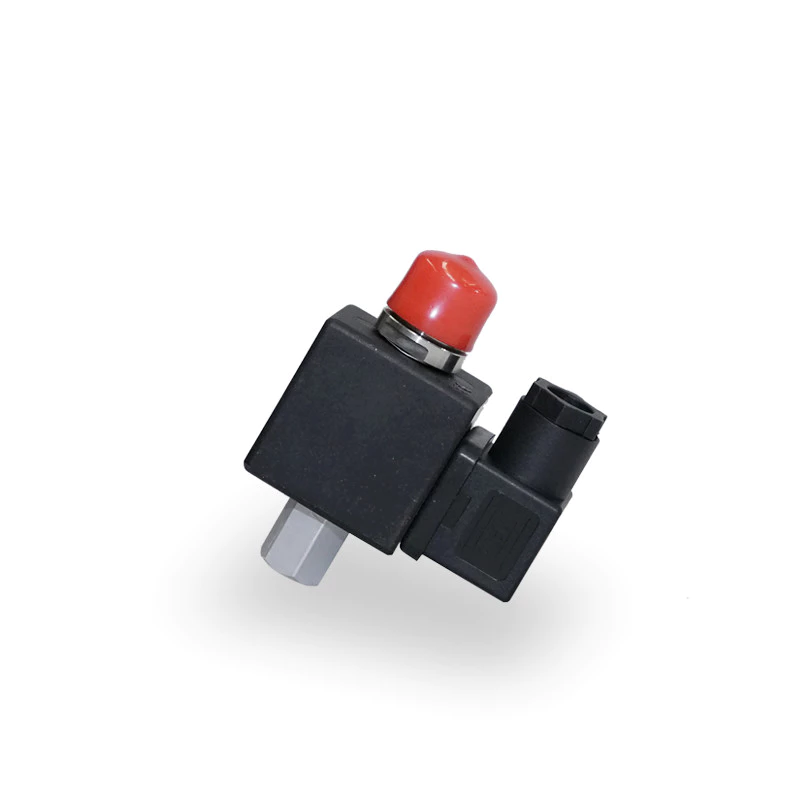
An air compressor solenoid valve is an electromechanical device that controls the flow of compressed air within a system. It opens or closes in response to an electrical signal — no manual turning, no mechanical lever. Just a coil, a plunger, and a decision made in milliseconds.
At its core, the air compressor solenoid valve acts as an automated gatekeeper. When power is applied to the electromagnetic coil, it generates a magnetic field that pulls a metal plunger upward, opening the valve and allowing air to pass through. Cut the power, and a spring pushes the plunger back down, sealing the valve shut. Simple in theory, surprisingly sophisticated in practice.
How Does an Air Compressor Solenoid Valve Work?
The working principle revolves around electromagnetism. Inside the valve body sits a coil of wire wrapped around a ferromagnetic core. When electrical current flows through that coil, it creates a magnetic field strong enough to lift the internal plunger or pilot piston against spring pressure.
Here’s a basic breakdown of the operating sequence:
- The compressor control system sends an electrical signal (typically 12V DC, 24V DC, or 110/220V AC depending on the application).
- The solenoid coil energizes, generating a magnetic field.
- The plunger lifts, unseating from the valve orifice.
- Compressed air flows through the valve to wherever the system needs it.
- Signal stops → coil de-energizes → spring returns plunger → airflow stops.
It happens fast. Response times are often under 50 milliseconds, which is part of why solenoid valves are preferred in automated systems over manual alternatives.
Pilot-Operated vs. Direct-Acting
There are two main internal designs worth understanding:
Direct-acting solenoid valves use the magnetic force of the coil to directly open and close the valve seat. They work even at zero pressure differential, making them useful in low-pressure or vacuum applications.
Pilot-operated (servo-assisted) solenoid valves use a small pilot orifice — the solenoid opens a tiny passage first, and the pressure difference across the valve does the heavy lifting to open the main orifice. These handle higher flow rates but typically require a minimum operating pressure (usually around 0.5 bar or more).
For air compressor applications, pilot-operated types are common in larger systems where high flow capacity is needed without oversizing the coil.
Key Functions of an Air Compressor Solenoid Valve
It’s worth pausing on what exactly this component is doing inside a working compressor system. Solenoid valves in air compressor systems serve multiple roles: they initiate and cease air compression processes, regulate airflow in response to pressure sensors, and can be programmed to swiftly cut off air supply in cases of power interruptions or emergencies.That last function — emergency shutoff — is easy to overlook, but it’s genuinely important. In the event of a power failure or detected fault, a normally-closed solenoid valve defaults to the sealed position automatically. No operator action needed. It’s a built-in safety layer that manual valves simply can’t match.Some solenoid valve designs, specifically 2/2 types, are also used to achieve a soft start for compressors — minimizing pressure surges during startup and protecting the motor from sudden loading. On workshop compressors especially, this kind of startup protection extends motor life considerably.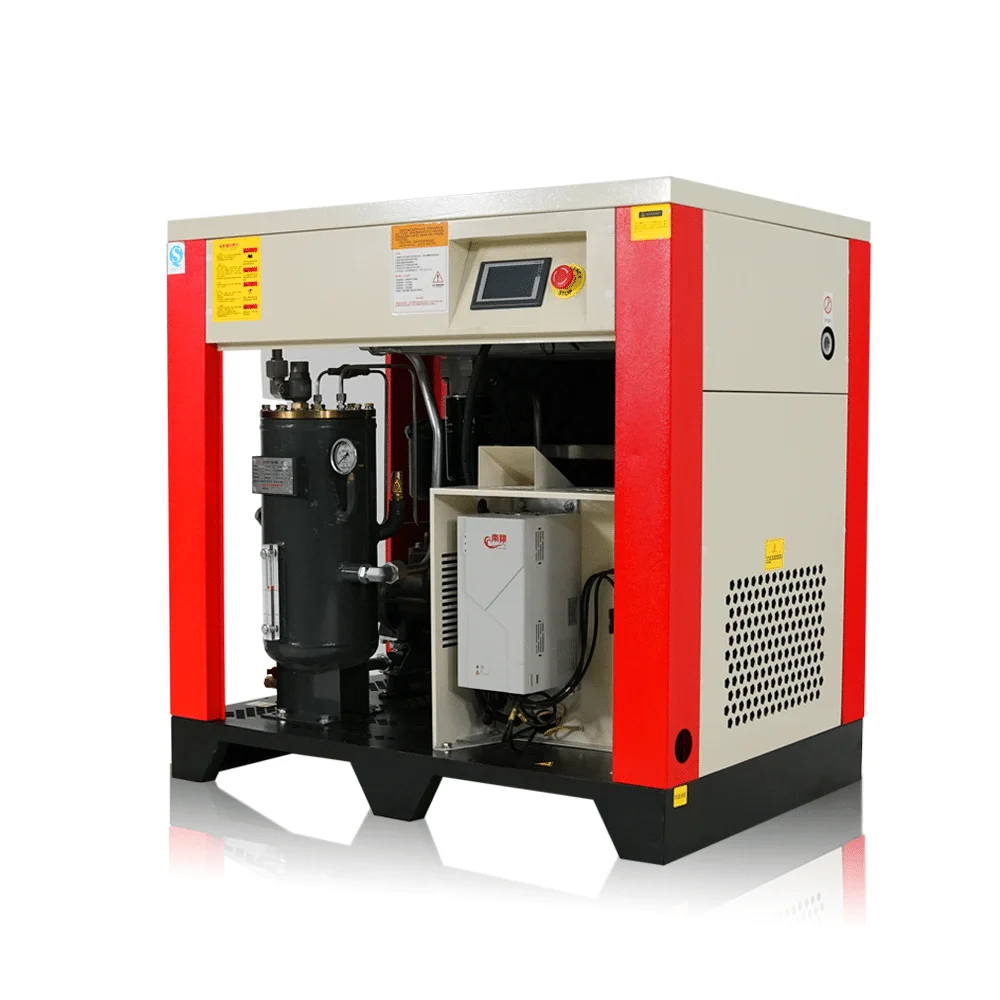
Common Types of Air Compressor Solenoid Valves
Not all solenoid valves are built the same way — the “way” configuration describes how many ports and positions they have.
| Type | Ports / Positions | Common Use in Compressors | Typical Voltage |
|---|---|---|---|
| 2/2-way NC | 2 ports, 2 positions (open/closed) | On/off air supply control | 12V / 24V DC |
| 3/2-way | 3 ports, 2 positions | Actuator control, pilot valves | 24V DC / 110V AC |
| 4/2-way | 4 ports, 2 positions | Double-acting cylinder control | 24V DC / 220V AC |
| 5/2-way | 5 ports, 2 positions | Pneumatic automation systems | 24V DC |
| 5/3-way | 5 ports, 3 positions | Precision mid-position hold applications | 24V DC / 110V AC |
Notice: The 2/2-way normally-closed valve is probably the most common configuration seen in basic air compressor setups — it stays shut until powered, which is a sensible fail-safe default.
Where Is the Solenoid Valve Located on an Air Compressor?
Placement varies depending on the compressor type and what the valve is doing. In general, you might find an air compressor solenoid valve:- At the inlet — controlling whether air enters the compression chamber
- On the unloader line — releasing trapped air between the compressor head and check valve during startup
- In the discharge line — managing output to downstream tools or tanks
- On drain lines — automating moisture purge from air receivers
How Long Does an Air Compressor Solenoid Valve Last?
This is where things get a little more nuanced than most buyers expect. In the industry, the expected lifetime of a valve is typically given in the number of cycles (times it can open and close) rather than fixed years.If a valve opens and closes several thousand times per day, some valves last 3 to 5 years. In lower-frequency, well-maintained conditions, lifespan can exceed 10 years. In harsh environments with high temperatures or frequent cycling, replacement may be needed every 1 to 2 years.On the cycle count side: general brass valves can achieve up to 20 million cycles in dry air or gas applications. High-quality industrial valves are often rated even higher — some pneumatic solenoid valves are rated to last 10 million to over 50 million cycles under good working conditions.The key variables that determine where your valve lands on that spectrum:- Cycle frequency — the more it switches, the faster internal parts wear
- Duty cycle — a valve held energized continuously generates heat that degrades the coil
- Air cleanliness — contaminated air supply is a leading cause of premature seat wear
- Ambient temperature — both extremes shorten seal and coil life
Common Problems and Symptoms
Valve Won’t Open
Usually points to a burned-out coil or insufficient voltage. Occasionally it’s just debris caught in the seat — contaminated air supply is the culprit more often than people expect. Small particles like dust, rust, or mineral buildup can block internal passages, prevent proper sealing, or restrict the plunger’s movement — even a tiny piece of debris can cause a valve to stick open or closed.
Valve Won’t Close (Leaking Air)
A worn or damaged seal, a warped seat, or a weakened return spring. In older valves, the rubber seal simply deteriorates over time, especially with oily or hot air passing through constantly.
Coil Gets Excessively Hot
Some warmth is normal. Excessive heat usually means the coil is running on incorrect voltage, or it’s been specified for intermittent duty but is being used continuously. A blocked or stuck armature can also overheat a coil, since power continues to be applied in an attempt to move the plunger.
Chattering or Buzzing
Common in AC-powered solenoids. Often caused by a dirty valve face, low voltage, or a worn shading ring inside the coil assembly.
For more information about how to check and replace compressor check valve, you can check the guide for more information.
Selecting the Right Air Compressor Solenoid Valve
A few key specs to match when choosing a replacement or upgrade:
- Voltage and current draw — must match your control circuit exactly
- Port size — NPT or BSP thread, matched to your pipework
- Pressure rating — must meet or exceed maximum system pressure
- Seal material — NBR (nitrile) is standard for air; Viton if there’s exposure to oils or higher temps
- Duty cycle — continuous vs. intermittent rated coils are not interchangeable
- IP rating — for dusty or oily settings, opt for IP65 or higher-rated valves
Getting the wrong seal material is a surprisingly common mistake. NBR seals in high-temperature or oily environments will swell and fail prematurely, leading to leaks that look like valve body damage but are actually just a materials mismatch.
Final Thoughts
The air compressor solenoid valve is one of those components that sits quietly in the background, doing its job without much attention — until it doesn’t. Understanding what it is, how it functions, what affects its lifespan, and what can go wrong makes it much easier to diagnose problems quickly and choose the right replacement when needed.
For anyone maintaining pneumatic equipment regularly, keeping a spare solenoid valve on the shelf isn’t a bad idea. They’re not expensive, and when one fails at the wrong moment, having a backup ready can save a significant amount of downtime.